DD
MM
YYYY

PAGES

DD
MM
YYYY

spot_img

PAGES

Home Blog Page 4493

The Future of Networked Social Environment in the Age of Clone Innovation

0

In the ever-evolving digital landscape, social media platforms have become an integral part of our lives, connecting individuals across the globe. While established platforms have dominated the market for years, the emergence of new entrants cloning existing social media platforms has sparked debates about the future of the networked social environment. This piece explores the implications of cloning social media platforms and its potential impact on the future of online interactions.

The Rise of Cloned Social Media Platforms

Cloning, or replicating, existing social media platforms involves creating similar platforms that mimic the features and functionalities of established giants like Facebook, Twitter, or Instagram. This trend has gained traction due to the desire to capture the success and user base of these popular platforms while offering a fresh alternative or targeting niche markets.

The emergence of cloned platforms introduces healthy competition into the social media landscape. It pushes established players to innovate, improve user experience, and offer new features to retain their user base. This competitive environment can benefit users, as platforms strive to differentiate themselves and provide unique value propositions.

Cloning can lead to fragmentation within the networked social environment. Users have a plethora of options to choose from, resulting in divided attention and reduced engagement on any single platform. Fragmentation may challenge the dominance of existing players and create opportunities for new platforms to gain traction.

Cloning raises questions about data privacy and security. When users migrate to new platforms, they must trust these platforms with their personal information. The handling and protection of user data become paramount, and new entrants must establish robust security measures to gain user confidence.

Cloning can potentially erode the uniqueness and differentiation of social media platforms. When multiple platforms offer identical features and functionalities, it becomes challenging to establish a distinct identity. As a result, the user experience may become increasingly homogenous, potentially impacting user loyalty and engagement.

Cloned platforms must navigate legal and ethical challenges. Intellectual property rights, such as trademarks, copyrights, and trade secrets, need to be respected. The cloning of platforms may lead to legal disputes and calls for regulatory intervention to protect originality and innovation in the digital sphere.

The Future of Networked Social Environment

Cloning social media platforms is indicative of an evolving social landscape. As new entrants attempt to replicate successful models, the ecosystem becomes dynamic and subject to constant change. To stay relevant, social media platforms must continually innovate and differentiate themselves. They should focus on user-centric features, personalized experiences, and enhanced privacy controls. Innovations such as augmented reality, virtual reality, or decentralized platforms may redefine the social media landscape.

Rather than cloning existing platforms, new entrants may find opportunities in collaborating and integrating with established players. This can lead to symbiotic relationships, where niche platforms offer specialized features or cater to specific demographics, while benefiting from the wider reach and resources of established platforms.

Our analyst points out that the future lies in the hands of both established platforms and new entrants as they adapt to evolving user expectations, technological advancements, and regulatory landscapes, shaping the future of online interactions.
Threads App and Its Key Questionable Feature

0

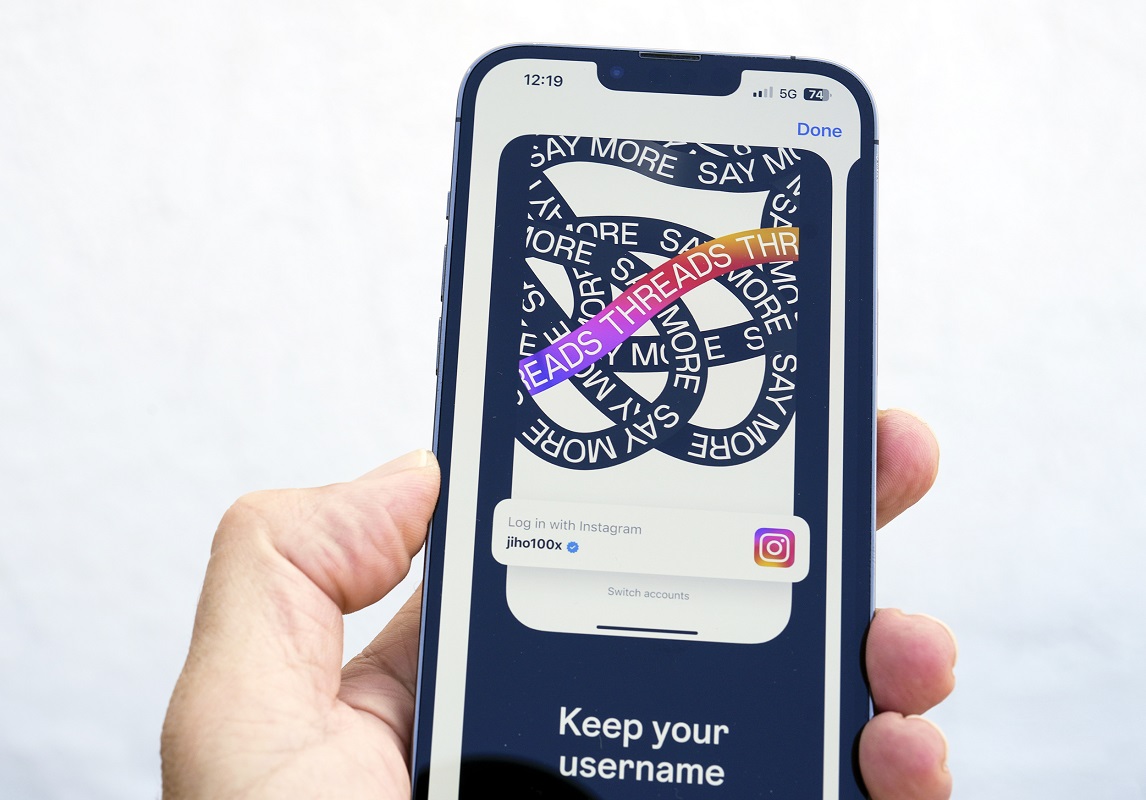
The requirement for a Threads user to delete his or her Instagram account when wanting to delete Threads account raises important considerations regarding users’ rights, particularly in the context of the EU Digital Services Act 2023 (DSA). Our analyst examines this feature from the perspective of user rights.

Right to Data Portability: Under the DSA, users have the right to data portability, which means they should have the ability to easily transfer their personal data between different service providers. By mandating the deletion of the Instagram account along with Threads, this feature could potentially hinder users’ ability to exercise their right to data portability.

Right to Erasure (Right to be Forgotten): The DSA grants users the right to have their personal data erased or “forgotten” under certain circumstances. However, by requiring the deletion of the entire Instagram account, including associated data, Threads’ feature may not adequately respect this right. Users may want to delete their Threads account while still retaining their Instagram profile and data.

Transparency and Consent: The DSA emphasizes the importance of transparency and user consent regarding data processing activities. Users should have clear information about the data being collected, how it is used, and the ability to provide specific consent for different services. Bundling the deletion of the Instagram account with Threads without providing users with granular control over their data erasure choices might be seen.

Right to Free Choice and Lock-in: Users should have the freedom to choose and switch between digital services without undue barriers or lock-in effects. Requiring the deletion of an entire Instagram account to remove Threads could create a sense of lock-in, as users might hesitate to delete their Instagram presence due to the potential loss of connections, followers, or content that they value.

In light of these considerations, the requirement to delete an Instagram account along with a Threads account might raise concerns regarding the compliance of this feature with the EU Digital Services Act 2023. To ensure the protection of users’ rights, it would be advisable for services like Threads to provide more granular control over data erasure and allow users to exercise their rights without unnecessary limitations or dependencies on other accounts.

Threads App: Unleashing Data Interoperability in the European Union Digital Services Act Era

0

As the European Union (EU) embraces the digital age, it seeks to establish comprehensive regulations to govern online platforms and protect the interests of its citizens. In the context of the EU Digital Services Act (DSA) 2023, the emergence of the Threads app, with its commitment to open and interoperable social networks, holds significant implications for data interoperability.

By aligning with the ActivityPub protocol established by the World Wide Web Consortium (W3C), Meta’s Threads app paves the way for a decentralized approach to online platforms, offering new possibilities for user experiences and collaboration across multiple applications.

Promoting Interoperability and Collaboration

The integration of the Threads app with the ActivityPub protocol marks a significant milestone in the pursuit of data interoperability. The adoption of this open social networking protocol empowers Threads to connect with other applications that support ActivityPub, such as Mastodon and WordPress. This compatibility enables developers to create innovative features and user experiences that seamlessly integrate with other open social networks.

By leveraging interoperability, Threads breaks down the silos that have traditionally hindered collaboration and data exchange between different platforms. This enhanced connectivity opens avenues for users to engage across diverse applications while preserving each app’s unique community standards and content moderation policies. This decentralized approach, akin to the protocols governing email and the web, facilitates an inclusive digital ecosystem where users have greater control over their data and the platforms they choose to engage with.

The Implications for the European Union Digital Services Act

The EU’s Digital Services Act emphasizes the need for transparent and accountable online platforms, putting forth regulations to protect user rights, combat misinformation, and ensure fair competition. In this context, the Threads app’s commitment to data interoperability aligns closely with the overarching goals of the DSA.

By enabling seamless integration with other platforms, Threads offers a pathway for enhanced data portability, empowering users to control and transfer their data across different applications while adhering to the DSA’s guidelines. Users can leverage the benefits of Threads’ open and interoperable nature to maintain their preferred content moderation policies and community standards, fostering a personalized online experience within the bounds of regulatory compliance.

Our analyst notes that the decentralized approach promoted by Threads aligns with the DSA’s objective to avoid undue concentration of power in the hands of a few dominant platforms. By embracing interoperability, the Threads app encourages competition and innovation, as developers have the freedom to create novel applications and services that integrate seamlessly with existing open social networks.

The Threads app’s compatibility with the ActivityPub protocol represents a significant step towards realizing the vision of data interoperability in the European Union. By adhering to open standards and embracing a decentralized approach, Threads empowers users, developers, and online platforms to collaborate and engage across a diverse digital landscape. This compatibility holds profound implications in the context of the EU Digital Services Act, as it fosters a more transparent, accountable, and user-centric online environment.

As the EU continues to refine and implement its digital regulations, the Threads app’s commitment to data interoperability serves as a testament to the power of open standards and decentralized platforms. By embracing these principles, the Threads app and other interoperable technologies can help shape the future of online platforms, enabling a more inclusive, competitive, and user-centric digital landscape in the European Union and beyond.

If Twitter Sues Meta Over Threads, Meta Has An Advantage

0

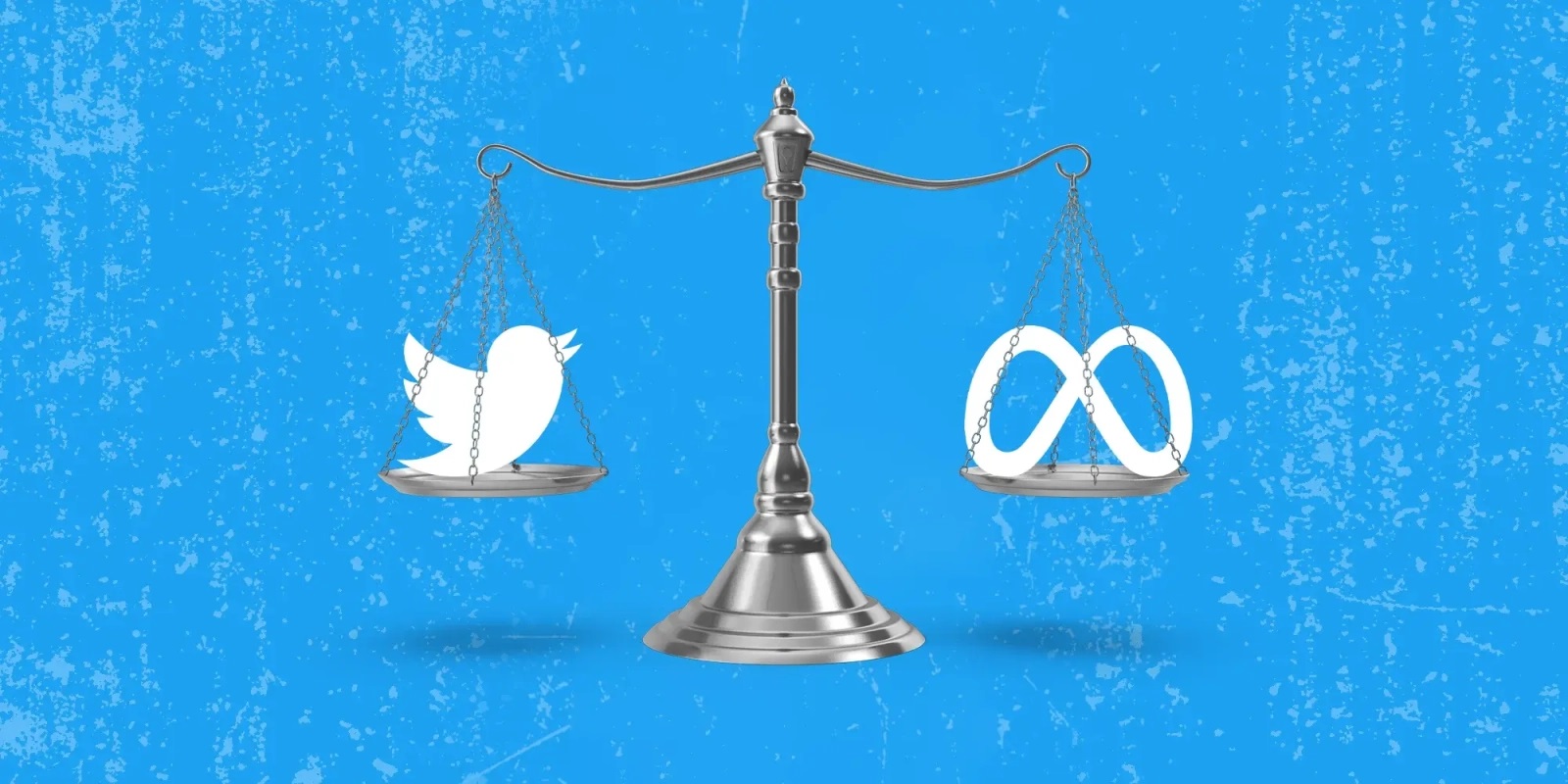
Elon Musk dropped a line: “Competition is fine, cheating is not”. Yes, Twitter is going after Meta (Facebook parent company), alleging ‘”systematic, willful and unlawful misappropriation” of Twitter’s trade secrets and IP, as well as scraping of Twitter’s data…’ for creating its Twitter cline, Threads.

While Threads has made a serious splash, notching 30 million downloads in less than 24 hours, it may also be facing legal trouble from rival Twitter. The new Meta app is viewed as “the most serious threat yet to Elon Musk’s struggling social media site,” according to Bloomberg. And Twitter is already threatening to sue Meta, alleging in a lawyer’s letter that the app is a “copycat” of its platform and that Meta hired its former employees to work on the project, stealing trade secrets to launch it. Meta denied the allegation. Threads, which has been in development since January, works through Instagram, allowing users to maintain the same username and import accounts they already follow onto the platform. Bill Gates, Ellen DeGeneres and Oprah Winfrey are among its most high-profile early adopters. (LinkedIn News)

Good People, this play will not end in a draw which means someone will win. Except the “scrapping of data” which if proven could be a problem for Meta, I do not think just cloning Twitter will get regulators and courts on the side of Twitter.

Yes, in this age, everyone does everything, and the industrial age mantra of core competency has since faded to a large extent. I think Meta’s Threads has many grounds (excluding the data scraping accusation) to continue to thread!

Why? I am not sure many courts will care because another person cloned another social media platform. Meta has a great history of that, cloning SnapChat (via Instagram Stories) and TikTok (via Reels) even as YouTube got its version of TikTok (via Shorts). So, this is an industry practice and they rarely sue one another!

Advantage: Threads.

Twitter Threatens to Sue Meta Over Threads, Sends ‘Cease And Desist’ Letter

0

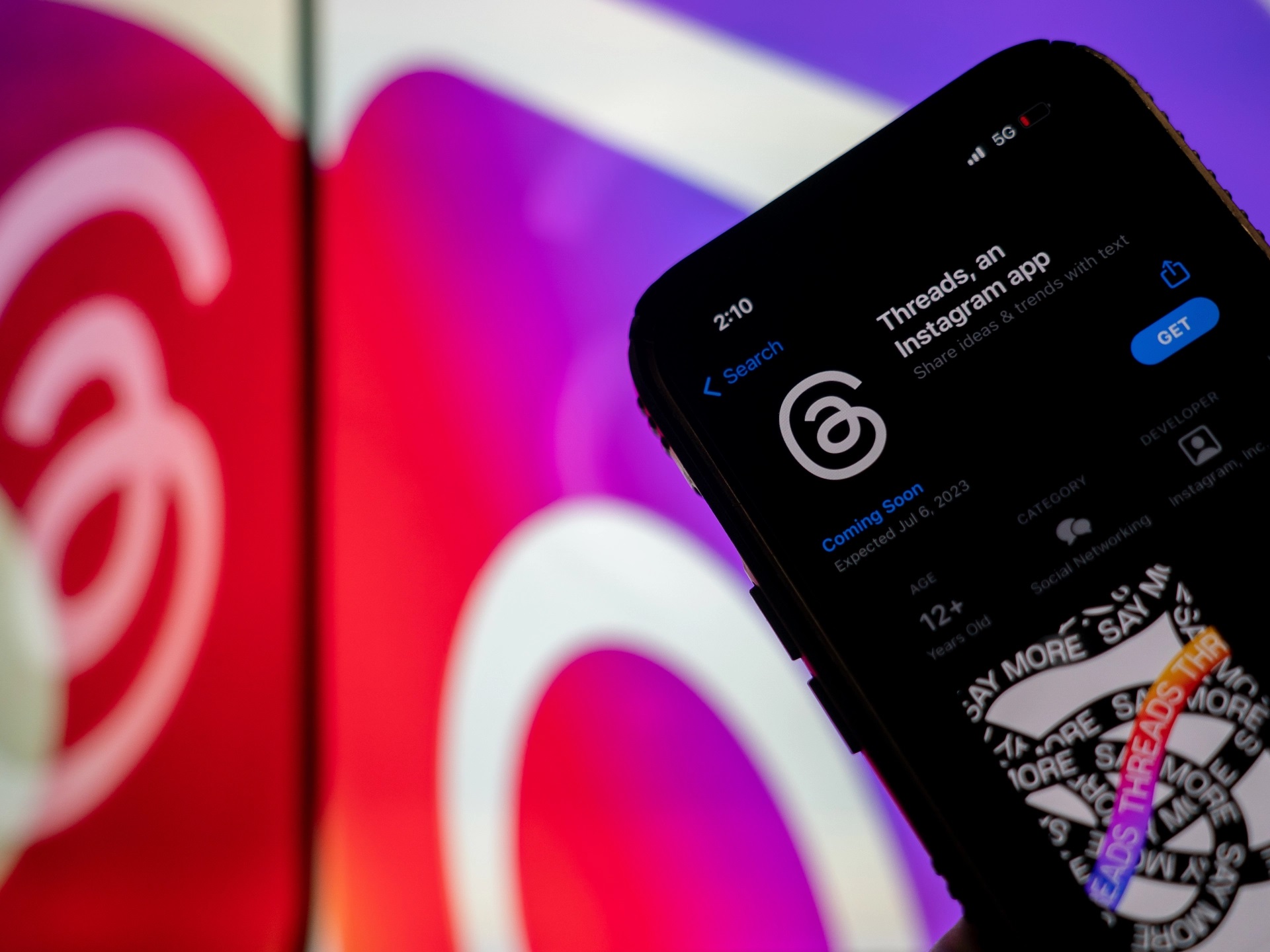
Twitter is threatening to file a suit against Meta for launching Thread – a “copycat” social media platform launched by Instagram on Wednesday, Semafor has reported.

In a cease and desist letter sent to Meta, Twitter alleges that the social media behemoth poached its employees to create Thread, which is a typical replica of Twitter.

In the letter sent to Meta CEO Mark Zuckerberg, Twitter lawyer, Alex Spiro, accused the company of engaging in “systematic, willful, and unlawful misappropriation of Twitter’s trade secrets and other intellectual property.”

“Twitter intends to strictly enforce its intellectual property rights, and demands that Meta take immediate steps to stop using any Twitter trade secrets or other highly confidential information,” Spiro wrote in a letter obtained exclusively by Semafor. “Twitter reserves all rights, including, but not limited to, the right to seek both civil remedies and injunctive relief without further notice to prevent any further retention, disclosure, or use of its intellectual property by Meta.”

According to the letter, Meta hired dozens of former Twitter employees who “had and continue to have access to Twitter’s trade secrets and other highly confidential information.”

Spiro also accused Zuckerberg of using former Twitter employees to steal the company’s trade secrets and also assigned those employees to develop “Meta’s copycat ‘Threads’ app with the specific intent that they use Twitter’s trade secrets and other intellectual property in order to accelerate the development of Meta’s competing app, in violation of both state and federal law as well as those employees’ ongoing obligations to Twitter.”

Musk acknowledged the development in a tweet on Thursday, saying that “Competition is fine, cheating is not”, in response to the report.

Following the launch of Thread on Wednesday, thousands of Twitter users have signed up – making the app one of the fastest-growing social media platforms with a record 30 million users in less than a day. Other Twitter rivals like Mastodon, and Bluesky have failed to gain mainstream traction and large user bases over time.

Musk’s threat to sue Meta indicates that Threads is so far, the greatest threat to Twitter. With Meta resources and grit, Threads stands a chance to sweep what is remaining of Twitter’s users and advertisers.

The RIPTwitter hashtag was trending on Twitter following Zuckerberg’s announcement to launch Thread.

Musk’s method of running Twitter has been heavily criticized by both users and advertisers. His decision to cap the number of tweets users can view during the weekend appeared to be the last straw for many. The company said the decision was part of efforts to halt data scraping. But users were not having any of the excuses.

It is not clear if the matter will lead to a legal battle between the two companies. Musk’s decision to make Twitter algorithm open source has been blamed for the development.

Semafor quoted a Meta source saying that Twitter’s accusations are baseless. “No one on the Threads engineering team is a former Twitter employee — that’s just not a thing,” the source said.

Meta is notorious for using copycats to get on the edge of the competition. The company used Instagram Stories to limit Snapchat’s growth, and Reels is currently giving TikTok a run for its money.