DD
MM
YYYY

PAGES

DD
MM
YYYY

spot_img

PAGES

Home Blog Page 4594

Without a Business Model, There is no Business

0

When I did a live video on pitching tips last week, I talked about identifying market needs and why you are in the best position to solve them. I also discussed creating a business model around the market need you are meeting, and I would like to shed more light on it.

Let’s take a fictional scenario. So, you have decided that by building an application, you can solve people’s money problems by helping them draw a budget and keep to it daily. You should not have any problem with market entry because this is a need. But how do you intend to make money off this?

Will this model be convincing to get an investor to part away with his or her money? How does this translate into profit for you? Even if it does raise some money, will it be sufficient to keep the business operations going?

These questions should be answered before you decide to do business with it. It is okay to solve a problem, but if it does not translate into cash, you might as well be running a not-for-profit organization.

The term business model simply refers to your plan for making a profit. Your business model identifies the products or service, the market, what you hope to have customers pay for it, what percentage of it will go into operations and expenses and what percentage becomes profit. This is not only for new businesses but also for old companies planning new product launches.

You should factor in startup costs, your financing sources, marketing strategy, sustainability plan, and possible partnerships. Your business could adopt a B2C (Business to consumer) model, a B2B (Business to business) model, a C2B (Consumer to Business) model, or a C2C (Consumer to consumer), but the party receiving the service or product should be willing to pay for it.

Another thing your business model should do is anticipate trends, and that is why it is an ongoing process even for existing businesses. Today’s world is a lot more dynamic than we could ever have imagined, and your plans for making a profit could easily become outdated as soon as another business launches with a better option. Factor all of that in a while drafting and updating your business model.

Can you imagine what it would be like if the service you are offering for a fee becomes the same service another Company offers pro-bono or as a value-added service for customers who subscribe to their products? You could be out of business in the twinkle of an eye.

Also, try to envisage challenges that could come up for your business in terms of government policies, cultural challenges, and the like. Trust me, an investor is more likely to take you more seriously if you have factored in all the possible challenges and addressed them in advance, than if you have merely glossed over them in the hope that they never show up.
Visa Pledges $1bn Investment in Africa in the Next Five Years

0

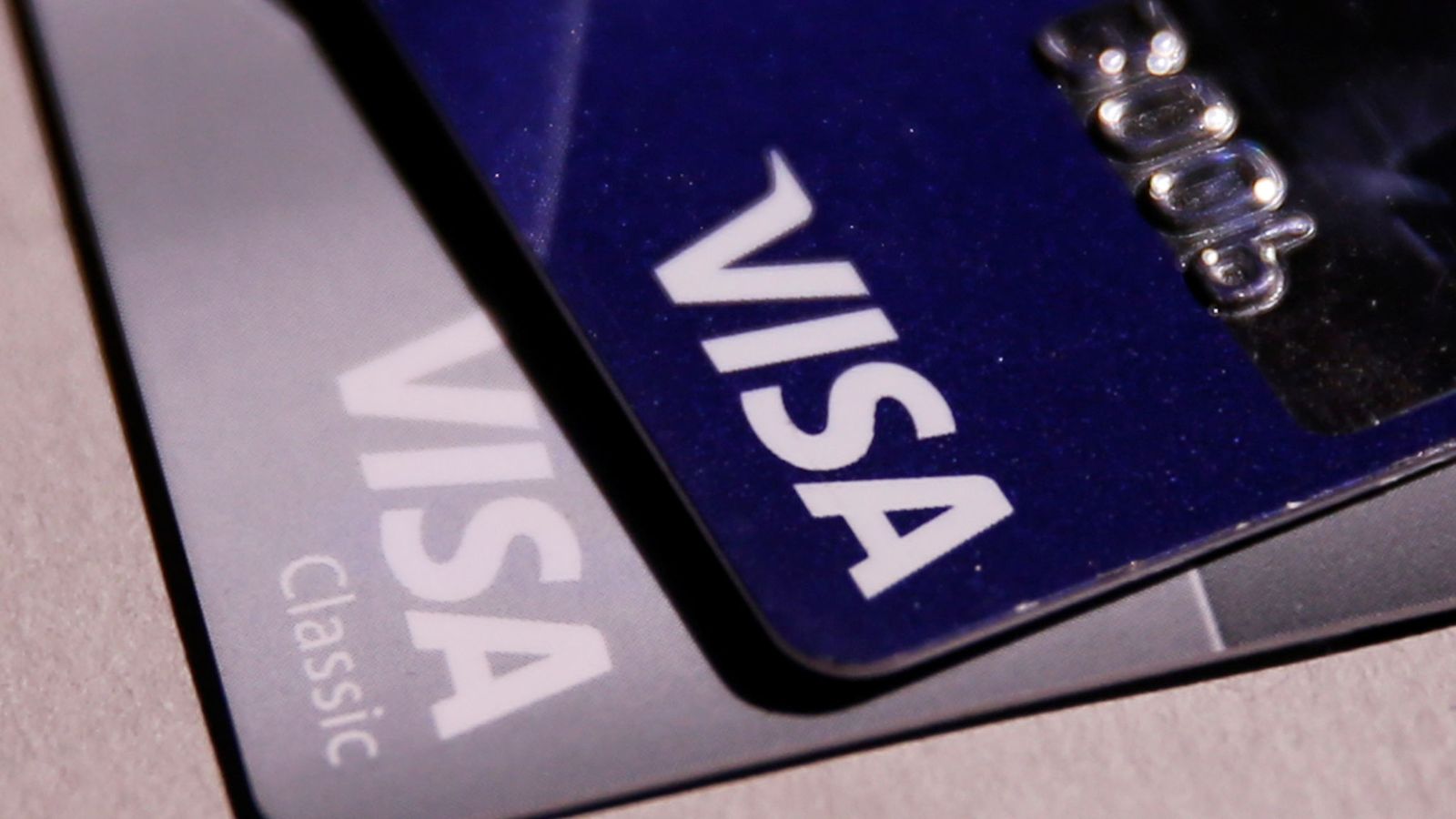
Payments giant Visa has pledged to invest $1 billion in Africa by 2027, expanding its digital payment footprint in the continent’s untapped markets.

The pledge was announced on Wednesday during the US-Africa Summit held in Washington by Visa CEO Alfred F. Kelly. The company said in a statement that it plans to scale further its operations in Africa and deepen collaboration with strategic partners, including governments, financial institutions, mobile network operators, fintechs and merchants through the pledge.

“Visa has been investing in Africa for several decades to grow a truly local business, and today our commitment to the continent remains as firm and unwavering as ever,” said the Visa CEO in a statement. “Every day, Visa supports digital commerce and money movement in every country across the continent, and Africa remains central to Visa’s long-term growth plans. We look forward to continuing to work closely with our partners to advance the financial ecosystem, accelerate digitization and to build resilient, innovative, and inclusive economies that will create shared opportunity and further spur Africa’s digital economy.”

Africa has a booming population that lacks financial inclusion, creating a huge market for players in the payment industry that Visa wants to leverage on.

There are currently more than 500 million people in Africa who are underbanked or unbanked, less than 50% of the continent’s adult population have made or received digital payments and more than 40 million merchants do not accept digital payments, according to Visa.

The payments company has seen its investments accelerate across Africa through partnerships, cementing its role as a key player in the advancement of digital payments in the continent. Visa said the new investment will facilitate additional opportunities to expand financial inclusion in Africa in the next five years.

“Africa is experiencing an unprecedented digital acceleration, with a growing number of consumers, merchants and businesses realizing the benefits of secure and convenient digital payments to fuel commerce and money movement,” said Aida Diarra, the senior vice president of Visa Sub-Saharan Africa. “Over the past year, Visa has continued growing our investment in Africa through new offices, new innovations and solutions, and programs that are directly supporting financial inclusion. The investment pledge outlines our long-term commitment to Africa and the work we will do to help advance the financial ecosystem.”

Recently, Visa has been expanding its operation in Africa, creating digital opportunities with new offices across the continent. The payment giant has established local operations for the first time in the Democratic Republic of Congo, Ethiopia and Sudan to help support and strengthen the local financial ecosystem, pushing its offices across Africa to 10.

Part of the expansion includes the unveiling of the first dedicated Visa Sub-Saharan Africa Innovation Studio, in Nairobi, Kenya, to provide a state-of-the-art environment to bring together clients and partners to co-create future-ready payment and commerce solutions.

Through this investment in Kenya, Visa offers services such as the Tap to Phone; integrating Visa Direct, its global money movement network, into African solutions; and running the Visa Everywhere Initiative program, where various African startups have showcased their payment innovations. The Visa Everywhere Initiative program launched dedicated country programs in Ethiopia and Egypt,

The company has also launched new programs to support women’s empowerment together with financial partners, including She’s Next, which is bringing funding, mentoring and networking opportunities to female entrepreneurs leading growing SMBs in Egypt, Kenya, Morocco, and South Africa.

Senate Asks Nigeria’s Central Bank to Adjust Newly Introduced Cash Withdrawal Limits

0

The Senate on Wednesday asked the Central Bank of Nigeria to considerably adjust the cash withdrawal limits, as criticism trails the recently announced policy that is expected to take effect from Jan. 9, 2023.

The red chamber deliberated on the CBN’s withdrawal limit policy yesterday after a postponement. The deliberation was previously billed to hold on Tuesday in response to growing protest against the policy by the public.

After considering a report from its Committee on Banking and Finance, the lawmakers directed the committee to commence aggressive oversight of the central bank and its commitment to make flexible adjustment to the withdrawal limit.

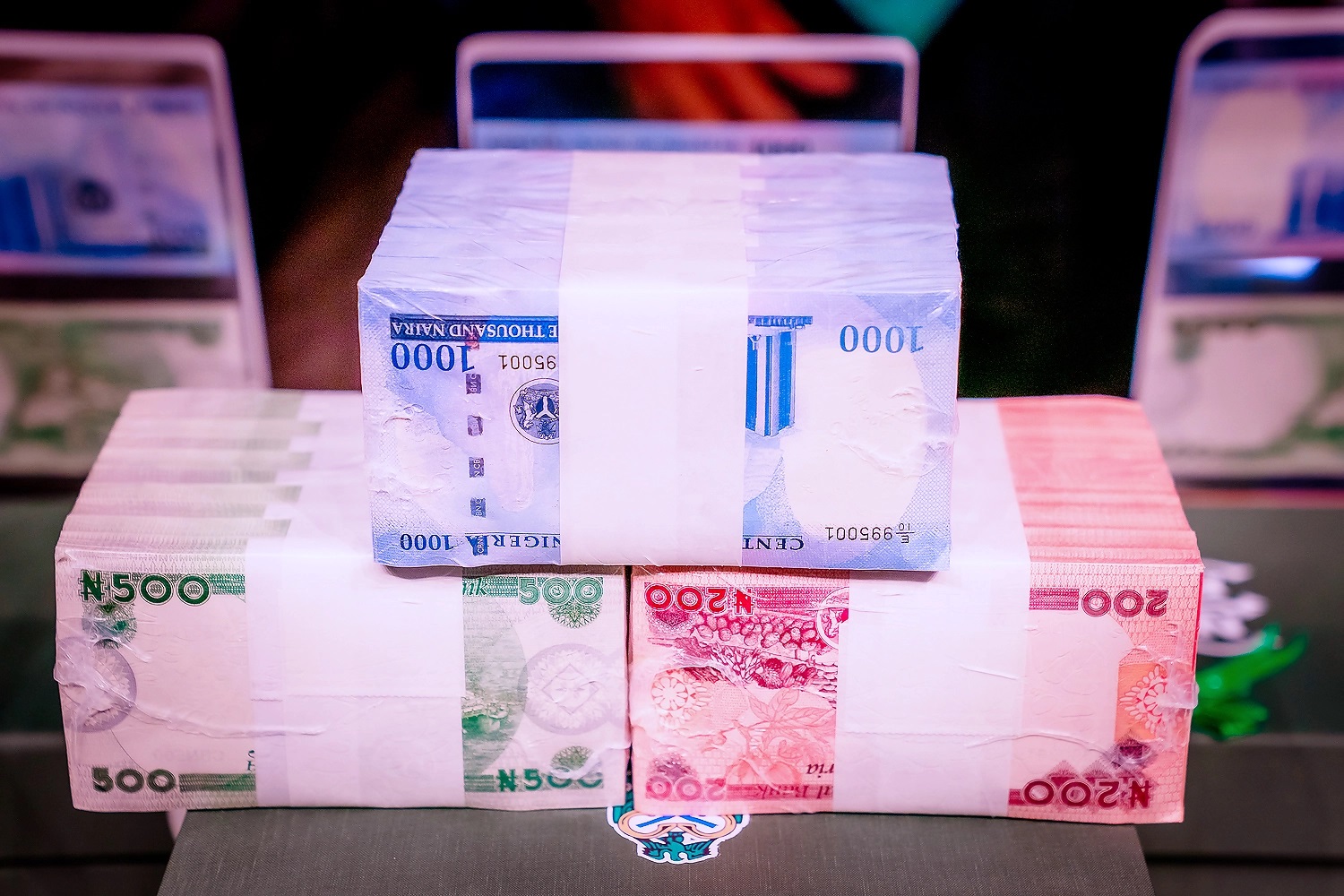
The CBN had last month, announced that ATM and over the counter cash withdrawals at the banks have been limited to N100,000 per week for individuals and N500,000 for corporate organizations. POS withdrawal was limited to N20,000 per day while the apex bank directed that only N200 and lower denominations should be loaded into banks’ ATMs.

The policy has however, drawn public outcry, with experts saying that it would stifle economic growth in the country. Consequently, the public outcry drew the attention of the National Assembly. The House of Reps was the first to summon the CBN governor Godwin Emefiele, asking him to suspend the policy.

However, there have been divided opinions on the policy even among lawmakers. While some believe it will have negative economic impact – stymieing business growth for SMEs – particularly in rural areas, others believe that the policy wields many benefits – such as curbing banditry and kidnapping and keeping Nigeria’s free-falling currency, the naira, stable.

The committee made its recommendations, urging the Senate to support the central bank’s policy. But after the matter had been thrown open for deliberation following the report by the committee’s chairman, Uba Sani (APC, Kaduna Central), the senators expressed varying views on the policy.

Opposing the policy, the Senate spokesman, Ajibola Basiru, described the committee’s report as “vague” and the CBN’s policy as “unrealistic.” He said the central bank needs to review the withdrawal limit upward considering Nigeria’s economic realities.

“I am not oblivious of the recommendations of the committee but I am of the suggestion that they should have adjusted the indices…,” he queried. “Why not say N500,000 in place of N100,000. This is in line with the realities. This report is vague.”

Adamu Aliero, Kebbi senator, also in opposition of the policy, said the central bank needs to create a room for flexibility in implementing the policy, considering the country’s realities.

“There are about 774 local governments in the country and only about 60 percent of the 774LGs are covered by banks,” he said. “While I support e-banking and cashless policy, I think we should do it with caution. There should be room for flexibility.”

Against the majority’s opinion, Senator Yusuf Yusuf urged his colleagues to support the policy. He said the policy transcends financial reasons to security, technology and the stability of the naira.

“If I had my way, I’d recommend the highest denomination to be N100. That is the only way to ‘de-dollarise’ the money. Because we are killing ourselves by keeping all the money and keeping dollars…,” he said.

Following its deliberation, the Senate called for adjustment of the policy and mandated its committee on finance to periodically report the outcome of its consultations to the red chamber.

Musk Takes Action to Tighten Personal Safety, Suspends Twitter Account Tracking His Private Jet

0

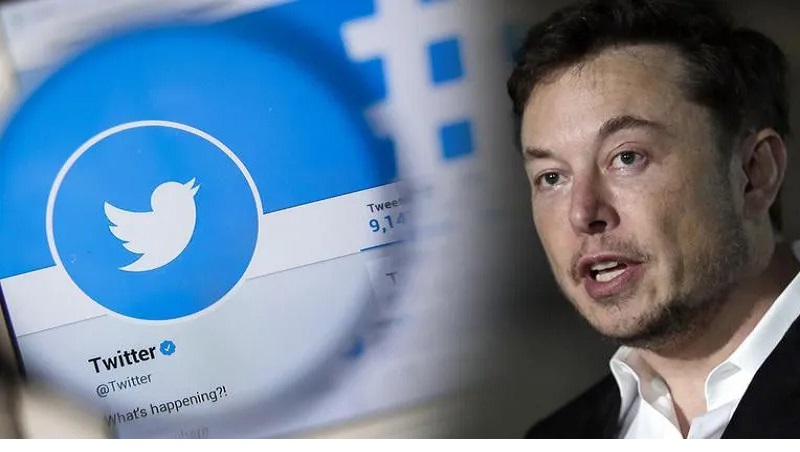
Twitter CEO Elon Musk has taken strict measures to protect his safety by suspending a Twitter account that tracks his private jet, which he described as a breach of privacy.

The Twitter account @Elonjet which has more than one million followers was run by a Florida college student Jack Sweeney, who uses publicly available data to track the whereabouts of Elon Musk’s private jet.

This act infuriated Musk who did not hesitate to permanently suspend the Twitter account. After the account was suspended, Sweeney urged his followers to follow him on other platforms.

Sweeney had disclosed in a tweet that his account dedicated to tracking employee jets at Musk’s company SpaceX was suspended. Shortly afterward, his account was suspended.

Recall that in November 2022, Musk tweeted that his commitment to free speech will ensure that the account that tracks his private jet will not be suspended.

He wrote, “My commitment to free speech extends even to not banning the account following my plane, even though that is a direct personal safety risk”.

However, Musk seems to have backtracked on his promise following his recent suspension of the account. He discloses that legal action is now being taken against Sweeney and others.

In a recent tweet, Musk said, “Any account doxxing real-time location info of anyone will be suspended, as it is a physical safety violation. This includes posting links to sites with real-time location info. Posting locations someone traveled to on a slightly delayed basis isn’t a safety problem, so is ok.

Last night, the car carrying Lil X in LA was followed by a crazy stalker (thinking it was me), who later blocked the car from moving & climbed onto the hood. Legal action is being taken against Sweeney & organizations who supported harm to my family.

While few Twitter users agree with Musk’s decision to take legal action, several other Twitter users were displeased with his action.

@WalserWes said, “Dude, your plane’s flight plan is public info and is already tracked by multiple sites. Good luck with that legal action.”

@JoanSGarrison said, “Hilarious that you bought this whole platform claiming to be a free speech absolutist willing to publish anything legal. Then when it’s about you, you want to prosecute speech much less egregious and dangerous than things you used to claim were unfairly censored. What a sham.”

@mayhemsmasta said, “Understandable that you are upset, but to implicate sweeny in this way and threaten legal action against him is just shallow. You painted the target on yourself and your family, stop trying to blame a kid for your failure to reassess security protocols.”

Before Musk’s takeover of the micro-blogging company, in January this year, Musk sent a dm to Sweeney on Twitter and offered him $5,000 to delete @ElonJet, which he turned down the offer.

The college student urged Musk to increase the offer which he disclosed would be a great support for him in college and would possibly allow him to get a Tesla Model 3 vehicle.

In a recent interview with CNBC, Sweeney disclosed that he started the @ElonJet account in June 2020 because he was a fan of Musk’s work at Tesla and SpaceX where he’s CEO of both companies. “Even now, my dream car is definitely a Tesla,” Sweeney said.

Reports disclose that Sweeney also ran accounts dedicated to tracking the private flights of other notable figures like former U.S. President Donald Trump, Bill Gates, and Meta CEO Mark Zuckerberg. All three of those accounts have been suspended.

Following Musk’s recent action, Twitter’s Help Center has tweeted an updated media policy that states, “You may not publish or post other people’s private information without their express authorization and permission.”

Another Case of Hubris Emerges as Bankman-Fried Explains Personal Failings that Contributed to FTX Downfall

0

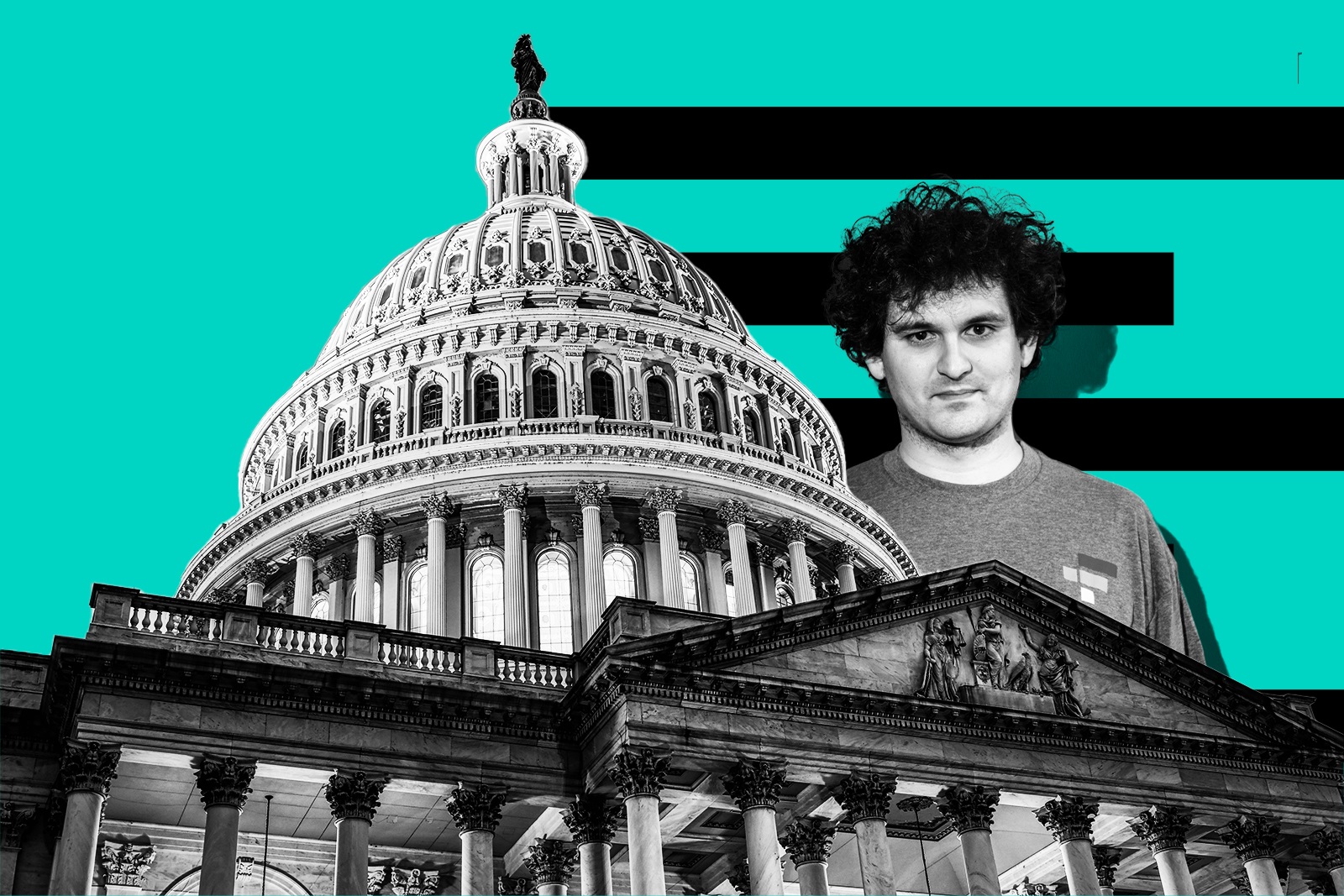
Sam Bankman-Fried, former CEO of the erstwhile global leading cryptocurrency exchange platform, FTX, has been on the news after reports of the bankruptcy of FTX. As at July 2021, FTX was reportedly valued at $18billion with more than one million subscriptions recorded on the platform. This pushed FTX forward as the third largest crypto exchange platform. By January 2022, FTX reported its valuation at $32billion.

However, in November 2022, FTX filed for bankruptcy after a lingered reported liquidity crisis since July. SBF who has been held responsible for FTX’s failure on allegations of “diverting billions of dollars of FTX’s customer funds for his own personal benefit and to help grow his crypto empire” was then “charged for fraud by the Securities and Exchange Commission” following his arrest on Monday.

A document prepared by Bankman-Fried toward his hearing on Tuesday highlighted markers of hubris responsible for Fried’s personal failings and consequently the fall of FTX. Hubris as a concept and how it manifests in corporate leadership and causes organisational failure has been extensively explained in another article here.

According to Business Insider, the 7000-word draft Bankman-Fried wrote explained he was less grounded in operational details in the months leading up to his exchange’s downfall. Some of SBF’s claims in the draft that were quoted by insider include the following:

‘’I had prided myself on staying grounded: staying in the weeds, day to day, of the company.

‘’I also prided myself on having a strong work ethic: I began FTX routinely working 18 hours per day. But for much of 2022, I believe that I was working about 30 percent less than I used to. And even when I was working, I was less focused and disciplined than I used to be.

‘’That’s time that wasn’t spent focusing on the actual core product, including risk management.

‘’I made a number of significant mistakes.

‘’I thought that I could hold FTX together despite the expansion. But I was wrong. I bit more than I could chew, and ended up failing to focus on risk management’’.

Meanwhile the FTX’s new CEO John J. Ray, had described the FTX decline as self-inflicted using the word ‘’catastrophic failure’’. According to a news report on the Corporate Governance Institute’s blog, Mr Ray who has a track record of managing bankruptcies in multiple companies attributed FTX failure to a number of factors which include the following:

  • compromised systems integrity
  • faulty regulatory oversight
  • lack of centralised control of the cash that it handled
  • inaccurate list of bank accounts and account signatories
  • inaccurate bookkeeping
  • luxury purchases made by employees in the Bahamas with cooperate funds
  • inaccurate registering of assets with government authorities.

Ray also stated that despite the vast wealth and the popularity of FTX, control was in the hands of a very small group of inexperienced, unsophisticated and potentially compromised individuals. ‘’Never in my career have I seen such a complete failure of corporate controls and such a complete absence of trustworthy financial information as occurred here’’  Mr Ray had said.

How Business Managers Can Recognise and Deal with Hubris