DD
MM
YYYY

PAGES

DD
MM
YYYY

spot_img

PAGES

Home Blog Page 5

10 Best Spam Call Blockers for Stopping Robocalls and Scam Calls

0

Spam calls have become familiar enough that many people simply ignore numbers they do not recognize. That creates another problem: legitimate calls from doctors, delivery drivers, schools, clients, or local businesses can easily get missed too.

A best spam call blocker should do more than silence everything unfamiliar. It should help separate likely scams and robocalls from real people, identify callers when possible, and give you control over what happens next.

The problem is large enough that blocking technology now sits alongside government measures such as the Do Not Call Registry. According to the Federal Trade Commission’s FY 2025 Do Not Call Registry Data Book, about 258.5 million phone numbers were actively registered by September 30, 2025.

So which apps are worth considering? Here are 10 spam call blockers with different strengths, from real-time caller ID and community spam databases to aggressive automatic filtering.

What Should the Best Spam Call Blocker Actually Do?

The best spam call blocker should reduce unwanted interruptions without making legitimate callers disappear with them. That sounds simple, but blocking every unknown number is very different from accurately identifying suspicious calls.

Useful protection generally includes:

  • Real-time identification of unknown numbers
  • Warnings for known spam, scam, or telemarketing calls
  • Automatic blocking options that can be adjusted
  • Reverse phone lookup for missed calls
  • User reporting that helps improve spam databases

Some services go further. Sync.me, for example, combines caller identification, spam and scam detection, phone-number lookup, contact enrichment, and caller information designed to help people understand who is contacting them before deciding whether to answer.

A good blocker should also let you choose how aggressive protection becomes. A useful spam filter gives you more information and control, rather than simply making every unfamiliar caller vanish.

Which Best Spam Call Blocker Apps Are Worth Considering?

There is no single app that fits every phone user. Some focus heavily on automatic blocking, while others put more emphasis on caller identification, reverse lookup, visual caller profiles, or screening.

App Main Strength Platform Focus Useful For
Livecaller Real-time caller identification iPhone Seeing who is calling before answering
Hiya Caller screening and fraud protection iPhone, Android Layered spam protection
Truecaller Large caller identification ecosystem iPhone, Android Caller ID plus number lookup
Nomorobo Automatic robocall filtering iPhone, Android Frequent robocalls
RoboKiller Aggressive spam call and text filtering iPhone, Android Heavy spam volume
Who Caller ID and community spam reports Android Caller lookup and filtering
MeApp Caller ID plus contact features iPhone, Android Identifying callers and managing contacts
Easy Caller ID Free caller ID and spam blocking iPhone Simple no-subscription protection
Eyecon Visual caller ID iPhone, Android Caller photos and contact management
Whoscall Scam detection and caller ID iPhone, Android Broader scam awareness

1. Livecaller

Livecaller is designed primarily for iPhone users who want to know more about an unfamiliar number while the phone is actually ringing.

The app displays available caller information directly during incoming calls and can identify numbers associated with spam, scams, telemarketing, or robocalls. Users can also block unwanted numbers, report suspicious callers, and look up numbers after missed calls.

Its focus on the native iPhone calling experience makes it particularly relevant for users who do not want to open a separate app every time an unfamiliar number appears.

2. Hiya

Hiya combines caller identification with screening and fraud-focused features.

The app can identify known spam callers, screen unwanted calls, and provide blocking options for scam and nuisance categories. Its premium features also include enhanced caller ID, reverse lookup, call screening, and additional blocking controls.

One interesting addition is AI voice detection, which Hiya says can analyze calls for signs of synthetic or deepfake voices. That makes the service broader than a traditional blocklist-based spam filter.

3. Truecaller

Truecaller is one of the more feature-heavy options, combining caller ID, spam blocking, phone-number lookup, messaging tools, and call-screening features.

Its feature set currently includes caller identification, spam blocking, reverse phone lookup, scam-number lookup, AI call scanning, message identification, and call screening.

Truecaller makes the most sense for someone who wants a broad communication toolkit rather than a blocker that does only one thing. The tradeoff is that users looking for a very lightweight experience may not need all of those extras.

4. Nomorobo

Nomorobo is built around stopping robocalls before they become an interruption.

The service offers automatic spam-call filtering, screening for suspicious callers, spam-text filtering, neighbor-spoofing protection, and options to either identify or block suspected spam. Nomorobo says its protection draws on a database containing millions of known robocallers.

It is a strong fit for someone whose biggest complaint is not unknown callers generally, but repeated automated calls, telemarketing, and obvious scam traffic.

5. RoboKiller

RoboKiller takes a relatively aggressive approach to unwanted calls and messages.

Its system uses a spam database, predictive analytics, and audio fingerprinting to identify suspicious activity. The service also offers call screening, spam-text protection, personal block and allow lists, and its well-known Answer Bots in paid plans.

The free version includes spam caller identification and blacklist-based blocking, while more advanced screening tools require a paid plan.

6. Who

Who is an Android-focused caller ID and spam-blocking application.

The app uses a community-supported spam list and includes caller identification, filtering for telemarketers and robocalls, reverse phone lookup, and people-search features. Google Play currently lists more than five million downloads.

Its appeal is straightforward: caller identification and spam management are packaged together without requiring a separate lookup tool.

7. MeApp

MeApp combines spam protection with a more social approach to caller identification and contact management.

Its listed features include caller ID, spam protection, phone-number search, mutual-contact information, and tools showing how contacts may have saved a user’s number.

That makes it a little different from pure blocking apps. It is better suited to people who want to understand their caller network and manage contacts as well as filter unwanted calls.

8. Easy Caller ID

Easy Caller ID is aimed at iPhone users who want caller identification and blocking without another recurring subscription.

The app advertises real-time caller information, automatic blocking for robocalls and suspected scams, reverse lookup, contact enrichment, and personal block lists. Its App Store description currently says these core features are available without premium tiers or subscriptions.

For users comparing paid blockers, the absence of a recurring subscription may be its biggest attraction.

9. Eyecon

Eyecon puts more visual emphasis on caller ID than many competitors.

It can match unknown callers with available names and photos, provide reverse lookup, block unwanted spam, manage contacts, merge duplicates, and integrate communication functions such as messaging.

Someone mainly frustrated by anonymous-looking numbers may appreciate this approach. Eyecon tries to make incoming calls more recognizable instead of treating spam blocking as an isolated security feature.

10. Whoscall

Whoscall combines real-time caller identification with broader scam-detection tools.

Its current features include caller ID, spam and scam blocking, phone-number checking, suspicious-link analysis, screenshot analysis, and community scam reporting. The company reports a phone-number database containing more than 2.6 billion entries.

That wider feature set is useful because scam attempts increasingly move between calls, SMS messages, links, and other channels rather than staying inside one communication method.

Why Can Spam Calls Still Get Through a Call Blocker?

Spam calls can still get through because scammers constantly rotate numbers, spoof caller IDs, and start using numbers before they have accumulated enough reports to be classified as dangerous.

Hiya, for example, notes that brand-new spam numbers may not yet be flagged and that spoofed numbers can change from call to call.

That limitation applies broadly to caller-reputation systems. No spam database can know about every new number before the first calls happen.

Common reasons a call may escape filtering include:

  • The scammer is using a newly activated number.
  • Caller ID information has been spoofed.
  • Too few users have reported the number.
  • Your protection settings are configured only to warn.
  • The caller hides or restricts the originating number.

This is why community reporting matters. When users consistently flag suspicious numbers, reputation-based systems have more information to work with.

What Matters Most When Picking a Spam Call Blocker?

Accuracy and control matter more than simply blocking the highest possible number of calls. A blocker that stops every unfamiliar number is easy to build, but it is not necessarily useful when legitimate people also call from numbers you do not recognize.

Livecaller, Hiya, Truecaller, Nomorobo, RoboKiller, Who, MeApp, Easy Caller ID, Eyecon, and Whoscall all approach the problem somewhat differently. The right choice depends on whether your priority is real-time identification, automatic blocking, reverse lookup, visual caller information, or broader scam protection.

The best setup is the one that makes your phone quieter without making you nervous that an important call disappeared with the spam.

Frequently Asked Questions

How can I stop spam calls without blocking legitimate callers?

Use a caller ID or spam-blocking app that lets you label suspicious calls instead of automatically rejecting every unknown number. Add important contacts to an allow list and review your blocking level regularly.

Will a spam call blocker stop every robocall?

No. New, spoofed, and rapidly rotating numbers can sometimes get through before a spam database identifies them. Protection usually improves when the service combines reputation data, user reports, and behavioral detection.

How can I tell if an unknown number is spam before answering?

A real-time caller ID app can display available caller information or spam warnings while the phone rings. You can also use reverse phone lookup after a missed call before returning it.

Can I block spam calls for free?

Yes, several apps offer free spam warnings or basic blocking. Advanced features such as automatic category blocking, call screening, unlimited lookup, or enhanced caller ID may require payment depending on the app.

Will a spam blocker work on both iPhone and Android?

Many do, but features can differ between platforms because iOS and Android handle caller identification and default calling apps differently. Always check the app’s current platform requirements before subscribing.

Silver Lake Sues Icahn, Hedge Funds Over $13 Billion Endeavor Deal Appraisal Claims

0

Private equity firm Silver Lake has sued billionaire Carl Icahn and dozens of hedge funds in Delaware, seeking to prevent investors from using a specialized legal strategy to pursue potentially hundreds of millions of dollars from its $13 billion acquisition of Endeavor Group.

Silver Lake Technology Management filed the lawsuit Monday in Delaware’s Court of Chancery, asking the court to declare that hedge funds cannot pursue appraisal claims for Endeavor shares they bought after Silver Lake announced its plan to take the entertainment company private in 2024 for $27.50 a share.

The case highlights an unusual feature of Delaware corporate law that has become increasingly important to investors pursuing merger-related returns. Under the state’s appraisal statute, shareholders who believe a merger price is below the fair value of their shares can ask a court to determine what the stock was actually worth at the time of the transaction.

Unlike a class action, an appraisal proceeding applies only to the shares held by the investors bringing the claim. After reviewing valuation evidence from both sides, a judge can determine a fair value that is higher or lower than the merger price. The stakes could be substantial for Silver Lake. A ruling allowing the hedge funds to pursue appraisal could expose the private equity firm to claims potentially worth hundreds of millions of dollars or more.

Hedge Funds Targeted Endeavor After Deal Announcement

Endeavor became an attractive target for funds pursuing a strategy known as appraisal arbitrage. The investment strategy involves acquiring shares in companies involved in announced mergers and then seeking a court-determined valuation if investors believe the agreed takeover price is below the company’s fair value.

In Endeavor’s case, the potential value of its remaining assets became more apparent after the acquisition was announced. Endeavor owned a majority stake in TKO Group Holdings, whose assets include World Wrestling Entertainment and Ultimate Fighting Championship.

TKO’s shares rose sharply after the Endeavor transaction was announced, according to Silver Lake’s lawsuit. Appraisal-focused hedge funds subsequently bought Endeavor shares, in some cases paying more than the $27.50 merger price, the lawsuit alleges.

Silver Lake argues that the funds were not genuine shareholders objecting to the transaction but investors seeking to profit from the appraisal process.

“They are not dissenters; they are opportunistic arbitrageurs,” Silver Lake said in the lawsuit.

The legal argument faces a heavy obstacle. Delaware’s Court of Chancery has previously ruled that investors who purchase shares after a merger has been announced can still have the right to bring appraisal claims. That precedent could make the dispute less about whether the hedge funds bought their shares after the transaction was announced and more about whether the circumstances surrounding those purchases allow them to pursue appraisal in this particular case.

Icahn Faces Separate Lawsuit

Icahn is not an appraisal claimant in the case. He has instead filed a separate class-action lawsuit alleging that Endeavor’s management and Silver Lake breached their fiduciary duties to shareholders and structured the transaction to benefit insiders.

Silver Lake has accused Icahn of coordinating with appraisal-focused hedge funds to acquire Endeavor shares, an allegation that Icahn and the funds have denied. The private equity firm has also accused some of the hedge funds of failing to make appropriate securities disclosures related to their Endeavor purchases.

The overlapping lawsuits add another layer to the legal dispute surrounding the transaction. While the appraisal cases focus on whether shareholders received fair value for their shares, Icahn’s lawsuit raises broader questions about the conduct of Endeavor’s management and Silver Lake in negotiating and executing the deal.

Delaware Law Is Changing The Litigation Landscape

The dispute comes as Delaware’s corporate litigation environment is undergoing significant changes.

Last year, Delaware lawmakers amended the state’s corporate law to make it more difficult to bring certain lawsuits involving transactions with large or controlling shareholders. The changes also made it harder for investors to obtain corporate documents when investigating potential conflicts of interest.

Delaware lawyers say appraisal litigation has increased since those changes.

One possible explanation is that investors believe more transactions are being completed at prices below their assessment of fair value. Another is that traditional fiduciary-duty lawsuits have become more difficult to pursue, making appraisal proceedings a more attractive alternative.

Appraisal cases can also provide investors with a route to obtain confidential corporate documents that may otherwise be difficult to access. That makes the Silver Lake lawsuit part of a broader debate over the role of appraisal rights in Delaware’s corporate system. The mechanism was designed to protect shareholders who object to merger prices, but private equity firms and other acquirers have increasingly faced sophisticated investors using the process as part of merger-arbitrage strategies.

The Endeavor dispute could therefore have implications beyond the $13 billion transaction. A ruling addressing whether funds that purchased shares after a merger announcement can pursue appraisal, and under what circumstances, could affect how investors approach future Delaware takeovers.

For Silver Lake, the immediate objective is to limit the potential cost of the Endeavor acquisition, while the case is to determine whether the hedge funds can continue pursuing a court-determined valuation after purchasing shares in the period between the announcement and completion of a merger.

The competing lawsuits involving Silver Lake, Icahn, and the appraisal investors now place the economics of the Endeavor deal before Delaware’s corporate court, with potentially significant consequences for how merger appraisal rights are used in future transactions.

OpenAI and Anthropic Introduce New Models, Cut Costs as Cheaper Rivals Intensify Pressure

0

OpenAI and Anthropic are cutting the cost of their latest artificial intelligence models, signaling a shift in the frontier AI race from simply building more capable systems toward making advanced models cheaper and more efficient to operate.

OpenAI on Tuesday introduced two additional models in its GPT-6 family, GPT-6 Sol and GPT-6 Luna, cutting API prices by 50% compared with its promotional pricing for GPT-5.6.

Anthropic, meanwhile, unveiled Claude Opus 5.5, describing it as a more token-efficient version of its Opus 5 model that costs about 40% less to operate.

The simultaneous releases come as both companies face growing pressure from cheaper open-weight AI models, particularly from Chinese developers including Alibaba, Moonshot AI and DeepSeek.

The pricing moves also suggest that the economics of AI deployment are becoming as important as raw model performance. As businesses move from experimenting with AI to deploying models at scale, the cost of generating millions or billions of model responses can become a major factor in deciding which systems they use.

OpenAI said GPT-6 Sol is positioned below its Astra model and is designed for more complex workloads, including coding. GPT-6 Luna is aimed at “high-volume tasks” such as extracting information and summarizing documents. The two-tier approach allows OpenAI to match model capability and computational cost more closely with the task being performed. Customers do not necessarily need the most powerful model for routine workloads, while developers handling more complicated reasoning or coding tasks can pay for greater capability.

Anthropic is pursuing a similar efficiency strategy.

Claude Opus 5.5 is designed to use fewer tokens while maintaining the capabilities of its predecessor. Dianne Penn, Anthropic’s head of product management, research and labs, said the company is working on making model reasoning and responses more efficient depending on the user’s selected effort level.

“One of the things we’re continuing to innovate on is how to make that thinking, how to make the answering more efficient, so it uses less tokens depending on your effort setting,” Penn told CNBC.

That focus is deemed necessary because token consumption is closely linked to the cost of operating AI systems. More efficient models can potentially reduce the amount of computing infrastructure required to deliver the same volume of work.

The China Challenge

The pricing cuts also underpin the competitive pressure coming from open-weight models.

Alibaba, Moonshot AI and DeepSeek have been developing models that can compete with leading proprietary systems at substantially lower costs, putting pressure on OpenAI and Anthropic to justify the premium attached to their closed models.

For customers, the choice is increasingly becoming an economic calculation rather than simply a contest over benchmark performance. A company running millions of AI-powered customer interactions, coding tasks, or document-processing operations can generate a substantial difference in computing costs from even a modest reduction in the price of each request.

But that creates a difficult dynamic for frontier labs.

OpenAI and Anthropic are spending enormous amounts on computing infrastructure and model development, while cheaper competitors can put pressure on the prices they can charge customers. Lower API prices can stimulate demand and increase model usage, but they can also make it harder to recover the enormous cost of training and operating increasingly sophisticated systems.

The result is a race to improve the efficiency of both models and the infrastructure supporting them.

AI Spending Becomes The Next Battleground

The announcements also come at an unusual moment for the two companies. Anthropic CEO Dario Amodei recently called for an industry-wide slowdown in the development of advanced AI as concerns about model safety intensified. Former Anthropic researcher Jacob Coxon intensified that debate on September 8, saying he had left the company and warning on X that the industry’s leading labs were “gambling with our lives.”

OpenAI CEO Sam Altman and Tesla and SpaceX CEO Elon Musk also joined Amodei’s call for greater attention to controlling the pace of AI development.

The latest product launches show that safety concerns have not removed the commercial pressure to keep improving AI systems. Instead, the companies are trying to make their models more economical while continuing to advance their capabilities.

That approach is expected to be increasingly adopted as AI spending expands across the technology industry. Against that backdrop, the next phase of the AI competition may be less about which company can produce the largest model and more about which company can deliver sufficient intelligence at the lowest cost.

The competitive threat from open-weight models has made the efficiency push more urgent. If cheaper models become good enough for a growing range of enterprise applications, the premium commanded by proprietary frontier systems could come under sustained pressure.

At the same time, the cost reductions could expand the overall AI market by making sophisticated models affordable for more developers and businesses. That creates a potentially important trade-off for the frontier labs: cheaper models could reduce revenue per unit of usage, but substantially greater usage could expand the market.

Industry analysts expect the outcome to depend on whether OpenAI and Anthropic can lower inference costs faster than competitors can close the capability gap.

From Paper Charts to Smart Systems: The Evolution of Diagnostic Workflows

0

Have you ever wondered how physicians progressed from cluttered paper charts to programs that can identify disease in milliseconds?

Once upon a time, not too long ago, every diagnosis began with… a clipboard. Penmanship. Folder-stuffed filing cabinets. Faxed test results.

Today, most of that work happens on a screen. And that shift has changed:

  • How fast doctors find answers
  • How many mistakes slip through
  • What happens when things still go wrong

Here’s the problem:

Improved technology hasn’t eliminated diagnostic errors either. According to STAT news, approximately 371,000 people die every year because of a misdiagnosis. Furthermore, 424,000 individuals are permanently disabled as a result of a misdiagnosis.

Smarter systems help. But they don’t fix everything.

Let’s take a closer look…

Here’s what’s inside:

  • Why Diagnostic Workflows Matter
  • The Paper Chart Era
  • The Switch To Electronic Records
  • How Smart Systems Changed Diagnosis
  • Where Things Still Go Wrong

Why Diagnostic Workflows Matter

A diagnostic workflow is just the journey a patient makes from “something feels wrong” to “here’s what it is.”

One pathway = first visit, tests, results and follow-up. If one link is broken, the diagnosis is lost.

And when it does, the damage isn’t only physical.

Patients who have suffered because of a misdiagnosis can sustain two types of harm. Economic damages include things like medical expenses and lost income. Non-economic damages encompass the more intangible losses — pain and suffering, emotional distress and diminished quality of life. States often limit the amount of non-economic damages a jury can award victims. Florida’s Supreme Court unanimously ruled such caps were unconstitutional in 2014 and 2017 decisions. The justices have not relented since, and lawmakers have discussed reinstating the caps regularly.

Why does this matter here?

The method used to reach a diagnosis — whether it’s on paper or via computer screen — creates a paper trail.  And that paper trail often determines what can be substantiated later.

The Paper Chart Era

For most of the last century, medicine ran on paper.

Your health history lived inside of a big fat folder. See 3x doctors? Bet you had 3x different folders. And none of them communicated with each other.

That created some big risks:

  • Messy handwriting led to wrong readings
  • Test results got lost or filed in the wrong place
  • Past symptoms were buried deep in the chart

Think about it:

A physician in a hectic ER had seconds to decide. Paging through 50 pages of notes wasn’t possible. So critical information was omitted.

Doctors did care. It was just difficult to get the big picture from within the system.

The Switch To Electronic Records

Then came electronic health records (EHRs).

The big push began around 2009 when federal incentives started financially rewarding hospitals that went digital. And hospitals went digital fast. By 2024, more than 99 percent of non-federal acute care hospitals had certified EHRs in place. By comparison, less than 10 percent had fully electronic records in 2008.

That’s a massive jump.

What problems did EHRs solve? A patient’s entire history was available instantly. Labs appeared automatically in the record. Alerts for allergies and previous drugs popped up on screen.

Pretty cool, right?

But here’s the kicker…

Of course, EHRs created problems of their own. Physicians began clicking checkboxes rather than actually observing their patients. So many alerts appeared that most were ignored. “Alert fatigue” became a dangerous possibility in hospitals everywhere.

How Smart Systems Changed Diagnosis

Today’s tools go way beyond digital filing cabinets.

Smart systems are already beginning to incorporate artificial intelligence (AI) and clinical decision support to facilitate physician clinical reasoning. They can:

  • Scan X-rays for early signs of disease
  • Suggest possible conditions based on symptoms
  • Warn doctors when a test result needs follow-up

For instance, some hospitals have implemented software that monitors vital signs as they happen. If a patient begins exhibiting early symptoms of sepsis, the system alerts clinicians before the condition becomes severe.

That’s a huge step forward.

Sepsis, stroke and cancer are among the most commonly missed diagnoses. Early-detection tools that identify these diseases can prevent heartache and save lives.

But remember…

These tools only work when utilized properly by physicians. An intelligent alarm is useless if there is no response.

Where Things Still Go Wrong

Technology changed the tools. It didn’t change human nature.

Mistakes still happen for a few simple reasons.

Rushed Appointments

Physicians may spend 15 minutes or less with each patient. That’s barely enough time to ask good questions. Strange symptoms are dismissed as “not serious.”

Missed Follow-Ups

A test gets ordered. The result comes back abnormal. But nobody calls the patient.

One of the most prevalent gaps within today’s workflows.  Someone needs the data…it’s right there in the system…but never makes it into the hands of that person.

Too Much Trust In Software

Smart systems are useful but they aren’t flawless. If a doctor relies too heavily on what a computer thinks, they may forget to double check themselves. Artificial intelligence can make mistakes as well.

Systems That Don’t Talk

Hospitals often use different programs. When a patient changes providers records don’t always transfer. That could leave a physician with only half the information.

What This Means For Patients

Here’s the good news:

You have more power than ever before.

Patient portals are now standard in most health systems. You can access your test results, notes and visit summaries. You can see them yourself, which means you can catch errors as well.

A few simple habits go a long way:

  1. Read your test results as soon as they’re posted
  2. Ask what the next step is before leaving any visit
  3. Keep a list of your symptoms and when they started
  4. Get a second opinion if something doesn’t feel right

It really is that simple.

Plus if something goes wrong digital data provides a black and white timeline of when what went wrong occurred.

The Road Ahead

Diagnostic workflows have evolved significantly. Paper charts were replaced by electronic health records… and now EHRs are starting to evolve into smart AI-powered systems.

Each step made it easier to:

  • Find patient history fast
  • Spot warning signs early
  • Track what happened and when

However, even systems are imperfect. Missed handoffs, skipped follow-ups and poor communication continue to cause catastrophic injury.

Diagnostic accuracy is optimal when smart technologies and meticulous physicians collaborate. Patient engagement further reduces this risk of misdiagnosis.

Technology is a powerful helper. It’s just not a replacement for paying attention.

Sherrod Brown, Jon Husted and the Crypto Industry’s 2026 Senate Battle

0

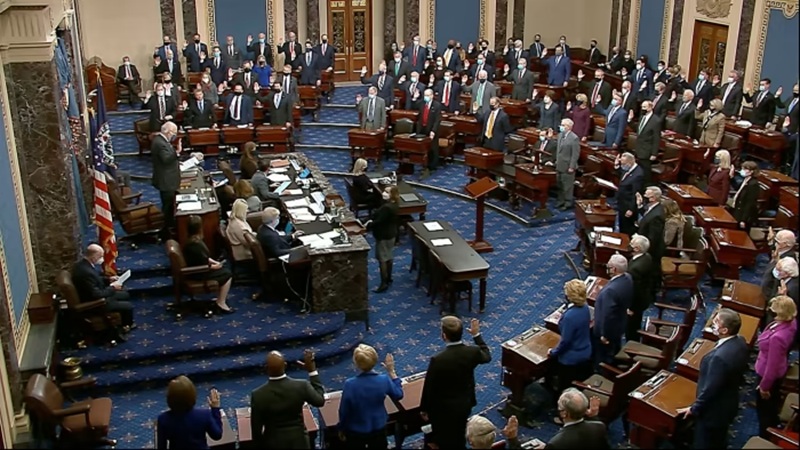
The crypto industry’s political strategy is becoming clearer: when legislation stalls in Washington, the fight does not necessarily end on Capitol Hill. It can move directly into the electoral arena. That is the significance of Fairshake’s decision to commit at least $30 million to oppose former Ohio Senator Sherrod Brown as he seeks to return to the Senate.

The timing is difficult to separate from the Senate’s recent failure to advance the CLARITY Act. On September 15, the legislation fell short of the 60 votes required to move forward, receiving 50 votes in favor and 49 against.

The bill was designed to establish a federal regulatory framework for digital assets and clarify the respective roles of regulators including the Securities and Exchange Commission and Commodity Futures Trading Commission.

For the crypto industry, the defeat represents more than another failed piece of legislation. Regulatory uncertainty has been one of the sector’s central political complaints for years.

A comprehensive market-structure law could have provided companies with clearer rules governing digital assets, exchanges and the boundary between securities and commodities regulation. Its failure leaves the industry more dependent on agency rulemaking and future congressional negotiations.

Fairshake is now taking part of that policy battle into Ohio. Brown is a particularly significant target because this is not the first time the crypto industry has spent heavily in an election involving him.

During the 2024 cycle, crypto-backed political groups spent roughly $40 million opposing Brown, who lost his Senate seat. Fairshake and affiliated groups are now preparing another major advertising operation as Brown challenges Republican Senator Jon Husted.

The episode illustrates how political capital has become another asset in the crypto industry’s balance sheet. Companies and investors have spent hundreds of millions of dollars building influence in Washington, and Fairshake had more than $100 million available as of August 31, according to Bloomberg Law.

But money does not automatically translate into votes. Political advertising competes with inflation, jobs, taxes, energy costs, immigration, healthcare and other issues that shape voters’ decisions. In Ohio, the crypto industry’s argument must therefore compete with a much broader electoral conversation.

The spending also creates a strategic question for the industry. Crypto advocates have historically sought bipartisan relationships because legislation requires support across party lines.

Fairshake has previously backed Democrats who were considered supportive of digital assets, including Senators Ruben Gallego and Elissa Slotkin, both of whom voted against advancing the CLARITY Act.

A more confrontational electoral strategy could change those incentives. If lawmakers believe opposing crypto legislation will trigger substantial campaign spending against them, the industry may gain additional leverage.

But a heavily partisan approach could also make future bipartisan negotiations more difficult, particularly when comprehensive legislation requires votes from both parties.

The Brown campaign has already framed Fairshake’s intervention as evidence of outside financial influence in the Ohio contest. The competing narratives therefore extend beyond cryptocurrency itself: one side is emphasizing regulatory policy, while the other is emphasizing campaign money and economic interests.

The larger story is that the crypto industry’s Washington strategy is entering a new phase. The CLARITY Act may have stalled, but the political campaign surrounding crypto regulation is accelerating. With the 2026 midterms approaching.

The industry is demonstrating that a legislative defeat can become the starting point for another kind of political investment: changing who sits around the table when the next crypto bill arrives.