DD
MM
YYYY

PAGES

DD
MM
YYYY

spot_img

PAGES

Home Blog Page 5056

As Nigeria’s Naira and Ghana’s Cedi Struggle, ECOWAS Must Review the Proposed ECO

1

Before the African Union congress, I made a case that it would be a bad policy if the continent adopts  a single currency without first understanding the serious welfare implications, at least, at the regional level. My thesis was based on the heterogeneous nature of African economies. Indeed, we can have massive welfare losses if the countries lose their abilities to adjust many macroeconomic factors due to a currency union.

 Nigeria devalues its currency when it cannot keep fighting it. Under a single African currency regime, a supranational central bank will run the show with Nigeria’s central bank just a window dresser. In other words, there is nothing the Central Bank of Nigeria can do because that power has moved to a higher central bank.

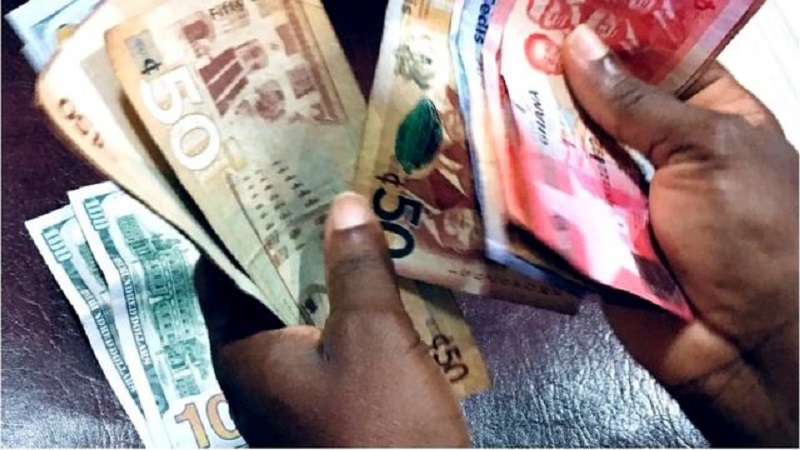
More so, it goes beyond Nigeria, Ghana is now losing it at the currency level: “The Ghanaian cedi came under pressure after racking up a whopping loss of 22.44% against the US dollar. This comes despite the attempt by Ghana’s central bank to hike interest rates to offset shortfalls caused by global tensions in Europe.”

 If Nigeria’s economy misbehaves, its asymmetric impact in the West African region will be massive. The economy of Eti Osa local government area in Lagos  State is bigger than the economy of most countries in ECOWAS. So, if we do have Eco, the proposed single West African currency, what will happen is that Nigeria’s economic radicalism will be shared by all the countries since in a currency union, a big player like Nigeria will be expected to have a major impact on the currency stability.

I do not believe that a single currency will fix Africa’s problems; only a favourable balance of trade and payment will do that sustainably and that will come via improved exports. My proposal is to use software to reduce transaction friction associated with multiple currencies. Afreximbank is doing just that and if they succeed, you can pay in Naira and someone in Kenya will receive in Shillings, seamlessly.
Osayi Omokaro has “SERIOUSLY RECOMMENDED” Tekedia Mini-MBA.

0

Osayi Omokaro has “SERIOUSLY RECOMMENDED” Tekedia Institute Mini-MBA. Read his words as posted on his feed. We’re very good at what we do here. Go here and register for the next edition and get the early discount with many benefits .

“SERIOUSLY RECOMMENDED. I am in the on-going session and it’s mind blowing. Only week one is far much more the cost. If you have a regular MBA especially from a Nigerian University, please humble yourself and go and take this. I am making this a course for my top management staff. Kudos to Tekedia Institute and the team of faculty led by Prof Ndubuisi Ekekwe”

CFTC Goes After South Africa’s MTI On $1.7bn Fraud As FBI Places $100k Bounty on Crypto Queen

0

For a long time, the United States has been expected to make rules that will regulate the cryptocurrency market, putting an end to fraud and other vices stymieing sustainable growth in the industry. While the regulation lingers, authorities are stepping up crackdown on fraud and malpractices in the cryptocurrency industry.

During the week, the U.S commodities regulator, Commodity Futures Trading Commission (CFTC), filed civil charges against a South African company and its CEO for fraud and registration violations.

The company is accused of running a fraudulent commodity pool worth over $1.7 billion in bitcoin. According to the watchdog, Mirror Trading International Proprietary Limited (MTI), the South African bitcoin pool operator, and Cornelius Johannes Steynberg, its CEO, set up a fraud scheme, soliciting bitcoin online from thousands of people including 23,000 Americans.

“MTI had operated a scheme “to solicit, accept, and pool more than $1.7 billion to trade off-exchange, retail foreign currency (forex) on a leveraged, margined and/or financed basis,” the CFTC said.

It said that instead of trading forex as MIT claimed, the company embezzled pool funds, misrepresented trading and performance, faked account statements and used a fake broker, where the trading happened. Just a fraction of the pooled 29,421 bitcoin was ever invested, the regulator said. Steynberg and the company also lied about using trading “bots”.

Steynberg has been on the run until he was recently nabbed by Interpol in Brazil, according to the CTFC, who added that the ponzi scheme is the largest involving bitcoin fraud that it has ever handled.

“Defendants engaged in an international fraudulent multilevel marketing scheme via various websites, in addition to social media, to solicit bitcoin from members of the public for participation in their pool. At least 23,000 of the pool participants—most, if not all, of whom were not eligible contract participants—were from the United States,” CTFC said in a statement.

“The CFTC’s complaint seeks full restitution on behalf of defrauded participants, as well as disgorgement, civil monetary penalties, permanent trading and registration bans, and other relief.”

The CFTC is seeking full restitution to defrauded investors, disgorgement of ill-gotten gains, civil monetary penalties, permanent registration and trading bans, and a permanent injunction against future violations of the Commodity Exchange Act and CFTC Regulations.

Meanwhile, Ruja Ignatova, also known as “Cryptoqueen,” a German citizen who’s also accused of defrauding investors out of $4 billion by selling a fake cryptocurrency called OneCoin has been added to the FBI’s list of its ten most-wanted fugitives, according to a statement by US officials on Thursday.

She has been on the run since 2017 when she learnt that her American boyfriend was cooperating with the FBI on its investigation on OneCoin. She was charged with eight counts including wire fraud and securities fraud for running the Bulgaria-based OneCoin Ltd as a pyramid scheme.

The FBI has placed $100,000 on Ignatova. She was charged alongside Mark Scott, a former corporate lawyer who prosecutors said laundered around $400 million for OneCoin, and has been found guilty of conspiracy to commit money laundering and conspiracy to commit bank fraud.

The crackdown on fraud in the crypto industry is expected to inspire investors’ faith, especially at a time when the industry is having one of its worst moments that some have attributed to malpractice.

Understand and Map Your Personal Economy At Tekedia Mini-MBA

0

In the university, they prepared you on how to manage the firm’s money and assets. None of those courses prepared you on how to manage your own money. Sure, they expect you to pick the skills on the way, as you advance in your career. That explains my thesis that the best way to begin a career is banking since if we’re in the business of making money, even when schools cannot teach us how to manage them, maybe, starting a career in banking will help!

As economies are being rattled as a result of Russia-Ukraine conflict, inflation, banditry in Nigeria, high interest rates, Naira deterioration, political risk, the stakes are now high and you must pay attention to your Personal Economy.

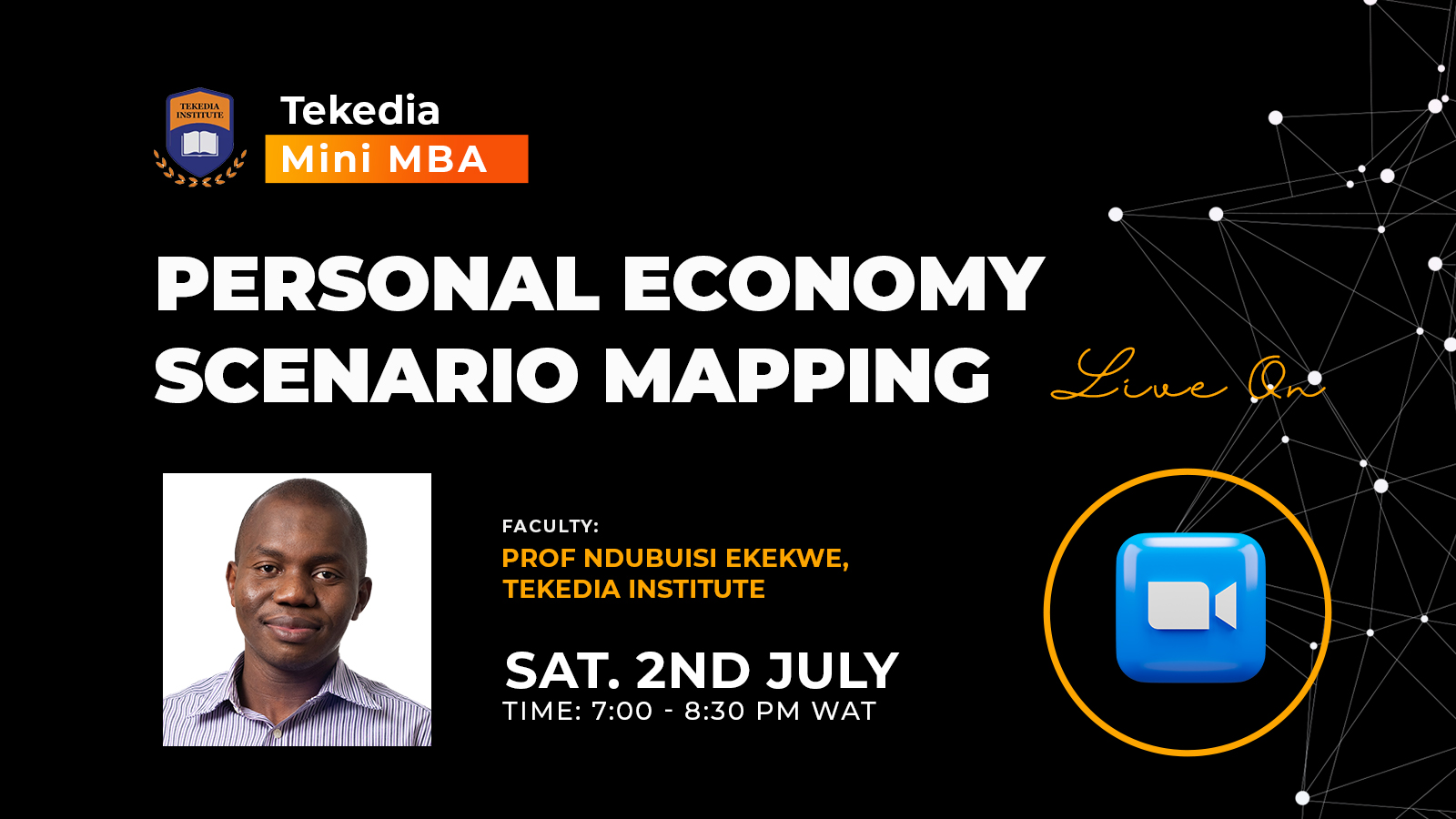
Tomorrow at Tekedia Mini-MBA, I will anchor a special session on Personal Economy and Scenario Mapping. Our school wants to help because that is what every great school should do. Of course, we already have great courses on Personal Finance and Wealth Management, Retirement Planning, etc. This one is an addition with specific focus on the events of 2022.

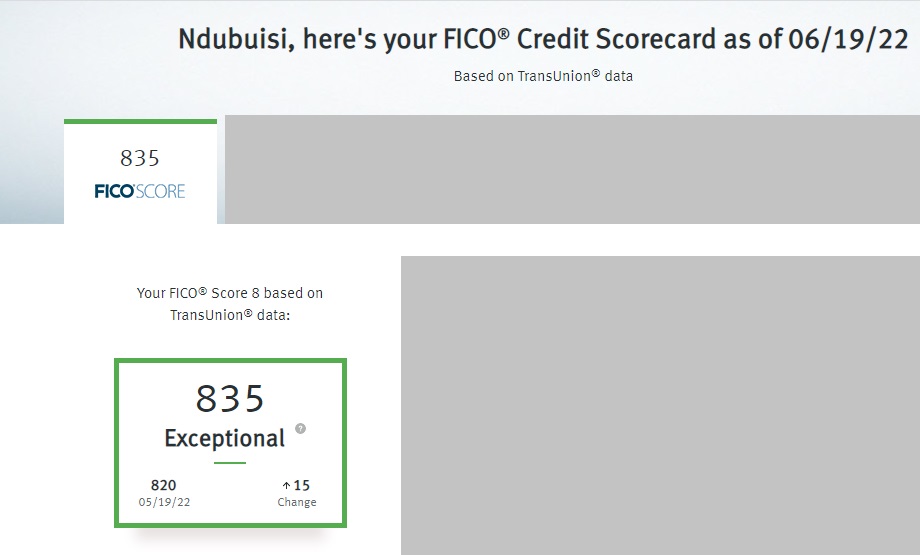
The best way to be out of debt is to pay your bills fast! And the easiest way to save is to have a great credit if living in developed economies.  My FICO score is 835 which is rated exceptional. With that, I get the best interest deals America offers! The implication is huge – what someone pays 21%, you can get it at 5%.

Meanwhile, we have started registration for the next edition of Tekedia Mini-MBA here.

Sankofa Innovation

0

For centuries, Africans devised means to survive. They mastered the herbs and cured the most poisonous snake bites, melted iron and made cutlasses and hoes, and formulated compounds and fixed broken bones. The Ethiopians invented an indigenous way of writing, and documented some of the earliest components of African history.

The ancient trade routes from Accra through Kano to Khartoum were anchored on the ingenuity of Africans who dyed clothes, transformed hides into leather, and improved agricultural yields through self-taught farming mechanisms like fallow and erosion control.

Yet, Africa had a dark period through the vagaries of slavery and self-inflicted tragedies of wars that destroyed a virtuoso system of innovation built and refined over generations. But the good news is that Africa is emerging again, stronger. It is a land of Sankofa innovation where legends painstakingly reach back, pick old ideas on processes, concepts and tools, and improve on them, while applying new techniques.

In the east, west, north and south, the spirit of innovation is being rekindled in the continent. There are sparks of African innovators who want to drive Africa’s future in their hands.

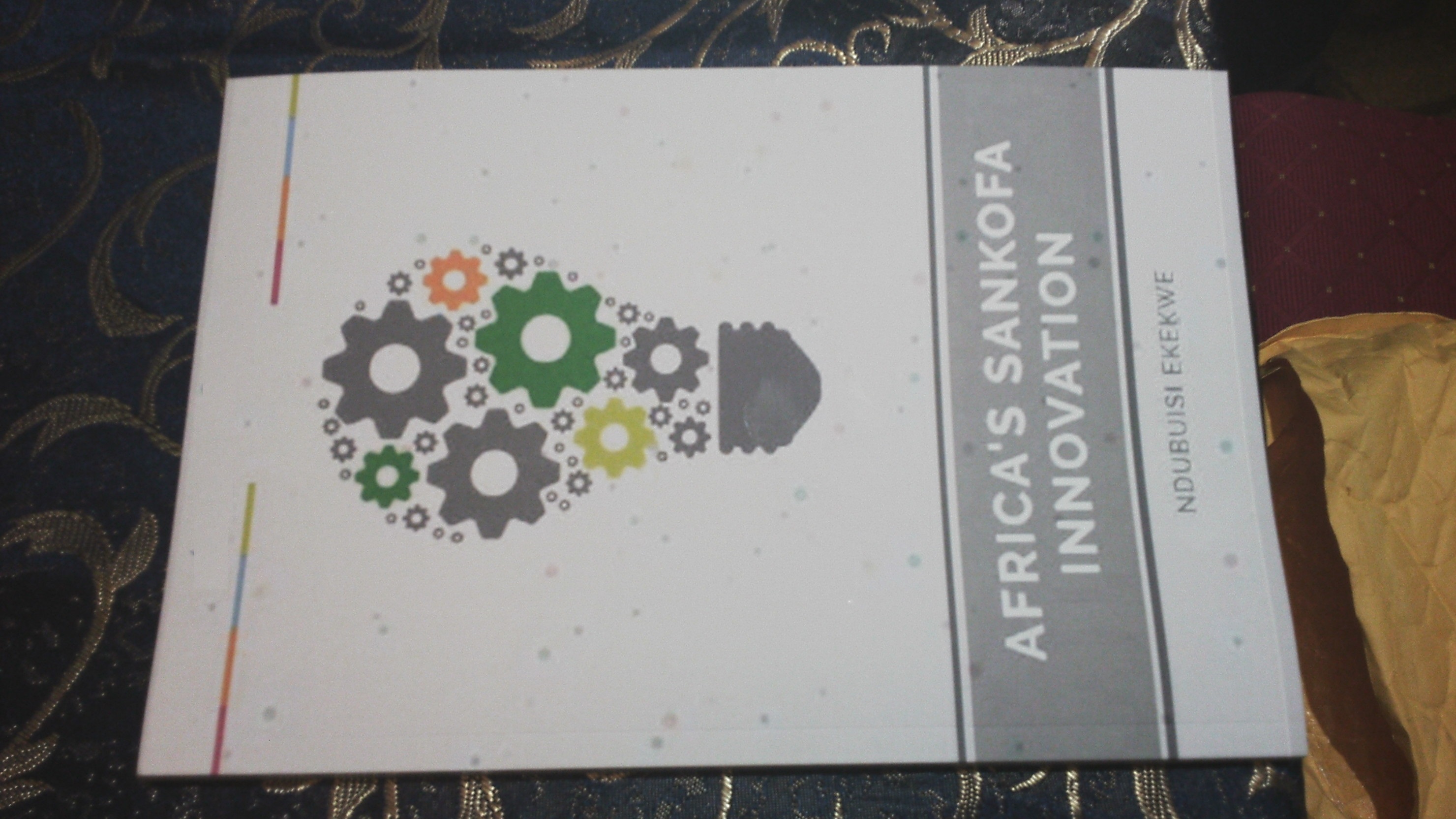
Read my book “Africa’s Sankofa Innovation” here.

Free for all Mini-MBA edition 2 participants