DD
MM
YYYY

PAGES

DD
MM
YYYY

spot_img

PAGES

Home Blog Page 533

FTC Probes Amazon and Google Over Ad Pricing Transparency

0

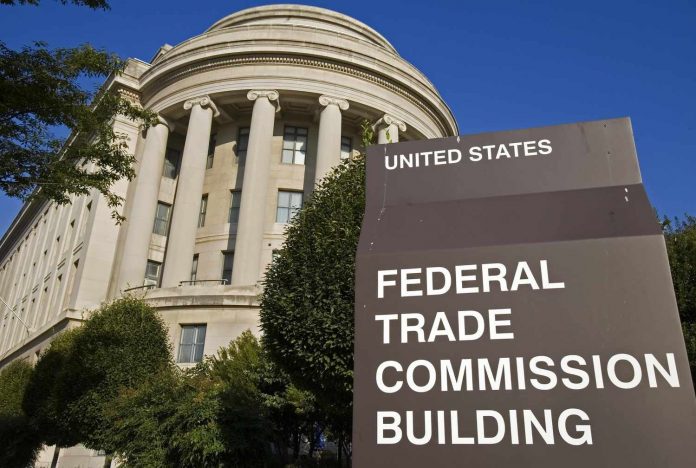
The U.S. Federal Trade Commission (FTC) has launched investigations into Amazon.com and Alphabet’s Google to determine whether the tech giants misled advertisers about the terms and pricing of ads placed on their platforms, a source familiar with the matter told Reuters on Friday.

The probes, led by the FTC’s consumer protection unit, center on whether the companies properly disclosed how their ad auctions work and the costs advertisers ultimately face.

At the heart of the FTC’s inquiry into Amazon is its use of advertising auctions, where businesses bid to have their products prominently displayed in search results and recommendation feeds. Regulators are specifically examining whether Amazon adequately disclosed its use of “reserve pricing” — a mechanism setting the minimum price advertisers must meet before winning ad placement.

Such practices, if not transparently communicated, could leave advertisers at a disadvantage, bidding against thresholds they were never made fully aware of.

Google, which dominates the global online ad market, is facing similar scrutiny. According to the source, the FTC is looking into the company’s internal pricing processes to assess whether it raised ad costs in ways that were not clearly disclosed to advertisers.

Meta’s parallel struggles

The FTC’s focus on Amazon and Google mirrors concerns raised in recent years over Meta’s ad business, which remains the second-largest in the world behind Google. Advertisers have long complained that Meta’s platforms — Facebook and Instagram — also operate with opaque pricing models, particularly in how costs are determined during bidding wars for placement in news feeds or Stories.

In 2020, reports surfaced that Meta failed to fully disclose certain limits in its ad metrics, leading to lawsuits from advertisers who argued they had been misled about reach and engagement. Although the company settled some of those disputes, the cases underscored how the entire digital ad ecosystem has been criticized for its lack of transparency.

Analysts say the new FTC probes suggest regulators are now broadening their lens beyond individual cases and targeting structural practices across the industry.

A broader backdrop of ad-tech dominance

The investigations mark the latest regulatory challenge for two companies that together account for the bulk of global digital ad spending. Both Amazon and Google have built multibillion-dollar businesses on digital advertising, with Amazon rapidly rising as the third-largest U.S. ad player behind Google and Meta.

Globally, Google remains the leader, generating more than $200 billion annually from search and YouTube ads. Amazon’s ad business, though smaller, has been growing faster, topping $46 billion in revenue in 2023.

Critics have long accused the companies of using opaque pricing models that leave advertisers guessing how much of their spending is actually going toward winning bids versus platform-controlled margins.

The FTC’s move echoes regulatory probes in Europe, where authorities have repeatedly pressed Google over its dominance in online ads and the lack of transparency in its auction systems. In 2021, French regulators fined Google €220 million for abusing its market position in ad-tech.

Amazon, meanwhile, has faced scrutiny over whether its retail platform gives preference to its own products and services in search and ad rankings — issues that overlap with how it structures advertising slots.

While the current FTC inquiries are preliminary, analysts say they highlight the agency’s growing focus on ad-tech practices as a core part of its consumer protection mandate.

If regulators determine that Amazon or Google misled advertisers, the companies could face fines or be forced to overhaul how they disclose ad pricing and auction mechanisms. That could ripple across the digital advertising industry, where pricing opacity has long been a source of frustration for small and mid-sized businesses trying to compete with larger advertisers.

The investigations, for now, put two of Silicon Valley’s most powerful companies under fresh scrutiny — at a time when their dominance in the ad business is already being challenged by rising competitors such as TikTok and retail media networks.


Britannica, Merriam-Webster Sue Perplexity in Escalating AI Copyright Battle

0

Perplexity, the AI web search startup positioning itself as a challenger to Google, has been pulled deeper into the legal storm surrounding artificial intelligence and intellectual property.

On September 10, Encyclopedia Britannica and its subsidiary Merriam-Webster filed a lawsuit in New York federal court accusing the company of copyright and trademark infringement, marking another high-profile case in the escalating clash between traditional publishers and AI platforms.

According to the complaint, Britannica claims that Perplexity’s “answer engine” systematically scrapes its websites, siphons away internet traffic, and reproduces copyrighted definitions and entries without authorization. The companies also accuse Perplexity of trademark misuse, alleging that their names are sometimes attached to hallucinated or incomplete content that could erode brand credibility.

The lawsuit highlights Perplexity’s definition of the word plagiarize as appearing identical to Merriam-Webster’s entry — a case in point, the publishers say, of outright copying.

Perplexity has long faced accusations of operating as a “bullshit machine” that reproduces original material without proper citations. The company is also accused of “stealth crawling,” a practice in which bots bypass website crawler blockers — a tactic some publishers say has become common across the AI sector.

The case is the latest in a string of legal challenges for Perplexity, which counts Amazon founder Jeff Bezos among its investors. It has already clashed with Forbes, The New York Times, and the BBC. News Corp, the parent company of The Wall Street Journal and New York Post, sued Perplexity in October 2024, alleging that the startup “masquerades theft as innovation.”

Yet not all publishers have taken an adversarial approach. Perplexity has rolled out an ad revenue sharing program that attracted Time magazine and the Los Angeles Times. In another sign of cooperation, the World History Encyclopedia joined the initiative and, on September 8, launched a Perplexity-powered AI chatbot to help users sift through its academic database.

How Perplexity’s Case Stacks Up

Perplexity’s legal battles are part of a broader wave of disputes between AI firms and content creators.

OpenAI, perhaps the most visible player, has faced lawsuits from The New York Times, book authors, and media groups alleging copyright violations. While some cases remain unresolved, OpenAI has sought to blunt criticism by signing licensing agreements with publishers like the Associated Press, Axel Springer, and People, Inc. — a strategy that offers a blueprint for industry-wide coexistence.

Anthropic, another major AI firm, recently agreed to a $1.5 billion settlement with book publishers. Analysts note that Anthropic’s decision to pay was less about conceding wrongdoing and more about preserving a favorable copyright ruling that recognized AI-generated outputs as derivative works, potentially shielded under fair use.

Compared with those giants, Perplexity’s exposure may be riskier. Unlike OpenAI and Anthropic, it lacks the same scale of partnerships or financial war chest, leaving it more vulnerable if courts rule against it. With multiple lawsuits pending, the startup’s reputation as an “answer engine” that shortcuts traditional search could either accelerate its growth — if settlements normalize licensing fees — or leave it buried under litigation costs.

What’s at Stake?

For Britannica and Merriam-Webster, the case is about more than lost clicks; it’s about the integrity of their brands in an era where AI can blur authorship. For Perplexity, it is a test of survival.

If the courts side with Britannica, it could force the company to abandon scraping practices and negotiate expensive licensing deals — a move that would strain a young firm still dependent on investor backing. If Perplexity secures a favorable outcome, however, it could embolden other AI challengers to expand aggressively without seeking publisher approval.

The lawsuit thus feeds into a larger question hanging over the industry: will AI companies and publishers resolve their tensions through the courts, through billion-dollar settlements, or through a new licensing ecosystem that forces reluctant actors into deals?

The Science Behind Lucky Charms and Rituals: How Psychological Comfort Items Actually Work

0

Human beings have relied on charms, rituals, and superstitious behaviors throughout history, across all cultures and societies. While some people might turn to modern forms of entertainment like brusbet for excitement, others find comfort in carrying special objects or performing specific routines before important events.

Lucky charm psychology reveals fascinating insights into how our minds work and why these seemingly irrational behaviors persist despite scientific advancement. Rather than dismissing these practices as mere superstition, researchers have discovered genuine psychological mechanisms that explain why rituals can actually improve performance and well-being.

The Psychological Mechanisms Behind Ritual Behavior

Ritual psychology research has identified several key mechanisms that explain why structured, repetitive behaviors provide genuine psychological benefits. These mechanisms operate independently of any supernatural beliefs, working through observable changes in brain activity, stress hormones, and cognitive performance.

Anxiety reduction represents one of the primary benefits of ritual behavior. When people perform familiar routines before stressful events, their nervous systems activate parasympathetic responses that counteract fight-or-flight stress reactions. This physiological calming effect occurs regardless of whether individuals believe their rituals have magical properties.

Control and agency feelings increase when people engage in ritualistic behaviors before uncertain situations. Performing specific actions creates a sense of personal influence over outcomes, even when objective control remains limited. This perceived control reduces helplessness and increases motivation to perform well in challenging circumstances.

Placebo Effects and Performance Enhancement

Confidence boost mechanisms through lucky charms operate similarly to placebo effects in medical research. When people believe they possess advantages through special objects or behaviors, their performance often improves through measurable psychological and physiological changes.

Self-efficacy theory explains how belief in personal capabilities influences actual performance outcomes. Lucky charms and rituals can enhance self-efficacy by providing external symbols of competence and preparation. This increased confidence translates into better focus, reduced performance anxiety, and greater persistence when facing difficulties.

Attention and concentration improvements occur when rituals help people transition from everyday mindsets into focused, performance-oriented states. Pre-performance rituals serve as psychological bridges that help individuals leave behind distractions and enter optimal mental states for specific tasks.

Mechanism How It Works Measurable Effects Real-World Applications
Anxiety Reduction Activates calming responses Lower cortisol levels Test-taking, public speaking
Confidence Boost Enhances self-efficacy beliefs Improved performance metrics Sports, job interviews
Focus Enhancement Creates mental state transitions Better attention scores Creative work, problem-solving
Control Perception Increases sense of agency Reduced helplessness feelings Uncertain situations, challenges

These mechanisms work together to create genuine performance improvements that justify continued use of lucky charms and rituals. The psychological benefits occur through well-understood processes rather than supernatural intervention.

Cultural Variations in Superstitious Practices

Cross-cultural superstition studies reveal both universal patterns and significant cultural variations in how different societies approach lucky charms and ritual behaviors. While the underlying psychological mechanisms remain consistent, the specific forms these practices take reflect cultural values, historical experiences, and social norms.

Western cultures often emphasize individual lucky objects like jewelry, clothing items, or personal possessions that provide private psychological support. These individual-focused practices reflect broader cultural values around personal responsibility and self-reliance in achieving success.

Eastern cultures frequently incorporate community-based rituals and group practices that emphasize collective harmony and shared responsibility for outcomes. These cultural differences demonstrate how the same psychological needs for control and confidence get expressed through different social frameworks and belief systems.

The Neuroscience of Superstitious Behavior

Brain imaging research on superstitious behavior reveals specific neural patterns that explain why these practices persist despite logical reasoning. The anterior cingulate cortex, which processes uncertainty and conflict, shows increased activity when people encounter unpredictable situations without their usual ritual supports.

Dopamine pathways in the brain respond to ritual completion similarly to how they respond to other rewarding activities. This neurochemical reinforcement helps explain why people develop strong attachments to specific routines and objects, creating positive feedback loops that strengthen superstitious behaviors over time.

Key psychological benefits of lucky charms and rituals:

  • Stress reduction through familiar routines that activate calming nervous system responses
  • Enhanced confidence from symbolic representations of personal power and preparation
  • Improved focus by creating mental boundaries between everyday concerns and performance tasks
  • Social connection through shared cultural practices that reinforce group identity and support
  • Emotional regulation during uncertain situations through perceived control and agency

These benefits explain why rational, educated people continue to rely on lucky charms and rituals. The psychological advantages occur through measurable mechanisms rather than magical thinking or supernatural intervention.

Practical Applications for Psychological Well-being

Therapeutic applications of ritual behavior have emerged in various mental health and performance contexts. Cognitive-behavioral therapy often incorporates structured routines to help clients manage anxiety, depression, and trauma responses through predictable, calming activities.

Sports psychology extensively utilizes pre-performance rituals to help athletes achieve optimal mental states. These evidence-based approaches focus on the psychological mechanisms behind ritual behavior rather than supernatural beliefs, creating effective interventions for performance enhancement.

Evidence-based ways to harness ritual benefits:

  • Develop consistent pre-performance routines that activate desired mental states for important tasks
  • Choose meaningful personal objects that symbolize competence and preparation for challenging situations
  • Practice mindfulness during ritual activities to maximize attention and emotional regulation benefits
  • Share positive ritual experiences with supportive communities to enhance social connection aspects
  • Focus on the psychological preparation aspects rather than supernatural belief components

These approaches allow people to gain the genuine benefits of rituals while maintaining scientific literacy. The key lies in understanding how these practices work through psychology rather than magic.

Embrace the Science of Personal Rituals

Lucky charms and rituals provide genuine psychological benefits through well-understood mechanisms involving confidence, focus, and emotional regulation. Rather than dismissing these practices as irrational superstition, we can appreciate how they serve important psychological functions that enhance performance and well-being.

Understanding the science behind these behaviors allows us to harness their benefits more effectively while maintaining critical thinking skills. Whether through personal lucky objects or meaningful routines, these psychological tools can provide valuable support for navigating life’s challenges and uncertainties.

Tekedia Mini-MBA Physical Graduation Event In Lagos

0

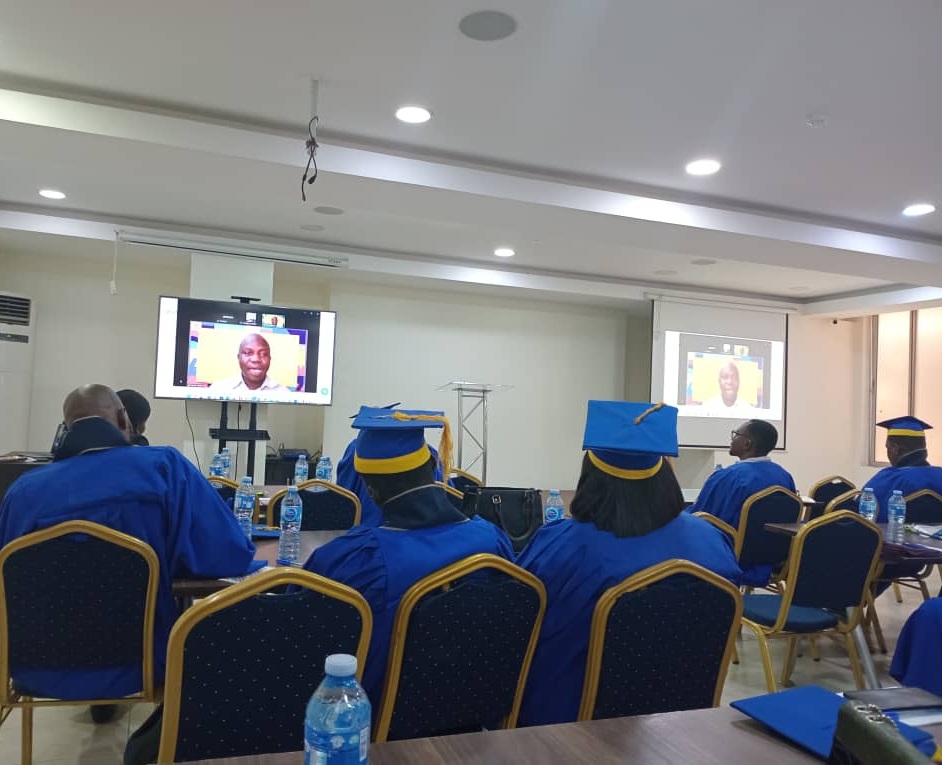
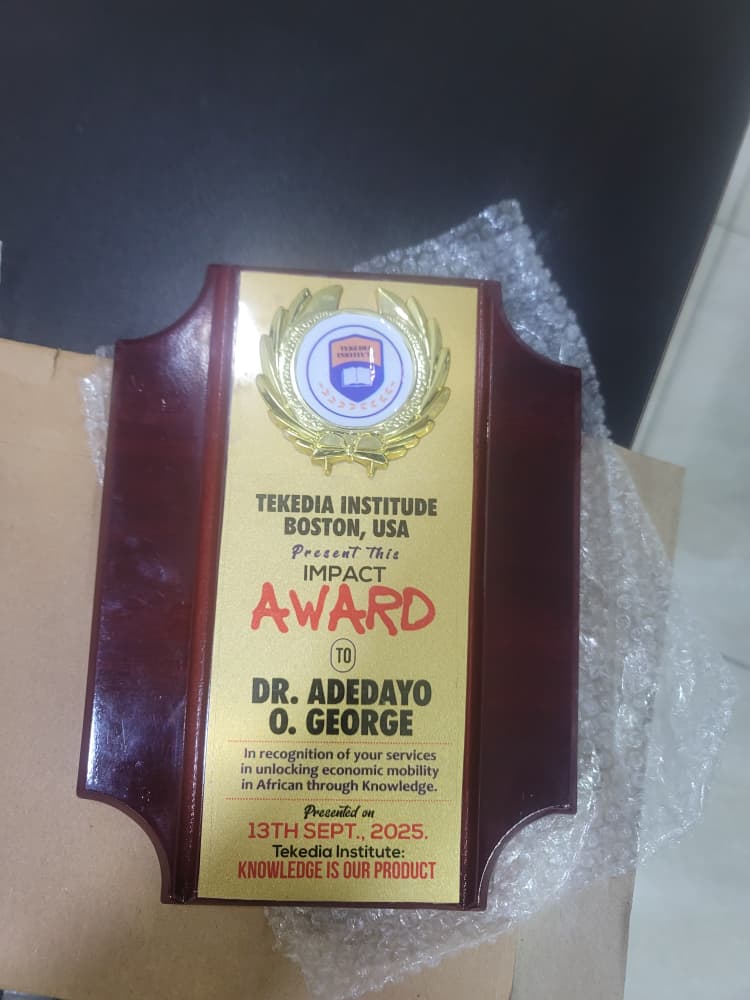
Let me begin by thanking our LOC who coordinated the physical graduation event of Tekedia Mini-MBA edition 17 in Lagos. Thank you Chigozie Egbon, Promise Oriabure, Segla Nayon Segla and Michael Balogun. I also thank our program manager, arguably the most competent operator in Nigeria today, Eyitayo Adeleke for his peerless execution on things.


In the modern digital landscape, where the majority of learning and networking occurs on a screen, the physical gathering can seem like an anachronism. However, the Tekedia Physical Graduation Event in Lagos stands as a powerful testament to the enduring significance of community, the reinforcement of shared purpose, and the critical need for a physical anchor in a world of digital fluidity. It is more than a ceremony; it is a symbolic moment in the evolution of African entrepreneurial capitalism. This convergence of co-learners, faculty, and industry leaders in Nigeria’s commercial hub represents a new tectonic shift, transforming theoretical knowledge into a tangible force ready to reshape the market ecosystem.

Tekedia Institute, with its digital-first model, has democratized access to world-class business education. The learners who participated in this program, having mastered the mechanics of market systems and the fundamental constructs of business management, come from a diverse pool of sectors and geographies. They are the new architects of African wealth, ready to fix market frictions and accelerate human welfare. While the digital classroom is the vehicle for knowledge transfer, the physical graduation is the moment of confirmation, where these intellectual assets are formally integrated into the national and continental economic fabric. It is here that the handshakes are real, the conversations are unfiltered, and the bonds of a shared intellectual journey are solidified.

The Lagos graduation ceremony is a clear signal that the value of knowledge is not confined to the virtual realm. It is a declaration that the ideas and strategies formulated over months of intensive learning are now ready for real-world deployment. These graduates, equipped with the tools of entrepreneurial execution—from fundraising to product strategy—are now prepared to build the next generation of category-king companies. The event serves as a critical networking platform, a space where the next great partnerships are formed, and where mentorship transcends the virtual class board. It is the moment the network effect of the Tekedia Institute is made manifest.

Today’s Tekedia Physical Graduation Event is a celebratory ritual and a strategic imperative, cementing the foundation for a new corps of leaders. These are the individuals who will drive innovation, create jobs, and build the future of our collective prosperity. They are now officially #ready2lead.

Good People, the knowledge of a people is the wealth of a people, and Africa’s future will be built. Enjoy the ceremony.

Shiba Inu’s 20x Rally Looks Strong, But Ozak AI’s 100x Forecast Steals the Show

0

Crypto investors are gearing up for the 2025 bull run, and Shiba Inu (SHIB) is once again at the center of speculation. At its current price of $0.000013, analysts believe SHIB could deliver a 20x rally if meme coin momentum returns in full force. Yet while SHIB’s potential is impressive, a new project—Ozak AI (OZ)—is quickly stealing the spotlight. With its Stage 5 presale priced at $0.01, Ozak AI has already raised over $2.8 million and sold more than 860 million tokens, positioning itself as a 2025 breakout contender with a projected 100x upside.

Shiba Inu’s Price Outlook 

Shiba Inu remains one of the most famous meme coins in the market, backed by a robust community and ecosystem trends like Shibarium, its layer-2 scaling solution. Analysts factor SHIB’s capacity to ride waves of social media hype as a key driving force at the back of its future growth ability.

From a technical viewpoint, SHIB faces resistance at $0.000015, $0.000018, and $0.000020, which it needs to clear to sustain a chief rally. On the drawback, support lies at $0.000012, $0.000010, and $0.000009, stages that would act as safety nets if the market pulls lower back. With those ranges in play, SHIB ought to realistically chart a path closer to 20x gains; however, its boom remains dependent on hype cycles as opposed to utility.

Youtube embed:

Why Ozak AI Stands Out

Unlike meme cash that thrives merely on hypothesis, Ozak AI is a utility-driven project constructed on Ethereum, designed to combine artificial intelligence with the blockchain era. Its environment gives predictive analytics, AI-pushed trading models, and real-time records insights—gear that could rework how traders and institutions navigate crypto markets.

Ozak AI’s architecture leverages Arbitrum Orbit for scalability and EigenLayer AVS for decentralized validation, ensuring both speed and security. This foundation positions Ozak AI not just as a token for speculation but as a platform with real-world applications, making it attractive for long-term adoption.

OZ Security, Listings, and Partnerships

Building investor trust has been a central part of Ozak AI’s strategy. The project has successfully passed both an internal audit and a CertiK audit, signaling strong security standards. It is already listed on CoinMarketCap and CoinGecko, giving it early visibility and credibility.

Additionally, Ozak AI has forged partnerships with projects such as Dex3 and Hive Intel, collaborations that extend its capabilities into trading data aggregation and on-chain intelligence. These partnerships not only strengthen its ecosystem but also provide long-term growth opportunities far beyond the presale hype.

Ozak AI Presale Momentum and 100x Forecast

At its Stage 5 OZ presale price of $0.01, Ozak AI has already raised over $2.8 million and sold 860M+ tokens, signaling strong market demand. Analysts predict a potential launch price of $1, representing a 100x ROI for early investors. This ROI projection far outpaces SHIB’s estimated 20x rally, making Ozak AI a standout in terms of risk-to-reward potential.


Shiba Inu may well deliver a 20x rally in the coming bull run, fueled by hype and community strength, but Ozak AI’s 100x forecast is capturing investor imagination. With audited security, key partnerships, and presale momentum already exceeding $2.8M raised, Ozak AI is more than just another presale—it’s a project with both utility and exponential upside. For investors seeking life-changing gains in 2025, Ozak AI could be the stronger play compared to SHIB’s meme-driven surge.

About Ozak AI

Ozak AI is a blockchain-based crypto project that provides an innovative platform that focuses on predictive AI and advanced data analytics for financial markets. Through machine learning algorithms and decentralized community technologies, Ozak AI enables real-time, accurate, and actionable insights to help crypto lovers and corporations make the perfect choices.


For more, visit

Website: https://ozak.ai/

Telegram: https://t.me/OzakAGI

Twitter: https://x.com/ozakagi