DD
MM
YYYY

PAGES

DD
MM
YYYY

spot_img

PAGES

Home Blog Page 541

U.S. Inflation Surprises on the Upside in August as Jobless Claims Jump, Complicating Fed Outlook

0

U.S. consumer prices rose faster than expected in August, while weekly jobless claims accelerated sharply, presenting the Federal Reserve with a mixed and politically sensitive economic picture just days before policymakers meet to decide the future path of interest rates.

The consumer price index (CPI) climbed 0.4% on a seasonally adjusted basis, double July’s increase, according to the Bureau of Labor Statistics. That lifted the annual inflation rate to 2.9%, a 0.2 percentage point rise from the prior month and the highest reading since January. Economists surveyed by Dow Jones had expected a slightly softer 0.3% monthly increase, with the year-on-year figure landing exactly at 2.9%.

The closely watched core CPI, which strips out food and energy, rose 0.3% on the month, in line with expectations. On a 12-month basis, core inflation held at 3.1%, still above the Fed’s 2% target. Central bankers generally consider the core index a more reliable gauge of long-term inflation trends.

Labor Market Weakness Emerges

On the employment front, the Labor Department reported a surprise increase in weekly jobless claims. New filings for unemployment benefits jumped to 263,000 in the week ending Sept. 6, well above the 235,000 estimate and up 27,000 from the previous period.

The data reinforced signs of labor market cooling in recent months, with several measures — including job openings and hiring activity — trending downward. The Fed has been balancing the need to keep inflation in check while preventing further cracks from appearing in the job market.

Inflation Drivers

Within the CPI, the largest upward push came from shelter costs, which rose 0.4% and account for nearly one-third of the overall index. Food prices climbed 0.5%, while energy rose 0.7%, driven by a 1.9% increase in gasoline.

Tariff-sensitive sectors also registered higher prices: new vehicles rose 0.3%, while used cars and trucks — generally not affected by tariffs — gained 1%.

The results arrived as the Bureau of Labor Statistics separately reported that producer prices slipped 0.1% in August, suggesting some relief in the pipeline for future consumer price pressures.

Fed’s Next Move

Markets are fully pricing in a rate cut next week, with investors assigning a 100% probability that the Fed will lower its benchmark federal funds rate from the current 4.25%–4.5% range.

However, the size of the cut is now being closely debated. While the Fed has typically moved in quarter-point increments, traders see a slight chance that policymakers could opt for a larger half-point reduction, given signs of labor market weakness and relatively tame inflation readings over the summer.

The meeting, set to conclude on Sept. 17, is likely to be one of the most consequential of the year, balancing the Fed’s dual mandate of price stability and maximum employment against the backdrop of President Donald Trump’s tariffs, which have added complexity to inflation dynamics. Fed officials have acknowledged that while tariffs have created “visible pass-through” effects, inflation overall has remained more contained than some had feared.

The August inflation and unemployment reports represent the final major data inputs before the Fed convenes. They also feed into a wider debate about the durability of U.S. economic resilience.

After a year of relative stability in prices, the uptick in CPI, combined with rising unemployment claims, underscores the fragile balance between growth and stability. For Trump, who has championed tariffs as a tool to bolster U.S. industry, the numbers come as evidence of the economic trade-offs his policies continue to generate.
GTCR Clinches $4.8bn Deal to Acquire Zentiva from Advent International

0

Private equity heavyweight GTCR has agreed to acquire Czech generic drugmaker Zentiva from Advent International in a deal worth €4.1 billion ($4.8 billion), the Financial Times reported Wednesday, citing sources close to the matter.

The transaction, which has reportedly been finalized and is expected to be announced within days, represents one of the largest European healthcare buyouts of 2025.

Zentiva manufactures a wide portfolio of generic and over-the-counter drugs and has steadily grown into a major player in Europe’s pharmaceutical landscape. The company now operates in more than 30 countries and employs over 5,000 staff, according to its website.

Founded in Prague, Zentiva was acquired by Advent from French pharmaceutical giant Sanofi in 2018 for €1.9 billion, a price that now looks modest given the company’s expansion and rising valuation. Under Advent’s ownership, Zentiva invested heavily in production capacity and geographic diversification, strengthening its position across Central and Eastern Europe while making inroads into Western Europe.

A Competitive Sale Process

The sale attracted significant global interest. India’s Economic Times reported last month that Aurobindo Pharma, one of India’s largest generics manufacturers, had been leading the race to acquire Zentiva with an offer reportedly valued at up to $5.5 billion. Other bidders were also said to have been in the mix, highlighting the strategic importance of generic drugmakers at a time when healthcare costs are under pressure and demand for affordable medicines is surging worldwide.

GTCR’s victory underscores private equity’s growing appetite for healthcare deals, particularly in the generics space, where margins are slim but opportunities for consolidation and scale are plentiful.

For GTCR, the deal represents a significant bet on the resilience of the generic drugs market, which benefits from strong long-term demand drivers such as aging populations, patent expirations of branded drugs, and government initiatives to reduce healthcare costs. Unlike biotech or branded pharma investments, which are subject to high R&D risk, generic drugmakers like Zentiva generate steady cash flows from established products, making them attractive private equity targets.

The timing also reflects wider momentum in healthcare M&A. Private equity firms have been circling European generics manufacturers amid a broader wave of consolidation, as firms seek to build pan-European platforms capable of competing with global giants such as Teva, Sandoz, and Viatris.

How It Stacks Up Globally

The GTCR-Zentiva deal is notable not just for its size but also for how it compares with other recent private equity moves in European healthcare. Rival buyout houses have been equally aggressive:

  • EQT recently boosted its healthcare portfolio by backing German generics producer Stada, signaling continued interest in building scale in Europe.
  • Carlyle has been active in specialty pharma and medtech, snapping up stakes in companies with strong recurring revenues.
  • Meanwhile, Bain Capital and Cinven jointly acquired Lonza’s specialty ingredients unit for over $4 billion, underscoring the appetite for large-scale European healthcare assets.

Against this backdrop, GTCR’s acquisition of Zentiva aligns with a pattern: large private equity funds betting on healthcare subsectors that promise stability amid economic volatility. Generics, in particular, have become a magnet for investors given their central role in lowering healthcare costs worldwide.

Once finalized, the transaction will mark a lucrative exit for Advent International, which more than doubled its original investment in just seven years. For GTCR, the challenge will be to maintain Zentiva’s growth trajectory while navigating an increasingly competitive generics market, where pricing pressure and regulatory scrutiny are persistent concerns.

Industry analysts suggest GTCR may pursue bolt-on acquisitions to expand Zentiva’s portfolio and geographic footprint further, while also investing in supply chain efficiency and digital transformation to defend margins.

If confirmed, the sale could reshape the competitive dynamics of Europe’s generics sector and signal a renewed wave of private equity-driven consolidation in healthcare — one increasingly defined by billion-dollar bets on affordable medicines.

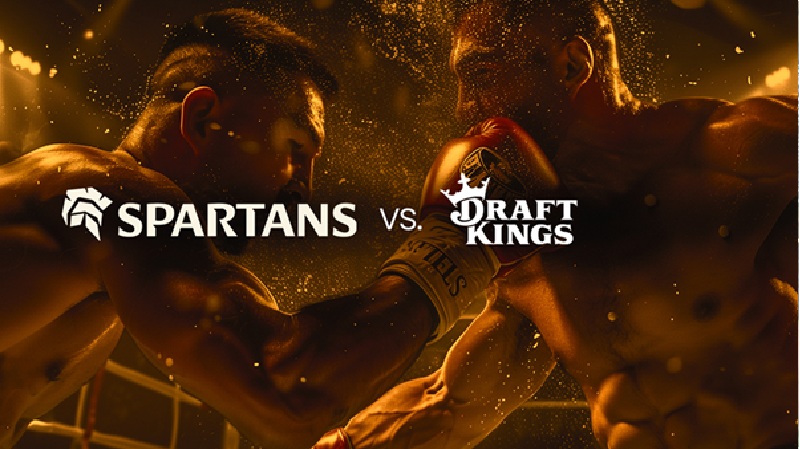
Crypto Betting and 5963+ Games Put Spartans Ahead While DraftKings and Caesars Concentrate on NFL Promotions

0

Sports betting operators are entering September 2025 with unique strategies aimed at expanding their audiences. DraftKings has rolled out updated promos tied to the NFL season, while Caesars Sportsbook has gained traction through football-driven campaigns. Both brands are using incentives designed to align with fan activity during a key period of the sports calendar.

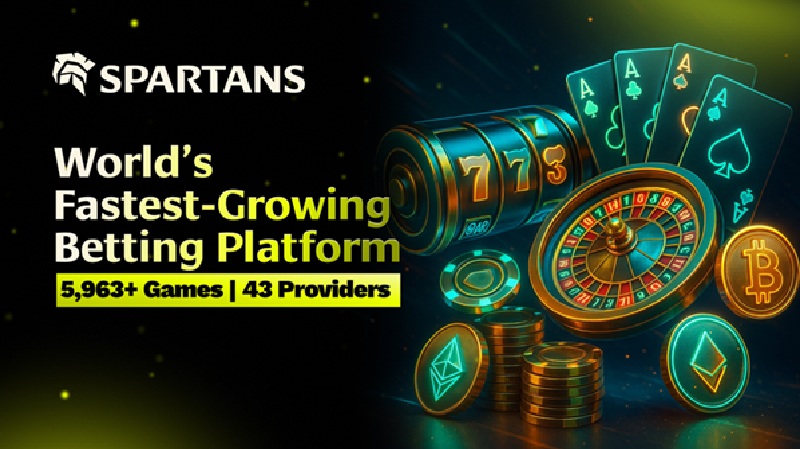
Spartans, in contrast, continues to scale by using crypto-only deposits, instant withdrawals, and a wide library of 5963+ games. By setting itself as a digital-first sportsbook and casino platform, Spartans appeals to users who want both speed and variety. With clear rules on promos and one account across products, the platform is building an alternative model where global access and decentralized payments lead adoption.

DraftKings Adds NFL Promotions for 2025 Season

DraftKings has raised visibility with a $300 bonus and a $200 NFL Sunday Ticket discount for new players. This pairing delivers direct value to football fans joining the platform as the season begins. DraftKings ties these incentives to live games, keeping bettors engaged while lowering upfront costs.

The operator uses the NFL season to its advantage, knowing that user activity reaches its peak in September. By combining streaming discounts with betting rewards, it highlights a model built on merging entertainment with wagering.

DraftKings also matches promotional cycles with seasonal events. NFL campaigns are part of its wider growth in regulated U.S. markets, where custom offers are a core requirement. Through bundling sign-up rewards with added discounts, DraftKings shows a steady effort to balance entertainment, regulation, and user demand across channels.

Caesars Sportsbook Builds Engagement With NFL Promotions

Caesars Sportsbook has launched a “Bet $1, Double Winnings 20x” deal for NFL Week 1, letting users multiply payouts at low cost. The simple setup has drawn interest by giving immediate benefits without large entry barriers. Caesars Sportsbook maintains clarity, which helps attract casual bettors and lift engagement levels.

The platform also takes advantage of football’s weekly pace to create consistent user activity. By tying offers directly to NFL games, Caesars captures bettors seeking weekly bonuses with defined outcomes.

Caesars Sportsbook further strengthens growth by linking promotions with state-level market rollouts. By pairing football specials with new betting access, Caesars combines compliance with visibility. Its approach stays clear: keep betting affordable at the entry level, scale promotions around popular sports, and secure brand reach across U.S. states through regular NFL campaigns.

Spartans Brings Casino and Sports Together Under One Wallet

Spartans combines casino and sportsbook funds in one account, removing extra steps. Players can move from 5963+ games to live football betting without shifting balances. Bonuses are shown upfront, including a 300% welcome up to $200 and a 25% daily deposit reward. This setup saves time and builds trust by showing clear rules.

Live betting features keep pace with real action. Odds changes appear before confirmation, and slips refresh right away. This fast response is vital in close matches, making sure users stay updated. Crypto withdrawals process in minutes, giving the same speed as casino cash-outs. It proves that Spartans values quick service as much as choice.

Promotions are defined by clarity. Caps and rollover rules are displayed before play, avoiding hidden details. With deposits starting at just $5, access stays open to many users. The system avoids confusion, keeping rewards practical while promoting simple and fair play.

Sports coverage reaches from major events like football and basketball to smaller markets. With 43+ providers keeping the casino library active, Spartans matches sportsbook growth with ongoing variety. Daily rewards like the 25% bonus drive engagement, while the $200 welcome offer supports new users. The single-wallet approach makes Spartans stand out against older sportsbooks in 2025.

Closing Comparison

All three top online sportsbooks mentioned above keep improving in 2025. DraftKings builds momentum with NFL-focused promos and streaming extras, while Caesars Sportsbook strengthens with clear football offers. Both brands focus on affordable entry and regulated growth to compete in the expanding U.S. betting market.

Spartans crypto games, however, keeps adding users daily with crypto payments, instant withdrawals, and thousands of games under one account. While DraftKings and Caesars Sportsbook hold strong positions in regulated markets, Spartans shows how decentralized platforms can bring both speed and scale in ways traditional operators are only beginning to match.

Find Out More About Spartans:

Website: https://spartans.com/

Instagram: https://www.instagram.com/spartans/

Twitter/X: https://x.com/SpartansBet

YouTube: https://www.youtube.com/@SpartansBet


Perplexity Raises $200 Million at $20 Billion Valuation After Chrome Bid

0

AI startup Perplexity has secured commitments from investors for $200 million in new funding at a $20 billion valuation, The Information reported Wednesday, citing a person with knowledge of the matter.

The funding underscores increasing market appetite for artificial intelligence ventures amid intensifying competition in the sector.

The raise comes on the heels of Perplexity’s audacious move in August, when it made an unsolicited $34.5 billion all-cash bid for Alphabet’s Chrome browser. Chrome, with more than three billion global users, is the most widely used browser in the world. Though the offer far exceeded Perplexity’s own valuation and was unlikely to succeed, it showcased the startup’s ambition to disrupt a foundational layer of the internet and position itself against rivals like OpenAI, which is developing its own AI-native browser.

Perplexity’s flagship product, the Comet browser, integrates AI to perform tasks on users’ behalf — a pitch that could redefine online browsing. The company, led by Aravind Srinivas, counts Nvidia among its backers and has framed its mission as creating the next generation of intelligent search and navigation.

Market Disruption and Scale

If Perplexity leverages its $200 million raise effectively, analysts suggest it could accelerate the development of Comet and expand its user base globally. Success here would allow it to erode the dominance of traditional browsers by offering a more personalized, task-driven experience. In this scenario, the Chrome bid — even though it failed — may be remembered as a pivotal statement of intent, marking Perplexity as the startup bold enough to challenge entrenched incumbents.

Nvidia’s involvement could also give Perplexity preferred access to advanced chips, ensuring it keeps pace with larger rivals. If user adoption grows quickly, Perplexity could evolve from a niche challenger to a central player in the AI-browser space, potentially reshaping how billions of people interact with the internet.

Overreach and Stiff Competition

The risks, however, remain substantial. Competing head-on with platforms like Chrome, which is embedded into daily digital life, could prove insurmountable. If Perplexity fails to attract users at scale, its AI-first browser may be reduced to a novelty, struggling to monetize or justify its lofty $20 billion valuation.

The Chrome bid, while headline-grabbing, could also backfire if investors come to see it as an act of overreach rather than vision. Meanwhile, rivals such as OpenAI — with its own AI browser ambitions — and Microsoft, which has embedded AI features into Edge, are better resourced and deeply integrated into existing ecosystems.

A stalled growth trajectory could push Perplexity toward a down round or force it into acquisition talks, reducing its chances of establishing itself as an independent, enduring force.

However, what is clear is that Perplexity’s trajectory is riling up interest. The $200 million infusion gives it fresh resources to push ahead, but also raises expectations for performance at scale. Analysts say the next two years will be decisive in determining whether the company’s Comet browser can break through the dominance of Chrome and other incumbents.

Currently, Perplexity has positioned itself as one of the few startups willing to publicly test the limits of Big Tech’s dominance. The question is whether its bold bets will turn into lasting breakthroughs — or cautionary tales of ambition that ran too far ahead of reality.

Geregu Power Forecasts N12.1bn Q4 Profit, Eyes Strongest Year Yet Amid Revenue Growth

0

Geregu Power Plc has projected a post-tax profit of N12.1 billion for the fourth quarter of 2025, a slight uptick from its N11.7 billion forecast for Q3, which is yet to be released.

The projection, filed with the Nigerian Exchange and signed by the company’s CEO and CFO, signals confidence that the power firm will close the year with its strongest earnings yet.

If realized, the estimate would bring Geregu’s full-year 2025 post-tax profit to about N44 billion or more, assuming quarterly results match expectations.

The trajectory is shaped by a mixed but resilient performance over the first three quarters. In Q1, the company projected N11.3 billion with an EPS of N4.5, but delivered slightly lower at N10.4 billion and EPS of N4.17. Q2 projections were beaten, with the company estimating N8.6 billion in profit but delivering N9.7 billion and EPS of N3.9. Analysts believe Q3’s projected N11.7 billion profit is within reach, pending official results.

Revenue Surge in Q2 a Turning Point

A major driver of Geregu’s strong outlook has been its revenue base. In Q2 2025, revenue jumped to N55.8 billion from N30.2 billion a year earlier. Energy sales contributed N35.8 billion, while capacity charges added N19.9 billion.

After accounting for N32.1 billion in cost of sales, gross profit climbed to N23.7 billion, representing an 81.8% rise from the N13 billion reported in Q2 2024.

By contrast, Q1 saw weaker top-line performance, with revenue slipping to N31.7 billion from N50.4 billion in the same period of 2024. Energy sales of N20.8 billion still outpaced capacity charges of N10.8 billion, while the cost of sales eased to N19.7 billion compared to N22 billion the year before, leaving a gross profit of N12 billion.

The rebound in Q2 reflected a healthier top-line trend, and the Q4 forecast suggests Geregu expects this momentum to carry through to year-end.

Operational Health Sustains Bottom Line

Geregu’s profitability has also been underpinned by its operational health. In Q2, operating profit rose 73.7% to N15 billion from N8.6 billion a year earlier. Rising operating expenses, including impairment losses on financial assets, which climbed to N6 billion from N2 billion, were offset by strong earnings from core operations. This allowed the company to stay profitable despite a net finance cost of N1.7 billion.

In Q1, operating profit was N14.6 billion, down from N21.7 billion in 2024. However, impairment losses reversed dramatically, turning a N3.9 billion loss in Q1 2024 into a profit of N5.2 billion. Administrative expenses inched up modestly from N2.1 billion to N2.5 billion, signaling tight cost control.

This balance between revenue growth and expense management points to a business model that has proven adaptable in a volatile power sector environment.

Comparative Industry Context

Unlike several players in Nigeria’s power sector that remain weighed down by mounting receivables and weak collections, Geregu has consistently signaled stronger balance sheet discipline. Its performance contrasts with the broader industry trend, where profitability is often hampered by regulatory bottlenecks, gas supply issues, and inefficiencies in transmission.

Analysts note that Geregu’s emphasis on energy sales as the dominant revenue source — as opposed to overreliance on capacity charges — strengthens its cash flow prospects. For comparison, many of Nigeria’s power generation companies have been more exposed to capacity payments that are often delayed by systemic liquidity challenges in the electricity market.

Experts also point to Geregu’s habit of issuing clear quarterly forecasts — and disclosing when actuals fall short or exceed estimates — as a distinguishing feature in Nigeria’s capital market. Even when projections are narrowly missed, such as in Q1, the consistency in guidance is viewed as a sign of transparency that could boost investor confidence.

In a sector where listed power firms often face skepticism over reporting delays and opaque financial disclosures, Geregu’s approach positions it as one of the more dependable power firms on the NGX. Analysts believe this practice could help attract greater institutional investor interest, particularly as Nigeria’s electricity market undergoes reforms aimed at increasing private capital participation.

Outlook

With Q4 profit projected at N12.1 billion, the company appears poised to post its best annual results since listing. Sustained profitability, however, will hinge on maintaining top-line growth, managing impairment risks, and navigating sector-wide challenges in receivables recovery and gas supply costs.

Still, Geregu’s projections place it among the more resilient and better-capitalized players in the Nigerian power space, offering a rare bright spot in a sector still struggling to stabilize.