DD
MM
YYYY

PAGES

DD
MM
YYYY

spot_img

PAGES

Home Blog Page 5425

Two critical startup skills for founders

0

There have been men and women who successfully managed established businesses and brands, and yet when they decided to start up a business, they did not go far. There are also people who have started up a business from zero and grown it perhaps to $500,000 in revenue per annum but could not take it beyond that level.

Do you want to know why this is? Simple. It requires a completely different skill set to start up a business and takes it from zero revenue to hundreds of thousands in revenues. It also takes another set of skills to take it from that stage to a multi-million dollar revenue company. This is why you see some founders grow the business to a point and then step aside to let some other people take the business to the next level as CEO.

At the very beginning of the business, from the pre-launch stage, you need entrepreneurial leadership to move the business up to the point where it could be generating hundreds of thousands of dollars in revenue. At the next stage, it requires managerial leadership to move the business to a multi-million dollar company, and if the business has to get to the point of being listed in an exchange, it requires corporate leadership for that stage. Of course, intensive personal development could lead one person to have all of them, but it is not often we find such people.

In subsequent posts, I will talk about the skills needed for the growth stage of a startup but today, let’s look at two critical skills a startup entrepreneur needs to have.

Creating the product

At the very start of the business, all you have is an idea, and maybe a strong conviction that it can solve a problem or series of problems. The onus is on you to build or create a product from that idea, and you need to have the skillset for it. You should be able to create, modify, and continuously tweak the product until you get what the market needs.

This is a skill that not everyone may have. Some persons may be good at driving growth in sales, but not so good at creating it. Some others may spend months on the drawing board planning and replanning but unable to create an acceptable product. As a startup entrepreneur, product development is a key skill for you to possess. The presence of a product/solution is equivalent to an official announcement that the business has started.

Engaging and on-boarding initial adopters

Another skill that is critical for the entrepreneur at the startup stage is the ability to engage and onboard early adopters of your idea or product. This could include partners, investors, friends, and family, your first 100 or more customers, etc. This skill is different from that of moving the products into the hands of hundreds of thousands of customers.

At this stage, you are dealing with a small customer base. This is more like the point where you have to convince the first set of persons that the product is worth trying out. You may not have a huge capital to fund massive marketing at this point, so a lot of it will depend on your personal communication, networking, and marketing skills.

Once you have gone past this stage, the next skill set needed is for the growth stage of the business. We will talk about that in a subsequent post.
US Consumer Financial Protection Bureau Launches Investigation into Buy Now Pay Later Program

10

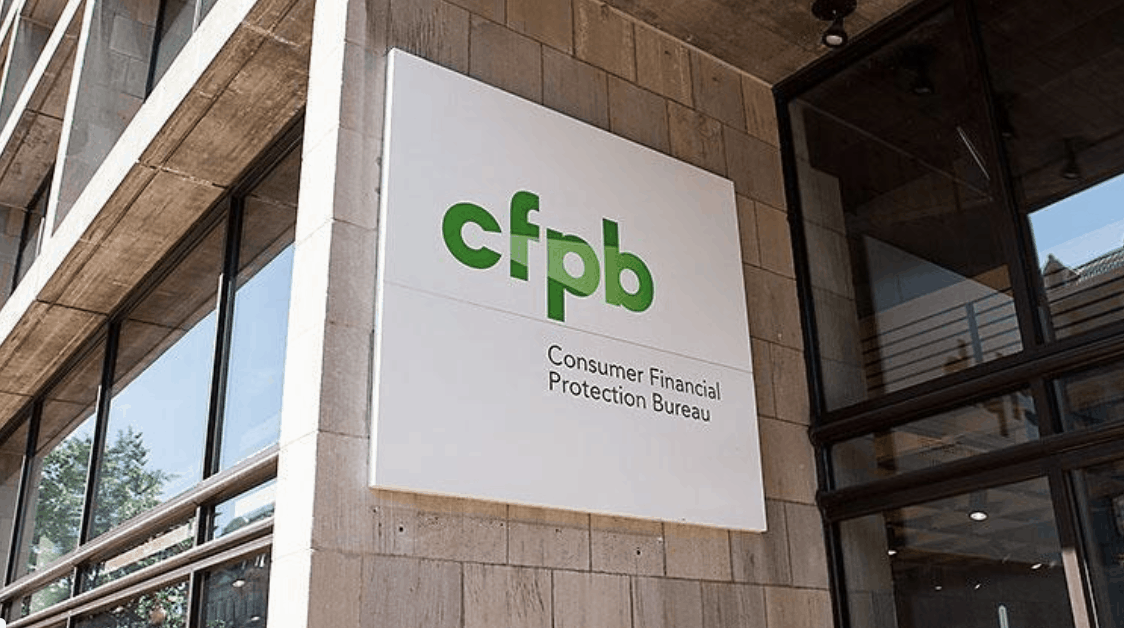
Emerging Buy Now Pay Later (BNPL) market, which is becoming widely adopted, is about to take a hit. The Consumer Financial Protection Bureau (CFPB) said Thursday it is opening an inquiry into its popular programs.

The financial watchdog said it is particularly concerned about how BNPL impacts consumer debt accumulation, as well as what consumer protection laws apply and how the payment providers harvest data.

“Buy now, pay later is the new version of the old layaway plan, but with modern, faster twists where the consumer gets the product immediately but gets the debt immediately, too,” CFPB Director Rohit Chopra said in a statement.

“We have ordered Affirm, Afterpay, Klarna, PayPal and Zip to submit information so that we can report to the public about industry practices and risks.” The findings from this inquiry will be published later, the CFPB said.

The move comes a day after six Democratic US senators on the Committee on Banking, Housing, and Urban Affairs, including Elizabeth Warren, wrote a letter to the CFPB, urging it to look into potentially abusive practices in the industry.

“While the emergence of BNPL as affordable small-dollar credit has potentially provided an alternative to more costly forms of credit, these products also have the potential to cause consumer harm,” the senators wrote.

“Nonbank BNPL providers currently operate without meaningful oversight. They are not generally subject to federal supervision that can spot unfair, deceptive, or abusive practices or other violations of federal consumer protection laws,” the senators added, noting that “consumers may be unaware of these regulatory gaps and may be erroneously led to believe that credit obtained from a BNPL provider comes with protections that are similar to those for credit cards.”

BNPL programs came to life following the outbreak of COVID-19 and have been spurred by a surge in online shopping, largely created by the shift to digital life.

BNPL firms have seen record growth buoyed by the trend. Affirm shares have nearly doubled from their initial public offering price. The company announced a deal with Amazon in August. And Klarna has become one of the world’s most valuable privately held startups with a recent valuation of $45.7 billion.

However, the watchdog is worried that installment buying could encourage consumers to spend more than they can afford and juggling multiple payment plans can be harder to keep track of.

This year’s Black Friday and Cyber Monday shopping weekend “saw massive growth in BNPL,” the CFPB said.

Following the announcement, Affirm’s shares closed down 11% on Thursday. Australian companies Afterpay, Zip and Sezzle dropped 8%, 6% and 10% on Friday, respectively.

Affirm, Afterpay, Klarna, PayPal and Zip have until March 1, 2022, to gather detailed information about consumers’ shopping behavior, fees, loan performance, users’ demographics, data collection and other elements of their business models, according to the CFPB edict.

This is coming at a time when the U.K. government is also planning to introduce BNPL regulations. Part of the regulator’s aim is to put the companies under the auspices of the Financial Conduct Authority, which regulates financial services firms. The legislative research, which is expected to end Jan. 6, is being handled by the Britain Treasury Department with the help of BNPL companies.

Some of the companies who responded to the CFPB’s investigation said they welcome the move.

A spokesperson for Klarna told CNN Business that “we believe proportionate regulation is a good thing and set the standard by providing consumers with an interest free, fair and sustainable alternative to credit cards.”

“Through this process, we believe those benefits will be made abundantly clear and will continue our work with regulators to inform them about how our products are structured, used, and benefit both consumers and retailers,” the Klarna spokesperson added.

Zip said in a statement Thursday night that it “has always believed in transparency and we welcome the opportunity to continue sharing insights with the CFPB’s research and markets division. We have a shared mission to prioritize consumer financial wellbeing and as such we applaud the CFPB’s dedication to consumer protection.”

It added that the company “already abides by a number of federal and state regulations and we will continue to prioritize regulatory compliance as we create consumer-friendly products and services.”

TikTok Is Launching Delivery-Only Restaurants Across the US in March

0
The brand is growing

TikTok has found a new way food creators can receive orders for meals they shared on its platform. TechCrunch reports that the short-form video social media app is preparing to launch a new service that will turn its viral food videos into meals you can actually order and enjoy.

Bloomberg had earlier reported that the new idea will be executed in partnership with Virtual Dining Concepts, who will help to launch “TikTok Kitchen”-branded delivery-only restaurants across the United States next year.

The report says menu at the restaurants will draw upon the most popular viral food posts on TikTok, which people can then have delivered to their door, and the two companies plan to launch around 300 locations that will start delivering dishes in March, with plans to open more than 1,000 restaurants by the end of next year.

It also said that the initial menu will include top TikTok viral dishes like baked feta pasta, a smash burger, corn ribs and pasta chips. The baked feta, in particular, gained incredible traction in 2021 as Google reported it was the most-searched dish of the year after it gained immense popularity on TikTok. Going forward, the menu at the locations will be amended quarterly with new dishes that have started to go viral.

TikTok confirmed to TechCrunch that creators will be receiving credit for dishes within the menu and will be featured prominently throughout the partnership.

“Proceeds from TikTok Kitchen sales will go to both support the creators who inspired the menu item and to encourage and assist other creators to express themselves on the platform in keeping with TikTok’s mission to inspire creativity and bring joy to its users,” TikTok said.

But the company made it clear that the idea was more of a campaign to bring TikTok food to fans, and not TikTok’s venturing into the restaurant business. That means the company likely sees this as more of a marketing effort, rather than a long-term business, TechCrunch noted, adding that TikTok didn’t say how long this “campaign” will run, or provide other details about the ordering process, or how the menu items will be selected and refreshed.

The TikTok boom was spurred by the company’s ability to promote the contents of users on its platform. The Virtual Dining Concepts partnership targeting food vendors is the latest.

“TikTok is widely known for popular food trends and is home to many viral recipes that are often reshared on other social media platforms such as Twitter, Instagram and Facebook. The short-form video app’s latest partnership indicates that the company is looking to take advantage of this popularity to raise the profile of its brand and those of its creators who are fueling the food content on its app,” the report said.

Virtual Dining Concepts becomes TikTok’s ideal partner in promoting this idea because of its record in the virtual restaurant business since it was founded in 2018.

Virtual Dining Concepts runs several delivery-only ghost restaurants and has partnered with many notable individuals, including YouTube celebrity MrBeast (who runs his own virtual restaurant business, MrBeast Burger), Guy Fieri, Steve Harvey, Mariah Carey, Tyga and others. The company also has a partnership with Barstool Sports.

The offense of dangerous driving

1

The offense of dangerous driving.

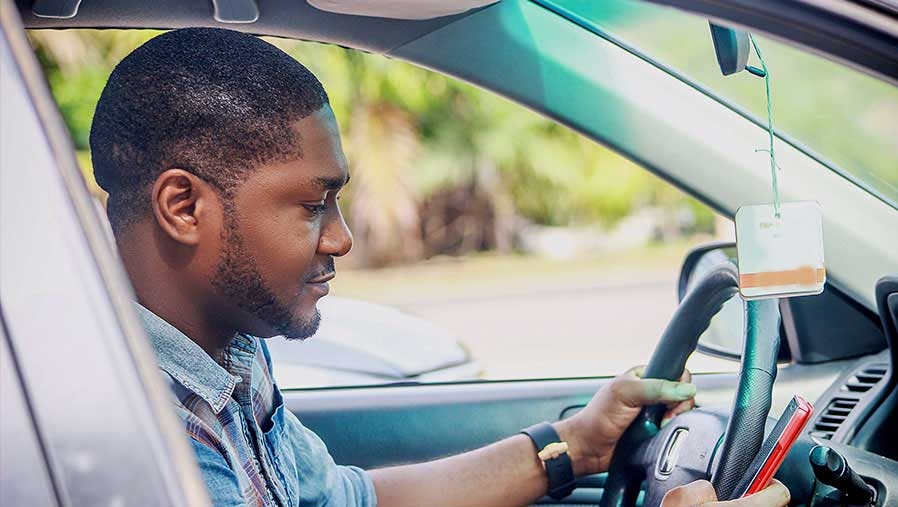
It’s Yuletide. The time of the year where most people engage on road trips to their different destinations. Motorists tend to drive with total disregard to road signs, over speeding and driving recklessly.

It is the writer’s advice that even as you embark on your road trips for the holidays bear it in mind it is an offense, a serious offense in Nigeria to drive recklessly and cause the death of another person or drive at a speed or manner which is dangerous to the public.  This offense carries the punishment of not less than 7 years jail term for the offender.

This is the provisions of section 5 of the Federal Highway Act. This provision will be reproduced here for your perusal:

Any person who causes the death of another person by the driving of a motor vehicle on a Federal highway recklessly, or at a speed or in a manner which is dangerous to the public, having regard to all the circumstances of the case, including the nature, condition and use of the Federal highway, and the amount of traffic which is actually at the time, or which might reasonably be expected to be, on the Federal highway, shall be guilty of an offence and liable on conviction to imprisonment for a term of seven years.

It’s better to drive carefully and resist the urge to over speed so you don’t become an offender with seven years jail time waiting for you.