DD
MM
YYYY

PAGES

DD
MM
YYYY

spot_img

PAGES

Home Blog Page 5552

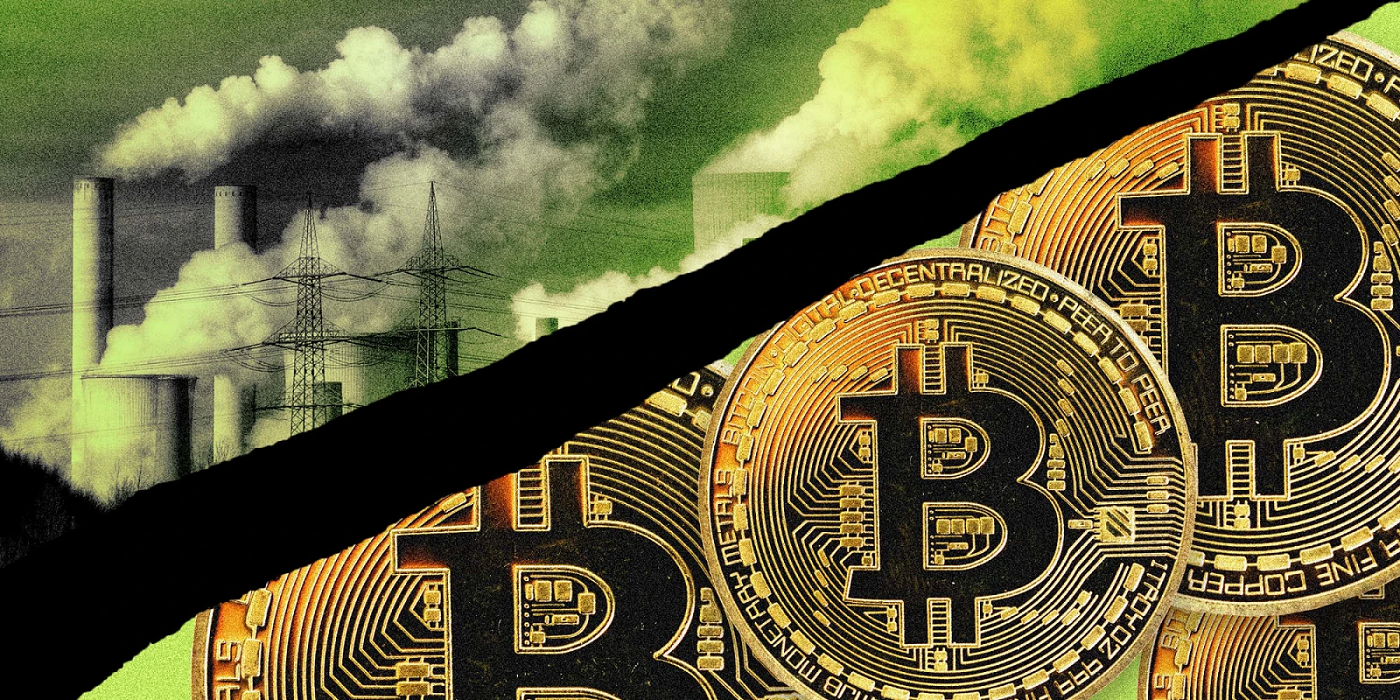
Bitcoin Mining Company Acquires Power plant to Meet Electricity Needs

0

With power consumption at the center of cryptocurrency controversy, mining companies are using innovative strategies to get around it, though the strategies still fall short greatly.

A holding company in Pennsylvania recently purchased the financially challenged Scrubgrass power plant. The plant currently produces enough power for 1,800 Bitcoin miners, with output increases planned to support more than 20,000 miners by 2022. Techpost has the story.

Mining the top cryptocurrencies such as Bitcoin or Ethereum requires vast amounts of power. A single Bitcoin transaction, including the resources needed to mine the coin and to verify the transaction, can total upwards of 1,700 kilowatt hours (kWh). This ever-increasing power demand has forced large crypto mining outfits to leverage any available means to produce their power at the lowest possible cost. In some cases, this leads to mining operations literally taking power production into their own hands.

Stronghold Digital Mining in Kennerdell, Pennsylvania, has joined the ranks of those mining operations that have sought to solve their power delivery challenges themselves. Unlike those companies that leverage regional hydroelectric power or others leveraging energy credits and payments from their respective states, Stronghold recently purchased the Scrubgrass power plant in Venango County, Pennsylvania.

According to Stronghold, who advertises their organization as an “environmentally beneficial and vertically integrated Bitcoin miner,” the plant will burn Pennsylvania’s waste coal to power on-site mining hardware located in shipping containers next to the plant. Waste coal is the residual material left over following coal mining operations; it can be particularly harmful to the environment by leaching metals such as aluminum, iron, and manganese into the soil and surrounding water sources.

Stronghold plans to claim and burn waste coal, then deliver the previously contaminated reclaimed land back to the state via the Pennsylvania Department of Environmental Protection (DEP). Current DEP statistics claim that so far, Stronghold has helped to reclaim more than 1,000 acres of Pennsylvania land. Despite the ability to burn the waste and minimize the threat of contamination, the waste coal still produces a significant amount of carbon dioxide. These types of emissions are an ongoing concern to environmental watchdog groups monitoring Bitcoin’s energy and pollution footprint.

Unlike Ethereum mining, which utilizes traditional graphics processing units (GPUs), Bitcoin mining relies on specialized hardware known as application-specific integrated circuits (ASICs). While GPUs can be repurposed for anything from mining other algorithms to performing their intended rendering tasks, Bitcoin ASICs are purpose-built devices designed solely to provide the hash power required to mine against Bitcoin’s SHA-256 algorithm.

However, while the idea of purchasing and dedicating power plants to bitcoin mining appeals to the concern of high power consumption, it does not address the environmental concern.

Bitcoin, like many other cryptocurrencies, is mined using proof of work, which consumes a lot of electricity and generates a lot of carbon. Bitcoin’s carbon footprint remains an issue that requires urgent solution, and has been largely responsible for the cryptocurrency’s decline.

On Estimated Electric Billing In Nigeria

0
electricity companies nigeria

If you are a resident or citizen of Nigeria but yet to realize that blackout has overtime been synonymous with the country, probably you have been outside minded.

There’s no day passed, you wouldn’t find a certain group in a given arena deeply discussing the excruciating effects of epileptic power supply endlessly faced by the teeming Nigerians in all corners of the country.

The acclaimed giant of Africa has thus far, to assert the least, suffered an untold hardship in the hands of electricity, yet no one can currently foresee when the affected populace would start singing a new song as regards the public utility in question.

In spite of the countless remedies proffered so far by various tech and policy analysts like myself, we are still beclouded by retrogressive mentality.

It sounds not unlike a paradox, but it’s real, that a country that has continually generated electricity for some of her neighbouring ones cannot presently boast of uninterruptible power supply. This is the sole reason many concerned individuals cum entities are sensing something fishy regarding the ordeal.

The unfortunate situation being discussed can’t be aptly and wholly x-rayed without mentioning some key stakeholders that are involved in the day-to-day management and sustenance of the limited resources.

There are three fundamental segments of electricity supply, which include generation, transmission and distribution. We have earlier on this platform scrutinized extensively the aforementioned segments. It’s noteworthy that ‘billing’ as inscribed on this topic, is not unrelated to the distribution section.

The above background signifies that only Distribution Companies (DisCos) in Nigeria are statutory charged with the responsibility to provide as well as issue electric bills to the electricity consumers within their respective jurisdictions.

It’s equally worth noting that the billing system could acceptably be of two major forms namely, the prepaid billing and the postpaid billing. A prepaid item or service is paid for in advance, whilst a postpaid one is paid after the item/service has been purchased or rendered, as might be the case.

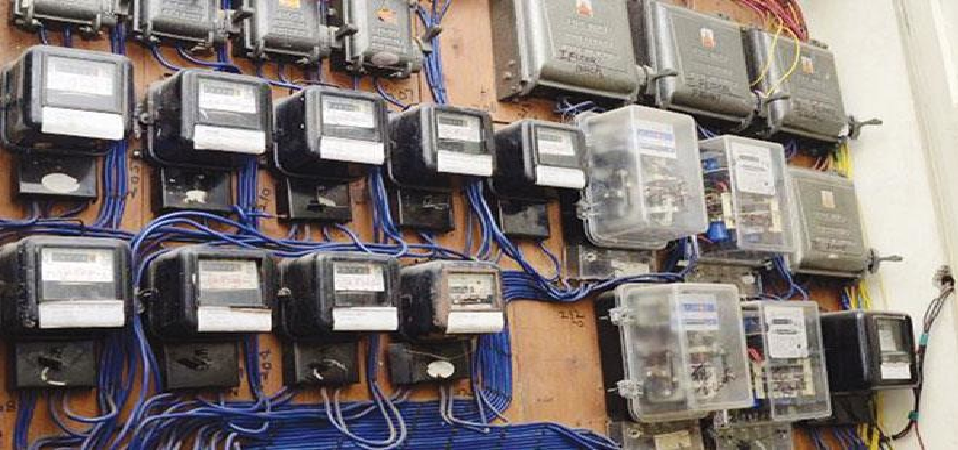
In Nigeria, over the years till date, electricity consumers have been used to the postpaid billing system whereby the bills of the services rendered or energy consumed are issued to them at the end of every month via the aid of the electric meter installed in each of their households,  or business premises, by the concerned authority.

Through this methodology, the stipulated bill of the exact utility consumed is being provided for the consumer by the relevant distribution firm. It’s needless to enthuse that by the aid of the electronic device (meter) mentioned above, the apt bill would be worked out at the end of each month.

This has been the case even prior to the emergence of the defunct National Electric Power Authority (NEPA) that was formerly in charge of electricity distribution within the shores of Nigeria. The pattern was rightly inherited by the Power Holding Company of Nigeria (PHCN) till it was sent packing by the Federal Government (FG) under the watch of the immediate past administration led by Dr. Goodluck Jonathan, to pave the way for the private investors.

The practice continued unabated not until lately when the FG instructed the DisCos, whose services are currently ‘enjoyed’ in the distribution section, to provide and issue prepaid meters to the electricity consumers across the federation towards implementing the ‘Pay as you go’ policy presently witnessed in the telecommunication sector.

This recent directive has apparently fell on deaf ears as it could be fully observed that only a few entities, not even individuals, could at the moment boast of the prepaid meters. Taking note of this derailment, a worried mind domiciled in the country may then want to know what the way forward entails.

It’s imperative to acknowledge that the prepaid pattern of billing enables a consumer to pay for only the amount/quantity of electricity he intends to use within a stipulated period by purchasing and consequently slotting a prepaid card into the installed prepaid meter. This method, therefore, is widely adjudged to be very accurate, concise and devoid of any form of imposition or pranks.

Aside from its merit to the consumers, the prepaid billing pattern is equally noted to be of high advantage to the DisCos as it’s meant to be labour effective. The measure would drastically reduce the degree of stress currently experienced by their employees as it’s foreseen that they wouldn’t longer need to go from house to house towards penalizing defaulters as regards bills’ payment.

Survey rightly indicates that over 97% of Nigerians are still facing the postpaid pattern of billing, perhaps owing to the inability of the DisCos to do the needful or pay heed to the directive of the government.

It’s appalling to realize that these consumers aren’t only faced with postpaid electric bills but estimated ones, whereby the DisCos do the billing without the aid of any meter. So, as the citizens decry the high level of blackout being experienced in the country, the random method of billing adds more salt to the injury already incurred.

This unspeakable condition could be what occasioned the Bill to Criminalize Estimated Electric Bills recently passed by the Green Chamber of the National Assembly (NASS). The document, which is targeted to amend the Electric Power Reform Act, is meant to prohibit and criminalize the ongoing estimated billing of consumers.

The bill, which had graciously scaled through third reading at the Lower Chamber, is in protest against the ‘crazy bills’ invariably issued by DisCos to their teeming subscribers and will hopefully put to an outright end any kind of estimated billing system when eventually passed into law.

The House Committee in charge of energy consumption reported on the bill, following a public hearing held on it precisely on June 5, 2018. The report was unanimously adopted by the lawmakers present at the plenary via voice votes, hence the document was approved overwhelmingly.

The bill, which will ensure that prepaid meters are installed in all houses – and what have you – upon the request of the consumers, has reportedly been transmitted to the Upper Chamber (Senate) for concurrence. If the Red Chamber passes the bill, it would be subsequently transmitted to the Presidency for assent as required by the Constitution.

Unfortunately, it is quite disheartening that till date, since after 2018 it was passed by the Lower Chamber, the Senate (Higher Chamber) is yet to do the needful as expected by the wailing Nigerians who are apparently getting fade up.

We must take into cognizance that any regulation that allows estimation of bills when the actual consumption rate could easily be ascertained is against natural justice and equity, hence completely unacceptable and should not stand.

It’s imperative to comprehend that there’s reportedly nowhere across the global community where consumers of electricity, or any form of energy, are billed arbitrarily as it is the case in Nigeria. This is to say that the country is obviously operating in isolation in terms of electricity billing.

We must understand that in a postpaid billing system, estimated billing can only be employed in situations where the installed meter of the consumer cannot be accessed by the service provider, perhaps due to technical hitch or whatever.

But around Nigeria, the concerned authorities can barely provide the consumers with the required meters let alone installing them. This implies that DisCos have, however, deemed estimated billing to be normal and acceptable; a belief that is highly condemnable by any right thinking individual.

The operators of this untold – though not unusual tradition – being harboured in Nigeria, unequivocally deserve to be holistically prosecuted for a criminal act, thus the compelling need for the aforementioned bill to be hastily passed by the senators headlong.

As we keep our fingers crossed, it’s ideal to remind all relevant authorities that this lingering norm is anti-human, therefore shouldn’t be allowed to continue showcasing its inhuman muscles. 

Nigeria Unveils E-Naira Website, Expect Cash to Fade Over Time

1

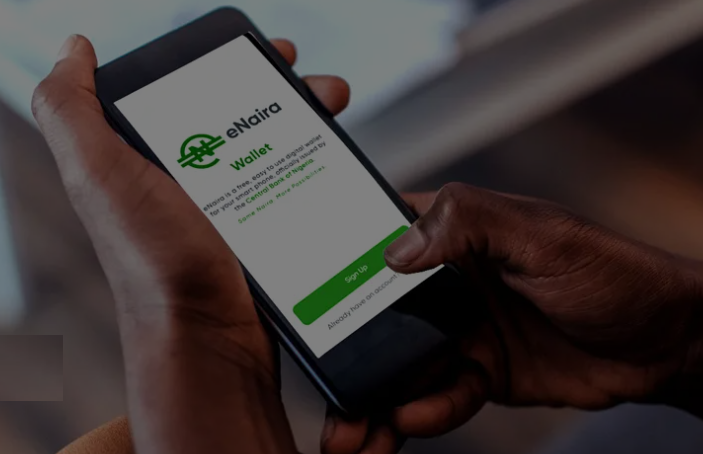
The website is up and this is the domain: “eNaira is a central bank digital currency (CBDC) issued by the Central Bank of Nigeria as a legal tender. It is the digital form of the Naira and will be used just like cash…eNaira enables households and businesses to make fast, efficient, and reliable payments, while benefiting from a resilient, innovative, inclusive, and competitive payment system.” This is the biggest fintech product in the history of Nigeria. Yes, when the central bank drives anything, expect that thing to light up.

Looking at the alexa ranking, it is already one of the most popular websites in Nigeria, just within days. That shows you that the apex bank can get the crusaders and believers of Bitcoin to join.

This takes me to this video in 2017 (below) and this piece where I asked the Central Bank of Nigeria to make Nigeria the hub of blockchain dapps. We are on course and it is amazing.

The most exciting skill coming up in the next few years would be building digital technology solutions on blockchain. That would be integrated and fused with AI (artificial intelligence). But while AI may take longer, in Nigeria, because of the data availability issues, blockchain will advance due to the cost savings most of the participants will enjoy.

Yet, eNaira will likely push cash away over the next few decades but the rising of Nigerian Naira will not happen because of eNaira. Nigeria has to do what nations do: create, make and build things. Once we do that, Naira will have the support it needs. But that does not mean that you cannot spend digitally, and welcome eNaira which will even reduce the cost of managing Naira because printers will lose their contracts.

“eNaira is a Central Bank of Nigeria-issued digital currency that provides a unique form of money denominated in Naira. eNaira serves as both a medium of exchange and a store of value, offering better payment prospects in retail transactions when compared to cash payments.

“eNaira has an exclusive operational structure that is both remarkable and nothing like other forms of central bank money. There are several benefits from a central bank-issued digital currency in Nigeria, and this cuts across different sectors of, and concerns of the economy.”

Welcome e-Naira.

Thailand’s Payment Startup, Ascend Money, Raises $150 million in Series C Round to Hit $1.5 billion Valuation

12

Asia, like every other part of the world, has seen tremendous increase in fintech investment. China leads the pack with big players like the Ant Group, but startups in other countries in the region are gradually revving up their game.

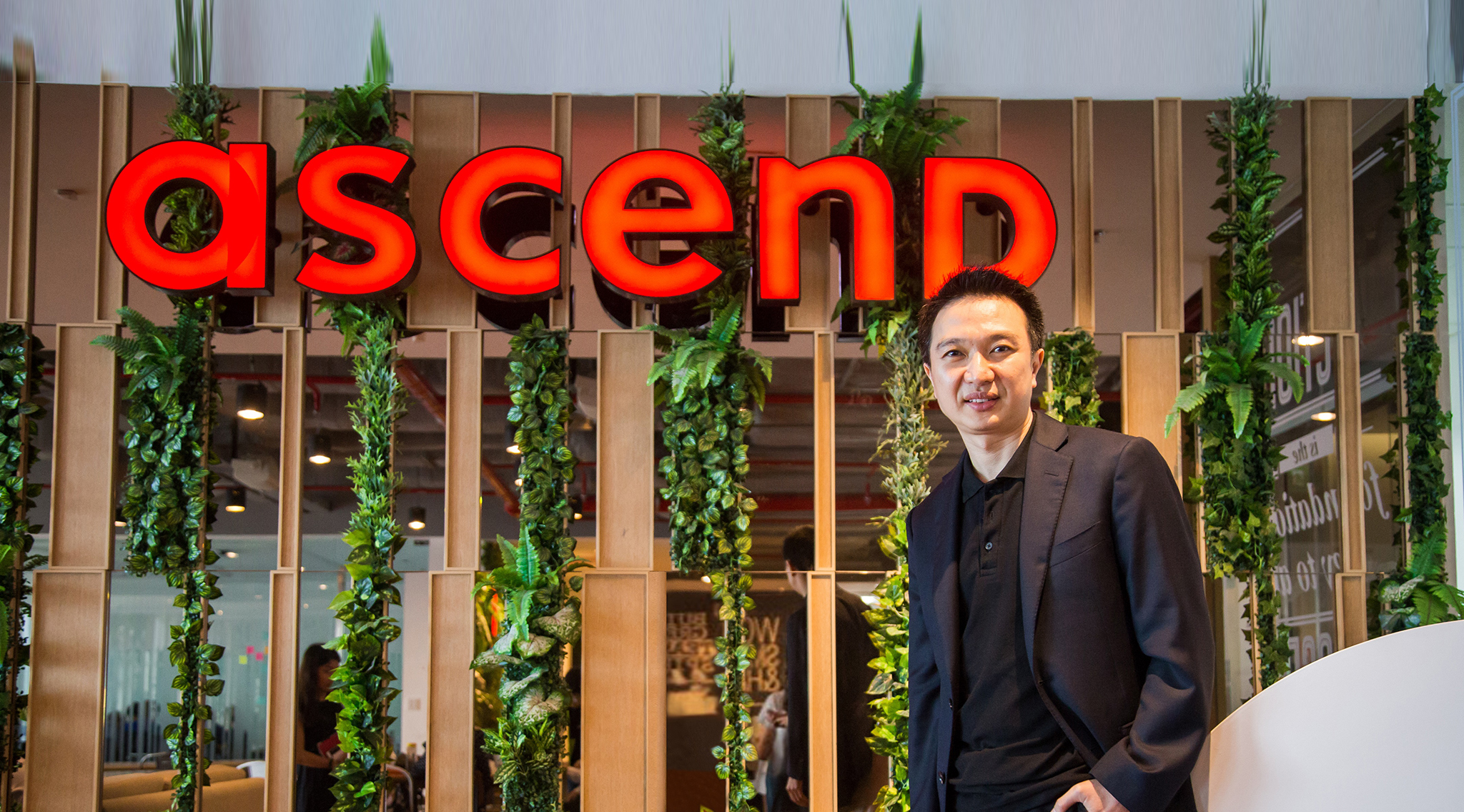
Ascend Money, the Thailand-based fintech startup announced that it has raised a $150 million Series C round led by Charoen Pokphand Group, a major shareholder of Ascend Money, with participation from Bow Wave Capital Management and returning backer Ant Group.

The round puts Ascend Money’s valuation, who is behind Truemoney, an e-wallet service, at $1.5 billion.

The company was founded in 2013, and has since witnessed significant growth, especially between 2020 and 2021, when the pandemic mostly impacted digital payments.

Ascend Money said it will use the proceeds to grow its e-wallet application – TrueMoney Wallet, and expand its digital financial services – from digital lending and digital investment to cross border remittances in Southeast Asia. Target countries as it plans to expand global operations are Thailand, Indonesia, Vietnam, Myanmar, Cambodia, and the Philippines.

The fintech industry has witnessed outrageous growth since the outbreak of the pandemic, with most players in the sector growing their customer-base as well as their valuation through lucrative investments.

Following this trajectory, Tanyapong Thamavaranukupt, co-President of Ascend Money told TechCrunch that TrueMoney Wallet have grown exponentially because of social distancing measures and growing public awareness of contactless transactions across the region. As a result, the e-wallet customer-base in Thailand has grown from 17 million in early 2021 to 20 million as of now, while the transactions of its online payment use case surged over 75%, Thamavaranukupt said.

“The growth in e-payment suggests changing consumers’ spending habits as Southeast Asia moves toward a digital economy and a cashless society,” Thamavaranukupt said.

As more people embraced digital payment, TrueMoney became a popular choice. Its total payment volume stood at $14 billion in 2020 across the six countries in Southeast Asia, representing 84% growth between 2019 and 2020, according to its statement.

“The pandemic’s disruptive effects have accelerated the growth of the digital economy across Southeast Asia,” Itai Lemberger, founder and CEO of Bow Wave Capital Management said.

About 70% came from Thailand while 30% came from the international market, the co-President Thamavaranukupt said. In Thailand, Ascend Money has about 70% of market share based on its own research, Thamavaranukupt said.

The company told TechCrunch it has amassed a total of 50 million users so far through TrueMoney and offline channels including approximately 88,000 TrueMoney agent networks, which is its core strength for regional expansion.

Truemoney has also found a place in B2B transactions, serving as a payment channel for services ranging from big brands to local SME owners as well as street market entrepreneurs. Thamavaranukupt said beyond serving as a payment channel, TrueMoney Wallet platform provides digital loans service to the customers including small business entrepreneurs, who don’t have traditional credit scores to access the digital loans, along with the payment service.

“Apart from e-wallet, we are an agent-based payment and remittance service provider. Since last year, we’ve also rolled out TrueMoney Wallet for agent [networks] and migrated our offline agent to the online platform, which would help enhance and digitize their operations,” Thamavaranukupt said.

True Money agents are local entrepreneurs, who registered with Ascend Money to earn additional income by being their agents to provide services like bill payment, phone top-up and domestic and cross-border remittance services, he explained.

“We provide TrueMoney Wallet and the TrueMoney Agent service in some other countries outside Thailand. Most users are unbanked and the underbanked population with limited access to basic financial services,” Thamavaranukupt said.

“Ascend Money provides a financial platform of opportunity for those financially excluded as well as SMEs around the region. The company’s success is also a testament to Thailand’s capability and strong ecosystem to support domestic fintech firms and startups for overseas expansion,” Ascend Money founder and chairman of the board Suphachai Chearavanont.

As part of its growth, Ascend has been innovatively creating exclusive services to meet the needs of its users. Thamavaranukupt said that the company opened a service for expatriates like Myanmarese and Cambodian migrant workers in Thailand last year, enabling them to register on TrueMoney Wallet and transfer money to their family in the homeland.

Tekedia Capital Syndicate Begins Next Investment Cycle in Two Weeks

0

We will begin the next investment cycle of Tekedia Capital Syndicate in two weeks. If you want to co-invest with us in Africa-operating leading startups, we invite you to join us. We see a new future and are investing to build that future. We have seeded great companies and cushioned amazing innovators.

Tekedia Capital offers a specialty investment vehicle (or investment syndicate) which makes it possible for citizens, groups and organizations to co-invest in innovative startups and young companies in Africa and around the world. Capital from these investing entities are pooled together and then invested in a specific company or companies.

Join today and let us build together; begin here.