DD
MM
YYYY

PAGES

DD
MM
YYYY

spot_img

PAGES

Home Blog Page 5599

The Amazing Sierra Leone Coming Big To Tekedia Mini-MBA

2

When I tell people to stop looking always to London, New York, Paris, Tokyo, etc but look inwards because most of the things we need are in the continent, many think it is just a good talk.  I am happy to report that in the next edition of Tekedia Mini-MBA which begins Sept 13, Sierra Leone will deliver the highest number of members.

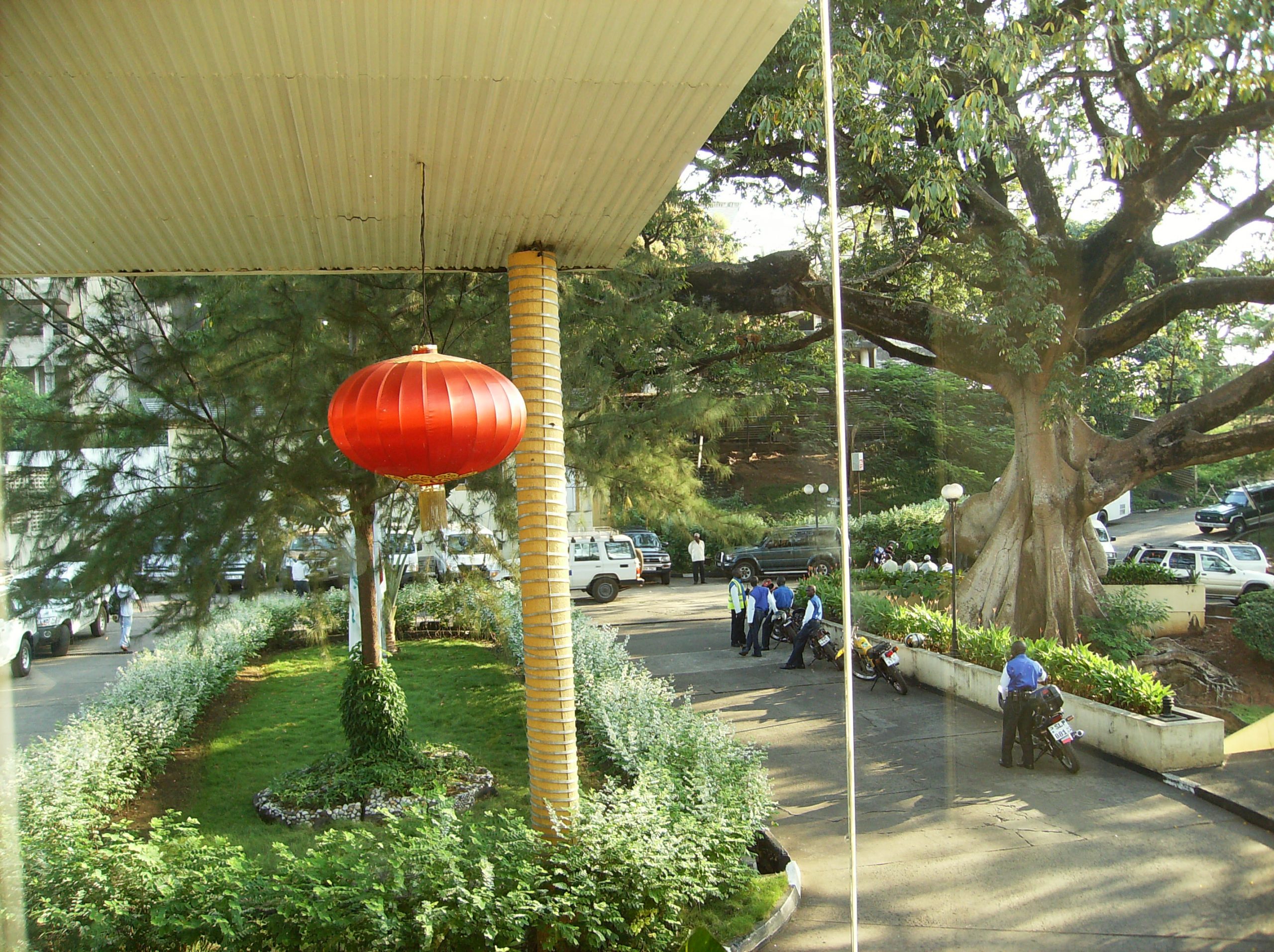
We have a 10,000 learners’ partnership with that amazing nation. To DAVID MEEK JAH and the whole team, well done. I cannot wait to visit Bintumani (my picture below), my favorite place in Freetown.

We educate on the tenet of entrepreneurial capitalism on the nativity of African business philosophy of unbridled pragmatism. Visit our school today and begin a journey on your leadership ascent.

Imagine if Elon Musk lives in Nigeria

1

Imagine if Elon Musk lives in Nigeria. According to Texas Monthly, Tesla is starting a new subsidiary called Tesla Energy Ventures to sell power drawn from a working grid or pulled from Tesla customers’ home batteries whenever the grid malfunctions. A few months ago, the Texas power grid system malfunctioned; innovators like Elon Musk are seeing opportunities to fix the hole and capture value.

The implication is that some citizens will make money by selling their excess power to the grid. These customers  use solar to power their homes; Tesla provides the technologies and products.

 Besides, the company is ramping up massive utility-scale batteries as it continues to transform SolarCity which it absorbed  many months ago. Many expect Tesla to become one of the leading quasi electricity utilities in coming years, considering its capabilities on battery technologies. 

Tesla, which markets itself as a premium brand, isn’t expected to be among the bargain-basement retailers fighting to sign up customers by running interstate billboards offering free power on nights and weekends. Tesla could sell kilowatts that are either drawn from the grid—when it is working—or pulled from Tesla-made home batteries when the grid goes down. Importantly, Tesla could also let individual Texans with solar panels earn money by sharing their excess power with the grid. That’s something that, today, only large commercial customers can do easily.

[…]

People aware of Tesla’s strategy tell me the company had hoped to enter the state’s deregulated power market earlier. Then came the widespread blackouts due to February’s winter storms, which ripped through the power markets like an EF5 tornado, leaving over a hundred dead and the state on the hook for more than $10 billion in costs that providers such as Brazos Electric Power Cooperative couldn’t pay.

This is part of the reason why valuing this company as a car company misses the point.

Nigeria’s Fintech to Africa

0

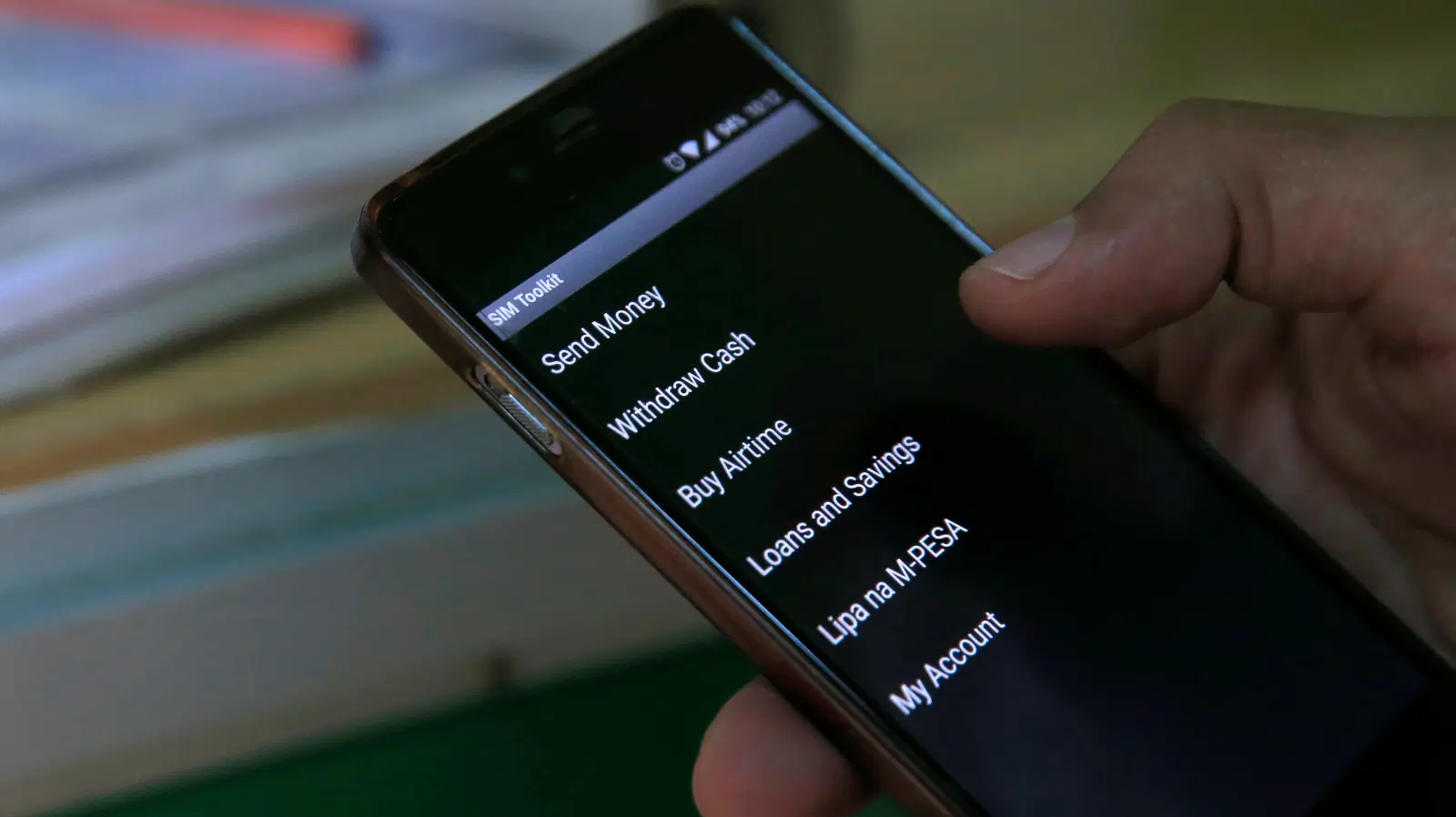
The big revelation: “according to research done by The Fletcher School and Mastercard Center for Inclusive Growth, of the $301 billion of funds flows from consumers to businesses in Nigeria, 98 percent is still based on cash”. That data is of course dated (2018). But the deviation will not be double digit yet, if you visit open markets in Nigeria, where cash remains king for  consumer transactions. So, if cash is king, it means digitizing payment is a massive opportunity. This is the core element why fintech is booming in Nigeria and broad sub-Saharan Africa.

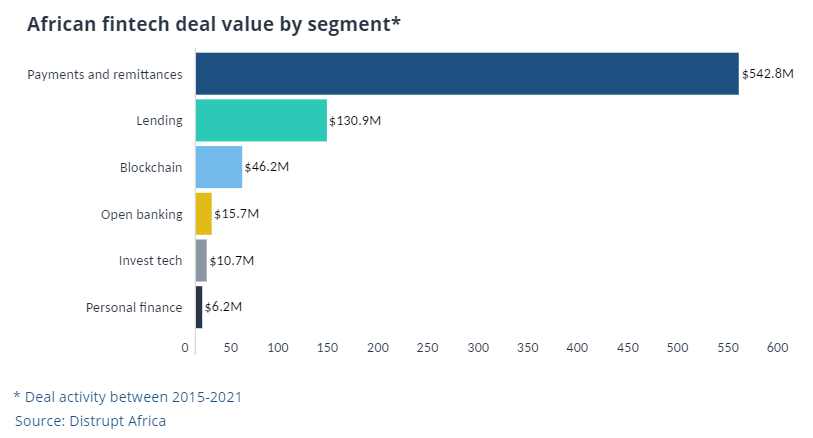
In the first half of 2021, African fintech startups raised $330.5 million, more than double the amount raised in entire year 2020, according to Disrupt Africa. Payment and remittance remain the hottest sub-sectors.

Higher geopolitical and currency-related risks, as well as the fragmented nature of the continent, have historically deterred non-African VCs from entering the region, according to Suhrcke, but the sheer size of the market and recent success stories like Nigeria-born payments startup Flutterwave—which achieved unicorn status in March with a $170 million round, according to PitchBook data—have made the continent more attractive.

You know what? Without waiting for the experts who collate these datasets, I can write that with OPay’s $400 million raise from SoftBank at a valuation of $2 billion, that Nigeria will eclipse the total fintech funding in other African countries in 2020 and 2021 combined.

Sure, the risks remain but what these investors are doing is evident: Nigeria is one of the three countries (others are South Africa and Kenya) in sub-Saharan Africa where a consumer-based tech-anchored business can flourish. Most other countries are very small for consumer business. For investors, the playbook is to begin in Nigeria, ramp-up, and then pick those other countries as secondary markets.

That is why I will not invest in Rwanda for a consumer business, but will surely do so for an enterprise business on clocked contracts, just by looking at the population. 

So, when you look at the indicators, three countries – Nigeria, Kenya and South Africa – will continue to drive this continental payment and financial services digitization. And the redesign is just starting because there are many opportunities ahead. For continental Africa, Nigeria will lead this amazing future.

Using Saudi Aramco’s Benchmark, Nigeria Has More Rooms To Improve

1

Saudi Arabia’s oil corporation, Saudi Aramco, which is valued at about at $1.85 trillion saw its profits jump close to four times, hitting a net income of $25.5 billion for Q2 2021: “Our second-quarter results reflect a strong rebound in worldwide energy demand and we are heading into the second half of 2021 more resilient and more flexible, as the global recovery gains momentum”. (For comparison’s sake, Apple reported net income of 57.41 billion U.S. dollars in its 2020 fiscal year, the second highest net income to date.) 

Extrapolating, Saudi Aramco will hit at least $80 billion net income this year considering that it reported $21.7 billion in Q1 2021.

In contrast, Nigeria reported N287 billion profit after tax in 2020. Nigeria usually has delays in reporting financials across sectors. But using the 2020 guidance, and even if the NNPC outperforms this year, at best case scenario, we can be looking at $1 billion profit!

So, from this data, we can see that Nigeria has a long way to go. Looking at reserves, barrels pumped per day, and other metrics, Nigeria should be hitting close to $10 billion, if benchmarked with Saudi Arabia. (Saudi Arabia has a capacity of about 11 mbp while Nigeria is at 2.5 mpd; actual productions vary of course). If that happens, we can simply handle all debt servicing from that profit.

So, there is really more room to grow in Nigeria.

Meanwhile, the Corporation has explained how it made the profit it posted.

Speaking at a press conference Thursday at the NNPC Towers, Abuja, the GMD attributed the turn-around of the Corporation from a loss of ?803bn in 2018 to profit of ?287bn in 2020 to the aggressive implementation of cost-cutting measures, improved efficiency through business automation, emphasis on commercially-focused investments and non-interference in the management of the Corporation from any quarters.

The GMD also added that the Corporation saved a lot of cost through contract renegotiation by up to 30% on the heels of the Covid-19 pandemic, introduction of technology that drastically cut travel cost through reduction in in-person meetings and the general automation of processes that enhanced efficiency across the group’s businesses.

He said Management’s focus on the prioritization of investment and staff welfare also helped in boosting the Corporation’s overall productivity and bottom line. […]

He said NNPC’s emergence from loss into profitability, coming shortly after the signing into law of the Petroleum Industry Bill, was a proud moment for him, adding that this was a season of achievements for the nation’s oil and gas sector.


NNPC Delivers Great Numbers – N287 Billion PAT in 2020


NNPC Delivers Great Numbers – N287 Billion PAT in 2020

Two Cases on Media Business: Politico and Forbes Valuations

3

Two points:

Point 1: “German media giant Axel Springer SE has agreed to buy Politico. Springer is paying more than $1 billion for the deal. The company is also acquiring the 50% it doesn’t already own in Politico Europe, as well as the tech news website Protocol, it said in a statement Thursday. The deal is set to close in the fourth quarter. Founded in 2007, Politico was a pioneer in granular scoop-driven coverage of politics and policy in Washington, D.C. While much of its coverage is free, it publishes news and analysis for paying subscribers under the banner Politico Pro”. (source) . So, Politico is worth $1 billion.

Point 2: “Forbes, a long-standing media publication, announced Thursday it plans to go public via a merger with a publicly traded special purpose acquisition company.  The company, merging with Magnum Opus Acquisition, is expected to be valued at an implied pro forma enterprise value of $630 million, net of tax benefits. The deal is expected to close late in the the fourth quarter of this year or early in next year’s first quarter.” (source) So after decades, Forbes is going public and worth $630 million.

Politico is ranked by Alexa at about 2000 while Forbes’ ranking is about 261. The implication is that Forbes is super popular, well ahead of Politico. So why is that disparity in payment? It comes down to ability to deliver monetizable value, outside the advertising space.

With Facebook and Google capturing most of the advertising value, the future for media falls on unlocking subscription payments from readers. Politico with its brand of journalism provides analytical insights on politics which you cannot find in any other place. 

In other words, they do not just live on reporting news, they analyze news, creating value on largely commoditized assets. People pay for such. And because people pay for that, it unlocks leverageable factors over those that just depend on advertising money which continues to decline for media houses.

The summary: command influence, do not just be popular; markets reward that.