DD
MM
YYYY

PAGES

DD
MM
YYYY

spot_img

PAGES

Home Blog Page 5610

Nigeria, UNDP Open Fellowship Application for Post-NYSC Graduates Looking for Jobs

13
The Nigerian government has opened the application portal for the Nigeria Jubilee fellow programme, a post–NYSC work placement programme for Nigerians under 30 years. The application will run from September 6 and October 20, 2021. Go here and apply.

Thank you for your interest in the Jubilee Fellows Programme. Please register below to start the application process. Applications are open from 6 September 2021 to 20 October 2021.

This is a paid fellowship through an initiative between the Federal Republic of Nigeria, European Union and UNDP.

  1. Must be a Nigerian citizen.
  2. Be a fresh graduate (Bachelor’s Degree) from any discipline and graduated not earlier than 2017.
  3. Graduate with at least a Second Class Lower (2.2) and above.
  4. Be at most 30 years old.
  5. Not currently engaged in any employment.
  6. Have completed the mandatory National Youth Service Corps (NYSC) OR have a certificate of exemption from the NYSC.

China Reveals Way Forward for Its Big Tech – List In A New Stock Exchange

3

It is what it is: China and America are going to face confrontations over the next few decades, economically, and we hope not militarily. And as the Taliban tells the world that China would be its strategic ally as it looks for ways to “rebuild” Afghanistan, one thing that is evident is this: China will find “fun” in making the US to lick its wounds, and vice versa.

It used to be like that during the old Soviet Union; US pain was Russian gain, and vice versa. Today, China has assumed that dimension. That translation is the core reason why China did not like its tech megastars making New York home. And to bring them to order, it invented many regulations and many are now shadows of their former natures.

Today, the message has come out loud and clear: there is a new stock exchange coming up in China, and tech companies are advised to list therein. Largely, if you list at home, your sins would be forgiven, as a mega tech company. Alibaba, Baidu, and co, over to you – China giveth, China taketh.

China’s flurry of tech regulation has made it clear the country’s increasingly keen for firms to list at home, rather than in the US. Now Xi appears to be moving to bring tech IPOs even closer to the Chinese regulators that oversee them, with a new stock exchange in the country’s capital.

The new exchange, which Xi announced last week in a speech addressed to an international trade fair, would be Beijing’s first, with the country’s existing exchanges based in finance capital Shanghai and the tech hub of Shenzhen. Xi stopped short of giving a timeline for the launch of the new bourse, but it took only about eight months from the leader’s previous announcement of a specialized tech board in Shanghai for it to launch.

China – perfecting its version of capitalism!

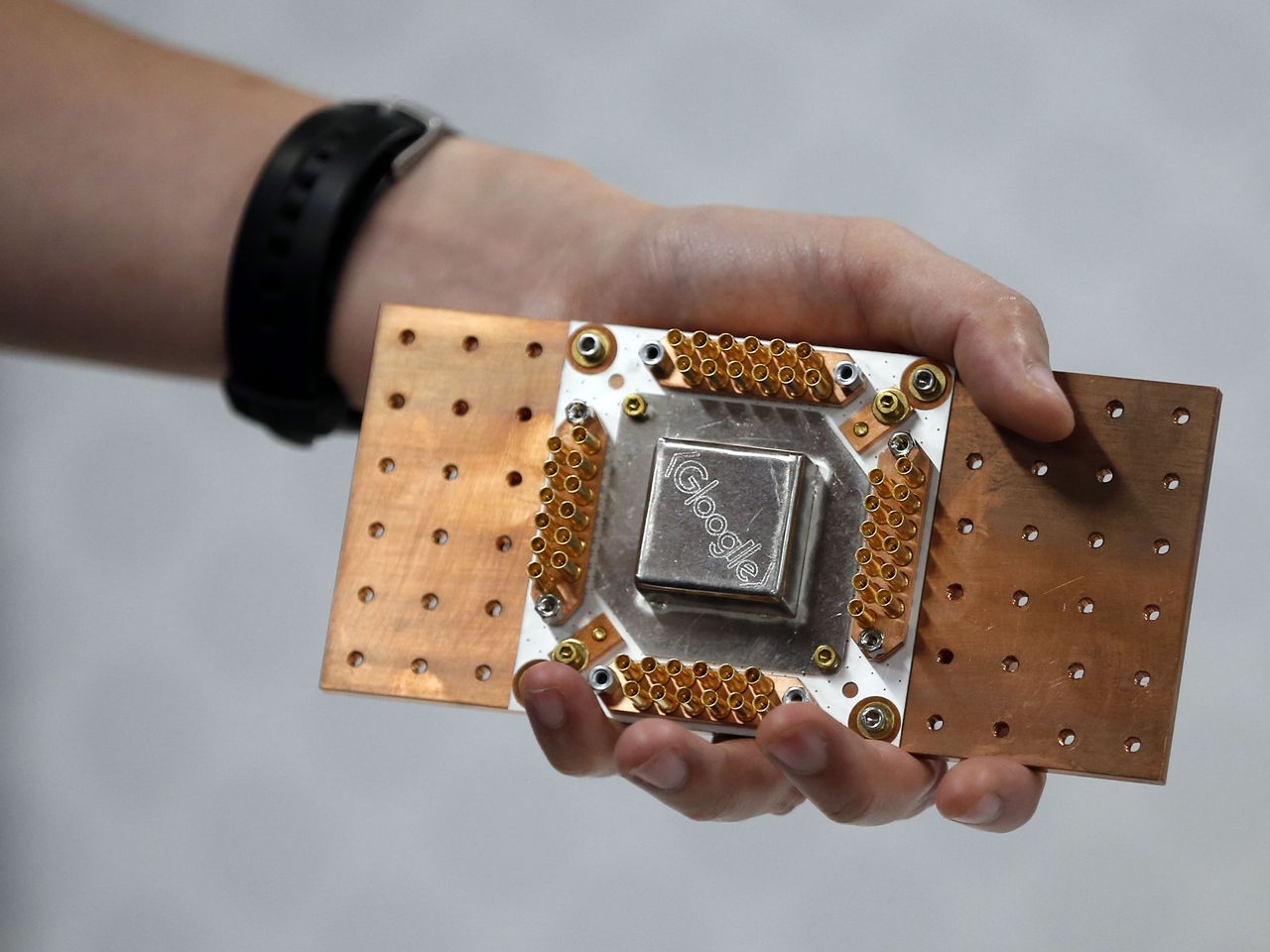
Google Goes Hardware With In-House Chipmaking

0

One of the most important companies in the world is TSMC. It  is to chipmaking what Amazon AWS is to software developers. Yes, you write your codes and you need a place to host the website, AWS offers that. Today, you craft your silicon and you need a place to fabricate the chip, TSMC offers that. 

But since making microprocessors is increasingly becoming a “software business” [yes, hardware descriptive language or VHDL], making chips is no more for Qualcomm, Intel, Analog Devices, and Texas Instruments alone. Google has joined the party, via ARM chipsets, because everyone can do everything once you have the foundational stack up and running.

ARM + TSMC = Massive dislocation in the world of hi-tech.

Google is right: you need to have control of your hardware to make great products by integrating the software and hardware systems better. That is the Apple advantage: exclusive software running on proprietary hardware and engineered end-to-end by one company.

The destination? “Google plans to roll out the CPUs for laptops and tablets, which will run on the company’s Chrome operating system, in around 2023”. Yes, better Google products and services.

Silicon crafters, Google is open for business!

Google Joins Other Big Tech Companies in the Chipmaking Trend

Google Joins Other Big Tech Companies in the Chipmaking Trend

1
????????????????????????????????????????????????????????

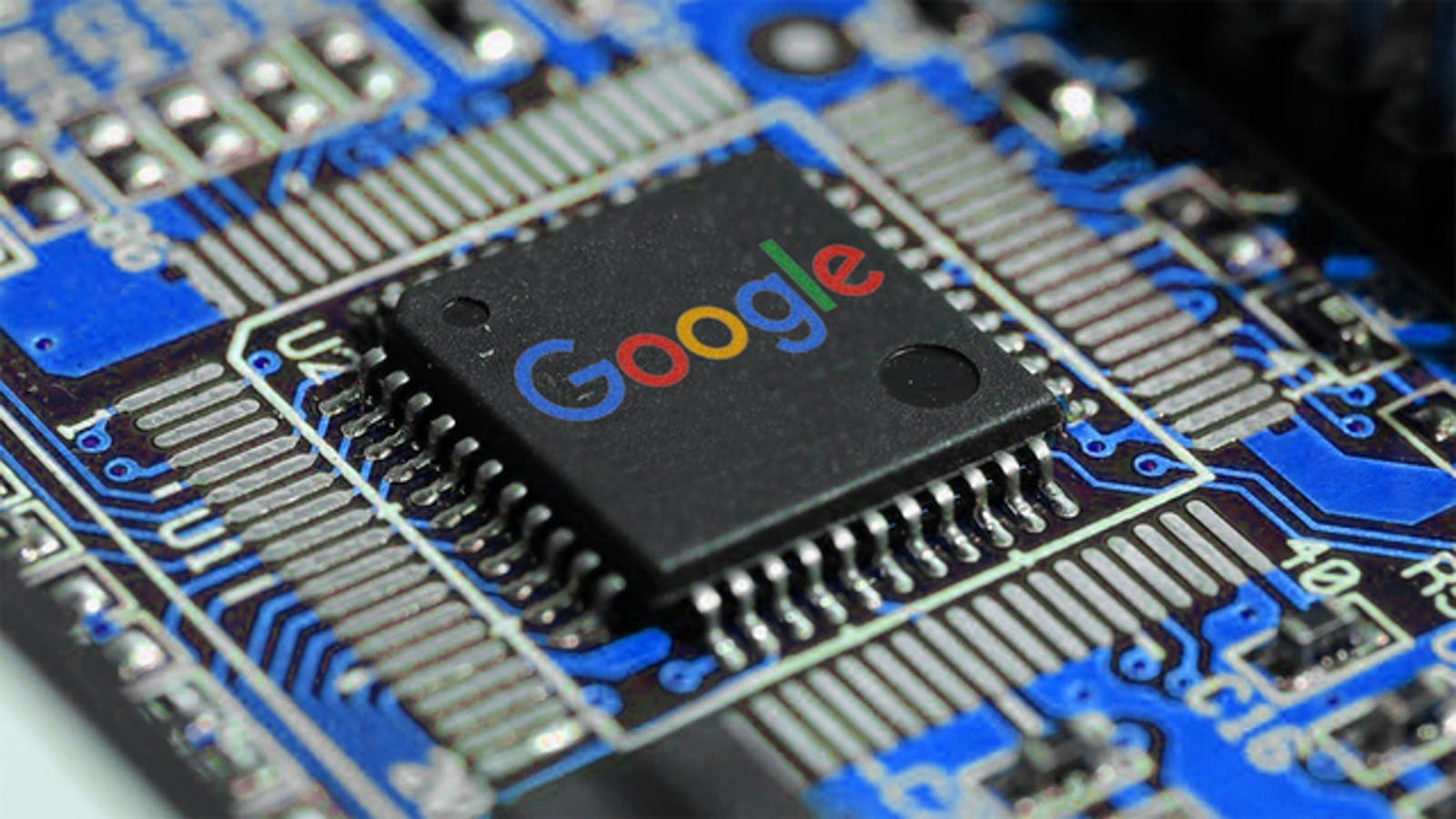
Google has become the latest big name to join the chipmaking trend being buoyed by high demand for standard chips, which has scuttled production in the global tech space.

The race by traditional chipmakers to develop enough chips in the face of the scarcity has yielded unsatisfying results, birthing the quest for self-sufficiency by big players in the tech industry. Nearly every month, a Big Tech company announces it is developing its own chip.

Apple, Amazon, Facebook, Tesla and Baidu are all shunning established chip firms and bringing certain aspects of chip development in-house, according to company announcements and media reports.

“Increasingly, these companies want custom-made chips fitting their applications’ specific requirements rather than use the same generic chips as their competitors,” Syed Alam, global semiconductor lead at Accenture, told CNBC.

“This gives them more control over the integration of software and hardware while differentiating them from their competition,” Alam added.

Google plans to roll out the CPUs for laptops and tablets, which will run on the company’s Chrome operating system, in around 2023, three sources with knowledge of the matter told Nikkei Asia.

The new CPUs and the mobile processors that Google is developing are based on the chip blueprints of Arm. The company has high hopes for the Pixel 6 range and has asked suppliers to prepare 50% more production capacity for the handsets compared with the pre-pandemic level in 2019, two people told Nikkei Asia

Apple was the first to embrace the chip idea in November 2020, when it announced it was divorcing Intel’s x86 architecture to make its own M1 processor that is currently in its new iMacs and iPads.

Now Amazon, Facebook, Microsoft, Tesla, Baidu and Alibaba Group Holding are all in the race to build their own semiconductors to power their cloud services and electronic products.

But the reason for their decision to design their own chips appears to go beyond the desire to have enough. Russ Shaw, a former non-executive director at U.K.-based Dialog Semiconductor, told CNBC that custom-designed chips can perform better and work out cheaper.

“These specifically designed chips can help to reduce energy consumption for devices and products from the specific tech company, whether it relates to smartphones or cloud services,” Shaw said.

Apart from the energy benefits, specifically designed chips make it easier for companies to develop custom-made products.

“We found that all the tech titans are joining the foray to building their custom chips because in that way they could program their own features into those chips that could meet its specific needs,” Eric Tseng, chief analyst with Isaiah Research, told Nikkei Asia. “In that case, these tech companies could easily adjust R&D workloads without being restricted by their suppliers and offer unique services or technologies. In an ideal scenario, using one’s own chips also means better software and hardware integration.”

However, like Google, whose CPU is going to be based on the chip blueprints of Arm, all these companies are not looking to develop the chips all on their own. The reason being that setting up an advanced chip factory, or foundry, like TSMC’s in Taiwan, costs around $10 billion and takes several years.

“At this stage, it is not about the manufacturing and foundries, which is very costly,” Glenn O’Donnell, research director at analyst firm Forrester, told CNBC, adding that there’s a shortage of people in Silicon Valley with the skills required to design high end-processors.

A Special Day – Everyone is invited!

0
????????????????????????????????????????????????????????

On the 13th day of the month of September in the year 2021, a new academic festival will begin: Tekedia Mini-MBA. Everyone is invited here 

Tekedia Institute offers Tekedia Mini-MBA, an innovation management 12-week program, optimized for business execution and growth, with digital operational overlay. It runs 100% online. The theme is Innovation, Growth & Digital Execution – Techniques for Building Category-King Companies. All contents are self-paced, recorded and archived which means participants do not have to be at any scheduled time to consume contents. Besides, programs are designed for ALL sectors, from fintech to construction, healthcare to manufacturing, agriculture to real estate, etc.

The sector- and firm-agnostic management program comprises videos, flash cases, challenge assignments, labs, written materials, webinars, etc by a global faculty coordinated by Prof Ndubuisi Ekekwe. It will run from Sept 13 to end Dec 6, 2021.