It takes a man who has risen to the highest of mountains to appreciate the lowest of valleys. Extend the hands, while on that ladder, and get more to climb. Nigeria built ladders, moved many to climb up, on merit, but we are losing that process daily.
Those days in the village, whenever the ikoro (the big wooden always beaten when there is an emergency) sings, the villagers assemble, and elders would always begin thus, “to keep this village clean, everyone must join the sweeping”. Nigeria must find a better mechanism to get everyone sweeping.
When only the children of the well-connected get the best public jobs (and federal scholarships to China), it simply means that we have dropped the ladder, and in the process disconnected most young people from joining the sweeping. Change That!
Just made a follow-up video after some questions on LinkedIn. This explains the difference between the marginal cost of industrial age firms (Bigi Cola) vs digital platforms (Facebook), and while the latter scales unbounded.
Tekedia Institute put this video as it moves to the 8 week of Mhagic Velocity competition. The path to winning $60,000 to award scholarships in our program. http://mhagic.com/
https://youtu.be/lia7d1ukXaU
Our another entry for Week 8 of Mhagic Velocity. This was on Marginal Cost. We are the business education people in the competition, helping organizations to understand the mechanics of business systems. The goal: win $60,000 to power scholarships in Tekedia Mini-MBA. http://mhagic.com/
Just made a follow-up video after some questions on LinkedIn. This explains the difference between the marginal cost of industrial age firms (Bigi Cola) vs digital platforms (Facebook), and while the latter scales unbounded.
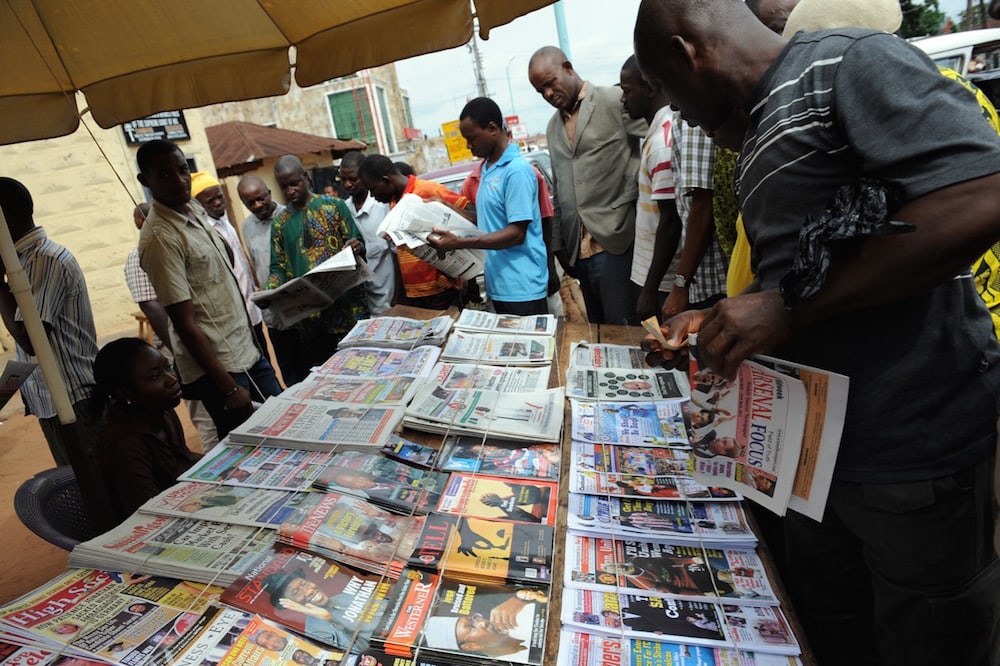
In the last few days, our analyst has been reporting a number of insights relating to the Nigerian media industry. The focus has been on how to have improved processes and better products as information pollution rages across the digital and physical spaces.
While engaging his followers on social media platforms, our analyst notes that “In seconds. In minutes. In hours. In days. In months. In years. Nigerians wake up and confronted with bad news than good news from the media. On digital and offline spaces, bad news reports are debated more than good news. No matter what, there are a lot of opportunities in the bad news, which individuals and businesses can explore.”
The post was aimed at informing people that business opportunities abound in the bad news being reported by the media. This intent is not quite different from his position in an article published three years ago titled “How to turn Nigeria’s biggest problems to biggest businesses.”
From one of his social media accounts, a University Don queried his views on bad news versus good news publications. While commenting on the post, the University Don asked four critical questions. “So, journalists deliberately create bad news or bad news happen? When bad things happen, they should not be reported? How can you successfully separate news reporting in Nigeria from existential challenges? How do you want the media to report happenings in the country? They should lie?”
Our analyst has promised to get back to the lecturer in due course with data and analyses that support his [our analyst] position that Nigerian journalists and media owners, especially the mainstream media entrepreneurs, should focus more on development news publication more than conflict and crisis driven news. According to our analyst, constant coverage of conflicts, crises and other bad happenings without regard for ethical journalism, social responsibility and developmental principles have created disunity and unnecessary self-independence agitation by various ethnic groups.
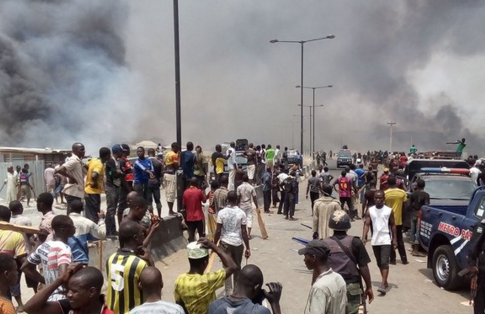
A Crisis Scene
“Of course, bad events need to be reported since it sells more than good events. And that many people want to read negativities more than positivities. But, there are ways of constructing headlines and framing content towards sustainable peace and unity not enduring conflicts and crises,” our analyst points out.
Before data driven answers to the lecturer’s question, our analyst’s check indicates that a few hours after his post, one of the national newspapers reported “…policymakers and media managers accused the Nigerian media of of allowing its obsession for bad news and screaming headlines to obstruct the principal mandate of setting the right agenda toward building a united and virile nation.”
Nigerian Russia based University lecturer, Mustapha Muhammed Jamiu, has noted that journalists are at war with two sets of people in their quest of eliminating information pollution. Assistant Professor of Informational Technology at the RUND University of Russia disclosed this while making his presentation during the launching of the Western Nigeria Publica, a newly established online newspaper in Nigeria.
According to him, professional journalists and media producers are at war with visible and invisible people. “Visible people are the dubious individuals and politicians using the tool for their gain (monitory, popularity among others) simply because they are not happy with the narrative of a certain news story that does not conform with them and will simply declare it as ‘fake’.
Mustapha Muhammed Jamiu
“Invisible peoplerepresent innocent individuals with no knowledge of why what is written and for what. These sets of people are the ones who read and share the headlines without following the link to read the whole story whether it conforms with each other, they will start forming an opinion on it; and the one who reads a rewritten headline or story from malicious sharers that uses a faulty headline for personal gain.”
Speaking further on the theme of the launching “Redefining News Production in the Age of Information Pollution, the Don notes that “For these sets of people is the reason professional journalists and media producers need to tailor their contents accordingly for effective and ethical delivery. In realizing this, I would recommend paying keen attention to the following; the usage of headlines, online news editors, and gatekeeping.
The need to realise the power of headlines as a strong tool of media production today, and that they can be susceptible to misinformation through clickbait features they may carry. Redefining media production simply means being aware of the obstacles of professional journalism in this era, and the readiness to battle them for delivering ethical journalism by all means.”
He stressed further that the mainstream news media [conventional media] need to train their online news editors on better ways of constructing headlines towards effective elimination of ambiguity, which the categories of people earlier explained explore for their personal interest. He added that gatekeeping is a key aspect of journalism in ensuring and maintaining ethics in production. According to him, this is fading due to the advancement in technologies and media proliferation that placed the media tool in the hands of everyone. Despite this, professionals should never compromise for anything.