DD
MM
YYYY

PAGES

DD
MM
YYYY

spot_img

PAGES

Home Blog Page 5844

Building Impactful Gender-Anchored Companies – Zoom At 11am WAT, Tekedia Live

0

This week, we will have three Live sessions at Tekedia Mini-MBA. Ifeoma Uddoh will begin on Tuesday (note the time, 11am WAT) with a session on “Building Impactful Gender-Anchored Companies” as she shares  her mission at Shecluded. On Thursday, Project Management Institute (PMI)-honoured Taiwo Abraham. PMP Abraham will take us to an excursion on Effective Project Management.

On Saturday, Ndubuisi Ekekwe will round up the week with Career Diversification & How To Insure Your Career To Ensure You Keep Rising & Earning More. Links in the Board.

Tue, March 23 | 11am – 12noon WAT | Building Impactful Gender-Anchored Companies – Ifeoma Uddoh, Founder, Shecluded

Thur, March 25 | 7 – 8.00pm WAT | Effective Project Management – Taiwo Abraham, Program Manager, Horizant Canada

Sat, March 27 | 7 – 8.30pm WAT | Career Diversification & Insurance, General Topic – Ndubuisi Ekekwe

Ecommerce in China [ Video]

0

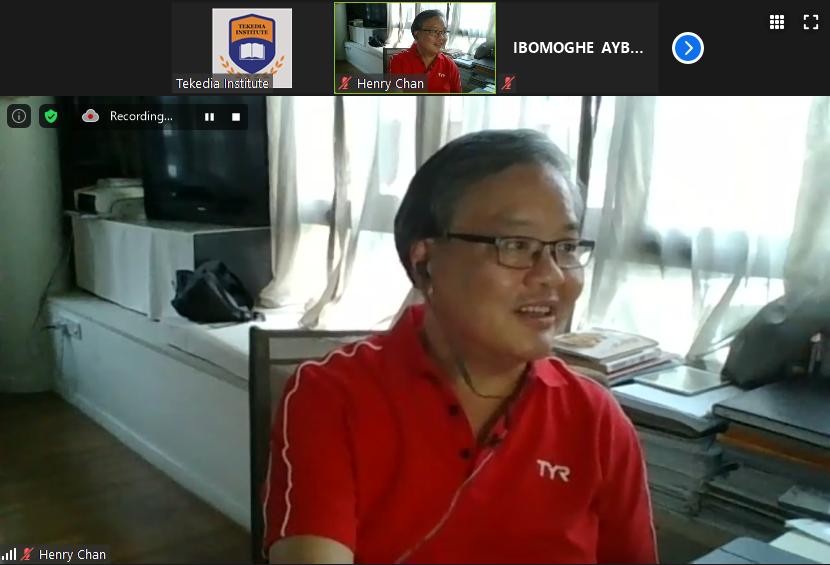
Tekedia Institute brings business thought-leaders to our Tekedia Mini-MBA program. Dr. Henry Chan, our China Business faculty, discusses ecommerce in China, during a recent Tekedia Live. Three times every week, we have Live conversations on business systems, and advance the wealth in firms. Enjoy and join us 

Who Owns the News in Nigeria? The Emergence of Snowball Journalism Practice

0

In the previous analysis, our analyst examined why news should be a product not only an information to the public. In the current piece, the focus is on how Nigerian journalists are practicing snowball journalism. In social science research, snowfall technique is one of the sampling techniques used by researchers. 

However, a critical examination of the news production and publication in the last few years indicates that journalists, especially state and regional correspondents are in the fond of reporting events or happenings they did not witnessed through proxy [getting the information about the events or happenings from colleagues who attended the events or witnessed the happenings]. When this permeates, then who owns the news?

Who Owns These News Stories?

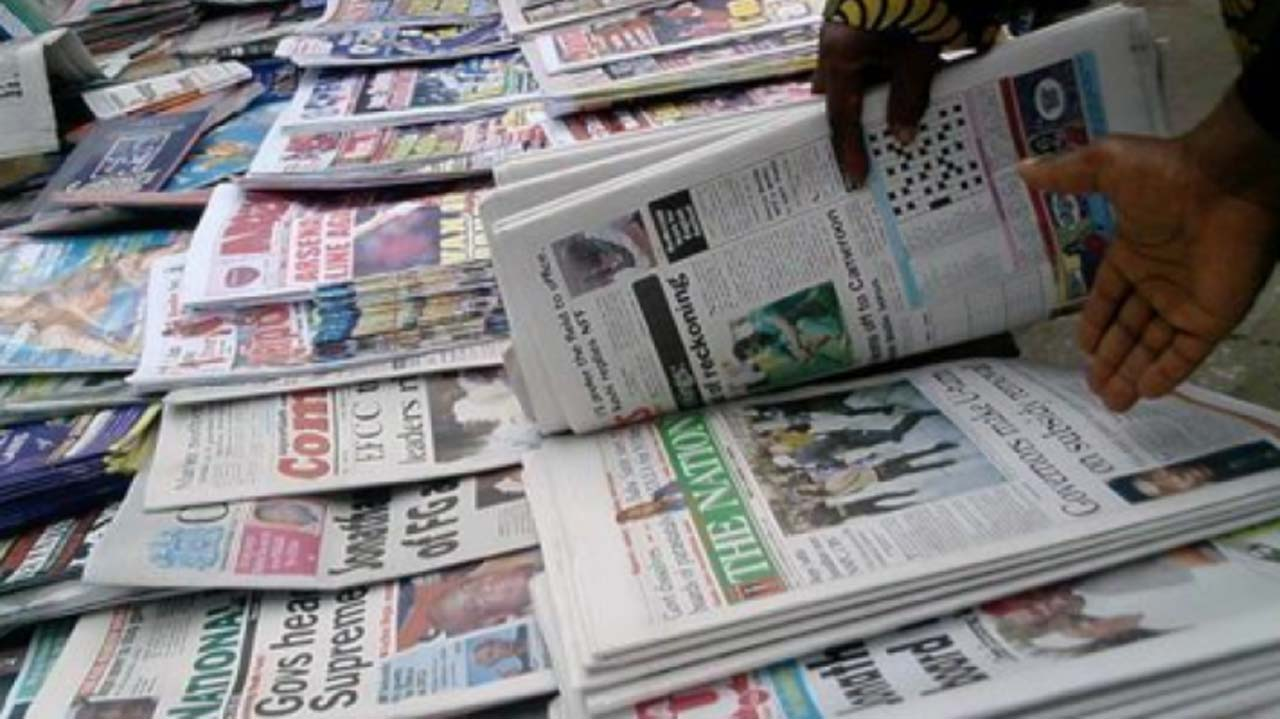
Controversy as security operatives ‘attempt to arrest’ Sunday Igboho by Premium Times and DSS, police ‘attempt to arrest’ Igboho by The Cable are the stories chosen by our analyst for proper understanding of how the Nigerian newspapers are practicing snowball journalism within the context of events or happenstance. 

“PREMIUM TIMES gathered from sources close to Mr Igboho that the acclaimed activist was accosted by security operatives attached to Operation Burst while on his way to Lagos. Mr Igboho did not respond to our correspondent’s calls and text messages seeking full details of what happened. The state’s police spokesperson, Olugbenga Fadeyi, did also not respond to calls and text messages either.” Whereas, The Cable just reported the event and how FFK alleged the arrest.

While giving background to the event, in order to justify the inclusion of Chief Femi Fani-Kayode as its main newsmaker, The Cable notes that “…but some Yoruba leaders, including Fani-Kayode, were against the earlier arrest order. “The IGP, thereafter, directed Ngozi Onadeko, Oyo commissioner of police, to arrest Igboho and transfer him to Abuja, but some Yoruba leaders, including Fani-Kayode, were against the order.”

Immediately after this, the newspaper introduced Chief Fani-Kayode’s tweets as supporting evidence. The failure to bring the voice of other Yoruba leaders, at least one or two into the story, reemphasize watching the news not explaining the chain of events with adequate information earlier noted by our analyst. The two newspapers [Premium Times and The Cable] ended the story the same. Who owns the news?

The Fair Use Rule and Snowball Journalism Practice

Snowball journalism practice is also better appreciated through these headlines about the new chairman of the Economic and Financial Crimes Commission [EFCC]. I’m afraid Malami won’t let Bawa succeed –Sagay  by The Punch,  Malami may compromise Bawa as EFCC chair, says Sagay by The Nation [acknowledged  The Punch],  New EFCC Chair: Malami may not allow Bawa operate independently -Sagay by The Premium Times [acknowledged The Punch] and Malami will not allow Bawa to succeed as EFCC chairman – Sagay  by  ICIR Nigeria [acknowledged The Punch]. 

Clearly, The Nation, The Premium Times and ICIR do not want to miss the message, but their reporters and editors practiced another category of snowball journalism, by extracting what Professor Sagay told The Punch. In our examination of the re-published story, some of these newspapers add new dimensions to the information provided by the newmaker. 

ICIR Nigeria says the new EFCC Boss may not succeed as a result of the influence of the Malami led administration since both are from the same state. The Premium Times reported that the influence of Malami will compromise the activities of Bawa as EFCC boss. The Nation and The Premium Times almost have the same frame  to the story.

When a correspondent of a newspaper reported an event or happenstance he missed by adding new frames or using the frames of the correspondent of the newspaper he copied, can we say the fair use rule has been followed judiciously? Before we say yes to this question, we should not forget that there are a lot of misconceptions about what is allowable practice under fair dealing in Nigeria.  Therefore, fair dealing or use remains controversial in the Nigerian Copyright Law

Misinformation and Disinformation Will Snowball

From the analysis, it is obvious journalists and publishers do not want to have seconds or minutes and hours without publishing a news story. However, practicing snowfall journalism, according to our analyst, is an enabler of fake news creation and distribution.  Apart from this, it negates the principle of truth and fairness expected from a professional journalist and a reputable media organisation. 


The Saudi Aramco’s $75 billion Dividend – And Options for Nigeria

0

Saudi Arabia’s Aramco (its equivalent of NNPC in Nigeria) has declared a dividend for financial year 2020 – and the number is massive: $75 billion. Yes, the company will share $75 billion among its investors. You may see that, and ask for the privatization of  NNPC, but remember electricity and NEPA which post privatization has not delivered a different outcome.

As the government plans to invest $1.5 billion, for rehabilitation, into a national refinery, many prominent Nigerians like Atedo Peterside (founder of Stanbic IBTC) have asked the government to kill the idea, and sell. But I do not just buy SELL these days since typically we invest say $5 billion to build, and then sell at $1 billion, and even after doing that, nothing changes.

With that, the question is this: what should be the playbook for Nigeria and NNPC to unlock the type of value, in proportion, Aramco has delivered in Saudi Arabia?

Oil giant Saudi Aramco reported a 44% slump in full-year 2020 results, but maintained its $75 billion dollar dividend payout, with CEO Amin Nasser describing the last twelve months as one of the most “challenging years” in recent history.

Saudi Aramco, Saudi Arabia’s behemoth state oil firm, reported net income of $49 billion in 2020, down from $88.19 billion in 2019. The result was slightly below analysts expectations of $48.1 billion but still represents the highest of any public company globally.

“In one of the most challenging years in recent history, Aramco demonstrated its unique value proposition through its considerable financial and operational agility,” Saudi Aramco Chief Executive Amin Nasser said in company statement Sunday.

In 2017, I was for “privatize and put in the stock market” when I wrote this, but today, after the mess in the electricity sector, I am not even sure privatization holds the magic wand in Nigeria. Indeed, after years, no one can claim that privatizing NEPA has brought better results in Nigeria’s electricity sector.

Simply, NNPC is still struggling to develop the capacity to reconcile its books with the Nigerian people. This may not be corruption; it could simply be lack of process, within a very complex Corporation, and the interrelationships it maintains with different segments of the Nigerian government, from the Federal Ministry of Finance to the Central Bank of Nigeria. It is a broken process and if General Buhari cannot fix it, it means we need to have a new strategy as a nation.

Yes, there is a way we can deal with this problem: take NNPC public and get its business done in the stock market. That way, all the missed and hidden money will be checked by market dynamics with dedicated experts looking at these numbers, more passionately, because they have fiduciary stakes in them.


NNPC Plc – Nigeria Should Take NNPC Public To Boost Transparency

.

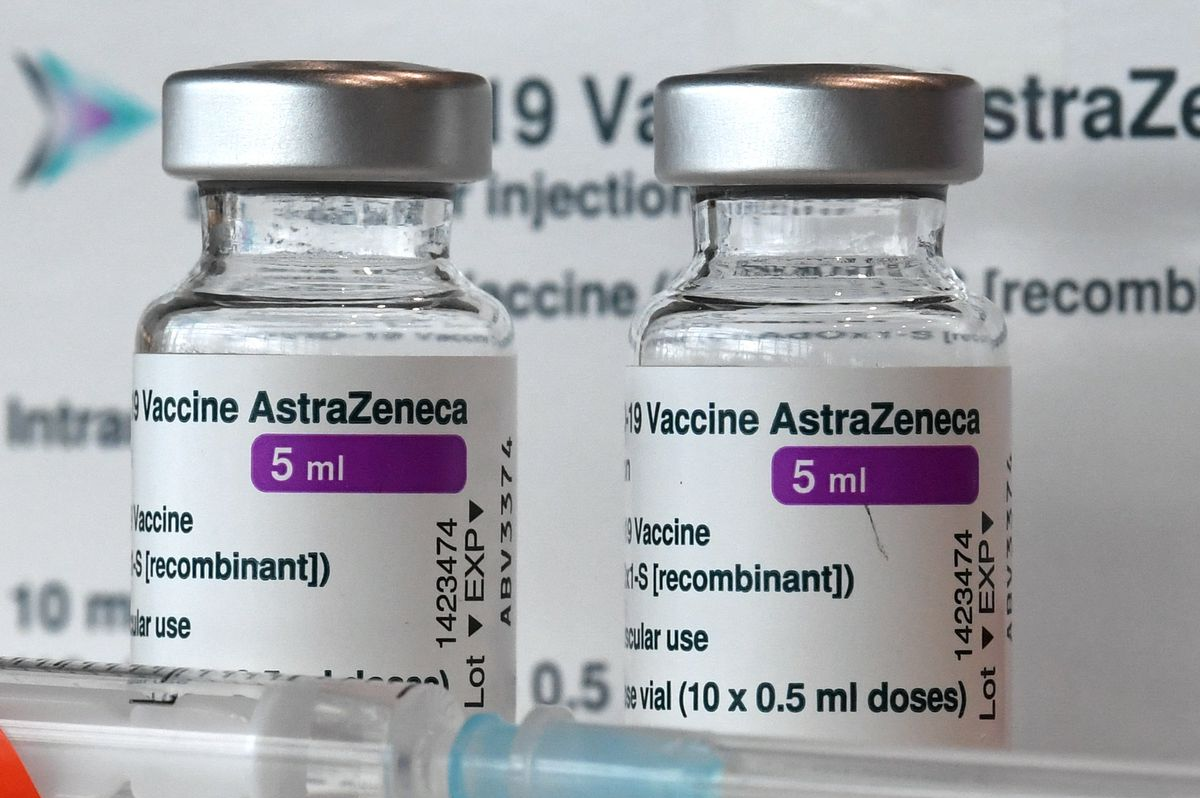
AstraZeneca Suspension is Becoming Political and Africa Shouldn’t Fall for It

0

As the world grapples with the third wave of COVID-19 pandemic, the need for vaccines has never been greater. With a limited quantity of approved vaccines available for over 7 billion world population, the stakes are becoming higher and every approved vaccine counts.

AstraZeneca, one of the only 10 approved vaccines so far was seen as a hope that will fill the wide gap, especially in developing countries. The United States and the United Kingdom have secured large quantities of Pfizer/BioNTech, Moderna and AstraZeneca vaccine doses, but Europe still has a huge deficit.

On the other side of the fight to tame the virus are Russia’s Sputnik V, while China has rolled out Sinopharm for its citizens. Bloomberg vaccine tracker said about 9.60 billion doses have been reserved through more than 130 agreements by many countries.

AstraZeneca however, is the vaccine of interest. The company struck a deal with University of Oxford in April 2020 to develop a cutting-edge vaccine and distribute 3 billion doses to the world in a non-profit gesture during the pandemic.

AstraZeneca/Oxford COVID-19 vaccine is part of the GAVI COVAX AMC WHO’s initiative.

The GAVI COVAX AMC is the innovative financing instrument that will support the participation of 92 low and middle-income economies, giving them access to donor-funded doses of safe and effective COVID-19 vaccines from the first quarter of 2021.

While the program offers hope to developing countries, its aim is to protect at least 20% of each participating population by the end of 2021. More than 1.3 billion of vaccine doses will be made available to the 92 participating economies by the end of the year.

This plan however, is on the verge of being altered. There have been reports of about 40 cases of blood clots resulting in the death of more than eight people who received the AstraZeneca vaccine, giving many countries the alibi to halt the vaccination exercise.

So far, more than 18 countries, including Germany, Italy, France and Spain have suspended the use of the jab. The European Union is seriously considering putting it away.

With the stakes so high, as Europe is currently grappling with the third wave of the pandemic amidst shortage of vaccines, the dilemma to choose between a few deaths that may result from the vaccine-induced blood clots and many more deaths that will come from the virus is ongoing.

On Tuesday, the European Medicines Agency (EMA), the European Union’s medicine regulator, said it has launched an investigation into the reports of AstraZeneca blood clots. But it’s convinced, even though there have been confirmed cases of blood clots among those who received the jab, that “the benefit of using AstraZeneca vaccine outweighs the risks.”

“EMA currently remains of the view that the benefits of the AstraZeneca vaccine in preventing COVID-19, with its associated risk of hospitalization and death, outweigh the risks of side effects,” the Agency said.

Outside Europe, Thailand, Australia and Democratic Republic of Congo followed the steps of European countries by delaying the administration of the AstraZeneca jabs. The suspensions have placed AstraZeneca in a bad light and the negative publicity around the vaccine is threatening to undermine Europe’s chance to beat the pandemic keeping pace with the US.

AstraZeneca shares tumbled about 3% on Thursday following the news that Denmark had joined the suspension ranks.

The growing number of countries suspending and delaying the jabs is now considered political. AstraZeneca is not a vaccine company; it was compelled by moral obligation to delve into vaccine production through a deal with the University of Oxford, and now it’s paying some price for that.

“With the vaccine, I think they got in over their heads. They probably didn’t realize the politics behind it and they are not a vaccine company,” says Andrew Berens, a biopharma analyst at SVB Leerink. “They felt a moral obligation to help the Oxford-UK technology … obviously it turned into a huge political issue and somewhat of a PR blemish on a company with a very good track record.”

AstraZeneca’s popularity is dwindling as more governments make the decision to suspend its vaccine. A poll conducted in Germany on Wednesday showed 54% of Germans believe the government was right to suspend the jabs. In France, a poll on Wednesday showed trust in AstraZeneca dropped to 20% compared with Pfizer/BioNTech’s 52%.

Although like EMA, the World Health Organization (WHO) has stood behind AstraZeneca and more countries, supporting the assertion that the suspension has all been fueled by politics, as governments, not scientific institutions, were making the decision to suspend the vaccine, more countries are moving to reverse their decision to suspend AstraZeneca.

“What is the point to have scientific institutions like the EMA and the WHO if decisions on vaccines are taken on political grounds?” asked Sylvain Giraud, a health directorate official.

Many of the countries who made the decision to suspend AstraZeneca are believed to have done so following the steps of others.

French media have suggested the suspensions by Paris, Rome and Madrid were in concert, with leaders in all three countries deciding in a series of phone calls after Germany’s decision that they had no option but to suspend.

Although the WHO reiterated on Friday that the AstraZeneca batches under question were manufactured in Europe, while its vaccine attached to COVAX were made in India and South Korea, many African countries, who depend solely on COVAX, are contemplating their choice of AstraZeneca, just like Congo.

Nigeria, Africa’s most populous nation received its first batch of AstraZeneca earlier this month, and has been under pressure to suspend it following the steps of other countries. The West African country said there is no reason so far to stop administering the jab.

Apart from the fact that AstraZeneca batches being administered in Europe and Africa are not the same, Nigeria has not recorded any case of blood clot to compel her to suspend the jab.

Unlike Europe which has access to multiple vaccines, Africa’s choices are narrowed due to lack of funds, inadequate infrastructure and hot climate. It will therefore hurt its chances to contain the pandemic if African countries begin to tow the path of Europe just for political correctness.