DD
MM
YYYY

PAGES

DD
MM
YYYY

spot_img

PAGES

Home Blog Page 5964

Nigeria’s 60% Debt Service to Revenue Ratio And Push To Borrow from Unclaimed Dividends, Dormant Bank Balances

1

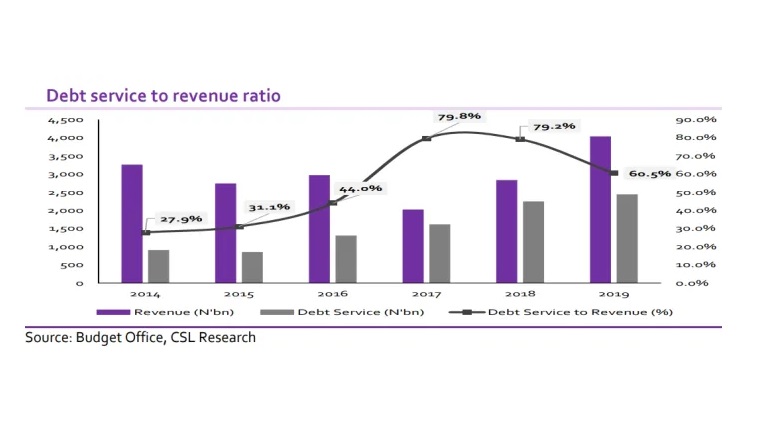
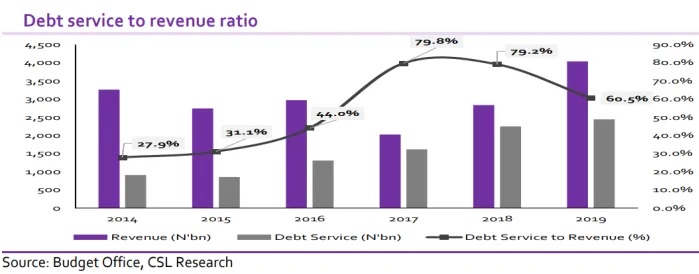
I had expected this  to be part of the 2019 electioneering. Of course, ideas do not win elections in Nigeria. People, our debt service to revenue ratio is a real problem. Think about it: if you earn $1,000 as revenue and you spend $600 to service your debt, you will agree that your business has no chance to survive in Nigeria and possibly anywhere on earth. That is exactly what is happening for Nigeria as an institution and the reason why many are fearful.

In 2014, the ratio was about 28%; then it rose close to 80% during the recession and now we are at 60%. When 2020 data comes out, it may be close to 90% considering that revenue was severely affected during the lockdown.

Nigeria will be selling assets in coming quarters as it looks for money. I think nearly all the power plants are gone. Before you wail at Buhari, the state governments are even worse. They have sold what took the states years to acquire largely for nothing! My prediction is that another ASUU strike will end up with a threat of privatizing federal universities.

Besides campuses, are there other things we can sell? Of course Nigeria wants to borrow from unclaimed dividends and dormant bank account balances: “According to the Finance Act 2020 recently signed into law by President Muhammadu Buhari, the trust fund will be a sub-fund of the Crisis Intervention Fund: “Unclaimed dividends and bank account balances unattended to for at least six years will available as special credit to the federal government through the Unclaimed Funds Trust Fund”.

“Any unclaimed dividend of a public limited liability company quoted on the Nigerian Stock Exchange and any unutilised amounts in a dormant bank account maintained in or by a deposit money bank which has remained unclaimed or unutilised for a period of not less than six years from the date of declaring the dividend or domiciling the funds in a bank account shall be transferred immediately to the trust fund,” the act read.

The act exempts official bank accounts owned by the federal government, state government or local governments or any of their ministries, departments or agencies.
Amazon Air Takes Off for Faster Ecommerce Operations

0

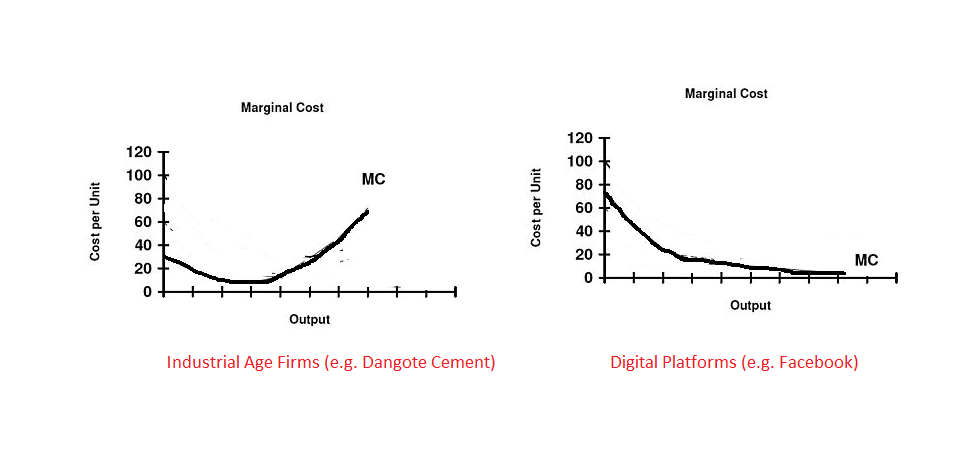
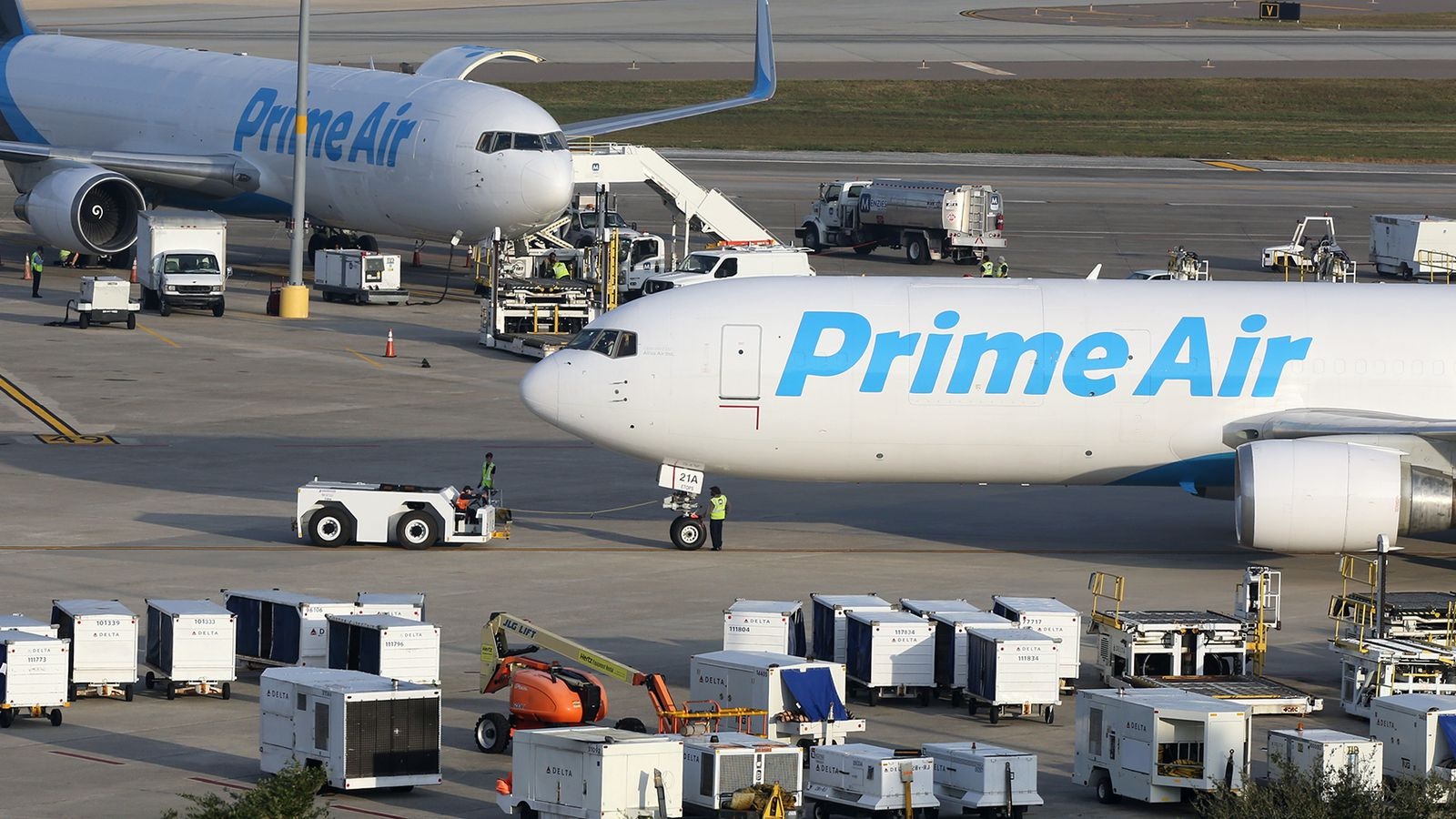
As I have noted, the core component in marginal cost in an ecommerce business is on distribution. And anyone who controls that distribution has an upper hand. The news is that Amazon has purchased many planes; it used to lease. What that implies is that Amazon is going all the way to run an end to end logistics operations, across all nexus and dimensions, from road to air, in order to deliver those packages on time and in full.

Amazon is taking delivery to new heights. For the first time ever, the e-commerce giant has purchased 11 Boeing 767-300 planes, having previously leased aircraft in the past. The move is part of an effort to beef up its cargo operations and to “supplement capacity” from carriers like UPS and FedEx. Amazon expects to have more than 85 planes in service by the end of 2022, according to Bloomberg, to “keep pace in meeting our customer promises.” Amazon is one of the companies that has flourished during the pandemic as consumers have increased online shopping exponentially. (source)

Simply, for Amazon Prime to remain a rainmaker for Amazon, it needs to deliver a new dimension of service. That way Primer membership renewal will continue to happen. Amazon has more than 150 million Prime members globally. If you take an average of $100 per member, you will get $15 billion revenue  which these members pay for the privilege to shop at Amazon. That money could have cost Amazon a lot if it was to be borrowed from a bank. But here, Amazon gets that money interest-free from these members.

More so, because the members have paid this money, many of them are incentivized to shop more at Amazon, creating a virtuous circle which enables Amazon to make more money. Buying planes to keep these customers happy, through faster delivery, is a good call for Amazon.

Understand Your Marginal Cost!

Amazon-Berkshire Hathaway-JPMorgan Chase’s Haven Fails

0

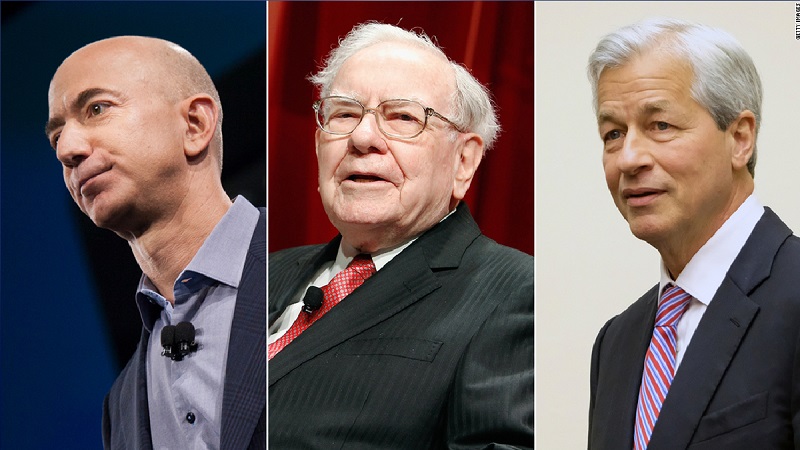
It was seen as a game changer in the American healthcare sector when it was unveiled many months ago. Yes, bringing JP Morgan Chase, Amazon and Berkshire Hathaway  together to invent a new system was a big deal. But healthcare is not an ecommerce operation which you can optimize easily. Of course, it is not banking, and certainly falls outside the domain of Warren Buffett’s investment sagacity. 

So, the news is that Haven, a  joint venture between the CEOs of Amazon, Berkshire Hathaway and JPMorgan Chase, has informed employees that it will shutter by the end of the month, reminding everyone of the difficulty of changing the highly regulated healthcare sector in the United States..

  • Haven began informing employees Monday that it will shut down by the end of next month, according to people with direct knowledge of the matter.

  • Many of the Boston-based firm’s 57 workers are expected to be placed at Amazon, Berkshire Hathaway or JPMorgan Chase as the firms each individually push forward in their efforts, the people said.

  • One key issue facing Haven was that each of the three founding companies executed their own projects separately with their own employees, obviating the need for the joint venture to begin with, according to the people, who declined to be identified speaking about the matter.

Sure, the experiment will offer many insights to the companies as LinkedIn noted: “Three years ago, the trio sent shock waves through the medicine world with hopes its new company could innovate in the primary care, insurance and prescription drug space. Haven’s collapse reflects how hard it is to “radically improve” America’s “complicated and entrenched” health care system, per CNBC.”

The lesson here is evident: the human system is different and sometimes the most valuable thing is not measured in financial terms. While we can improve banking, investment thesis and ecommerce,  no one can optimize how doctors work because the systems they work on are evidently unique and different.

Tekedia Mini-MBA Early Registration Ends Soon; Register Now for Great Benefits

0

Frictions. Capabilities. Products. Yes, markets have frictions, and you need capabilities to fix them. Those capabilities help you arrange and organize factors of production to create products and services. Products and services are forces which overcome those “frictional forces” which exist in markets.

 I was a very good physics student in secondary school: if there is a force, you need a force to overcome it. Your customers’ problems are market frictions for you. The products or services you deliver are the forces you are creating to overcome them. Make those products great, moments come.

I ask you to join me and other 90 faculty members at Tekedia Institute mini-MBA where we educate on the mechanics of markets and business systems. I promise you – you will see things differently. You will learn of new frameworks and models. You will ADVANCE.

Besides, you get a free course on Facyber.com cybersecurity training, our published books like The Dangote System, Africa’s Sankofa Innovation, etc plus free access to our Innovation Week, and Career  Week (not for jobs, but for the physics of great careers).

Our early bird ends soon; register now to beat it and get those benefits. Click here and register.

Tekedia Mini-MBA Edition 4

The Unification Google Does Not Want

2

Google has changed over the last few years, looking from the outside. That is expected as our world, and indeed everything, has changed. First is the advertising devaluation: if you needed 20,000 page views to make $1, Google could just wake up one day, and shift the goal post to 50,000 views for the same $1. 

That is why in most websites, especially in Nigeria, media houses are adding ads everywhere just to make up what was “lost”; it is a vicious circle as they have no chance. You can call that free market pricing under market forces. But you need to understand that Google owns the open search and advertising planet, with Facebook participating via its walled planet.

It is extremely bad: you grow traffic, and you make less money. That is the world Google has given publishers. Sure, it can claim that advertisers are paying less. That is not true; Google’s profit continues to improve, and what that tells me, is that it is using its market power to extract more value from small publishers around the world. It is very fearful if you look deep on the power one company has.

So, the news that its workers want to form a union is a good one. I wish them good luck and hope they can change this company for good, not just internally but externally. But let this be known: this is one unification or “organizing” Google will fight, even as it promises to “organize” the world information!

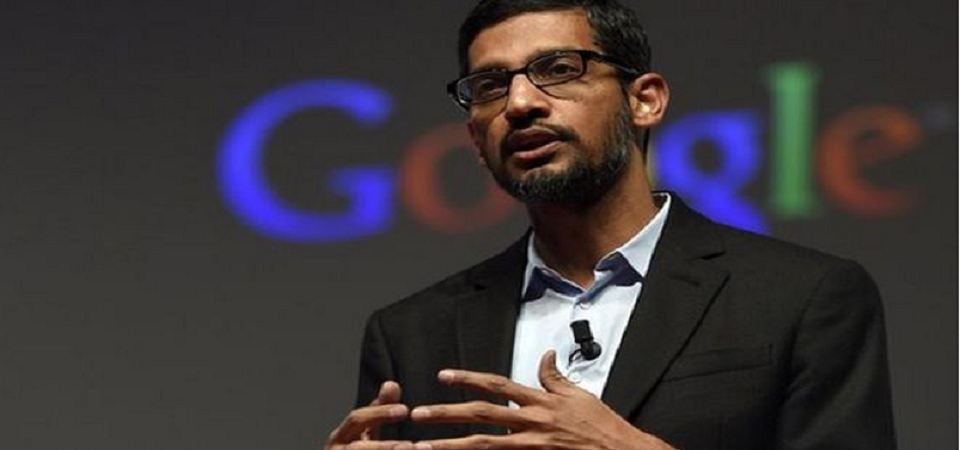
CEO of Google

In one of the first Big Tech unions, more than 225 workers at Google have formed a “minority union” with the Communications Workers of America. The more informal grouping allows for the inclusion of contractors at the Alphabet-owned company, who outnumber full-time workers, and doesn’t require contract negotiations. The announcement comes after demands by workers on such issues as pay and harassment, and is aimed at giving “structure and longevity to activism at Google,” according to the workers, writes The New York Times.

On the union, Samuel Nwite has a detailed report on it here for Tekedia: “This statement suggests that Google will not recognize the newly formed union and will carry on like before. But the union leaders said their goal isn’t to force a new system, but to ensure that things are done right. So for the year 2021, it is not going to be business as usual at Google.”

Let’s hope they include how Google prices its products for many independent publishers. 

Everyone wants to be a publisher and depends on ads. But watch out, after six months, the vision goes. Google’s power on ad is more power than whatever Rockefeller did on oil many decades ago. This has made visiting local Nigerian newspapers challenging as they put adverts everywhere, pursuing an illusion.

We Have Had Enough: Google Workers Form A Union