DD
MM
YYYY

PAGES

DD
MM
YYYY

spot_img

PAGES

Home Blog Page 5984

Oolu, Senegalese-based Solar Startup Raises $8.5m in Series B Funding

0

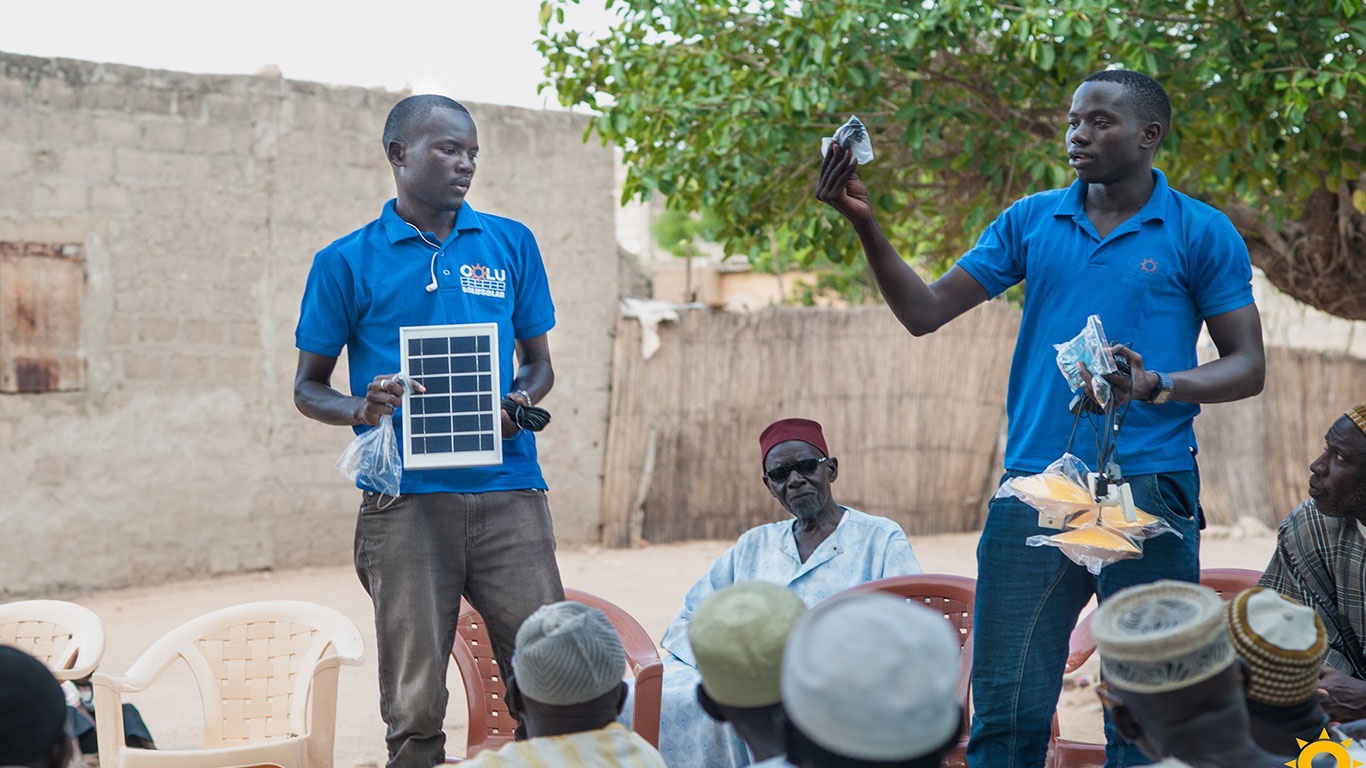
Solar energy has continued to attract huge sums of investment across Africa, as the continent pushes to bridge its electricity gaps. Oolu, a Senegalese-based solar energy startup has raised $8.5 million in Series B equity investment.

The round was led by independent renewable energy developer, RP Global, backed by other investors including Persistent Energy Capital (PEC), Shell-seeded impact investor All ON, Gaia Impact Fund and DPI Energy Ventures.

Co-founder and CEO of Oolu, Daniel Rosa said the investment round at a time of pandemic like this shows that the company is offering value in its products.

“The strength of our business and industry during a challenging global pandemic has demonstrated the value that customers see in our products and service. RP Global’s financial expertise and experience in managing renewable energy business will enable us to accelerate our growth.

“All On’s unparalleled knowledge of the renewable energy sector in Nigeria will help us to further adapt our business to meet customers’ needs. In addition, we are excited to continue our successful collaboration with investors especially persistent,” he said.
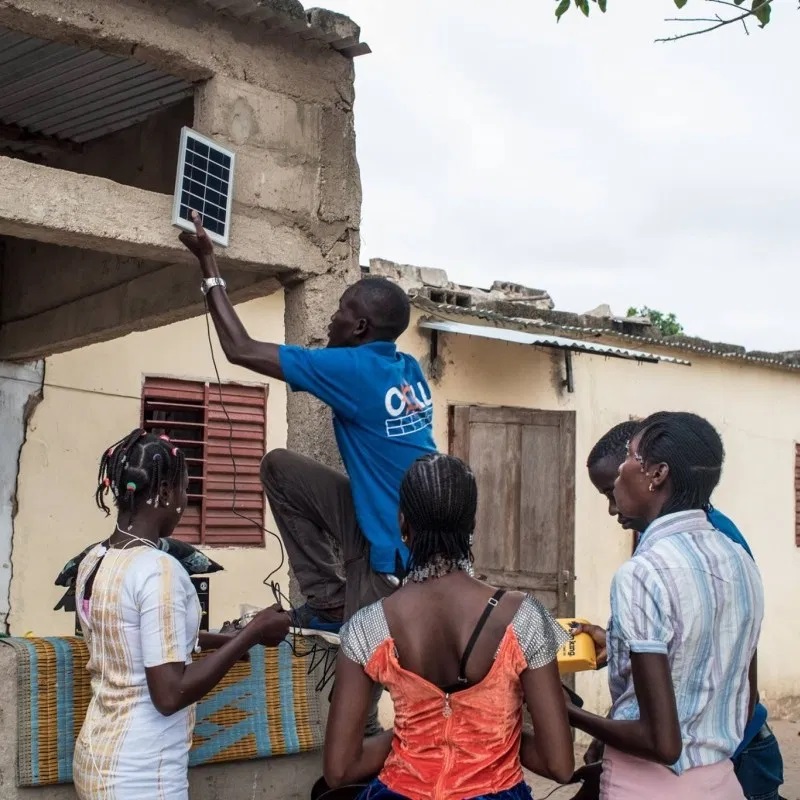
The round is part of culminating funding that started in 2017 with a $3.2 million Series A investment led by PEC. Oolu was founded in 2015 by Daniel Rosa and Nilmi Senaratna to provide affordable electricity for the underserved using a pay-as-you-go business model. It attracted US seed-stage accelerator, Y Combinator who invested its $150,000 seed money in the startup while it was in the former’s 2015 Summer batch.

There was also an undisclosed investment made in the startup by GAIA Impact Fund, a Francophone-focused venture fund specializing in clean energy in 2018.

Techpoint noted that it was geared toward the Series B round which was expected to close in 2019, but was prolonged to 2020 for unknown reasons. So far, Oolu Solar has raised a total of $11.7 million.

West Africa has a staggering number of over 150 million people who lack access to electricity, and the global shift to cleaner energy has made the region a huge market for solar energy companies. While there has also been an increase in solar energy activity in East Africa, companies in Francophone West Africa have been drawing promising investments with the aim of securing a large market share in the emerging market.

The underserved scattered across rural areas of the market have been won over by the pay-as-you-go model that makes the energy supply affordable. Oolu said it has gained a large market share in the villages using the affordable business plan. According to the startup, over 60,000 solar systems have been installed at homes in its six markets since it was launched.

RP Global Africa disclosed that the recent investment will enable it to expand to non-Francophone West Africa, following the existing trajectory.

“We are looking forward to working with the most promising solar home systems provider in West Africa. Having found a partner with such an efficient structure and excellent management makes us optimistic that this will be our greatest venture in Africa to date” Leo Schiefermuller, Director of RP Global Africa said.

A report from business consultancy Kleos Advisory notes that over 600 million people, or one in two, in Africa still lack access to grid-powered electricity. The report said that over 5 million pay-as-you-go home solar systems have been sold in the continent but there is still a potential $24 billion market per year for off-grid solar systems.

“Given the ability of solar-fintech solutions to deliver power to African households along with affordable financing to pay for it, solar could be the breakthrough technology that finally connects Africa’s vast off-grid communities,” the report said, adding that the combination of solar and fintech is driving an economic transformation in Africa.

With untapped $24 billion off-grid market value, Africa has become a lucrative destination for solar investors, and startups like Oolu are stepping forward for the gain.

In One Year, Abdulrahman’s Reformation and Reconstruction Agenda Yet to Deliver Expected Public Goods in Kwara State -Report

0

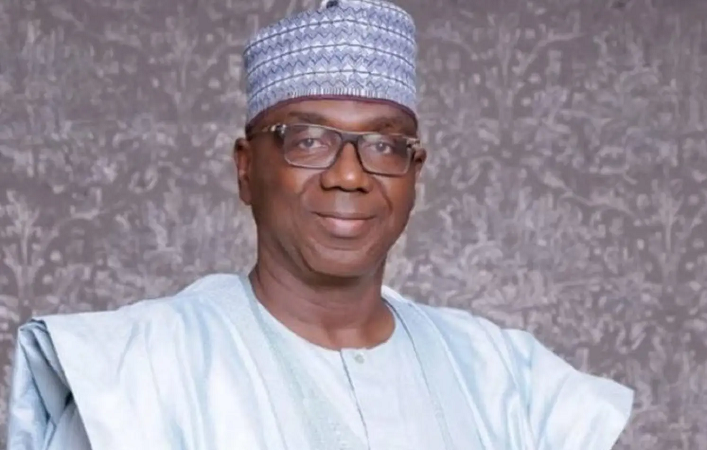
In 2019, Alhaji Abdulrasaq Abdulrahman became Kwara State Governor after several months of campaigns, convincing the indigenes and residents that there is a need to change the year-long Saraki Dynasty political dominance in the State.  Under the popular Otoge campaign slogan, Governor Abdulrahman promised people a number of public goods which would accrue to them through his reformation and reconstruction agenda. “If Otoge got us through the struggle to the point of victory, and given the enormous task of reformation and reconstruction ahead, it is now time for Iseya. As you will all agree, there is so much to be done. “These range from institutional reforms and reconstruction, infrastructural development, human capacity building, social welfare and policy reforms to other socio-economic, cultural, scientific and administrative repositioning. It is not in our tradition to shy away from challenges. We shall engage them and find solutions,” Alhaji Abdulrasaq Abdulrahman said during his inauguration as the new Executive Governor of Kwara State.

In one year, a new report from the Brain Builders Youth Development Initiative, a Kwara based non-governmental organisation, notes that less than 30% of 7,391 people in the State considered his administration excellent.

“Three rating scale was given to 9 out of the 11 thematic areas examined. Less than 30% of the sampled citizens gave a 4 rating to all the areas, while more than 81% and 73% gave 1-rating to security and open governance respectively. Health and Water Resources Ministries and their commissioners received better rating [4-rating] than environment and forestry, sports, education and human capital development. Sports Ministry and its Commissioner were given 1-rating more than education and human capital development ministry and its commissioner.

At 3-rating, the Ministry of Environment and Forestry, and its Commissioner was better during the one-year period of assessment than Ministries of Water Resources, Health and Education and Human Capital Development.  In all the segments, sampled citizens believe that the government has done a number of programmes and projects that have changed the State outlook.  Despite this, our analysis of the responses shows that efforts in the security, open governance, water supply, anti-corruption, and climate actions were rated poorly, while activities within good governance, infrastructure, anti-corruption, health and youth development were considered as exceptional.

Our analysts note that the consideration of these segments as excellent could be linked with the fact that some policies and programmes of the government shifted from the previous policies and projects of the past administrations that made sustainable public goods impossible in the segments,” the report notes.

Download the full report here

Tekedia CaseWorks on Jevinik Restaurant

0

It is ready – Tekedia Institute CaseWorks on Jevinik Restaurant. Uchenna Nwoke, a FMCG veteran and a former manager in the company, helped us put this together. He used only publicly available data. It is a beauty – and I am confident Tekedia Mini-MBA members will use this casework to advance their capacities to create great companies. By the end of 2021, we will have 200 business cases in our digital library. Visit what we are working on here.

Tekedia Mini-MBA Edition 4


In 2021, Do Not Just Innovate; Bring Symphonic Innovation In Your Business

0

In 2021, do not just innovate. Bring symphonic innovation in your business. But what is symphonic innovation? I explained in my book – Africa’s Sankofa Innovation:

“Symphonic Innovation is innovation that is not domain-specific, but is anchored on a unified and harmonious approach in the deployment of technology components to accelerate productivity gains and cushion competitiveness. With Symphonic Innovation, you do not deploy and launch for one technology area like blockchain only to be tripped by AI or big data; you launch with a mindset that these technologies are like extended musical compositions which must be carefully organized to make the orchestra an unforgettable experience.” 

In this book, I took time to explain all the dimensions of innovation. Yes, I see these things from multiple angles, having earned degrees across many fields. 

Members, if you have not read, use this holiday season to read through – https://school.tekedia.com/books/

Why the Nigerian Government Needs to Encourage Locally Sourced Chickens

0

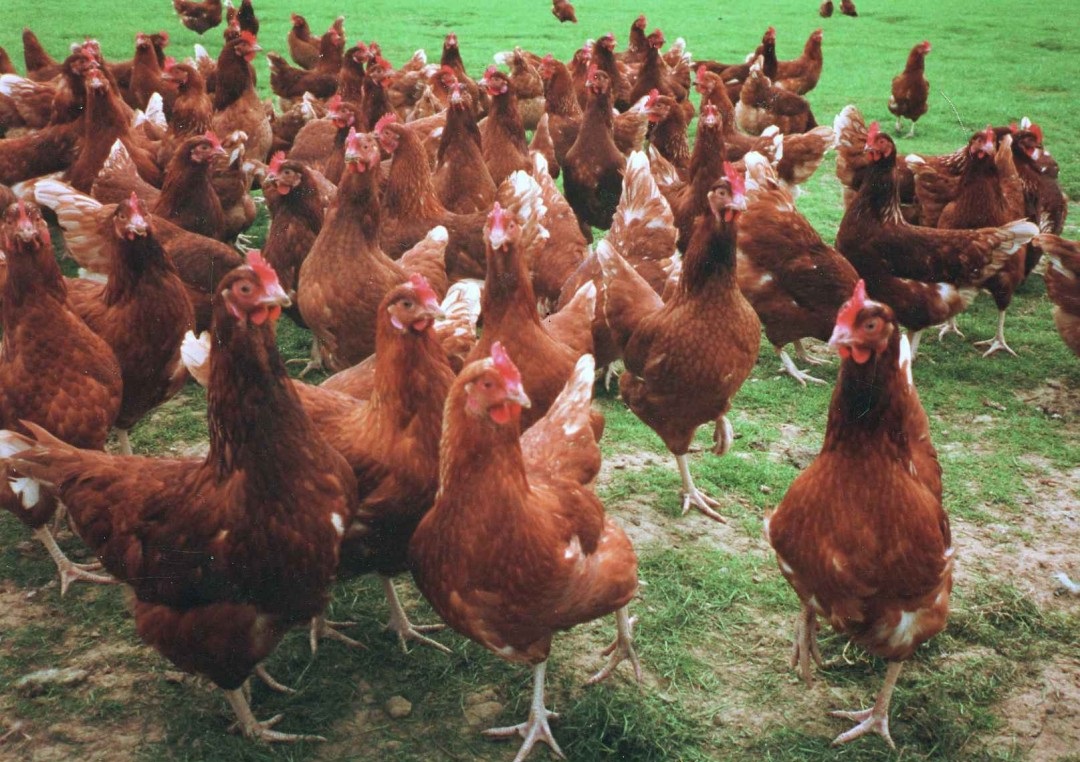
Now that the yuletide is here, the demand for chicken is expected to skyrocket in the market. Farmers and sellers of chickens are already keeping their fingers crossed to witness what should be their heydays for the year. However, our experience has shown that local producers are often disadvantaged in the market due to perceived differentiation in pricing with foreign-sourced chickens, dumping, and lack of proximity of outlets to consumers.

No doubt, income from poultry production constitutes a significant share of the total household income across all production systems. However, apart from generating cash income for producers, poultry keeping contributes to livelihoods by providing protein and other nourishments to consumers.

Globally, more than 60 billion chickens are killed for consumption every year. Nigeria is the second largest chicken producing country in Africa after South Africa (SAHEL 2015 and FAO 2019). The Nigerian poultry industry comprises about 180 Million chickens which produce more than 450 billion tonnes of meat and 3.8 million eggs per year. In Nigeria, meat is the most consumed poultry product with a greater preference for broiler meats.

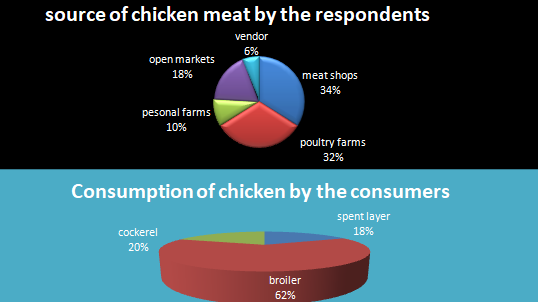
The above is espoused by a 2014 study of consumer preference and perception of the different types of chicken meats among 370 respondents in the University of Ibadan by Ogunwole O. A., Omojola O. T., and Adedeji B. S. The study showed that the majority of respondents (62 percent) preferred to take broiler meat due to its tenderness or juiciness, and respondents mostly buy their chickens from meat shops followed by poultry farms as well as open markets and personal farms respectively. However, while all respondents admitted to consuming poultry meat, the majority (51.9 percent) consume it monthly, 28.9 consume it weekly, whereas, 19.2 percent consume it only during the festive periods (e.g Christmas).

Challenges of Local Farmers

One of the greatest challenges (perhaps the strictest one) local poultry farmers often contend with is dumping and over flooding of the local market with foreign processed chickens. Researchers experience that despite the ban on the importation of frozen foods into Nigeria, smugglers still get into the country with smuggled frozen chickens of about 1.5 Million tonnes which poses great health risks on the lives of Nigerians.

In a 2015 study of chicken buying behaviour among Kwara state residents by A.G Adeyonu, E.O Oyawoye E.F. Fabiyi, and A. O. Owolabi, it is revealed that the great health risk of the imported frozen foods is due to additive chemicals to preserve it. Hence, concerns about the carcinogenic harm of foreign processed chickens should enhance the need to promote locally processed ones. Furthermore, locally produced chickens are usually disadvantaged due to perceived differentiation in pricing with foreign-sourced ones. As at the time the study was carried out, one kilogram of smuggled frozen chicken was sold for 680 Naira while the price of one kg of locally processed chicken was sold at 750 Naira. This survey shows that smuggled chicken was cheaper than the locally processed ones, thereby encouraging consumers to forgo locally produced chickens.

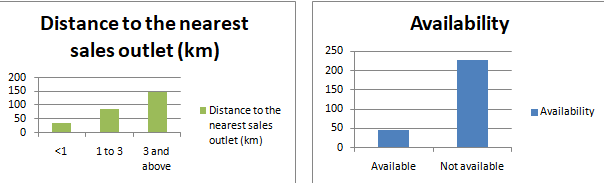
Another challenge is that of the proximity of outlets for local chickens to consumers. The aforementioned study shows that locally processed chicken outlets are not strategically located for easy access to consumers. Over 80% of respondents confirmed that Nigerian Processed Chickens were not readily available and that the distance to sales outlets was 3.21 km. However, further analysis shows that while the willingness to purchase Nigerian Processed Chickens decreased with sales outlet distance, it increased largely with education and income.

From the foregoing, it is apparent the willingness of Nigerians, especially the learned and discerning ones to stick to locally produced chickens. However, distance or inaccessibility of the outlets for the locally produced chickens to most consumers as well as porosity in the borders that gives way to smugglers and lack of price regulation have been the major setbacks to the local farmers and producers of birds. Thus the following recommendations are made:

  1. There is need for a more stringent approach on the part of the Government to regulate the importation of frozen foods into the country.
  2. Better import substitution strategies that will foster an enabling environment for local producers and processors must be activated.
  3. Policies that will enhance local buyers’ purchasing power should be pursued in order to encourage their willingness to pay for Nigerian processed chickens.
  4. Farmers should seek to establish more sales outlets through collaboration with standard supermarkets or stores in urban centers.