DD
MM
YYYY

PAGES

DD
MM
YYYY

spot_img

PAGES

Home Blog Page 616

SpacePay Solves Crypto’s Biggest Problem: Nobody Can Actually Spend Their Tokens

0

Meta – Despite billions in crypto holdings, most tokens remain unspendable in real-world commerce. SpacePay’s $1.3M+ presale addresses this fundamental utility gap by creating practical merchant payment infrastructure.

Crypto has created a $3+ trillion market where millions of people hold digital assets they cannot spend on everyday purchases.

Coffee shops reject Bitcoin, restaurants refuse Ethereum, and retail stores avoid Dogecoin payments. This leaves token holders with valuable portfolios but zero purchasing power.

SpacePay’s presale has surpassed $1.3 million by directly addressing this fundamental disconnect between crypto ownership and practical usability.

The $3+ Trillion Problem: Crypto You Can’t Actually Use

Bitcoin holders with six-figure portfolios cannot buy lunch at most restaurants using their digital wealth.

Ethereum investors owning thousands of dollars in tokens face rejection when attempting to pay for groceries or retail purchases. The disconnect between portfolio values and spending power creates frustration across all cryptocurrency communities.

Major retailers like Amazon, Walmart, and Target still refuse cryptocurrency payments after years of adoption discussions.

Small businesses avoid crypto acceptance due to concerns about volatility, technical requirements, and regulatory uncertainty that create operational barriers.

Credit card companies process trillions in annual transactions and cryptocurrency payments remain negligible outside of speculation and cross-border transfers.

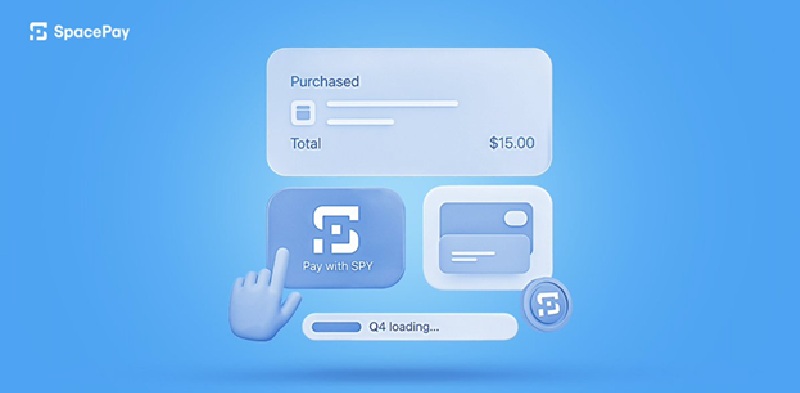
SpacePay’s instant settlement feature solves merchant hesitation by converting cryptocurrency payments to stable fiat currency immediately upon transaction completion.

Business owners receive predictable dollar amounts rather than volatile digital assets that could lose value before conversion.

The platform’s 0.5% flat transaction fee provides cost certainty that traditional payment processors cannot match with their variable pricing structures.

Why Merchants Avoid Crypto Despite Customer Demand

Volatility concerns prevent businesses from accepting cryptocurrency payments that could lose value between transaction and conversion.

A restaurant accepting $100 in Bitcoin might receive $90 in actual value if prices drop during processing delays.

Technical integration requirements discourage small businesses lacking IT expertise from implementing cryptocurrency payment systems.

Complex wallet setups, blockchain confirmations, and conversion procedures create barriers that overwhelm typical merchant capabilities.

Training costs multiply when businesses must educate staff about cryptocurrency handling, security procedures, and customer support for digital payment issues.
Additional education requirements strain operational budgets and create implementation delays.

By utilizing existing corporate infrastructure, SpacePay’s connection with Android point-of-sale systems eliminates technological obstacles.

Without investing in new infrastructure or becoming knowledgeable about intricate blockchain technologies, merchants can accept bitcoin payments.

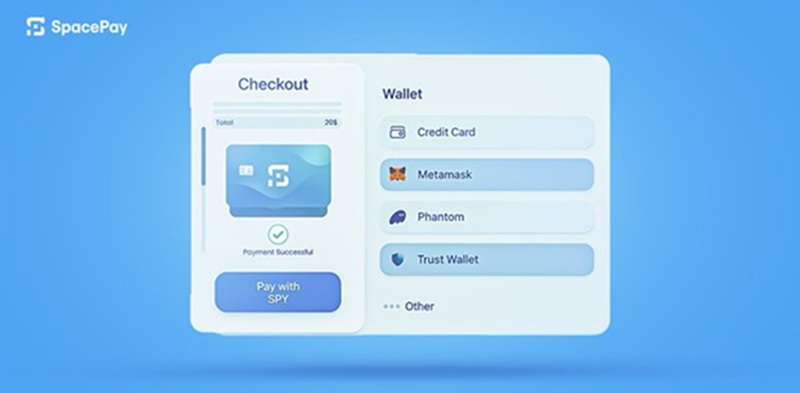
Businesses may service clients using any cryptocurrency wallet thanks to the platform’s compatibility with 325+ wallet providers, eliminating the need to manage multiple payment systems.

SpacePay’s Direct Solution to the Spending Problem

QR code payment generation simplifies cryptocurrency transactions to the same complexity level as traditional mobile payments.

Consumers may verify payments using well-known wallet interfaces and scan merchant codes without needing technical or blockchain knowledge.

Any digital asset can be accepted by retailers using a single payment interface thanks to cross-cryptocurrency interoperability.

By using universal processing protocols to accept all supported tokens, businesses can avoid having to choose between Bitcoin, Ethereum, or other cryptocurrencies.

SpacePay’s award recognition as “New Payment Platform of the Year” at CorporateLiveWire Global Awards 2022/23 validates the platform’s approach to solving practical cryptocurrency spending problems.

Regulatory compliance across every unsanctioned nation allows global merchant adoption without geographic restrictions or legal uncertainty.

Revenue sharing through SPY tokens creates financial incentives for platform growth through actual transaction volume rather than speculative price appreciation.

Token holders benefit from solving real spending problems that generate measurable business activity.

From Digital Hoarding to Real Commerce

Customer acquisition accelerates when cryptocurrency holders discover practical spending opportunities for their digital assets.

Users seek platforms that convert portfolio values into purchasing power rather than requiring exchange trading for fiat currency access.
Merchant education focuses on practical benefits like instant settlements and predictable fees rather than cryptocurrency investment concepts or technical blockchain details.

Business adoption improves when discussions center on operational advantages rather than speculative potential.

Long-term sustainability depends on solving real commerce problems rather than creating additional cryptocurrency speculation opportunities.

Payment infrastructure value increases through practical usage that generates measurable economic activity and business relationships.

Customer retention improves when cryptocurrency holders can access their digital wealth for everyday purchases rather than only through exchange trading or complex conversion processes.

SpacePay addresses cryptocurrency’s fundamental utility problem by converting digital assets from speculative investments into practical spending tools that work at real businesses today.

The platform’s approach creates immediate value for both cryptocurrency holders seeking spending power and merchants wanting new customer payment options.

Interested participants can join the presale by connecting their cryptocurrency wallets to SpacePay’s platform.

They can choose the desired SPY token quantities at the current $0.003181 pricing and complete transactions using their preferred digital assets or traditional payment methods.

                                  JOIN THE SPACEPAY (SPY) PRESALE NOW 

       Website    |    (X) Twitter    |  Telegram

The Nigeria – Academic Staff Union of Universities (ASUU) Agreement in 1999

0
ASUU Leaders

The 1999 agreement between the Federal Government of Nigeria (FGN) and the Academic Staff Union of Universities (ASUU) remains a landmark in the landscape of higher education in the country. This agreement was born out of a critical need to address the deteriorating state of Nigerian universities at the time and contains lessons that continue to resonate today. Understanding the key issues of agreement and the roles played by both parties offers valuable insights into the challenges and potential pathways for educational reform.

Context and Catalysts for Negotiation

In early 1999, Nigerian universities faced significant challenges, including poor funding, inadequate remuneration for academic staff, and limited university autonomy. These conditions led ASUU to declare a trade dispute, urging the government to intervene. The deteriorating state of universities was not only affecting staff morale but also threatening the quality of education and research, with many top academics considering leaving the country or the profession.

The government recognized the urgency of the matter and authorized the Minister of Education to lead a negotiating committee with ASUU. The basis for negotiation rested on collective bargaining principles previously employed in 1992 when an earlier agreement had been established but not reviewed as intended. This stagnation contributed to worsening conditions in the university system, underlining the importance of timely review and adaptation of such agreements.

Core Areas of Agreement

The agreement focused on four central themes: salaries and wages, conditions of service, funding, and university autonomy. Notably, while the most contentious matters of funding and autonomy were deferred for future detailed negotiation, progress was made on allowances and benefits intended to improve the welfare of academic staff.

The negotiation led to improvements in academic allowances, including journal, research, and examination supervision allowances, all structured as percentages of the annual basic salary according to academic rank. These increments were designed to reflect the value of academic contributions and responsibilities more fairly. Additionally, specific allowances addressed challenges related to postgraduate supervision, hazard work conditions, excess workload, and honoraria for external examiners.

General benefits and loans were also established to improve the overall quality of life for academic staff. Housing, transport, and meal subsidies were standardized in line with public service norms but made more accessible for university staff. Loan schemes for computer purchases, vehicles, furniture, and housing were introduced as innovative efforts to support staff needs beyond salaries. The agreement also confirmed provisions for research and sabbatical leaves aimed at fostering intellectual growth and academic excellence.

Challenges and Deferred Issues

A critical point reflected in the agreement was the financial implication of ASUU’s proposals. The government estimated the cost of implementing the requested salary scales and allowances at about N62 billion, stressing the budgetary constraints in the face of a N100 billion personnel cost ceiling. ASUU contested this, maintaining that a more modest N10 billion figure was adequate for delivering improvements. This difference underscored the tension between aspirational demands and fiscal realities.

Fundamental issues of university autonomy and academic freedom were recognized as essential but deferred for future negotiation, given their complexity and significant implications. The government’s acknowledgment that these matters could not be resolved within the then-current administration’s limited time frame signaled an understanding of the need for a more involved and sustained dialogue involving wider stakeholders and a new mandate.

Actors and Their Roles

The parties to the negotiation included a broad spectrum of actors representing the government and academic staff. On the government side, the negotiation was led by the Honourable Minister of Education and included officials from the Ministry of Labour, Ministry of Finance, the Presidency, and the National Universities Commission. These representatives brought expertise in economic affairs, labour matters, and university governance, reflecting the multifaceted nature of the challenges faced.

ASUU’s team comprised university professors and union officials representing a wide array of Nigerian institutions. Their leadership emphasized collective academic interests and professional welfare. The team’s engagement went beyond salary demands to include broader thematic concerns such as brain drain, motivation, and institutional dignity—issues that directly impact the capacity of Nigerian universities to compete and innovate.

Waymo’s Robotaxi Cameras Put Company at Center of Growing U.S. Surveillance Debate

0

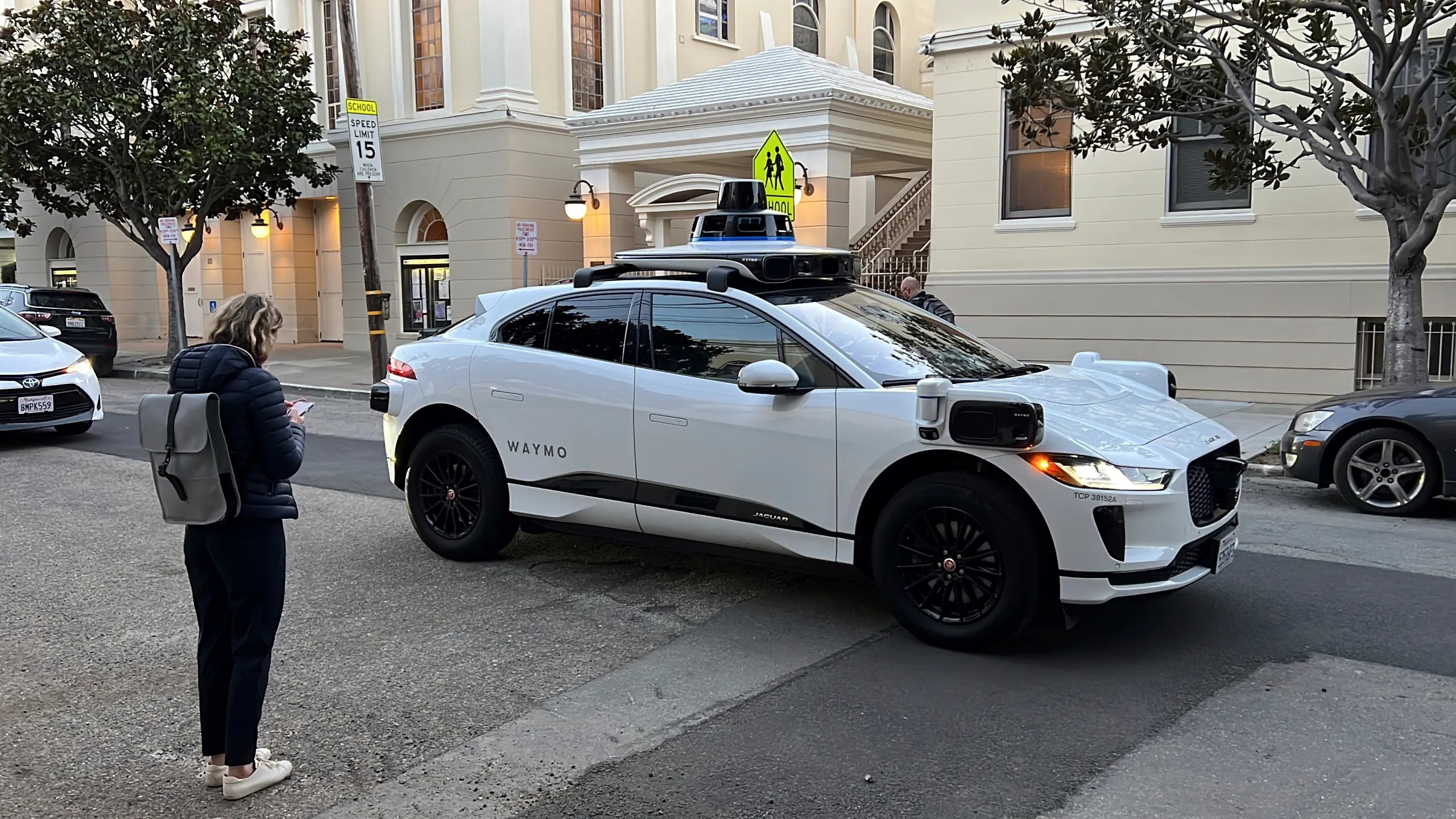
Waymo’s fleet of self-driving cars is not only reshaping transportation but is also emerging as an unexpected potential tool for U.S. law enforcement. Each Waymo robotaxi comes equipped with 29 cameras, creating a vast pool of high-definition video that can be tapped during investigations — a feature authorities are increasingly turning to.

Police have long sought data from tech companies to bolster their surveillance and investigative powers, from Amazon’s Ring doorbells to Google’s location data and Meta’s social platforms. Now, autonomous vehicles represent a new frontier in this broader trend of private technology infrastructure being leveraged by law enforcement.

During an interview on the Hard Fork podcast on Friday, Waymo co-CEO Tekedra Mawakana emphasized the company’s commitment to transparency and due process.

“On the question of when and how law enforcement gets access to our data, we make that publicly known,” Mawakana said. “We follow the legal process to receive footage from our vehicles, and we narrow the scope of that as needed.”

A Waymo spokesperson told Business Insider that the company requires law enforcement to provide a “valid” legal basis before handing over any information.

“As a general matter, we require valid legal process (in the form of a warrant or court order) from law enforcement agencies who seek information and data from Waymo,” the spokesperson said. “Our policy is to challenge, limit, or reject requests that do not have a valid legal basis or are over broad.”

This policy has already been tested. In April, the Los Angeles Police Department released footage obtained from a Waymo vehicle on its YouTube page. The video, marked with the phrase “Waymo Confidential Commercial Information,” showed a hit-and-run incident. That disclosure underscored both the evidentiary value of robotaxi footage and the broader concerns about how much police access could expand as these vehicles proliferate in major U.S. cities.

Waymo’s privacy policy acknowledges that data may be disclosed to law enforcement or third parties “for legal reasons.” It states: “Waymo also uses information to satisfy applicable laws or regulations, and discloses information as required by regulation or in response to legal process or enforceable government requests, including to law enforcement.”

Mawakana admitted that public trust remains fragile. In June, anti-ICE protesters in Los Angeles set five Waymo cars on fire, forcing the company to temporarily suspend service in the area.

“At the end of the day, we need communities to be able to trust us,” Mawakana said. When asked whether the company pushes back against broad requests, she added, “Of course. Not only is it burdensome, but also that’s just our process.”

The debate over Waymo’s role fits into a much larger story of U.S. police relying on private-sector technology as a surveillance backstop. Over the past decade, law enforcement agencies have increasingly leaned on partnerships with big tech companies. Amazon’s Ring, for instance, built an expansive web of doorbell cameras across American neighborhoods, often in collaboration with police departments, sparking concerns about warrantless surveillance and racial profiling.

Google has repeatedly faced criticism over so-called “geofence warrants,” which allow police to demand data on all devices present in a certain area, sweeping in innocent people alongside suspects. Meta, too, has handed over private messages and user data under legal orders, fueling debates about digital privacy and the boundaries of government power.

Against that backdrop, Waymo’s robotaxis — roaming public streets, recording 360-degree footage almost constantly — represent both an innovation in mobility and a potentially powerful surveillance grid. Civil liberties advocates warn that without strict guardrails, the convenience of autonomous cars could be overshadowed by the quiet expansion of state access to private technology.

However, Waymo insists that its policies are designed to strike a balance between legal compliance and user trust. But as the vehicles scale up and their data becomes more valuable to law enforcement, the company may find itself drawn deeper into the broader and increasingly contentious debate over how much power private technology firms should have in shaping the surveillance landscape of modern America.

Tekedia Capital Welcomes Cascade Space which Just Raised $5.9M seed round

0

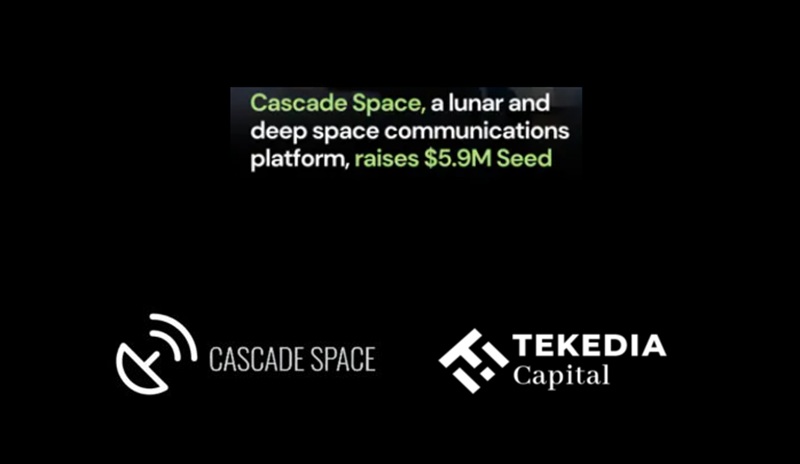
Tekedia Capital is excited to announce investment in San Francisco-based Cascade Space: “Cascade Space provides a turnkey communications system for lunar and deep space missions, combining a global ground station network with integrated software and hardware tools. Commercial-grade reliability and standardization in space communications will enable missions to launch faster and with higher rates of success. It is critical infrastructure for our transition to a multiplanetary species.”

Tekedia Capital participated in Cascade Space’s $5.9M seed round.

For more, visit:

  • Tekedia Capital – capital.tekedia.com
  • Cascade Space – cascade.space

Elon Musk’s xAI Launches Grok Code Fast 1 to Rival OpenAI Codex in Agentic Coding Race

0

The agentic coding space just welcomed a new competitor as Elon Musk’s startup xAI unveiled its latest coding assistant, Grok Code Fast 1, on Thursday.

Previously previewed under the codename “Sonic”, the model is now available for free on platforms such as Cursor and Windsurf.

In its launch announcement, xAI described the model as “a speedy and economical reasoning model optimized for agentic coding workflows”. Unlike traditional AI coding assistants that often struggle with slow reasoning loops and tool calls, Grok Code Fast 1 promises nimble performance and developer-friendly responsiveness.

Built for Real-World Coding

xAI said it designed Grok Code Fast 1 from the ground up with a new architecture and a training corpus rich in programming material. The post-training process involved curated datasets based on real-world pull requests and coding tasks, ensuring the model excels in practical developer workflows.

The assistant has mastered tools like grep, terminal commands, and file editing, making it seamless for use in popular IDEs. At launch, it will be offered for free through select partners, including GitHub Copilot, Cursor, Cline, Roo Code, Kilo Code, opencode, and windsurf.

Features and Capabilities

According to xAI, Grok Code Fast 1 is versatile across the entire development stack, with particular strength in TypeScript, Python, Java, Rust, C++, and Go. It can:

  • Build projects from scratch
  • Answer detailed questions about codebases
  • Perform targeted bug fixes
  • Run tests in a cloud-based sandbox environment

Its biggest advantage is delivering fast, cost-effective coding assistance, making it attractive to startups, indie developers, and cost-conscious teams. Just shortly after the launch of the coding assistant, early reviews are ready positive. GitHub’s Chief Product Officer, Mario Rodriguez commending the coding bot said,

“In early testing, Grok Code Fast has shown both its speed and quality in agentic coding tasks. Empowering developers with powerful tools is a core part of our mission at GitHub Copilot, and this is a compelling new option for our developers.”

The launch of Grok Code Fast 1 comes just months after OpenAI rolled out Codex, its own coding assistant, in May. Codex currently offers advanced reasoning, GitHub integration, and secure cloud testing environments for ChatGPT Pro, Team, Enterprise, and Plus users.

With Grok Code Fast 1 entering the market, xAI is directly challenging OpenAI by emphasizing speed, affordability, and agentic workflows. Its integration with GitHub Copilot and availability via a free trial further position it as a disruptive alternative.

As the AI-generated code market in 2025 heats up, xAI’s Grok Code Fast 1 represents a bold move to carve out space in the developer tools ecosystem. With Musk’s push for speed and affordability, and OpenAI countering with its ecosystem depth, the coding assistant race is set to intensify driving faster innovation for developers worldwide.

Looking Ahead

xAI says it will push frequent updates, with improvements rolling out in days rather than weeks. A new variant currently in training will support multimodal inputs, parallel tool calling, and extended context length.

Still, OpenAI’s broader ecosystem and Codex’s complex reasoning abilities give it a strong defense. Market watchers suggest OpenAI could respond by lowering costs, upgrading agentic capabilities, or pursuing acquisitions to maintain its edge.