DD
MM
YYYY

PAGES

DD
MM
YYYY

spot_img

PAGES

Home Blog Page 619

Pepenode Presale Review: A New Mine-To-Earn Meme Coin Emerges

0

A new meme coin called Pepenode (PEPENODE) recently launched its presale, offering a new mine-to-earn model that aims to revolutionize the way presales feel and operate.

What Problems is Pepenode Trying To Solve?

Pepenode allows its community to build their own virtual meme coin mining rig, buy nodes, build their own server room, and combine nodes for major bonuses.

The project aims to reimagine token presales and mining engagement through gamification and smart incentives.

It identified several problems in the current crypto space, such as the passivity of presales where there is no real engagement or utility before launch; boring mining models that may offer staking, but lack interactivity or excitement; weak early incentives that fail to reward early adopters meaningfully; and bot exploits, where bots dominate early access and harm fair participation.

Simply put, the industry is saturated with projects that lack engagement, utility, and innovation, especially during the early stages, when they are meant to capture the attention the most.

Token sale participants get reduced to passive investors with no interaction or value from the project until launch, which often fails to encourage investors to join presales in the first place.

Meanwhile, mining and staking protocols remain either too technical for mainstream users or are just devoid of excitement.

Pepenode’s Solution

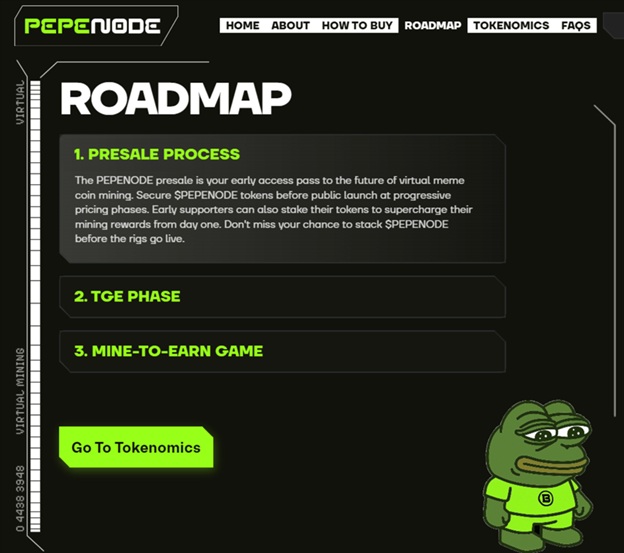
Aiming to solve these issues, Pepenode came up with its own approach by introducing Gamified Virtual Mining, where users acquire Miner Nodes and Facilities to simulate mining in a visually rich dashboard.

Tiered Node Rewards, where early nodes mine more, encouraging early adoption; and presale utility, where users engage in an off-chain mining game before TGE, earning rewards and buying loyalty.

Simply put, the project intends to reinvent crypto mining by transforming it into an interactive, gamified experience accessible to everyone without needing any new hardware or technical knowledge.

It also introduced deflationary mechanics, referral boosts, on-chain evolution, and bot protection, all of which are meant to improve the overall experience.

Pepenode Presale Goes Live

Pepenode launched its ICO just recently, and it quickly started attracting attention, allowing the project to raise over $474.5k as of August 29.

Right now, the Pepenode price sits at $0.0010325 apiece, and it will maintain this value for a little over 24 hours, until its ICO enters the next stage.

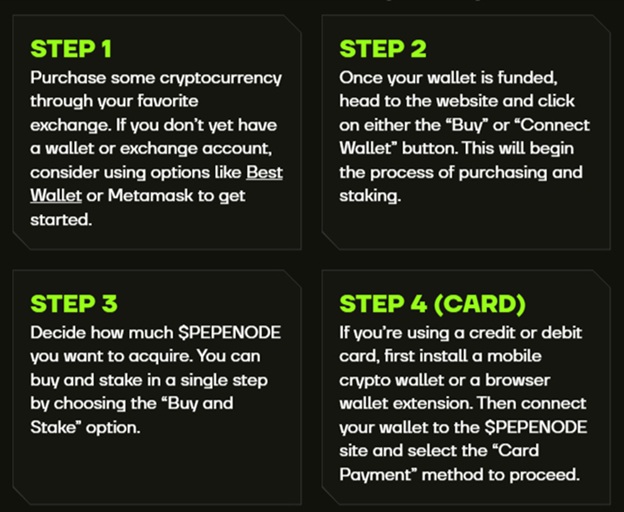
Those wishing to join the presale early and buy PEPENODE tokens at a lower price can join the ICO now and purchase with crypto or a card.

Not only that, but early investors can also stake their PEPENODE tokens for 2685% APY.

Furthermore, experts like Crypto Tech Gaming, a crypto YouTuber with over 88.4k subscribers, posted a video about the project, predicting 100x growth potential.

In addition to being a strong early investment opportunity, Pepenode also enables users to earn bonuses in meme coins and receive them through airdrops for top miners, including $PEPE, $FARTCOIN, and other popular meme cryptocurrencies.

Visit the Pepenode website

What You Need to Know About Nigeria – Academic Staff Union of Universities (ASUU) 1992 Agreement

0

The 1992 Agreement between the Federal Government of Nigeria (FGN) and the Academic Staff Union of Universities (ASUU) remains one of the most significant documents in the history of Nigerian higher education. It was born out of a long-standing struggle by university lecturers who demanded better funding, improved working conditions, and greater autonomy for institutions. Our analyst notes that though signed over three decades ago, its relevance continues to echo in policy debates, strike actions, and the broader conversation about the future of Nigerian universities.

A Blueprint for Reform

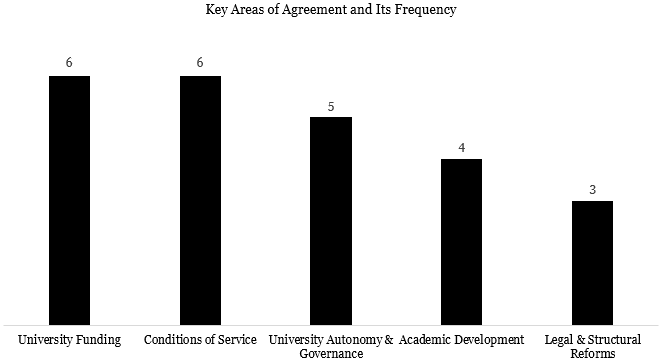
The agreement was a comprehensive attempt to address the deep-rooted challenges facing Nigerian universities. It focused on five major areas. It tackled the issue of funding by proposing a 2 percent education tax on company profits, the creation of a N1.5 billion stabilization fund, and the transfer of government-owned property to universities to help them generate revenue. These measures were designed to reduce the universities’ dependence on federal allocations and encourage financial sustainability.

The agreement emphasized university autonomy. It redefined how vice-chancellors would be appointed, strengthened the role of governing councils, and called for a review of laws that limited academic freedom. This was a critical step toward allowing universities to make decisions independently and manage their affairs without political interference.

The conditions of service for academic staff were overhauled. A new salary structure was introduced, along with various allowances such as research, hazard, housing, and transport. The retirement age was set at 65, and provisions were made for sabbatical leave, postgraduate support, and death benefits. These changes aimed to restore dignity to the academic profession and make it more attractive to talented individuals.

The agreement supported academic development through funding for conferences, publications, and duty-free importation of research equipment. It also encouraged universities to engage in consultancy services and provided support for staff schools.

The People Behind the Agreement

The success of the agreement depended on the individuals and institutions involved in its negotiation and implementation. On the government side were ministers, directors, and representatives from key ministries such as education, finance, and labor. ASUU was represented by a team of academics from various universities, led by Dr. Attahiru Jega (now professor), whose leadership helped shape the union’s strategic direction.

These actors played crucial roles in either stabilizing or complicating the agreement. While some worked to implement its provisions, others contributed to delays and inconsistencies. The relationship between these individuals and their institutions influenced how the agreement was interpreted and enforced.

Source: FG-ASUU, 1992; Infoprations Analysis, 2025

Why the Agreement Still Matters

Despite its ambitious goals, the 1992 agreement has faced uneven implementation. Funding mechanisms like the education tax have struggled with compliance, and the stabilization fund has not delivered the expected results. University autonomy remains contested, with political appointments and legal ambiguities still affecting governance. Salary structures have been eroded by inflation, and many of the academic development initiatives have stalled.

Yet the agreement continues to serve as a reference point in every ASUU-FGN negotiation. It is cited in strike communiqués, policy discussions, and academic forums. More than a historical document, it represents a vision of what Nigerian universities could become if given the right support and freedom to thrive.

A Call for Renewed Commitment

If Nigeria is to build a resilient and world-class university system, it must revisit the spirit of the 1992 agreement. This means fostering genuine collaboration between government and academia, ensuring accountability, and treating education as a vital investment rather than a burden. The agreement reminds us that reform is not just about policy documents but about relationships, trust, and shared responsibility.

The FG-ASUU Agreement of 1992 may be decades old, but its lessons are timeless. It offers a roadmap for rebuilding the university system and a challenge to all stakeholders to honor the commitments that were made.

U.S., China Laundering Europeans Data, Bypassing EU Privacy Policy – Incogni

0

The US and China are “laundering” Europeans’ personal data likely stems from concerns about foreign apps bypassing EU privacy laws, as highlighted in a 2025 study by Incogni.

The study suggests that major US and Chinese platforms systematically collect and process sensitive data from European citizens, exploiting regulatory gray areas despite the EU’s stringent General Data Protection Regulation (GDPR). This isn’t “laundering” in the criminal sense but refers to practices where data is harvested, shared, or sold in ways that may violate privacy standards, often without transparency.

For instance, US social media apps are subject to government surveillance, and similar practices are assumed in China, undermining GDPR’s protections. Blockchain is proposed as a potential solution due to its decentralized and transparent nature. It could enable secure, user-controlled data management, reducing reliance on centralized platforms prone to misuse.

For example, blockchain-based systems like China’s RealDID use cryptographic keys for real-name verification without exposing personal details like phone numbers, aiming to curb data leaks. Similarly, the EU’s Blockchain Sandbox and EUROPEUM-EDIC initiatives explore blockchain for GDPR-compliant data protection and digital identity frameworks.

However, blockchain’s pseudonymous nature clashes with GDPR’s requirements for data erasure and minimization, as public ledgers are immutable and often transparent. Strong pseudonymization or off-chain storage solutions, like zero-knowledge proofs, could address this, but reconciling GDPR with blockchain’s design remains complex.

Additionally, blockchain’s use in anti-money laundering (AML) shows its traceability can aid law enforcement, yet this same transparency could conflict with privacy goals if not carefully implemented. The catch is that blockchain isn’t a silver bullet.

Building Web3 solutions is an uphill battle—privacy regulations are tightening globally, and integrating blockchain with laws like GDPR or China’s PIPL requires overcoming technical and legal hurdles. Plus, centralized control in systems like China’s RealDID undermines blockchain’s decentralized ethos, raising questions about trust and government access.

If US and Chinese platforms exploit GDPR loopholes, Europeans may lose confidence in digital services, reducing engagement with global apps and platforms. This could fragment the internet, pushing users toward region-specific services or decentralized alternatives.

The EU might tighten GDPR enforcement or introduce new laws targeting foreign data processors, increasing compliance costs for US and Chinese firms. This could spark trade tensions or retaliatory regulations, as seen in China’s PIPL mirroring GDPR’s stringency.

US surveillance programs (e.g., PRISM) and China’s state-controlled data systems highlight conflicting priorities. Europeans’ data caught in these systems risks exposure to government overreach, undermining GDPR’s protections and fueling calls for data sovereignty.

Blockchain could empower users by giving them control over their data via decentralized identities or encrypted wallets. For instance, systems like RealDID show how blockchain can limit data exposure. However, its immutability clashes with GDPR’s “right to be forgotten,” and public ledgers could expose data if not properly pseudonymized. Adoption hinges on resolving these conflicts.

Stricter data regulations could stifle innovation for smaller firms unable to afford compliance, while blockchain solutions might democratize data control, fostering new privacy-focused startups. However, scaling blockchain for mass adoption is costly and energy-intensive, potentially limiting its impact.

If blockchain gains traction for secure data management, it could reduce reliance on US and Chinese platforms, reshaping global tech dominance. Yet, state-backed systems like China’s BSN blockchain could centralize control, countering decentralization’s benefits and creating new power imbalances.

Increased awareness of data misuse might drive demand for privacy-focused tools, boosting blockchain-based platforms like decentralized social networks. But complexity and user inertia could slow adoption, leaving centralized platforms dominant.

Unchecked data practices could deepen mistrust and regulatory divides, while blockchain offers a path to user empowerment but faces technical and legal hurdles. The outcome depends on how governments, tech firms, and users navigate this evolving landscape.

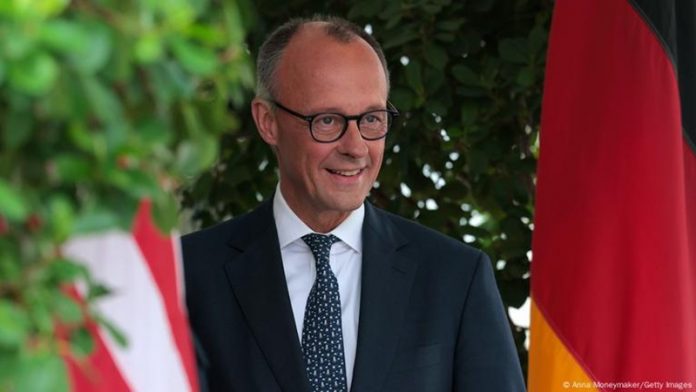
Chancellor Merz Pledges to Bolster Germany’s Defense Spending, as Apprenticeship System Booms

0

German Chancellor Friedrich Merz has pledged to bolster the Bundeswehr to make it Europe’s strongest conventional army, citing threats from Russia and the need to strengthen NATO’s defense capabilities.

During a visit to the German Navy on August 28, 2025, Merz emphasized the importance of defending NATO’s freedom, peace, and territorial integrity against daily Russian military actions testing the alliance’s readiness. He stressed that Germany, as Europe’s most populous and economically powerful nation, must meet the expectations of its allies to lead in defense efforts.

Merz’s plans include significant financial investment, with Germany already meeting NATO’s 2% GDP defense spending target in 2024, partly due to a €100 billion special fund established by his predecessor, Olaf Scholz, following Russia’s 2022 invasion of Ukraine. This fund is set to be exhausted by 2027, prompting Merz to push for further spending increases, including a constitutional reform to exempt defense spending above 1% of GDP from Germany’s “debt brake” fiscal rules.

He aims to raise defense spending to 3.5% of GDP by 2029 and meet a proposed NATO target of 5% by 2032, with 1.5% allocated to defense-related infrastructure. Merz has also introduced measures to boost military recruitment, as the Bundeswehr currently has around 182,000 soldiers and 49,000 reservists, far below the target of 260,000 troops and 200,000 reservists.

Starting in 2026, a questionnaire will assess young Germans’ interest in military service, with mandatory medical examinations for men from 2027. While conscription was suspended in 2011, provisions for compulsory service are included if voluntary recruitment falls short.

Additionally, Merz inaugurated Germany’s first permanent foreign troop deployment since World War II, stationing a 4,800-soldier armored brigade in Lithuania to strengthen NATO’s eastern flank against Russian threats. He has also expressed concerns about Russia’s growing ties with China and rejected any “dictated peace” in Ukraine, reaffirming Germany’s commitment to supporting Kyiv.

Implications of Merz’s Pledge to Strengthen the German Military

Chancellor Friedrich Merz’s commitment to transforming the Bundeswehr into Europe’s strongest conventional army significantly bolsters NATO’s deterrence capabilities, particularly on its eastern flank. By deploying 4,800 troops to Lithuania—Germany’s first permanent foreign deployment since World War II—Germany signals a proactive stance against Russian aggression, reinforcing NATO’s forward presence in response to threats like those seen in Ukraine.

Increasing defense spending to 3.5% of GDP by 2029 and potentially 5% by 2032 requires substantial financial restructuring. Amending Germany’s “debt brake” to exclude defense spending above 1% of GDP could free up billions, allowing sustained investment in modernizing equipment, cyber defense, and infrastructure.

However, this may spark domestic debate over fiscal priorities, especially amid competing needs like social welfare and economic recovery. With the Bundeswehr currently understaffed at 182,000 active soldiers, Merz’s recruitment push—via mandatory questionnaires and medical exams starting in 2026-2027—aims to meet the 260,000 active and 200,000 reserve targets.

Reintroducing elements of conscription could reshape societal attitudes toward military service but risks political pushback, given Germany’s historical aversion to militarization. As Europe’s economic powerhouse, Germany’s military buildup positions it as a leading NATO player, potentially filling gaps left by uncertainties in U.S. commitment under shifting administrations.

This aligns with Merz’s call for European defense independence, though it may strain relations with allies skeptical of Germany’s historical restraint in military leadership. The permanent deployment in Lithuania and increased spending signal a shift from Germany’s traditionally cautious defense posture.

This could embolden other European nations to bolster their contributions, but it may also escalate tensions with Russia, which could perceive NATO’s strengthened eastern flank as provocative. Germany’s military buildup supports NATO’s strategic goal of collective defense, particularly in deterring Russian hybrid and conventional threats.

The Lithuanian deployment enhances the alliance’s rapid-response capabilities, complementing existing NATO battlegroups in the Baltics and Poland. Merz’s push aligns with broader European efforts to reduce reliance on U.S. forces, as seen in initiatives like the EU’s Permanent Structured Cooperation (PESCO) and the European Defense Fund.

A stronger Bundeswehr could drive joint European projects, such as shared procurement of advanced systems like the Future Combat Air System (FCAS). Germany meeting and exceeding NATO’s 2% GDP target sets a precedent, pressuring other European allies to increase defense budgets.

Increased defense spending will likely channel funds into Germany’s defense industry, fostering innovation in AI, cyber warfare, and green technologies for military use. This could position Europe as a leader in next-generation defense systems, reducing dependence on U.S. or Chinese technology.

Coordinating with France, a key advocate for EU strategic autonomy, will be critical to avoid duplicating efforts or creating competing frameworks within Europe. Merz’s plan elevates Germany’s role as a military pillar in NATO and Europe, enhancing deterrence and autonomy but requiring careful management of domestic, allied, and adversarial dynamics to reshape the European defense landscape effectively.

Germany’s Apprenticeship System Is Becoming a Vital Pathway for Foreigners

Foreigners are increasingly participating in Germany’s apprenticeship programs, known as “Ausbildung,” with a notable rise in recent years. According to the Federal Statistical Office, new apprenticeship contracts for young foreigners increased by 17% last year, while domestic apprentices saw a 4% decline.

Foreigners now account for 15% of all new apprenticeship entrants, nearly doubling since 2014. Vietnam, Syria, and Ukraine are among the top countries of origin. The share of foreign nationals in apprenticeships subject to social insurance contributions has grown steadily, rising from 6.3% in October 2013 to 13.2% in October 2023. Of the 213,000 foreign apprentices in 2023, about 49,000 were from EU countries, while 164,000 came from non-EU countries, with numbers from third countries more than doubling over the past decade.

Many foreign apprentices are employed in healthcare and nursing, with over 25% working in fields like healthcare, nursing, geriatric care, or as medical/dental assistants. Germany’s dual vocational training system, combining practical workplace experience with theoretical education, is a significant draw.

Apprenticeships are open to non-EU nationals with a foreign school-leaving certificate equivalent to 9th grade or higher, though German language proficiency is mandatory. Apprentices receive a monthly salary, no tuition fees, and potential access to the German labor market, including for their families.

To address skill shortages, Germany has increased apprenticeship wages in 2024 by 6.3%, averaging €1,133 per month in companies bound by collective agreements, with even higher raises in sectors facing applicant shortages.

Despite the rise, challenges remain. Some posts on X suggest concerns about integration, with claims that a third of asylum seekers in Germany lack sufficient literacy skills, potentially impacting their ability to participate in apprenticeships. Additionally, there are indications of labor shortages, with thousands of apprenticeship positions left vacant.

However, motivated foreign workers, such as those from Syria and Lebanon, have been noted for their language skills and work ethic, supporting their integration into the workforce. Germany’s apprenticeship system is becoming a vital pathway for foreigners, bolstered by rising wages and opportunities for cultural and professional integration.

With Germany facing significant skill shortages, particularly in healthcare, nursing, and trades, the influx of foreign apprentices helps fill vacant positions. In 2023, thousands of apprenticeship slots remained unfilled, and foreign workers are mitigating this gap, boosting productivity in critical sectors.

Apprenticeships provide foreigners with skills tailored to the German labor market, increasing their employability and reducing reliance on social welfare. The monthly salary (averaging €1,133 in 2024 for some sectors) supports their financial independence, contributing to local economies.

By training foreigners, Germany invests in a younger, diverse workforce, countering the challenges of an aging population and declining domestic apprenticeship participation. This supports long-term economic stability. Attracting motivated foreign talent, particularly from countries like Vietnam and Ukraine, strengthens Germany’s position as a hub for skilled labor, enhancing its competitiveness.

Apprenticeships facilitate language acquisition and cultural immersion, as foreign participants work alongside Germans and attend vocational schools. This fosters social cohesion, though challenges like literacy barriers could hinder full integration for certain groups.

The growing share of foreign apprentices diversifies workplaces, promoting cross-cultural understanding but potentially sparking tensions if integration efforts lag or if public perception turns negative. For non-EU nationals, apprenticeships offer a pathway to stable careers and residency, improving their quality of life and enabling family reunification.

The rise in foreign apprentices, especially from non-EU countries (164,000 in 2023), fuels discussions on immigration policies. While apprenticeships support controlled migration, concerns about literacy or cultural differences could amplify anti-immigration rhetoric.

To sustain this trend, Germany may need to streamline visa processes, enhance language training, and recognize foreign qualifications more efficiently. Recent wage increases reflect efforts to make apprenticeships more attractive, but further incentives may be needed.

The success of foreign apprentices could counter negative stereotypes about migrants, but vacant positions and integration challenges may fuel criticism of immigration policies, influencing political narratives, especially in election cycles.

Language proficiency and literacy issues, particularly for some asylum seekers, could limit the effectiveness of training programs, requiring targeted educational support. Increased foreign participation may pressure vocational schools and local infrastructure, particularly in regions with high migrant populations.

Germany’s dual system could serve as a blueprint for other countries facing similar labor shortages, showcasing how structured training can integrate migrants into the workforce. A diverse apprentice pool may bring new perspectives to industries, fostering innovation in sectors like healthcare and technology.

The rise in foreign apprentices strengthens Germany’s economy and workforce diversity but requires robust integration policies to address language barriers, public perceptions, and resource demands. Balancing these factors will be key to maximizing the benefits while minimizing potential social and political friction.


NNPC GCEO Ojulari Says Company Facing Coordinated Attacks Amid Transformation Push

0

The Group Chief Executive Officer of the Nigerian National Petroleum Company Limited (NNPCL), Engr. Bashir Bayo Ojulari has revealed that the company is facing what he described as coordinated attacks from individuals and groups opposed to its ongoing transformation drive.

Ojulari, who spoke on Thursday while receiving a delegation from the national leadership of the Petroleum and Natural Gas Senior Staff Association of Nigeria (PENGASSAN) at the NNPC Towers in Abuja, said the resistance was expected but would not deter the company from its mission.

“We are under attack. We will not budge to short-term pressure, as it will not be in the best interest of Nigerians. You cannot drive change without a price, and the transformation is tough,” he declared.

The NNPCL boss underscored that the company remains focused on fulfilling its mandate despite the mounting opposition. According to him, the restructuring being implemented is designed to ensure long-term sustainability that will ultimately serve the Nigerian people.

“Patience will be required from the Nigerian people to get to the other side of change, which will benefit the country and its citizens. I am committed to staying focused on the mandate given to us by President Bola Ahmed Tinubu,” Ojulari said.

He assured the union leaders that the management team will continue to build resilience in the face of resistance, adding, “I am overwhelmed with the support from the union executives present here. The enemies of this company and Nigerians will not win.”

Focus on Nigeria’s Refineries

Ojulari highlighted that since assuming office about five months ago, a central focus of his administration has been reviving Nigeria’s moribund refineries. He explained that the company is adopting the Incorporated Joint Venture (IJV) model to guarantee the sustainability and profitability of the facilities.

“Mr. President doesn’t pressure me to do the wrong thing. That is why we are going back to the baseline to ensure whatever we are doing, the refineries work sustainably going forward. We don’t want to pretend and just do some quick fix because there is pressure on us,” he noted.

PENGASSAN’s Backing

The President of PENGASSAN, Comrade Festus Osifo, pledged the union’s full support for NNPCL’s ongoing reforms. He praised Ojulari’s leadership, citing what he called “remarkable milestones” in tackling crude oil theft and boosting production.

“Our pipelines are now working. Also, crude oil theft has significantly reduced, leading to increased production. As PENGASSAN, we assure you that we are solidly behind you. We will work with you and collaborate with your team to ensure the stability of the system for the benefit of all Nigerians,” Osifo stated.

The union reaffirmed its commitment to stand with the NNPCL management in ensuring sustainable progress in the country’s oil and gas sector.

The statement comes just a day after NNPCL disclosed that Petrobras, Brazil’s state-owned oil giant, is seeking fresh upstream opportunities in Nigeria, particularly in deepwater and ultra-deepwater assets. The development followed a meeting between NNPCL’s Executive Vice-President for Upstream, Udy Ntia, and Petrobras CEO, Magda Chambriard, on the sidelines of President Bola Tinubu’s state visit to Brazil.

This growing interest from foreign oil companies, alongside NNPCL’s reform agenda, is believed to underscore a renewed momentum in Nigeria’s petroleum sector — even as the national oil company braces against opposition to its transformation.

The Backstory: Why NNPC’s Reforms Spark Resistance

The resistance Ojulari alluded to is not new. For decades, the NNPC—before its transition to NNPC Limited—was regarded as one of Nigeria’s most opaque state-owned enterprises, often described by industry observers as a “black hole” for national revenue.

Allegations of corruption, mismanagement, and political interference plagued the company, particularly during the subsidy era, when billions of dollars were spent annually on fuel imports.

Over the years, reform efforts consistently met with opposition. From attempts to privatize the corporation under past administrations to calls by political figures like Atiku Abubakar, who once described NNPC as a cesspool of corruption and vowed to sell it off, every move toward change sparked controversy. Even after the Petroleum Industry Act (PIA) of 2021 restructured NNPC into a limited liability company, there was a justified doubt that the transformation would genuinely end the culture of secrecy.

Ojulari’s current drive—to overhaul refineries through more transparent joint venture models, strengthen oil production, and clamp down on theft—directly threatens entrenched interests that historically benefited from inefficiency, subsidy rackets, and opaque crude oil swaps. His acknowledgment of “coordinated attacks” highlights a familiar battle: the clash between reformers seeking sustainability and actors invested in maintaining the status quo.

However, his push to revive the refineries has been criticized as a wild goose chase and a further waste of public funds, following billions of dollars invested in the rehabilitation of the refineries over the years without results.