DD
MM
YYYY

PAGES

DD
MM
YYYY

spot_img

PAGES

Home Blog Page 626

ByteDance’s $330 Billion Valuation Solidifies Its Position as a Global Tech Titan

0

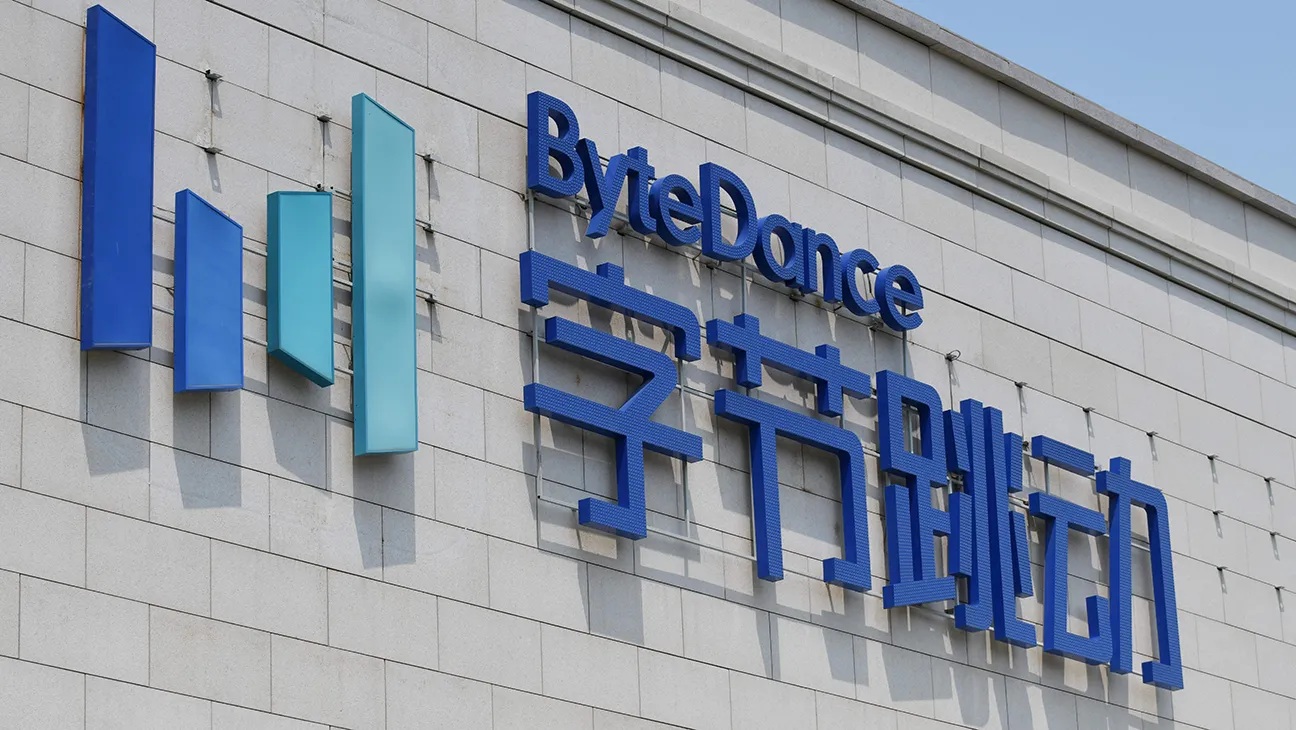
TikTok’s parent company, ByteDance, is set to launch an employee share buyback program that values the company at over $330 billion.

This valuation reflects a 5.5% increase from the $315 billion valuation six months prior, driven by a 25% year-on-year revenue growth in Q2, reaching about $48 billion, mostly from the Chinese market. TikTok itself is estimated to be worth around $100 billion with its algorithm, though valuations vary widely, with some estimates as low as $20 billion without it.

ByteDance faces pressure in the U.S. to divest TikTok’s operations due to national security concerns, with a deadline extended to September 17, 2025. The 5.5% valuation increase from $315 billion to $330 billion, coupled with 25% year-on-year revenue growth in Q2 (reaching ~$48 billion).

ByteDance’s robust financial health, primarily driven by its dominance in the Chinese market (via Douyin and other apps). This bolsters its ability to invest in new technologies, AI, and global expansion. The employee share buyback program signals confidence in sustained growth, potentially attracting top talent and retaining key personnel, which is critical for innovation and scaling operations.

ByteDance’s valuation positions it among the world’s most valuable private tech companies, rivaling giants like Tencent and Alibaba. This enhances its leverage in negotiations with investors, partners, and regulators globally. The company’s diversified portfolio reduces reliance on TikTok alone, providing resilience against market-specific risks, such as U.S. regulatory pressures.

The high valuation provides ByteDance with options for future funding rounds, potential IPOs, or acquisitions to expand into new markets or technologies. However, any IPO plans may be complicated by geopolitical tensions and regulatory scrutiny in key markets like the U.S. and India.

ByteDance can use its financial strength to double down on AI and algorithm development, maintaining its competitive edge in content recommendation, which is central to TikTok’s and Douyin’s success. The valuation highlights ByteDance’s global influence, but it also intensifies scrutiny from governments, particularly in the U.S., where TikTok faces a potential ban or forced divestiture.

A high valuation could complicate divestiture talks, as finding buyers capable of meeting ByteDance’s price expectations may be challenging. ByteDance may face increased pressure to separate TikTok’s U.S. operations or sell them at a discount, potentially impacting its global growth strategy.

For TikTok

TikTok’s estimated standalone valuation of ~$100 billion (with its algorithm) positions it as a leading player in the global social media market, competing directly with Meta (Instagram Reels), YouTube (Shorts), and Snapchat. Its algorithm-driven content delivery remains a key differentiator, driving user engagement and advertiser interest.

The valuation reflects TikTok’s massive user base (over 1 billion monthly active users globally) and growing ad revenue, particularly in markets outside China. This strengthens its appeal to advertisers, who see TikTok as a critical platform for reaching younger demographics.

The U.S. market, which accounts for a significant portion of TikTok’s global revenue, remains under threat due to the looming divestiture deadline. A forced sale or ban could erode TikTok’s valuation and user base in the U.S., potentially weakening its global brand.

Without its proprietary algorithm (which may be excluded in a forced U.S. sale), TikTok’s valuation could drop significantly (to as low as $20 billion), reducing its competitive edge and attractiveness to buyers. TikTok’s financial backing from ByteDance allows it to invest in new features (e.g., e-commerce integrations, live streaming, and AI-driven tools) to maintain user growth and engagement.

The platform can leverage its valuation to expand into emerging markets (e.g., Southeast Asia, Africa) where social media penetration is still growing, offsetting potential losses in regulated markets like the U.S. or India.

TikTok’s high valuation reinforces its status as a cultural phenomenon, shaping trends in entertainment, marketing, and user behavior globally. This strengthens its bargaining power with content creators, brands, and partners, ensuring a steady pipeline of influencer-driven content.

ByteDance’s valuation sets a high benchmark for tech unicorns, potentially driving up valuations for other social media or AI-driven startups. It also signals to investors that short-form video and algorithm-driven platforms remain high-growth sectors. The U.S.-China tensions over TikTok highlight a broader trend of decoupling in the tech industry, with implications for how global tech companies operate across jurisdictions.

ByteDance’s ability to navigate these challenges will influence other Chinese firms’ global strategies. TikTok’s growth in ad revenue pressures competitors like Meta and Google to innovate in short-form video advertising, potentially reshaping digital marketing budgets and strategies.

U.S. TikTok remains a dominant force in social media, but its future hinges on resolving regulatory challenges and maintaining its algorithmic edge. ByteDance’s ability to balance these dynamics will determine whether it can sustain its valuation and global influence in an increasingly fragmented tech landscape.


OpenSea MCP Merges Blockchain’s Decentralized Data with AI’s Analytical Power

0

OpenSea has announced the beta launch of its Model Context Protocol (MCP) server on August 27, 2025, enabling AI agents to access real-time NFT and wallet data across over 20 blockchains, including Ethereum, Polygon, Base, Solana, Ronin, and Gunz.

The MCP server provides plug-and-play access to contextual data like collection verification, NFT rarity, ownership trends, wallet balances, marketplace stats, and live listings/offers, which goes beyond what’s available directly on-chain. This allows developers to integrate AI agents for tasks like market research, portfolio analysis, trading preparation, trend monitoring, and token discovery.

For example, prompts could include querying top gaming NFT collections by volume on Polygon or calculating a wallet’s total portfolio value. OpenSea’s CEO, Devin Finzer, emphasized that the MCP server offers a single, real-time connection to NFTs, tokens, and marketplace activity, streamlining development by eliminating the need for complex infrastructure setups.

MCP enables AI agents to tap into real-time, contextual blockchain data (e.g., NFT rarity, wallet balances, marketplace trends) across multiple chains. This makes complex blockchain data more accessible to developers and end-users without requiring deep technical expertise in blockchain infrastructure.

Developers can build AI-driven applications that simplify user interactions with NFTs and DeFi, such as automated portfolio management tools, personalized trading recommendations, or predictive market analytics. This lowers barriers to entry, making blockchain ecosystems more inclusive for non-technical users.

AI agents can automate tasks like market trend analysis, rarity scoring, or trading strategies, leveraging MCP’s real-time data. This reduces manual effort and enables faster, data-driven decisions in NFT trading and collection management.

Automation could lead to hyper-efficient NFT marketplaces where AI agents act as brokers, advisors, or arbitrageurs, increasing liquidity and market efficiency. This also fosters innovation in use cases like dynamic pricing models or AI-curated NFT collections.

MCP’s support for over 20 blockchains (e.g., Ethereum, Polygon, Solana) allows AI agents to operate across diverse ecosystems, unifying fragmented data sources into a single access point. This promotes interoperability, enabling AI agents to provide insights or execute actions across multiple blockchains seamlessly.

For example, an AI could compare NFT valuations across Ethereum and Solana to recommend arbitrage opportunities, fostering a more connected blockchain economy. By integrating blockchain’s transparent, immutable data with AI’s analytical capabilities, MCP enables trustless, verifiable AI-driven applications. Users can rely on blockchain’s auditability to ensure AI outputs are based on accurate, tamper-proof data.

This paves the way for decentralized AI marketplaces, where AI agents can autonomously trade NFTs, manage DeFi portfolios, or even create generative NFT art based on verified on-chain data. It also supports Web3 principles of user sovereignty and data ownership.

While MCP provides open access to blockchain data, integrating AI agents raises concerns about data privacy and potential misuse. OpenSea’s token-based access model aims to mitigate unauthorized use. The need for secure AI-blockchain integrations will drive advancements in privacy-preserving technologies, like zero-knowledge proofs or encrypted AI computations, ensuring user trust as these systems scale.

AI agents using MCP could democratize access to sophisticated market insights, leveling the playing field for retail investors and creators in NFT and DeFi spaces. This could disrupt traditional financial systems by enabling decentralized, AI-driven wealth management tools. Socially, it may empower creators and collectors in emerging markets by providing AI tools to optimize their participation in global NFT ecosystems.

Broadening Intersection of Blockchain and AI Agents

Blockchain provides a trustless, transparent foundation for AI agents to operate autonomously, enabling new economic models like decentralized autonomous organizations (DAOs) powered by AI. For instance, AI agents could govern NFT marketplaces or DeFi protocols, voting on proposals based on on-chain data analysis.

The integration allows AI services to be tokenized and traded on blockchains. Developers could create AI agents that offer premium analytics or trading signals as NFTs, monetizing their expertise in a decentralized marketplace. Blockchain’s real-time data, combined with AI’s predictive capabilities, enables applications like dynamic NFT pricing, fraud detection, or automated portfolio rebalancing.

AI agents can leverage blockchain data to generate or curate digital art, music, or virtual experiences, with ownership recorded as NFTs. This fosters a creator economy where AI and blockchain collaborate to produce unique, verifiable digital assets.

The broadening intersection raises concerns about centralization risks (e.g., reliance on platforms like OpenSea), AI biases in market predictions, and environmental impacts of blockchain networks. Addressing these will require governance frameworks and sustainable blockchain designs.

Gemini, Grok, Meta AI tighten race as ChatGPT remains top global AI app — a16z report

0

A new report by venture capital firm Andreessen Horowitz (a16z) shows that rivals like Google’s Gemini, xAI’s Grok, and Meta AI are fast closing the gap on ChatGPT, OpenAI’s flagship chatbot, which has dominated the consumer AI market since its release in late 2022.

The report, the fifth in its series on the consumer AI landscape, according to TechCrunch, draws on two and a half years of data sourced from third-party market intelligence platforms, including Similarweb for web traffic and Sensor Tower for mobile app usage.

ChatGPT maintained its position as the No. 1 AI app globally, both on web and mobile. But for the first time, Google’s Gemini has emerged as a formidable challenger. Gemini is now the No. 2 AI app on mobile, with nearly half of ChatGPT’s monthly active users — a sharp rise driven largely by its dominance on Android, where it accounts for almost 90 percent of its user base.

On the web, Gemini also ranked second, attracting about 12 percent of ChatGPT’s visits. Google’s developer tools are gaining traction as well: Gemini’s AI Studio debuted at No. 10 among top AI web products, while NotebookLM ranked No. 13. Google Labs, home to experimental projects like Flow and Doppl, came in at No. 39.

Elon Musk’s xAI product, Grok, has also made remarkable strides. Though it launched only in late 2024 as part of the X platform, Grok now boasts more than 20 million monthly active users. Its standalone app helped it rank No. 4 on the web and No. 23 on mobile. Growth accelerated in July 2025 following the release of Grok 4, which lifted usage by nearly 40 percent.

Meta AI, the company’s general assistant, remains a smaller player in the market. It ranked 46th on the web and failed to make the mobile top 50, partly due to controversy earlier this year when users discovered that Meta AI was making some of their posts publicly visible on the web without clear consent.

Other top players

Perplexity, Claude, Poe, Character AI, Midjourney, Leonardo, and ElevenLabs all held firm among the 14 AI companies that have appeared on every edition of a16z’s ranking. These products cover a wide range of consumer applications — from general assistance and creative writing to image and voice generation.

Claude and DeepSeek showed mixed performance: Claude continued to grow steadily, but DeepSeek saw declines, dropping 22 percent on mobile and more than 40 percent on the web compared to its February 2025 peak.

Chinese companies are also rising fast. ByteDance’s Doubao placed No. 4 on mobile and No. 12 on the web, while Moonshot AI’s Kimi chatbot landed at No. 17 on the web. Alibaba’s Quark also broke into the top 20. Seven other Chinese AI developers, including DeepSeek and Kling, were recognized for exporting AI tools globally.

Market shifts and new entrants

A striking trend in this edition of the report is the number of new entrants, especially on mobile, where 14 fresh apps made the top 50 list. Vibe-coding startups Lovable and Replit debuted strongly, benefiting from increased traffic tied to projects built and published on their platforms.

Meanwhile, apps on the brink of breaking into the rankings include PixAI, Bolt, Blackbox AI, and Microsoft’s Clipchamp on the web, and Talkie, Seekee, and AI Mirror on mobile.

What the numbers show

Andreessen Horowitz’s analysis underscores how the generative AI market, once dominated almost exclusively by ChatGPT, is rapidly diversifying. While OpenAI retains the lead, competitors like Gemini and Grok are now expanding aggressively, with Google leveraging its Android ecosystem and xAI riding on Musk’s influence through X.

The shift suggests that the next phase of the AI race will not be defined by a single platform, but by a broader ecosystem of apps competing for consumer time, creativity, and trust.

NITDA Explains Why It Pushed for ICT GDP Rebasing, Citing Digital Economy’s Role in Driving Growth

0

The Director-General of the National Information Technology Development Agency (NITDA), Kashifu Inuwa, has explained why his team urged the National Bureau of Statistics (NBS) to rebase the Information and Communications Technology (ICT) sector.

Inuwa, who delivered the keynote address at the 3rd Annual Economic Confidential Lecture & PRNigeria Book Presentation in Abuja, explained that the rebasing exercise is long overdue. He said Nigeria must begin to capture the full weight of its digital economy, which, according to him, cuts across agriculture, healthcare, finance, education, and even media.

“There is no such thing as a digital economy standing on its own. Digital is the power engine behind everything else. If you remove IT from finance today, growth will decline. If you remove IT from journalism, it will reduce. Therefore, we need to rebase, because the digital economy is about using technology to empower economic activities,” Inuwa told the gathering.

Why Rebasing Matters

Nigeria last rebased its GDP data in 2014, shifting the base year to 2010. That decision expanded the economy by nearly 90 percent overnight, capturing previously overlooked sectors such as film, telecoms, and online services. A similar exercise was carried out by the NBS earlier this year, this time pegging 2019 as the new base year—a period it described as one of “relative economic stability” before the shocks of the pandemic, oil price crashes, and inflationary waves.

Inuwa’s call is rooted in the view that without rebasing the ICT sector specifically, Nigeria risks underestimating one of its fastest-growing economic engines. He insisted that digital technology should no longer be treated as a side contributor but as an embedded driver of national productivity.

“Finance cannot survive without IT. Healthcare is going digital. Agriculture today relies on precision tools. Rebasing will help us measure this reality,” he said.

The Special Adviser to the President on Economy, Dr. Tope Fasuwa, represented by Aremu Olayinka Elijah, echoed this sentiment, adding that rebasing will help Nigeria reposition its economy for the future.

“We are shifting from traditional models to a tech-driven future,” he said, stressing that the Tinubu administration is determined to recalibrate the economy in line with global trends.

The Numbers Behind the Push

The urgency is underscored by recent data. According to the NBS, the ICT sector recorded a remarkable 31.63 percent year-on-year growth in nominal terms in Q1 2025. This was a dramatic jump compared to just 3.40 percent growth in the same quarter of 2024. The sector’s share of nominal GDP also climbed to 10.29 percent in the first quarter of 2025, up from 9.25 percent a year earlier.

Those figures confirm ICT’s rising importance as a growth engine. Yet experts argue that because GDP accounting methods often lag behind reality, Nigeria may still be undervaluing the sector’s contribution.

Backstory: Digital Transformation as a National Strategy

Nigeria’s digital economy push began gaining momentum under former Minister of Communications and Digital Economy, Isa Pantami, who championed the National Digital Economy Policy and Strategy (NDEPS 2020–2030). The policy envisioned ICT as the backbone of Nigeria’s growth trajectory, aiming to make the sector contribute at least 45 percent to GDP by 2030.

Since then, the sector has expanded beyond traditional telecoms into fintech, agritech, healthtech, and edtech. Startups like Flutterwave, Interswitch, and Andela have attracted global attention, while mobile money has deepened financial inclusion. Yet, official data has often struggled to keep pace with this reality, fueling calls like Inuwa’s for rebasing.

Economists say the exercise could reshape fiscal planning, foreign investment decisions, and even Nigeria’s borrowing capacity, just as the 2014 rebasing elevated the country to Africa’s largest economy at the time.

Currently, Inuwa and other advocates believe the rebasing of ICT GDP is not just a statistical update but a political and economic statement—that Nigeria is ready to embrace a digital-first economy where technology is no longer peripheral but central to its national prosperity.

Google Unveils Pixel Care+ as New Standard for Device Protection, Replacing Preferred Care and Fi Protection

0

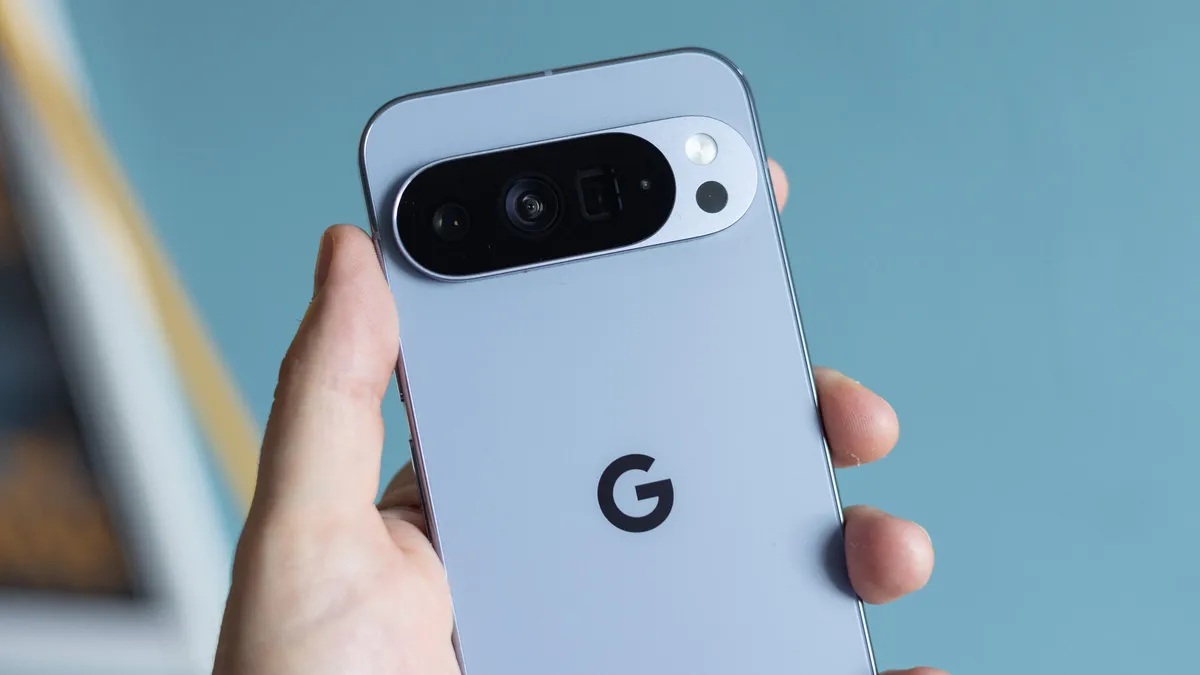
Google has taken a bold step to streamline its device protection services with the launch of Pixel Care+. This comprehensive new plan replaces the long-standing Preferred Care and Fi Device Protection programs in the United States.

The announcement, made Wednesday in a company blog post, signals Google’s effort to consolidate its hardware services under one umbrella, while also raising the bar on what customers expect from device insurance.

Unlike its predecessors, Pixel Care+ promises a “higher level of coverage, service, and peace of mind for Google hardware owners.” The program eliminates many of the pain points that users often face when dealing with device damage or malfunction. Subscribers will be able to file unlimited accidental damage claims—a notable upgrade from traditional capped protection plans—alongside extended warranty coverage and mechanical damage claims.

One of the biggest highlights is cost: Pixel Care+ offers $0 screen and battery repairs, as well as $0 post-warranty malfunction claims, all carried out with genuine Google parts. Customers also gain access to priority support from Pixel experts, streamlined self-service claims through the Google Store, and free upgraded replacement shipping, including next-day delivery. For those worried about loss or theft, an optional add-on ensures their devices remain covered in worst-case scenarios.

Pricing is relatively straightforward but varies by device. For instance, owners of the new Pixel 10 will pay $10 per month or $199 for two years. Coverage extends to a broad portfolio of Google devices, including the Pixel 8 and newer smartphones, Pixel Watch 2 and newer, Pixel Tablet, as well as Fitbit models such as the Ace LTE, Versa 4, Sense 2, Charge 6, and Inspire 3. Importantly, users must sign up within 60 days of purchase to access the benefits.

The program also makes claims more accessible. Customers can file directly in the My Pixel app or through the Google Store, then choose a location and time for repair. Google says this process is designed to cut through delays and friction that plague many third-party insurance services.

Why Google Is Doubling Down on Protection

Google’s move to roll out Pixel Care+ comes at a strategic moment. With its hardware ecosystem—spanning smartphones, tablets, wearables, and fitness devices—expanding rapidly, customer confidence has become as critical as innovation. Unlike AppleCare+, which has long set the benchmark in device protection, Google’s earlier protection services were fragmented and often criticized for limited claim allowances and higher out-of-pocket repair costs.

By unifying coverage under Pixel Care+, Google is clearly seeking to compete more directly with AppleCare+ and Samsung Care+, both of which have leaned heavily on premium protection plans to build customer loyalty. Device protection has become not just an afterthought but a core selling point in the highly competitive premium hardware market, where consumers expect both cutting-edge features and minimal downtime when accidents happen.

The inclusion of Fitbit devices also highlights how Google is weaving wearables into its broader ecosystem strategy. As fitness trackers and smartwatches become more essential to users’ daily routines, seamless repair or replacement services are key to keeping them locked into the Google ecosystem.

Analysts say Pixel Care+ is also about reputation management. Google’s hardware division has faced criticism in the past for quality-control issues—from Pixel phone hardware quirks to Pixel Watch battery concerns. The company is making a clear statement about durability and long-term support, which could help it build trust in a segment where its rivals are more established, by offering $0 repairs and emphasizing genuine Google parts.

The pricing model also suggests Google is taking a measured approach: affordable enough to attract uptake but designed to ensure coverage for higher-end devices like the Pixel 10 doesn’t eat too heavily into margins.

However, some analysts note that whether Pixel Care+ becomes a true differentiator may depend on how well Google handles claim turnaround and customer experience, two areas where competitors have struggled. However, with unlimited accidental damage claims, priority support, and next-day shipping, Google appears intent on setting a new industry standard.

Currently, Pixel Care+ is available only in the U.S., but its design suggests global expansion could follow as Google ramps up its international hardware ambitions.