DD
MM
YYYY

PAGES

DD
MM
YYYY

spot_img

PAGES

Home Blog Page 6348

The Challenge Before The Open RAN Model

0

RAN stands for radio access network; it includes the antennas and other radio functionalities deployed within a telecom network. Within the telecom industry, the Open RAN was initially touted as a form of advancement in technology to improve efficiency and encourage Innovation. The Open RAN simply means that a telco e.g MTN could purchase and install RAN components from various equipment vendors like Ericsson, Huawei, Nokia etc., and deploy in an interconnected and open platform within its network. Presently, this is not the case as telcos often have to purchase and install proprietary hardware and software, all from a single equipment vendor. That is, hardware purchased from Ericsson will not work interoperably with hardware from Huawei.

The Open RAN has been gaining ground due to the potential for virtualizing and softwarising networking functions within the network. In essence, the telecoms industry is learning from and looking at adapting open platform technologies within the IT industry and hopes to eventually reach a stage where networks can be deployed within the cloud. For instance, in the IT sector, one could easily purchase an HP server and run a software from another vendor successfully and in an interoperable manner with little hitches.

The proponents of Open RAN complain that the equipment vendor market has been heavily dominated by the trio of Ericsson, Huawei, Nokia; as such they suggest that the Open RAN model will open the market to competition and reduce the Capex costs incurred by telcos. They also believe that it would allow for the entry of new and smaller market players who may have developed superior software products that could out beat the trio of equipment vendors (Ericsson, Huawei, Nokia).

As expected, the trio of equipment vendors are not in support of the Open RAN model. Those in opposition to the model suggest that issues like network security, customisation, scalability, enhanced features etc., could hinder the acceptance of this model. How do you test a software version of a RAN without exposing the networks of million subscribers to risks? Some even went as far as saying operators are simply not ready to expose their networks to such risks yet.

On the surface, Open RAN sounds like an evolution in technology within the telecom space, with pros and cons until the US made its stance known on the issue. The US seems to be in strong favour of this model and many seem to believe that the US stance may stem from the fact that it believes that the model may help break Huawei’s dominance in this space. Interestingly, Huawei may not be the only affected player here; Nokia and Ericsson may be hard hit by wide acceptability of this model. Will Europe therefore support or reject the US stance here, as its players may be affected?

Will politics help accelerate or hinder the acceptability of the Open RAN model? Only time will tell.

The Case For Even A Loss-Making Nigerian Postal Service (NIPOST)

0

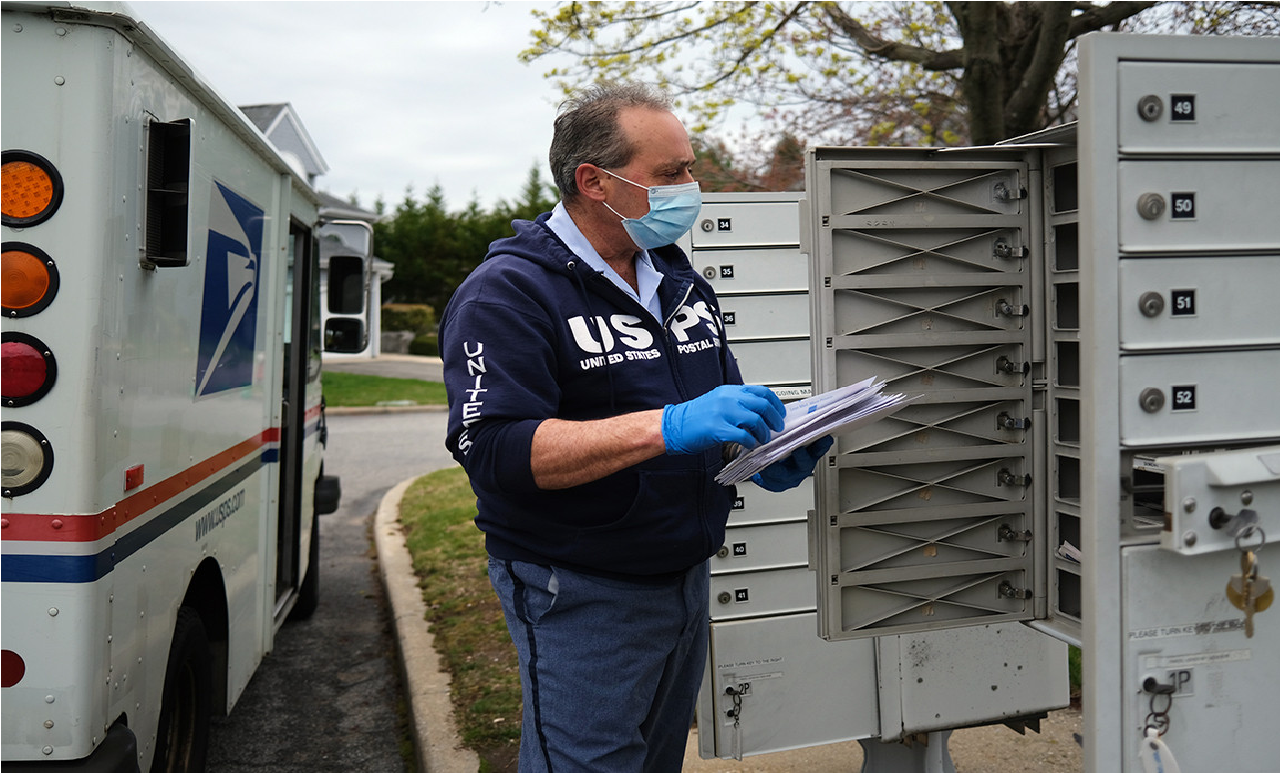
If you have a business which loses $8.8 billion yearly but supports a $20 trillion economy to function, optimally, via nationwide logistics and supply chain systems, is that really a loss? If you try to avoid the losses, turning that business into an immediate profit-center, you can cut out rural communities from global commerce, and also decimate many  small businesses. Case in point: United States Postal Service.

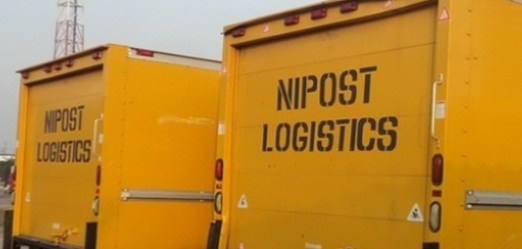
My question is this: if Nigeria decides to run a postal system that is operationally supreme but loses $500 million a year to cushion a new dawn in ecommerce and business operation, which can generate taxes of at least $1.5 billion, along with a few base points on the GDP, is that a good playbook? If we believe that commerce cannot happen, optimally, without logistics, what are what are Nigeria’s options if we cannot follow the U.S. playbook?

If NIPOST (Nigerian Postal Service) improves, the marginal cost problem will be solved, meaning that ecommerce companies can ship items at better cost margins. Possibly, that would help them compete better with open markets and supermarkets. Yes, if NIPOST takes over the distribution challenges, ecommerce companies will then become unbounded and unconstrained by geography, making them national players. Today, our ecommerce firms are not exploiting the true value of the web since most are focusing on specific cities – you cannot be doing a web business and be restricted to a small locality. So, if NIPOST helps to fix distribution, the ecommerce firms would become more valuable as the scalable advantage has improved.

As I noted when I commented on seeing my book on print for the first time, logistics is at the heart of ecommerce. I had written a book, submitted it to Amazon and waited for the royalties to arrive. I did not even bother to get a print version of this book! Amazon is handling all and selling the book across America and beyond. Amazon does what it does because the United States Postal Service provides deep support to reach any city and location.

If NIPOST can offer that in Nigeria, a new dawn will emerge in the ecommerce sector in Nigeria. Ecommerce companies will simply focus on making sales while NIPOST takes care of the distribution for them. And when that happens, they would have scale which will then make them very competitive on pricing compared with local open markets and supermarkets across Nigerian cities. That trajectory is how the ecommerce sector will blossom in the land.

Beyond Profit-Centers, Strategic Loss-Makers Could Make Nations Better

Beyond Profit-Centers, Strategic Loss-Makers Could Make Nations Better

5

Question from a Tekedia Member: I listened to Tekedia Live and am still trying to understand how the U.S. Post losing money is at least not bad for the economy. Are you saying that the Post cannot operate profitably and still serve?

My Response, broadly…

It brings huge debate: why do we struggle to bring private sector financial efficiency in all domains of government? Yes, make White House to deploy the Apple playbook of operational excellence in the business of serving the citizens. Get Aso Rock, Nigeria’s seat of power, to become a better operator like Dangote Group. 

Obama answered one of those questions many years ago, noting that as the President of the United States, his job was not just to serve only those that could afford iPhone and its apps, but to serve all citizens, irrespective of their income levels. In other words, a President has no market segment or wage bracket to target: its market is the full population of the citizens. To do that, it has to accept some elements of underperformance when looked at from the perspectives of markets. Yes, there is no issue of expired subscription as you cannot kick the people out of the country!

This morning, in Tekedia Live, we had a deep conversation on business, logistics and fintech. I did explain why the United States Postal Service (USPS) is a smart national loss-maker.

Yesterday, the United States Postal Service (USPS) announced an annual loss of $8.8 billion for fiscal year 2019, more than double its annual loss for FY18. This loss, the largest on record, marks the 13th consecutive year the USPS has finished in the red.

If you examine the period when the USPS lost this amount of money, businesses actually expanded in the core domains it served. Largely, USPS losing money was not necessarily a bad thing as its functions were critical for most of those companies to thrive. Possibly, for every $10 billion lost by the U.S. Post, it could be adding excess new $200 billion of value in the economy. For the United States, in general, that is a net positive. The USPS saw marginally revenue increase despite the match to global digitization, implying that it was powering core elements of that new redesign.

Postal Service reported operating revenue of $71.1 billion for fiscal year 2019 (October 1, 2018 – September 30, 2019), an increase of $514 million compared to the prior year.

If you extrapolate that construct, it does imply that any day they make the USPS to become a pure profit-center like DHL, UPS and Fedex, many small businesses which depend on USPS will struggle. If that happens, saving $10 billion could cost the economy hundreds of billions of dollars.

So, it is not everything that should be put in monetary terms. The USPS should of course aspire to be profitable. But if it cannot and still operate operationally efficiently, serving SMEs and Americans, including home offices, its impact will be multiples of whatever it is losing monetarily. Just the taxes paid by the companies on those additional values will cover the losses.

Did you notice a double play strategy here? Lose money on USPS, make up via expanding income and taxes.

Sanction of LoveWorld Limited: A Reflection on the Implications of the Broadcasts

0

On 18 May, 2020, Ofcom, the agency that regulates communication services in the UK, on their Twitter page, @Ofcom, and in their website, www.ofcom.org.uk, announced that it has sanctioned “Loveworld Limited”, that broadcasts “Loveworld”, a religious television channel, for breaking some broadcasting rules. According to Ofcom, “Loveworld News” reported that 5G is the cause of the present pandemic and that there is a conspiracy of “global cover-up”. “Loveworld News” also allegedly declared that the cure for COVID-19 is hydroxychloroquine, but it then failed to mention the drug’s side effects and the fact that it has not been clinically proven as the best drug for the disease.

Furthermore, Ofcom stated that a sermon that was broadcasted in “Your Loveworld” also linked 5G to the pandemic and went as far as undermining the need for the lockdown. The agency also alleged that this same sermon expressed suspicion towards advice given by health officials on the management of COVID-19 and insinuated that there is an ulterior motive behind these acclaimed health tips at the end of which is the administering of a vaccine.

As expected, the sanction of Loveworld Limited raised hell. The Twitter page of Ofcom became very busy on the day of the announcement with many Nigerians expressing their opinions on the matter. A lot of Nigerians saw the sanction as a way of fighting and gagging the spread of the Gospel. Some brought the matter home to Nigeria where, they alleged, churches were closed down in the name of lockdown while other religious houses were allowed to operate. In the midst of accusations and counter-accusations, nobody seems to realise that the reasons for which Loveworld Limited was sanctioned is non-religious. The matter borders around endangering public health and causing public unrest.

Whether Loveworld Limited is a victim here or not, the fact remains that if the allegations levied against it were true, the company has created a chain reaction that might lead to unnameable disasters. It should be noted, however, that this report given by Ofcom came from investigations. For that, the date the offences were allegedly committed and the individuals that committed them were not stipulated. But based on the findings of Ofcom, the implications of these broadcasts are analysed below.

Implications of Loveworld News and Your Loveworld Broadcasts

To analyse the possible effects of these broadcasts, the context, the “offender” and the contents of the broadcast have to be considered.

  • The Context

This may be the first reason why a hammer is dangling over the head of Loveworld Limited. If these broadcasts were made before or after the pandemic, maybe Ofcom would have overlooked it because their impact on the citizens will be less. But that wasn’t the case because the channel made the broadcasts at the peak of the pandemic, when fear, death, mourning and confusion are the order of the day. For that, the broadcasts can mislead so many people and therefore increase COVID-19 related fatalities.

  • The “Offender”

As noted earlier, the individuals that made these controversial broadcasts were not mentioned. However, Loveworld Limited belongs to a religious organisation that is believed to have millions of followers. Apart from that, at this time of global crisis, people look up to religious organisations for succour and tranquillity. It is therefore unfair that these people’s psyche will be manipulated into accepting something that might become detrimental to them.

  • The Contents

The contents of these reports will be further broken down into these three different subtopics: linking 5G to COVID-19, global cover-up conspiracy, and recommendation of hydroxychloroquine as COVID-19 cure.

  1. Linking 5G to COVID-19: The effect of this conspiracy theory can never be overemphasised. The first implicature of this assumption is that if 5G is truly the cause of the present pandemic, then everybody has the disease. This theory also insinuates that COVID-19 is not infectious because diseases caused by radiation are non-communicable. This postulation further implies that lockdown and social distancing are unnecessary and it questions the need for a vaccine. The effects of this statement include an increase in the spread of COVID-19, increase in its related fatalities, deeper economic and health crises, chaos and what have you.
  2. Global Cover-Up Conspiracy: Alleging that the present pandemic and lockdown is a “global cover-up” is a way of encouraging people to distrust their government and health officers. This statement alone can cause riots and chaos, especially when it is considered that the message came from a “man of God”, who is “wise”, is “filled with the Holy Spirit” and “obtains revelations from God” (please note that the words in quote are terms used by people to describe priests and pastors; no sarcasm is intended).
  3. Recommendation of Hydroxychloroquine as the Cure for COVID-19: The broadcast that recommended, or rather prescribed, this drug failed to realise that it was encouraging the dangerous act of self-medication. It also failed to realise that, apart from the fact that the safety of this drug for treating COVID-19 has not been clinically proven, it will not be suitable for everyone. The drugs’ side effects, according to RxList, include muscle weakness, twitching, uncontrolled movement, loss of balance or coordination, blurred vision, light sensitivity, seeing halos around lights, pale skin, easy bruising or bleeding, confusion, unusual thoughts or behaviours, or seizures (convulsion). In addition to some of these, WebMD listed slow heartbeat and heart failure as side effects of hydroxychloroquine. Imagine if people that were to report to the hospitals decided to self-medicate with this drug after listening to this broadcast and ended up with severe complications.

Bringing Them Together

If we bring together these claims by the broadcasts in Loveworld News and Your Loveworld and its logic, we may understand the underlying reasons why the sanction was raised. In a simple way, the claims of these broadcasts can be stated thus:

If 5G causes the present pandemic, then everybody has COVID-19 (hence no need for lockdown and social distancing).

If everybody has COVID-19, then everybody should go for treatment.

Since hydroxychloroquine is the cure for COVID-19, everybody should take the medicine.

You can imagine the outcome of this if agencies like Ofcom are not there to regulate broadcasts.

Covid-19 Provides An Opportunity To Close Africa’s Huge Skills Gap

0

Nearly 195 million people (half of the global workforce) will lose their jobs globally due to COVID-19, says the International Labour Organisation. The sectors that will be most affected are hospitality, manufacturing, food services, business administrative services and retail. In March alone, 701,000 people lost their jobs in America, the worst since the great recession of 2009.

This situation may portend a gloomier reality for some African countries. The African Development Bank put the unemployment rate in Africa at nearly 60%. Nigeria’s unemployed population stands at over 23 million which is more than the population of Sierra Leone, United Arab Emirates, Equatorial Guinea and Uruguay combined. Now with a global recession looming, these numbers will increase. In the coming months, the UNDP has said nearly half of all jobs in Africa will be lost which will lead to a loss in income expected to exceed $220 billion. In Nigeria for instance, Access bank has said it will cut down over 75% of its workforce, while those remaining will have to bear the brunt of salary reduction. The Standard Bank of South Africa has already laid off 1200 workers and closed 91 branches in the country. In a viral video, the CEO of Access Bank said:

We probably don’t need as many security men as usual, even as we are not going to have all our branches open between now and December. We certainly don’t need all the security men; we don’t need the tea girls; we don’t need all the cleaners; we don’t need all the tellers etc, etc. These numbers represent 75% of our workforce.

Based on this reality, the Central Bank of Nigeria issued a directive stalling all commercial banks from carrying out any retrenchment during this period without the approval of the Bankers Committee. This, the apex bank says is to help minimize and mitigate the negative impact of the COVID-19 pandemic on families and livelihoods. While I think this is a good move, it is equally not sustainable considering the current economic landscape in Nigeria as a result of the COVID-19 pandemic. It will be difficult for businesses to sustain business operations when revenue levels are declining and the ways of doing business are changing by the hour.

In the coming months, many employers including the big players may not be able to pay salaries. Nigeria has had to cut down its 2020 budget by nearly 320 billion naira due to the drastic drop in the price of crude oil — from US$60 to below US$20 per barrel. What this means is that there will be less funds for infrastructural development and the government might not be able to pay salaries. Small and Medium Scale Enterprises (SMEs) are even more vulnerable because of their inability to increase income levels due to the lockdown and slow business patronage. The informal services sector will also be hugely impacted. Over 2 billion people are working in the informal sector, especially in developing countries. The mai shayi that sells bread and tea on your street, the woman that sells groceries to you at the market, the taxi driver that drives you to work every day all fall in this category, and they will be badly hit.

 Future of jobs survey. Source: World Economic Forum

An opportunity to close the huge skills gap

I believe the COVID-19 pandemic presents us with an opportunity to think deeply about the skills gap crisis and rising unemployment which has been further exacerbated by the pandemic and begin to proffer the right solutions. Skills gap refers to the difference between the skills required for a job and the skills employees or workforce offers.

The world as we know it is changing and the COVID-19 pandemic has affected every part of our lives. Many companies have been forced to change the way they work. The pandemic is making digital skills a pre-requisite for most employees and has intensified the need to digitize a wide range of services. From remote working to re-inventing supply chain strategies to the rapid adoption of digitalization, the future of work is here. However, I believe the ‘new normal’ arising from COVID-19 will continue to widen the current huge skills gap. As we move towards a post COVID era, the core skills required across occupations will be wholly different. This means to stay relevant during and after the pandemic, many employees will have to adjust to this new normal by constantly re-evaluating their skills to fit into the new world of business operations. By now, any smart employee and employers alike will be thinking of adjusting to the current realities before it is too late to do so.

The World Economic Forum’s Human Capital Index shows that Africa’s working-age population (predominantly between the age 15–64 years) will increase by two-thirds in 2030- from 370 million adults in 2010 to over 600 million in 2030. However, a significant portion of this age group is already unemployed or underemployed mostly due to inadequate education and skills levels. To close this gap, Africa will need to create about 12 million new jobs every year to prevent unemployment from rising.

This is a time for a huge re-awakening for African leaders. A time to think critically on bridging the skills gap and prepare African youths for the jobs of tomorrow. New technologies such as artificial intelligence, big data and internet of things are already disrupting jobs and the relevant skills needed to do them. African leaders should accelerate and deliver on providing educational resources and skills to their citizens.

The World Economic Forum research on Realizing Human Potential in the Fourth Industrial Revolution recommends eight ways for creating stronger education systems, including 1) expanded access to early-childhood education; 2) ensuring the ‘future-readiness’ of curricula; 3) investing in developing and maintaining a professionalized teaching workforce; 4) early exposure to the workplace and career guidance; 5) investing in digital fluency and ICT literacy skills; 6) providing robust and respected technical and vocational education and training (TVET); 7) creating a culture of lifelong learning; and 8) openness to education innovation.

This task should not be only left to the government alone. The private sector employs 90% of the working-age population and therefore play a very critical role. Now more than ever, the private sector should open up economic opportunities for young people by collaborating with government and non-profit agencies to train, skill, and reskill Africa’s young population. There are many case studies around the world that the private sector can model after. Another WEF report on Disrupting Unemployment Business-led Solutions for Actions documents over 80 case studies on opportunities for the Private Sector to close the skills gap. There are many organizations in Africa already working assiduously to build multi sector partnerships in the areas of skills development; this is highly commendable, but a lot still needs to be done to survive the new realities coming after COVID-19.

Dayo Ibitoye is a public policy analyst and International Development Practitioner. He writes from Abuja.