DD
MM
YYYY

PAGES

DD
MM
YYYY

spot_img

PAGES

Home Blog Page 642

The Nigeria – Academic Staff Union of Universities (ASUU) Agreement in 1999

0
ASUU Leaders

The 1999 agreement between the Federal Government of Nigeria (FGN) and the Academic Staff Union of Universities (ASUU) remains a landmark in the landscape of higher education in the country. This agreement was born out of a critical need to address the deteriorating state of Nigerian universities at the time and contains lessons that continue to resonate today. Understanding the key issues of agreement and the roles played by both parties offers valuable insights into the challenges and potential pathways for educational reform.

Context and Catalysts for Negotiation

In early 1999, Nigerian universities faced significant challenges, including poor funding, inadequate remuneration for academic staff, and limited university autonomy. These conditions led ASUU to declare a trade dispute, urging the government to intervene. The deteriorating state of universities was not only affecting staff morale but also threatening the quality of education and research, with many top academics considering leaving the country or the profession.

The government recognized the urgency of the matter and authorized the Minister of Education to lead a negotiating committee with ASUU. The basis for negotiation rested on collective bargaining principles previously employed in 1992 when an earlier agreement had been established but not reviewed as intended. This stagnation contributed to worsening conditions in the university system, underlining the importance of timely review and adaptation of such agreements.

Core Areas of Agreement

The agreement focused on four central themes: salaries and wages, conditions of service, funding, and university autonomy. Notably, while the most contentious matters of funding and autonomy were deferred for future detailed negotiation, progress was made on allowances and benefits intended to improve the welfare of academic staff.

The negotiation led to improvements in academic allowances, including journal, research, and examination supervision allowances, all structured as percentages of the annual basic salary according to academic rank. These increments were designed to reflect the value of academic contributions and responsibilities more fairly. Additionally, specific allowances addressed challenges related to postgraduate supervision, hazard work conditions, excess workload, and honoraria for external examiners.

General benefits and loans were also established to improve the overall quality of life for academic staff. Housing, transport, and meal subsidies were standardized in line with public service norms but made more accessible for university staff. Loan schemes for computer purchases, vehicles, furniture, and housing were introduced as innovative efforts to support staff needs beyond salaries. The agreement also confirmed provisions for research and sabbatical leaves aimed at fostering intellectual growth and academic excellence.

Challenges and Deferred Issues

A critical point reflected in the agreement was the financial implication of ASUU’s proposals. The government estimated the cost of implementing the requested salary scales and allowances at about N62 billion, stressing the budgetary constraints in the face of a N100 billion personnel cost ceiling. ASUU contested this, maintaining that a more modest N10 billion figure was adequate for delivering improvements. This difference underscored the tension between aspirational demands and fiscal realities.

Fundamental issues of university autonomy and academic freedom were recognized as essential but deferred for future negotiation, given their complexity and significant implications. The government’s acknowledgment that these matters could not be resolved within the then-current administration’s limited time frame signaled an understanding of the need for a more involved and sustained dialogue involving wider stakeholders and a new mandate.

Actors and Their Roles

The parties to the negotiation included a broad spectrum of actors representing the government and academic staff. On the government side, the negotiation was led by the Honourable Minister of Education and included officials from the Ministry of Labour, Ministry of Finance, the Presidency, and the National Universities Commission. These representatives brought expertise in economic affairs, labour matters, and university governance, reflecting the multifaceted nature of the challenges faced.

ASUU’s team comprised university professors and union officials representing a wide array of Nigerian institutions. Their leadership emphasized collective academic interests and professional welfare. The team’s engagement went beyond salary demands to include broader thematic concerns such as brain drain, motivation, and institutional dignity—issues that directly impact the capacity of Nigerian universities to compete and innovate.

Waymo’s Robotaxi Cameras Put Company at Center of Growing U.S. Surveillance Debate

0

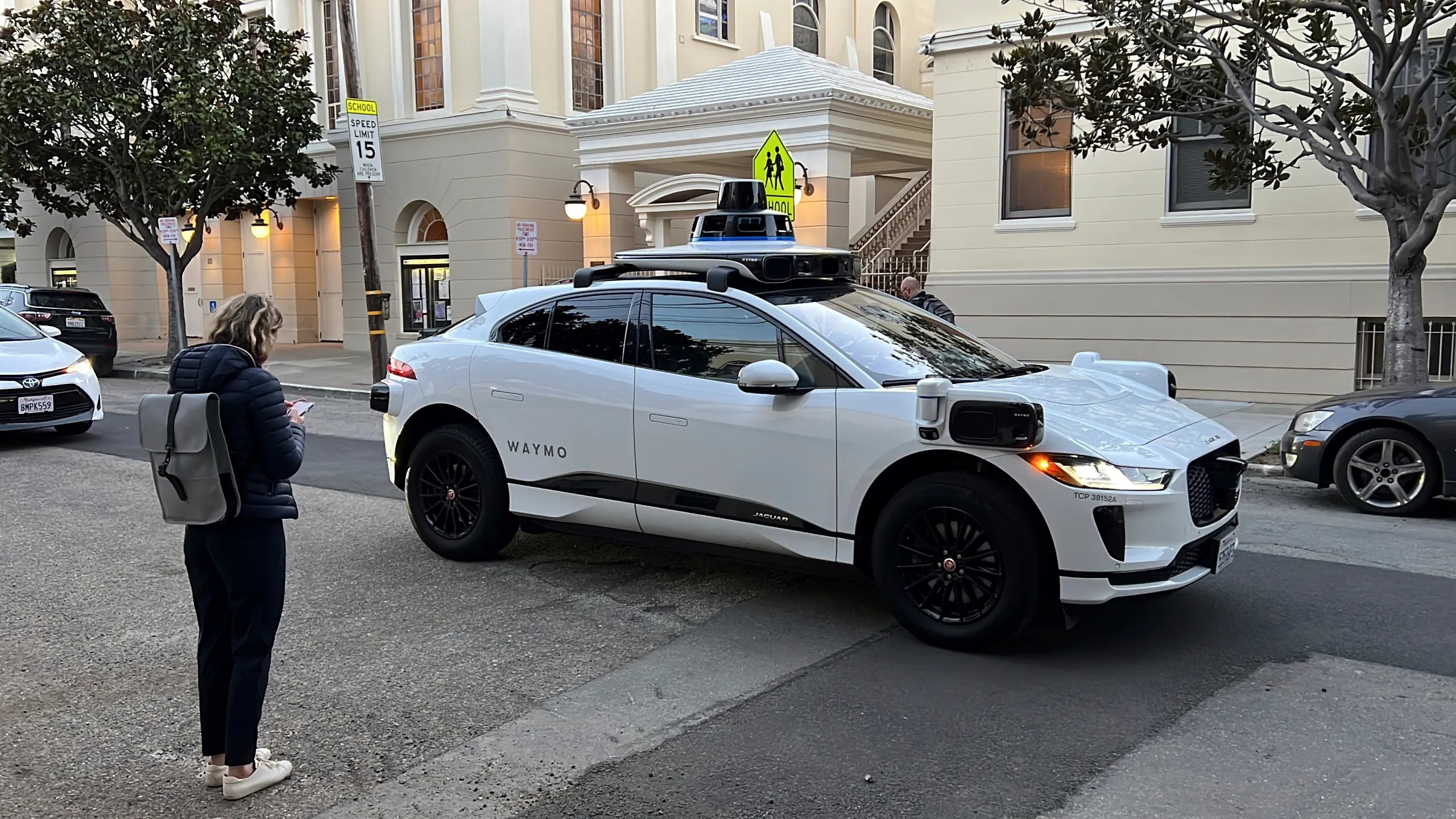
Waymo’s fleet of self-driving cars is not only reshaping transportation but is also emerging as an unexpected potential tool for U.S. law enforcement. Each Waymo robotaxi comes equipped with 29 cameras, creating a vast pool of high-definition video that can be tapped during investigations — a feature authorities are increasingly turning to.

Police have long sought data from tech companies to bolster their surveillance and investigative powers, from Amazon’s Ring doorbells to Google’s location data and Meta’s social platforms. Now, autonomous vehicles represent a new frontier in this broader trend of private technology infrastructure being leveraged by law enforcement.

During an interview on the Hard Fork podcast on Friday, Waymo co-CEO Tekedra Mawakana emphasized the company’s commitment to transparency and due process.

“On the question of when and how law enforcement gets access to our data, we make that publicly known,” Mawakana said. “We follow the legal process to receive footage from our vehicles, and we narrow the scope of that as needed.”

A Waymo spokesperson told Business Insider that the company requires law enforcement to provide a “valid” legal basis before handing over any information.

“As a general matter, we require valid legal process (in the form of a warrant or court order) from law enforcement agencies who seek information and data from Waymo,” the spokesperson said. “Our policy is to challenge, limit, or reject requests that do not have a valid legal basis or are over broad.”

This policy has already been tested. In April, the Los Angeles Police Department released footage obtained from a Waymo vehicle on its YouTube page. The video, marked with the phrase “Waymo Confidential Commercial Information,” showed a hit-and-run incident. That disclosure underscored both the evidentiary value of robotaxi footage and the broader concerns about how much police access could expand as these vehicles proliferate in major U.S. cities.

Waymo’s privacy policy acknowledges that data may be disclosed to law enforcement or third parties “for legal reasons.” It states: “Waymo also uses information to satisfy applicable laws or regulations, and discloses information as required by regulation or in response to legal process or enforceable government requests, including to law enforcement.”

Mawakana admitted that public trust remains fragile. In June, anti-ICE protesters in Los Angeles set five Waymo cars on fire, forcing the company to temporarily suspend service in the area.

“At the end of the day, we need communities to be able to trust us,” Mawakana said. When asked whether the company pushes back against broad requests, she added, “Of course. Not only is it burdensome, but also that’s just our process.”

The debate over Waymo’s role fits into a much larger story of U.S. police relying on private-sector technology as a surveillance backstop. Over the past decade, law enforcement agencies have increasingly leaned on partnerships with big tech companies. Amazon’s Ring, for instance, built an expansive web of doorbell cameras across American neighborhoods, often in collaboration with police departments, sparking concerns about warrantless surveillance and racial profiling.

Google has repeatedly faced criticism over so-called “geofence warrants,” which allow police to demand data on all devices present in a certain area, sweeping in innocent people alongside suspects. Meta, too, has handed over private messages and user data under legal orders, fueling debates about digital privacy and the boundaries of government power.

Against that backdrop, Waymo’s robotaxis — roaming public streets, recording 360-degree footage almost constantly — represent both an innovation in mobility and a potentially powerful surveillance grid. Civil liberties advocates warn that without strict guardrails, the convenience of autonomous cars could be overshadowed by the quiet expansion of state access to private technology.

However, Waymo insists that its policies are designed to strike a balance between legal compliance and user trust. But as the vehicles scale up and their data becomes more valuable to law enforcement, the company may find itself drawn deeper into the broader and increasingly contentious debate over how much power private technology firms should have in shaping the surveillance landscape of modern America.

Tekedia Capital Welcomes Cascade Space which Just Raised $5.9M seed round

0

Tekedia Capital is excited to announce investment in San Francisco-based Cascade Space: “Cascade Space provides a turnkey communications system for lunar and deep space missions, combining a global ground station network with integrated software and hardware tools. Commercial-grade reliability and standardization in space communications will enable missions to launch faster and with higher rates of success. It is critical infrastructure for our transition to a multiplanetary species.”

Tekedia Capital participated in Cascade Space’s $5.9M seed round.

For more, visit:

  • Tekedia Capital – capital.tekedia.com
  • Cascade Space – cascade.space

Elon Musk’s xAI Launches Grok Code Fast 1 to Rival OpenAI Codex in Agentic Coding Race

0

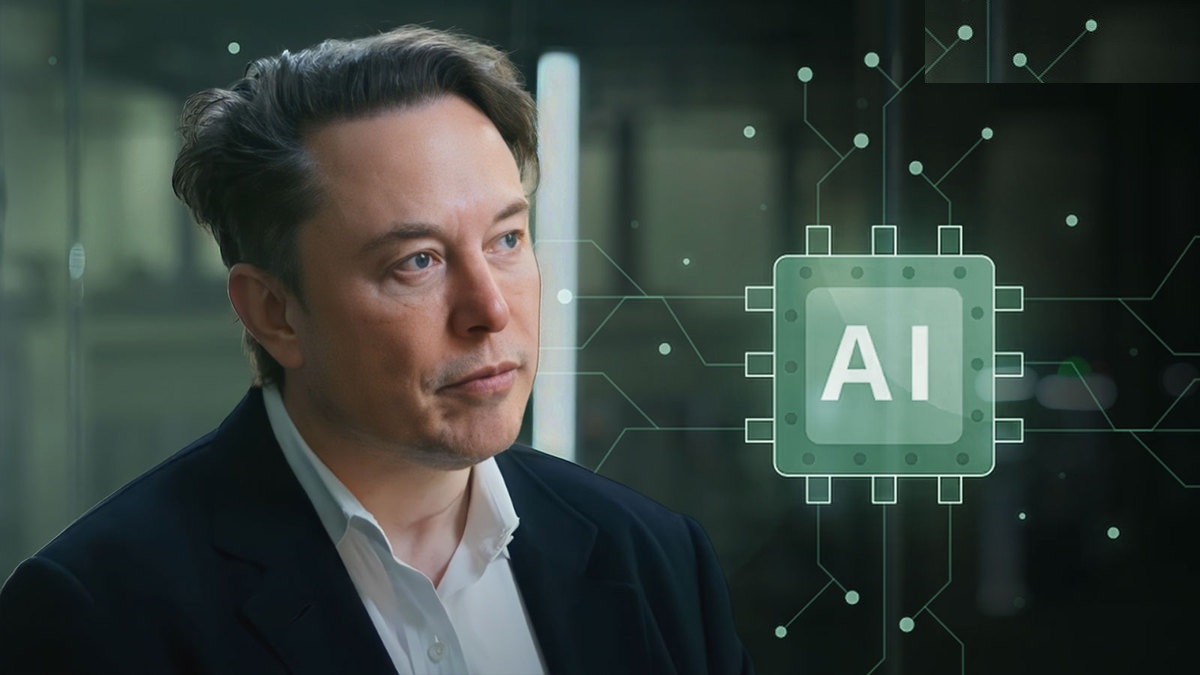
The agentic coding space just welcomed a new competitor as Elon Musk’s startup xAI unveiled its latest coding assistant, Grok Code Fast 1, on Thursday.

Previously previewed under the codename “Sonic”, the model is now available for free on platforms such as Cursor and Windsurf.

In its launch announcement, xAI described the model as “a speedy and economical reasoning model optimized for agentic coding workflows”. Unlike traditional AI coding assistants that often struggle with slow reasoning loops and tool calls, Grok Code Fast 1 promises nimble performance and developer-friendly responsiveness.

Built for Real-World Coding

xAI said it designed Grok Code Fast 1 from the ground up with a new architecture and a training corpus rich in programming material. The post-training process involved curated datasets based on real-world pull requests and coding tasks, ensuring the model excels in practical developer workflows.

The assistant has mastered tools like grep, terminal commands, and file editing, making it seamless for use in popular IDEs. At launch, it will be offered for free through select partners, including GitHub Copilot, Cursor, Cline, Roo Code, Kilo Code, opencode, and windsurf.

Features and Capabilities

According to xAI, Grok Code Fast 1 is versatile across the entire development stack, with particular strength in TypeScript, Python, Java, Rust, C++, and Go. It can:

  • Build projects from scratch
  • Answer detailed questions about codebases
  • Perform targeted bug fixes
  • Run tests in a cloud-based sandbox environment

Its biggest advantage is delivering fast, cost-effective coding assistance, making it attractive to startups, indie developers, and cost-conscious teams. Just shortly after the launch of the coding assistant, early reviews are ready positive. GitHub’s Chief Product Officer, Mario Rodriguez commending the coding bot said,

“In early testing, Grok Code Fast has shown both its speed and quality in agentic coding tasks. Empowering developers with powerful tools is a core part of our mission at GitHub Copilot, and this is a compelling new option for our developers.”

The launch of Grok Code Fast 1 comes just months after OpenAI rolled out Codex, its own coding assistant, in May. Codex currently offers advanced reasoning, GitHub integration, and secure cloud testing environments for ChatGPT Pro, Team, Enterprise, and Plus users.

With Grok Code Fast 1 entering the market, xAI is directly challenging OpenAI by emphasizing speed, affordability, and agentic workflows. Its integration with GitHub Copilot and availability via a free trial further position it as a disruptive alternative.

As the AI-generated code market in 2025 heats up, xAI’s Grok Code Fast 1 represents a bold move to carve out space in the developer tools ecosystem. With Musk’s push for speed and affordability, and OpenAI countering with its ecosystem depth, the coding assistant race is set to intensify driving faster innovation for developers worldwide.

Looking Ahead

xAI says it will push frequent updates, with improvements rolling out in days rather than weeks. A new variant currently in training will support multimodal inputs, parallel tool calling, and extended context length.

Still, OpenAI’s broader ecosystem and Codex’s complex reasoning abilities give it a strong defense. Market watchers suggest OpenAI could respond by lowering costs, upgrading agentic capabilities, or pursuing acquisitions to maintain its edge.

Tesla Sales Continue to Slump in Europe as BYD Surges, Cementing China’s Electric Car Dominance

1

Tesla’s grip on Europe’s electric vehicle market continued to weaken in July, with sales plunging for the seventh consecutive month, even as Chinese rival BYD surged ahead with aggressive growth and new records.

According to data released Thursday by the European Automobile Manufacturers Association (ACEA), new registrations of Tesla cars in Europe totaled 8,837 in July, a steep 40% decline compared to the same period last year. In sharp contrast, BYD recorded 13,503 registrations, a staggering 225% year-on-year increase.

The decline for Tesla comes despite an overall rise in battery electric car sales across the continent, underscoring how the U.S. automaker is struggling to keep pace in one of the world’s most competitive EV markets.

Tesla’s challenges in Europe are mounting. Analysts say the company is being squeezed by two forces: intensifying competition from Chinese automakers and reputational damage tied to Elon Musk’s polarizing public image, including his incendiary rhetoric and alignment with the Trump administration. Globally, Tesla’s difficulties have been evident—its automotive sales revenue dipped in the second quarter of the year, with Musk himself warning investors the company “could have a few rough quarters” ahead.

One core issue is Tesla’s aging product line. The company has not launched a major refresh of its flagship vehicles in years, and attempts at new rollouts have faltered. Its long-hyped Cybertruck has failed to deliver the blockbuster success Tesla envisioned. To counter slowing sales, the automaker has promised a more affordable electric car, with “volume production” expected later in the year. Investors are pinning hopes on this model to revive momentum.

Thomas Besson, head of automobile sector research at Kepler Cheuvreux, told CNBC that Tesla’s leadership has been trying to shift the narrative away from cars.

“They talk about almost everything else but the car they’re selling at a slower pace now because effectively, the age of their vehicle is much higher than the competition and the latest products have not been as successful as hoped, notably the Cybertruck,” Besson said.

Instead, Musk has emphasized Tesla’s investments in artificial intelligence, robotics, and autonomy as a way to convince investors that the company is more than just a carmaker. The billionaire CEO has also touted Tesla’s robotaxi as a possible frontier for growth.

Meanwhile, BYD has taken an opposite approach—doubling down on cars. The Shenzhen-based automaker has been aggressively expanding across Europe over the past two years, opening showrooms across the continent and pricing its models competitively.

This strategy has worked. In the first half of 2025, Chinese automakers collectively captured a record market share of more than 5% in Europe, according to JATO Dynamics. BYD’s rise has been especially dramatic. Last year, it overtook Tesla as the world’s largest electric vehicle maker by volume, thanks to its combination of affordability, cutting-edge technology, and rapid production cycles.

And it isn’t just about affordability. BYD has begun proving its dominance in performance as well. Its Yangwang U9 Track Edition recently became the world’s EV speed king, clocking a top speed of 293.5 mph (472.4 km/h), just shy of the fastest internal combustion cars. The standard U9 supercar, equipped with a dual-motor powertrain generating 1,287 horsepower, accelerates from 0 to 62 mph in just 2.36 seconds—placing it among the quickest cars in existence.

Tesla is not alone in feeling the heat. July also saw year-on-year declines in European registrations for other established global automakers, including Stellantis’ Jeep, South Korea’s Hyundai, and Japan’s Toyota and Suzuki. In contrast, European brands such as Volkswagen, BMW, and Renault Group posted growth in the same period, benefiting from a more localized strategy and newer product lineups.

While Tesla once defined the EV era, its slowdown in Europe highlights how the balance of power is shifting. Chinese automakers, led by BYD, are rewriting the rules of the global electric vehicle race—delivering cars that are cheaper, technologically advanced, and now even faster.