DD
MM
YYYY

PAGES

DD
MM
YYYY

spot_img

PAGES

Home Blog Page 7167

Business Idea #11 – Digital System for Informal Sector Tax Collection (Remita for Tax)

2

The ideas are archived here.


The Problem

According to a recent report by Economic Confidential, a publication, most Nigerian states are not economically viable. The report showed that only three states in the entire Northern region have IGR (internally generated revenue, IGR) above 20 per cent. They are Kwara, Kano, and Kaduna States. Ten states in the South recorded over 20 per cent IGR in 2017. They are Lagos, Ogun, Rivers, Edo, Enugu, Delta, Cross River, Anambra, Oyo and Abia States. With dwindling receipts on crude oil sales, most Nigerian states have a big problem: improve IGR or become insolvent.

The Opportunity

It is evident that states have to improve IGR. Today, the strategy has focused mainly on big companies and ventures within the corporate Nigeria – i.e. companies registered with CAC and operating with known locations.  In other words, medium scale enterprises and the top leading entities are the ones paying most of the taxes. The carpenters, mechanics, tailors, farmers, etc are largely ignored. Unfortunately, most of those participants, usually in the informal sector, are making money. Furthermore, government has not improved how to collect taxes from most web companies. Today, you can be living and running a business in Nigeria with your bank account where all payments are received in Silicon Valley Bank through Stripe Atlas.

Action Roadmap

Build a tax collection system that makes it possible for state governments to collect the right components of their taxes from hotels, carpenters, tailors, web companies, etc. Think of Remita for tax collection. IGR includes Pay-As-You-Earn Tax (PAYE), Direct Assessment, Road Taxes, and revenues from Ministries, Departments and Agencies (MDA)s. You have to figure out how to make sure states can collect the money without crippling the companies. It must not include intrusive system but something that can even use mobile money or SMS to ensure these informal sector participants pay.

Active Investor #4 – EchoVC

0

The daily entries are archived here.


Business Name: EchoVC Partners

Business Description: EchoVC Partners is a seed and early stage venture capital firm focused on financing and cross-pollinating leading technologies, teams, business models and knowledge across North America, Africa and SE Asia. Average investment size ranges from $25,000 to several million dollars depending on the stage of opportunity and capital needs of the business. Our team focuses on capitalizing on the benefits that geodiversity and knowledge transfer provide to successfully fund the best entrepreneurs and companies in the geographic markets we serve. We are interested in finding and funding amazing teams to build, deliver and scale services and products that matter to local and eventually global audiences. Our segments of interest include: Consumer Internet and Services, SmartGraph and SmartData, Mobile, Digital Media, Content and Advertising, E/M-commerce, Software, Tech-enabled Services and Enterprise Infrastructure.

Business Focus: Multi-sector

Location: Lagos

Selected Recent African Deals: Hotels.ng, Printivo, LifeBank

Websitewww.echovc.com

Factor: This firm is managed by Nigeria’s Eghosa Omoigui

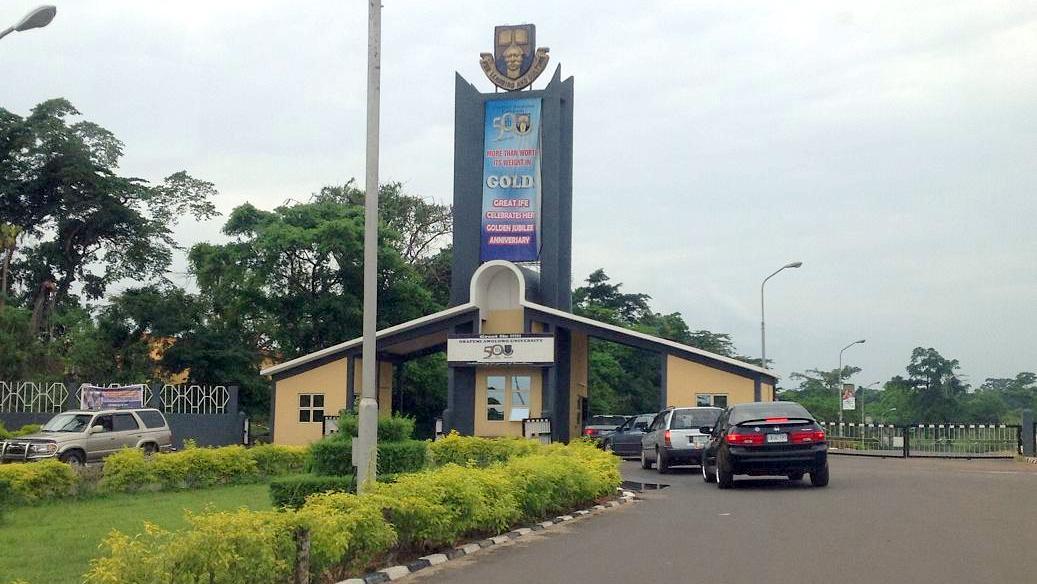
Obafemi Awolowo University Shut for Alleged Tax Default

0

According to Premium Times, Obafemi Awolowo University has been shut down for alleged tax default. This is very interesting. It shows a new Nigeria is coming up. First, OAU is a quasi non-profit and second, it is a federal university. That Osun State can close it for tax purposes is an indication that internally generated revenue (IGR) is now a hardball. Any state that cannot improve its IGR will certainly struggle.

The Osun State Internal Revenue Service has closed down the Obafemi Awolowo University, Ile Ife, over alleged N1.8 billion tax debt to the state government.

The institution was shut down Wednesday morning by the officials of the state revenue (IRS) led by Oladipo Babatunde after obtaining a court order to seal the school.

Mr. Babatunde has, however, said that the institution will be reopened when the management is ready to pay its tax debt.

The IRS sealed the university Senate building, administrative block, the bursary department and the university main gate which interrupted easy flow of vehicles and registration of fresh students who resumed on Sunday.

The state government had earlier issued seven days ultimatum to the companies accused of owing the state well over N12.5 billion as un-remitted taxes.

As I noted few days ago, the central purse is shrinking which means states cannot depend on the federal government to run their services. They need to invent new ways to ensure companies pay taxes. I expect states to develop better ways of collecting taxes from the informal sector which remains largely out of the tax system.

IGR includes Pay-As-You-Earn Tax (PAYE), Direct Assessment, Road Taxes, and revenues from Ministries, Departments and Agencies (MDA)s. In coming months, for the sake of survival, state governments would deploy arsenals to deepen the efficiency of collecting these taxes and fees. You do not close OAU if you are not serious in improving IGR.

Meanwhile, if you are paying attention, you would have noticed that Nigeria’s federal, state and LGAs governments increasingly have lesser to sharefrom NNPC generated revenue from crude oil business.

The federal government, states and local governments shared N626.8 billion for the month of April. …Giving a breakdown of the revenue accrued in March, Mr Idris said N480.59 billion was received as gross statutory revenue, lower than N557.94 billion received in March by N77.34 billion

Non-Economically Viable States

We do note that many states are not economically viable. Now that depending on the federal government will not cover their financial obligations, things will change.

Economic Confidential noted few days ago that about 17 states in Nigeria cannot really open doors for business without the federal government support. This clearly shows that states must innovate to diversify their sources of revenues. And as they do, they must ensure that the quest for revenues would not cripple the few companies that operate in the locations. Where the balance is not optimal, most of the companies will depart triggering more challenges for the states. Yes, collect only taxes and fees backed by the law and do not exploit companies.

The Economic Confidential has released its Annual States Viability Index (ASVI) which shows that 17 states are insolvent as their Internally Generated Revenues (IGR) in 2017 were far below 10 per cent of their receipts from the Federation Account Allocations (FAA) in the same year.

The index proved that without the monthly disbursement from the Federation Account Allocation Committee (FAAC), many states remain unviable, and cannot survive without the federally collected revenue, mostly from the oil sector.

Economic Confidential Annual State Viability Index (ASVI) 2017 
Ranking of States by Internally Generated Revenue (IGR) Compared to Federation Account Allocation (FAA) in 2017

Source: www.EconomicConfidential.com

The Economic Confidential ASVI further showed that only three states in the entire Northern region have IGR above 20 per cent. They are Kwara, Kano, and Kaduna States. Meanwhile ten states in the South recorded over 20 per cent IGR in 2017. They are Lagos, Ogun, Rivers, Edo, Enugu, Delta, Cross River, Anambra, Oyo and Abia States.

Business Idea #10: Aggregation Marketplace for Car Services and Repairs

0

This daily series focuses on business ideas for those looking to launch new ventures in Nigeria (and Africa in general). The short ideas are archived here.


The Problem

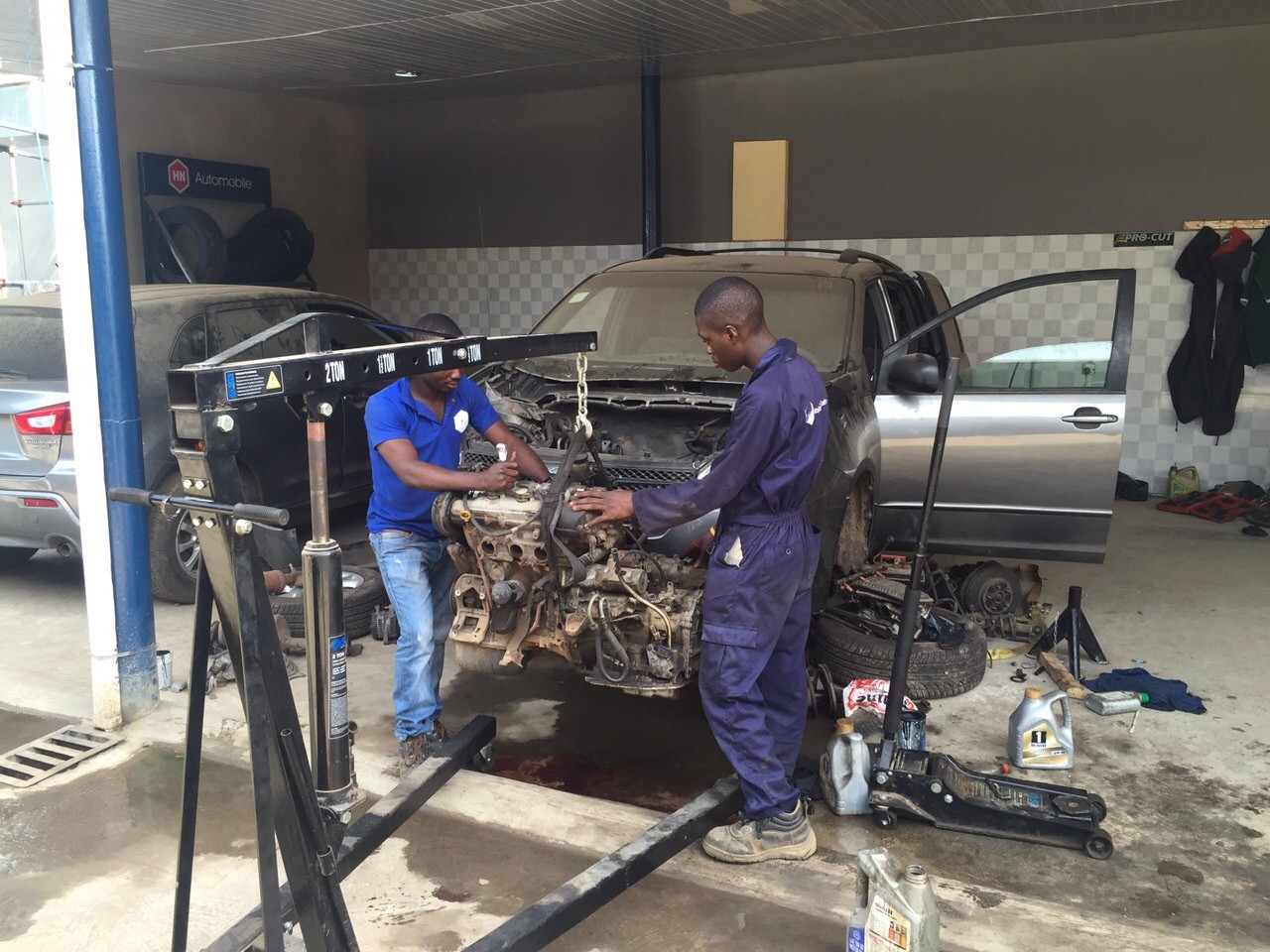
Cars break and they have to be fixed by mechanics. If your car stays in some mechanic workshops overnight, that car is largely gone. Most would use parts from your car and fix another car. It is a huge problem and many people do all to avoid being in that position where they would keep their cars with mechanics. Unfortunately, it is one of those things you cannot easily avoid especially when we drive cars with average age in excess of 15 years in Nigeria.

The Opportunity

An aggregator with “angel network” that will screen very well trusted people. Those people pick the cars, take them to mechanics, and afterwards return them to the owners. The aggregator would have to work with networks of mechanics with stated pricing model which it would communicate to car owners in its network. The goal is that someone can be at work while trusted people are helping to fix his/her car. If there is anything that is to be purchased, the people will communicate via app or SMS to the car owner for necessary approval.

Action Roadmap

Build an app that can bring a network of mechanics (on one side), car owners (on another side) and link them together in a two-sided business. Then have trusted agents. Part of this business could also include providing drivers on-demand in major cities in Nigeria. You do not need to be a mechanic to build a business making money from fixing cars. Think of this as a marketplace that delivers value to car owners even when expanding networks for mechanics.

Active Investor #3 – Singularity Investments

0

This daily series focuses on active investors who are investing on African entrepreneurs and their startups/businesses. To qualify, the investor must have done a deal within the last 24 months in continental Africa. The daily entries are archived here.


Business Name: Singularity Investments

Business Description: Singularity Investments is dedicated to accelerating the growth of early-stage companies in Africa and North America. We focus on scaling businesses and leveraging our team’s network to build market-leading portfolio companies.

Business Focus: Multi-sector

Location: Lagos

Selected Recent African Deals: Paystack, Flutterwave, Sliide Airtime, Asoko Insight

Websitesingularityinvest.com

Contact: InfoAfrica @ singularityinvest.com

Factor:This firm is led by Sam Darwish, Founder, Executive Vice Chairman and CEO of IHS Towers, the telecom operating company.