DD
MM
YYYY

PAGES

DD
MM
YYYY

spot_img

PAGES

Home Blog Page 7328

One Challenge Before Nigerian ICT Entrepreneurs

0

We, the entrepreneurs, in the Nigerian startup scene, make our governments look really bad. I get it, the government is not doing its own part. We have no electricity, cannot find great graduates, and cannot even find available air for breathing. The list goes on and on. Nigerian government is not assisting startups to excel.

Yet, we put our governments in tough positions, pushing them to make very stupid policies. They do really care for us and do believe they can help us. If not, how can you explain the plan by the National Office for Technology Acquisition and Promotion (NOTAP) to refuse the applications of banks to acquire foreign software.

Banks in Nigeria may not be able to apply for foreign software purchases as the National Office for Technology Acquisition and Promotion (NOTAP) says it will start refusing the application of banks for foreign software purchases because of the drain on the nation’s foreign exchange reserves. …

“We are already working in partnership with the National Information Technology Development Agency (NITDA) to have Nigerians develop banking applications. Once we are done, we will start refusing the application of banks for foreign software purchases,” Director-General of NOTAP, Dr. Dan-Azumi Ibrahim said

NOTAP is a very critical government agency which makes it possible for Uber Nigeria to pay license to Uber Europe or wherever the intellectual property that enables Uber Nigeria to operate. Coca Cola Nigeria will pay IP license to its U.S headquarters for the use of IP to make soda in Nigeria. only through NOTAP blessing. Without approval of NOTAP, most foreign companies cannot repatriate profit back home. MTN South Africa cannot be paid for the use of its trademark and IP by MTN Nigeria. This explanation may not be obvious in NOTAP’s website but that is one of the core components of what the agency does.

So, practically, NOTAP is a powerful organization. It can refuse approving a transfer of money by a Nigerian bank to pay foreign software makers. It has the administrative power. Unfortunately, it does not have the moral power, if Nigeria believes in free enterprises.

Why Blocking Banks to Buy Foreign Software is Bad

No one will need to tell banks when they have seen good value within Nigeria. They are bankers and they understand value. Period. When software makers in Nigeria have risen to the standards they want, they do not need government to remind them they can save money, by using them. They will go for it. But making it a government policy by restricting what they procure to drive their businesses will be extremely unfortunate. I tell government: hands-off, it is not your money and it is not your bank that will collapse if the banks cannot compete globally because of the resource-restriction.

I understand the patriotism which every Nigerian government agency has to preach. However, getting the best possible value for your money is not really about hating your country. Banks hire Nigerians because Nigerian graduates offer the best value when talent and cost are traded-off. No one tells them you must hire locally.

Some Nigerian banks are already using local software where they see value and cost aligning. From SystemSpecs to AppZone, we see many local software in the back offices of Nigerian banks. They are using the local companies because in those specific areas, they see value.

Yet, there are some software components, no Nigerian company can create for banks to deploy, at scale, at the highest global standards. The core banking application like Oracle Financial (Flexcube), Finacle, Oracle DB, UNIX, Windows and more are critical infrastructure that any bank cannot find substitutes, locally, at the moment. In future, our entrepreneurs could make them, and I am sure banks will be the first to look for value and adopt them. But right now, we are not ready and we cannot deliver. This means government does not need to help entrepreneurs sell what they do not have.

What Government Needs to Do

While it makes sense for government to issue fiats on how banks can deploy their money on resources they need, a better strategy will be if government can ask banks to run a small sub-5% interest rate lending packages for technology companies in Nigeria. This will help these companies scale and grow to become companies that can deliver on the aspirations of government. Banks have fiduciary responsibilities and may be blind to the needs of the entrepreneurs, but government can make lending to technology companies easier. Ideally, banks should support local entrepreneurs, as they will become customers of the future. But they are many other ways to support, over buying software that does not add value in your business.

If Nigerian government has a specific initiative to deploy $100 million into technology companies with all the banks required to compete to participate under defined agreements that interest rate cannot exceed 5%, they will do. Government will guarantee loss of 75% of the loan. Government must not guarantee all the 100% to ensure banks think before they make the investments. The 5% interest will cover their operation costs since they get the funds free. After ten years, the banks will be required to return the principal to government.

If NOTAP puts this type of proposal before the government and government funds it, it will be possible that there will not be a need to make unnecessary threats to companies involved in legally free enterprises with rights to look for resources, with their capital, whenever those are located. If Nigerian companies make good software for banking, banks will not need to be reminded, to shop locally. They will use them because banks are the smartest institutions in sourcing value. We can learn from the Israel model.

According to Israeli venture capitalist Dr Orna Berry, there is no doubt smart policies played a key role in spurring innovation. “The Israeli government made a crucial strategic decision to jump start a sciencebased sector by providing financial support for commercial R&D,” says Ms Berry. “This policy made up for market failures and the heightened risk in operating in a geographically isolated market like Israel.” She knows the system well, having seen it through both the private and public sectors. In addition to a 25-year career in science and technology industries, she was the chief scientist from 1996 to 2000, a post that embodies the Israeli government’s hands-on approach to innovation. The Office of the Chief Scientist was created in 1969 within the Ministry of Industry, Trade and Labour, and would eventually become an important player during the high-tech boom.

The government can also pursue this initiative through the local venture capitalists.

Challenge for Nigerian Software Entrepreneur

Indeed, banking is where the money is, since our insurance industry is lethargic. As noted in the referred article, “the NOTAP DG believes Banks are the biggest consumers of software in Nigeria, noting that four out of five items in software are on banking applications”. You do not need any further market study because the man that approves all major software purchases in Nigeria has spoken. Banks consumer more than 80% of commercial software and that means focusing on banking software is wisdom. We need to get better in this business to get the banks to think local. We cannot get them to support us, just because they are Nigerians, they are, but they have other responsibility, which they are legally required to consider: they need to do what is best for their shareholder interests. For software, they have to buy the best possible they can afford to compete. We must respect that. Sure, we are part of the stakeholders but “shareholder” comes alphabetically before “stakeholders”.

However, if we do our work, they will come home. They have already come home in many areas. But we need to get higher in the value chain to get the key applications that power and run our banking sector. Executing on that should be priorities for software companies in the nation.

Rounding Up

Nigerian entrepreneurs have a challenge before them to make technology solutions for use by different sectors of the economy. They will need help to get into the quality level which can help them deliver. Nigerian government can make market-based intervention programs through the banking sector or broad venture-capital sector to seed that market. This problem of imposing orders to companies to support local ICT, while patriotic, is not necessary, when government has not done anything to help the local ICT entrepreneurs to have the capabilities to provide the solutions needed in the industries. Being world-class is a challenge to the local ICT sector, but banks, oil companies and others cannot be punished for being free enterprises. After all, the local ICT entrepreneurs also want value: that is why most host their websites outside Nigeria, despite the availability of local hosting firms!


Three Promising Business Areas Now In Nigeria

1
African entrepreneurs (credit: Harvard)

Few days ago, I posted an update on LinkedIn on pricing asymmetry and competition:

The age of internet reduces price asymmetry. Internet creates abundance, helping users, but punishes suppliers. Kayak provides airline prices before you – human travel agents gone. In consumer electronics, scale becomes key. Pebble failed. Jawbone failed despite raising nearly $1B.

Increasingly, the key product feature is People because that delivers network effect. For all the innovations in Facebook, its best feature is that it has human bodies, a lot. SnapChat may fail. With stock price below IPO’s, it has to add humans faster.

Entrepreneurs – if your business depends on network effect, please the best feature you can have is adding people. You must have a dedicated person for that. Besides Mark Zuckerberg, the most important person that made Facebook successful was Chamath Palihapitiya, who told him that People are the best products on FB.

For all that they tell you about the web: It is easy to launch a business now; I tell you that it is even harder to have one succeed. You compete locally and internationally, and everyone knows the best product. 

A user had this great comment below it:

1. Scenario planning – a strategy competence that demands ‘predicting’ what scenarios may play out in the near future so a firm can develop alternate strategies. E.g. pre-Ghana election last year I worked on 2 scenarios (norm is at least 3) for the oil & gas downstream per possible election outcome & it was 95% accurate hence a solid strategy for 2017. Businesses in view of this law need to project ie develop scenarios, ask implications and strategise accordingly.

2. Future-proof capabilities – get clarity on current capabilities through diagnostic insights and realign per futures seen in no.1 above. Yesterday’s strengths e.g. This Day strengths may be useless next to Facebook’s domination

Based on this, I will like to map what I think will be potential ideas for business in Nigeria in the next coming months, before the 2019 election. As I have noted, I like to track what government does as that helps to drive strategy.

Promising Business Areas in Nigeria

The following are areas, owing to the the soon coming election, that I do think will be rewarding to those that build capabilities in them.

  • Data collection, advocacy and mobilization: As election cycle begins, data collection, political advocacy and citizenship mobilization will become a critical opportunity within Nigeria.There will be many groups coming up to support and campaign for candidates. Now is the time to build the structures to help you play and be hired by politicians and those supporting them. From collecting data of voters to making sense of them, the moment is here.
  • Political consulting and document creation: There are many politicians who will need political consultants to develop their manifestos and other documents which they  will need to compete. From websites to campaign flyers, they need contents. Now is the time to develop capabilities and prepare for the moments. You can build a good website as sample which can be shown to these potential clients.
  • Youth/Farming Training: Many politicians in power, in coming months, will start doing empowerment programs. The primary goal for most is to be visible to the citizens as they need to get votes from the constituencies. With high unemployment in the country, one way they play this is to offer training and empowerment programs to youth. Parents like it when their children are getting such opportunities and anyone that offers same will be viewed as helpful. The way to play this is to package training programs which can be delivered at scale because the politicians want to be seen delivering scale. You need to give them huge numbers of people you can train to have a chance. What you train must be locally relevant. This training can also include farming related empowerment and training. Most voters are farmers and politicians like to talk about it a lot.

Rounding Up

The economic activity will pick up in Nigeria from October as politicians pump more money in the economy to stimulate it. APC, the ruling political party, will like to have some good moments as they return to voters. Many opportunities will open, in many areas. A good entrepreneur must open his or her searchlights to take advantages of the opportunities. It could be seasonable but it could be lucrative, relatively, depending on the people you are working with.

The Problem With Your Nigerian Startup Valuation

0

In the Nigerian startup scene, I have been seeing massive valuations, from founders that reached out for my insights on their works. Simply, I tell these young people: your valuation does not make sense. It does not work that way; you cannot just put $10 million valuation because you like the idea. Yes, you will crush Amazon, Facebook and Google at the same time; we get that, and clearly. But the money you need is other people’s money. Be real, people, as you plan to take down every unicorn standing.

Valuation is a critical element of building startups. In short, it is one of the first decisions founders have to make. If you believe that you are on a big mission, in the world, the valuation should naturally be high. But it is also important to be terrestrial, because the way you see it, is not always the way everyone does.

Generally, I like to see people go for capital, only when needed. You do not raise money just to feel good because perhaps the press will write about it. You should raise money only when the business needs it. And before you begin the process of raising that capital, explore if your customers can fund you. You may be lucky, in some cases, to pitch ideas where the main customer pays for the product. Think of prepaid contracting where a customer prepaid order can be used to jump-start a key part of the business. But where there is no alternative and you have to hit the market, you need to learn simple things about valuation in order to get that term paper executed. In other words, to get the capital you need for your business.

My suggestion to Nigerian founders and by extension African founders is this: stay humble and do not be greedy so that you can get the capital you need to build your business. Do not compare yourself with other founders in U.S. Things are really different between you and them in some key ways:

  • Country GDP Sizes: They are in U.S. with GDP in excess of $18.4 trillion. That means, they have a bigger market than Nigeria’s $0.450 trillion. If they get $10 million funding for a similar idea like yours, theoretically, you should be aiming for $250,000 owing to the size of your country economy. This is not necessarily fair since you can serve U.S. from Nigeria, in this age of Internet. The implication is that the location should not matter. However, at that early stage, what matters is the market where you are working to validate your business hypothesis. So, unfortunately, the investors are thinking market size opportunities in their minds, in this case, between Nigerian and U.S. economies.
  • History of Performance: Nigeria is not Israel with the history of generating great returns for venture capitalists or other early stage investors. So, we are not there and we have to prove we can do it. Until someone has done it, and another entrepreneur follows up, most investors will see putting money in Nigerian startups as huge gamble. That makes them very fearful and masks your excitement before them. The result? They see low value before them. And if you push very hard, they are gone
  • IP Locations Matter: Sure every laptop and mobile device uses IP address to get online. But in some cases, investors look at specific locations where those IPs are coming. If the IPs are coming from Nigeria, there is a discount, compared to U.S., depending on the business. So, you may have 1,000 visitors from Nigeria while another entrepreneur doing similar thing, has 800 from U.S. users, some investors will prefer the latter, especially if your business will be ad-driven. It is assumed that advertisers will likely prefer the U.S. users, owing to U.S. higher per capita income which can affect spending and consumption.
  • Nigerian Risk: With the corruptions, yes Nigerian corruption is legendary, you are a victim of perception even before you pitch.Why will any human being believe you will be different? Most will not trust you, and if they do, they will likely not open their wallets to that huge valuation. Our national image depresses our value and that affects not just our startups but our businesses.

So, do not be too greedy. Understand that you are in Nigeria and be smart how you compute that valuation. I explain, using Facebook and IROKO Partners, to demonstrate that stratospheric valuation may not be what you need. What you need is capital.

Two Cases

  • The Facebook Valuation: Peter Thiel invested $500,000 in Facebook for 10% of the company. It means that Facebook was worth, pre-money, $5 million. By then, Facebook was in growth phase with good press, demonstrated traction with Ivy League students, and more. Facebook was not an idea, it was a business with a product. Yet, Mark Zuckerberg did not say $100 million. He set a mere valuation of $5 million. You should learn something from that.

While the value of  [Peter] Thiel’s stake has been nearly halved since the company’s IPO, Facebook’s first professional investor still realizes a handsome return on investment. In 2004, he invested $500,000 for more than 10% in the budding social networking company, then still known as Thefacebook.

  • iROKO Partners: Jason Njoku was growing his video business and needed cash. Bastian Gotter invested $150,000 for 50% of the company at pre-money valuation of $300,000. That could sound ridiculous but Jason needed that money to build the business. Had he rejected it, there might not be iROKO today. According to Forbes, “[Bastan] Gotter’s initial seed investment of $150,000 for a 50% stake of Iroko” was done in 2010.

I do hope you are getting something from these two cases. It makes sense to be in this world when running those valuations.

The funding of iROKO Partners, owner of iROKOtv, teaches us a lesson

Rounding Up

The valuation that matters is the one that helps you get the funding you need. You can put anything there: it means nothing, if none invests based, partly, on it. As an entrepreneur, you must be realistic and come down to earth with your valuation. Jason Njoku’s strategy, while really illuminating, is what you may need, when there is no other way, to get that capital. This does not mean you will give away your business: the balance on that decision, receiving capital and equity to part in exchange for it, is part of being a founder.

Pillars for Provision of Adequate Electricity in Nigeria

0
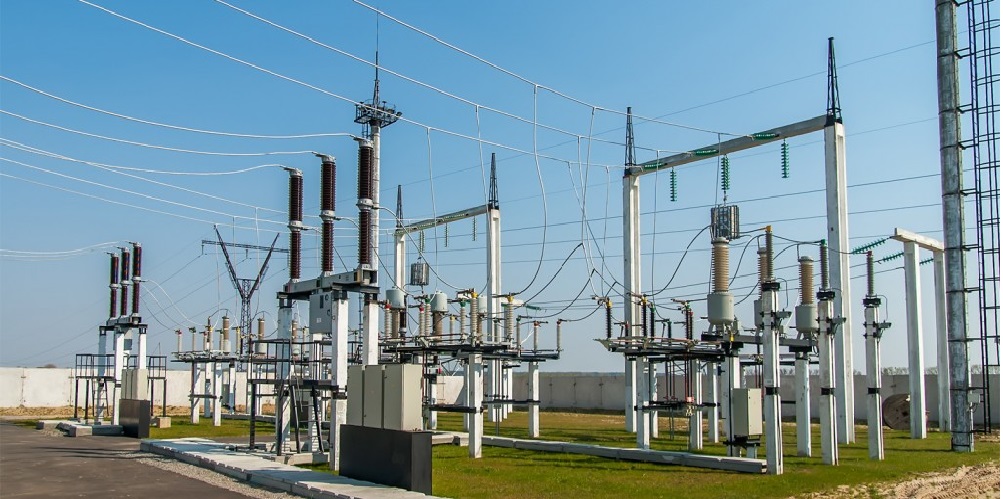
Power station (credit: Sparkonline)

Nations run on energy and when they do not have that energy, they cannot effectively advance. The juice of the global modern economy is electricity: the amazing technology which ensures that our laptops, air-conditioners, factories, microwaves and practically any process in modern commerce and industry function. You can extrapolate from a nation’s energy consumption to understand its progress to industrialization.

But my country, Nigeria, is a simple example of a country that wants to industrialize without electricity. It believes that it can attain the status of one of the world’s leading economies, without the amazing technology that has transformed the world, from North America to Asia, from Europe to South America, and beyond, for decades.

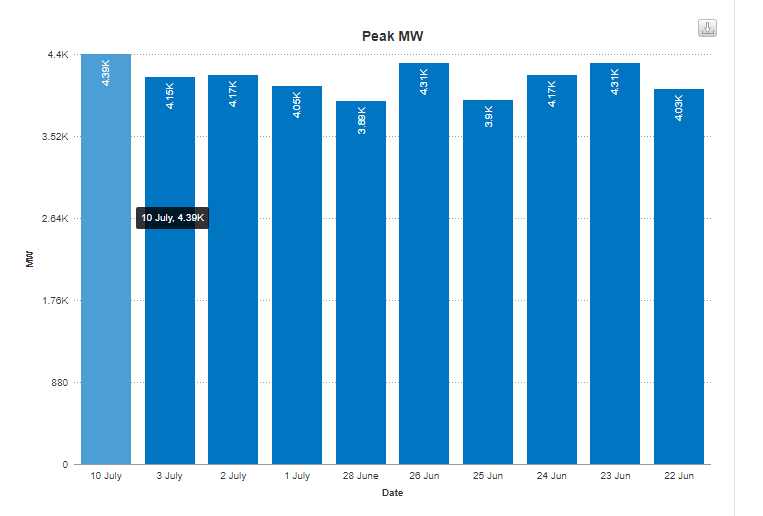
According to the Nigerian Electricity Regulatory Commission (NERC), the electricity industry regulator, Nigeria generates about 4,000 MW of electricity daily.  To benchmark, South Africa’s Eskom generation division has Coal-fired Power stations with an installed capacity of 45,389 MW:, according to International Energy Agency. This means that South Africa’s has a capacity in the 11X of what Nigeria currently generates. This does not include the pockets of largely small renewal energy generating entities which both countries support with South Africa also ahead of Nigeria in that space. South Africa has a total capacity of 5,069 MW from independent power producer covering solar, and wind, as of 2015.

Electricity generation capacity, Nigeria (source: NERC)


Structure of the Electricity Sector

Nigeria has three defined identifiable divisions in its electricity business: generation, transmission and distribution. The generation entities are huge companies which generate electricity which are then transmitted across the country. The distribution companies (Discos) now make them available in homes and offices. All these three divisions are broken. The generation division, which is privately-managed, can generate capacity which the transmission cannot absorb thereby reducing the incentives to invest more in generation. To manage this problem, the Nigerian government established NBET (Nigerian Bulk Electricity Trading Plc) to help stabilize these relationships, removing the risks from each of these arms of the power business. Nearly everything is privatized, though the transmission arm is like quasi-privatization.

At the distribution level, Discos control the electric poles, transformers, and practically owns the territory, they operate. No room was left for innovation and competition, in case those Discos cannot perform. That has become the weakest link in Nigeria’s electricity policy: Entrepreneurs cannot easily generate and efficiently sell energy to consumers. This has made it challenging for consumers to be served with alternatives even when what Discos are giving them is sub-par. Fixing the electricity sector in Nigeria, cannot happen, without revisiting the rights and controls Discos have, and also how they can partner with independent power producers (IPP), across Nigeria.

What Government Can Do

We identify and recommend the following steps, supporting what many policymakers have noted, across Nigeria for years:

  • Unbundle the Discos: Have a policy that mandates Discos to have defined working relationships with IPPs with capacity to generate at least 10MW. Where the IPPs have excess, the Discos will buy the power from them, under defined agreements. This will simplify the negotiation as the Discos are bigger and can easily muscle out the IPPs. Government will have to define the agreements so that IPPs can enter into them automatically once they meet the conditions precedence, without having to independently negotiate with Discos.
  • Energy Fund Guarantee: Government does not need to support entrepreneurs who may decide to put efforts in the renewals like solar, wind and others across Nigeria to generate power which they can sell to the discos. However, government can provide guarantees when they need help to raise capacity. This means government must first ensure they have the capacity to execute. The billions of naira government has been injecting in the generation, transmission and distribution, can partly benefit these entrepreneurs. Through this mechanism, capital can get into the hands of some savvy entrepreneurs, who can contribute to improve our energy sector.
  • Policy on Wind and Solar Farms: Though the problem may not be obvious, now is the time for government to put a policy on this. What is the maximum allowed generation capacity? Which waters or areas can entrepreneurs invest? How can they do this since governments own the waters (think wind turbines in water)? What are the environmental issues they must look? Government must publish a white paper on IPP within the nexus of wind, solar and others in Nigeria, to provide guidance for those that want to invest at scale.
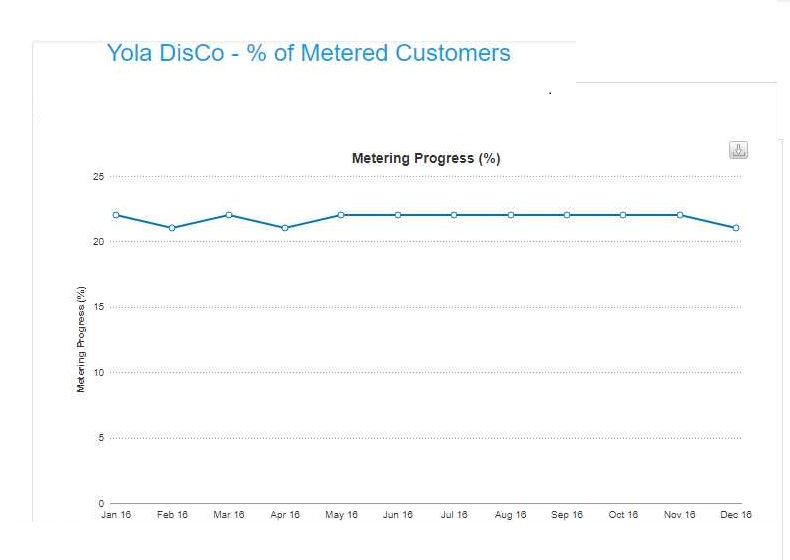
  • Install Smart Metering: The energy sector will not be exciting for innovators until Nigerians have meters in their homes and offices. We suggest for government and Discos to do all necessary to ensure these meters are installed. Our recommendation is for government to give loans to the discos, as they appear incapable of funding this process. The consumers should not be forced to pay for the meters. At below 25% of metered customers, few entrepreneurs will like to invest in Yola region. Even Abuja region could not achieve more than 45% of metered customers. Simply, Nigeria has to move into the 21st century with the capacity to meter energy usage and bill accordingly.

Energy As A Service (EaaS)

The future of electricity adequacy in Nigeria will involve the mix of what the big generating entities are doing and the minor support from the small IPPs. Renewal power like solar and wind will be critical. For the renewal entrepreneurs to succeed, they will have to  pioneer a new business model which will make it possible for customers to pay for service without owing energy assets and infrastructure. At the moment, that is not happening. People that want solar power are expected to spend money on solar infrastructure. That has to change.

Our suggestion: entrepreneurs must look into a business model that ensures they deliver Energy as a Service (EaaS). Simply, EasS is a system which ensures that consumers of electricity pay for only the power consumed with all aspects of maintenance, repair and service handled by the companies or entrepreneurs providing the solution to them. This ensures that the risk moves to the companies, saving the entrepreneurs in case the products are defective, since they only pay, only what is consumed. For this to work, the companies may require a contract, `enforceable on them meeting all terms of product reliability and quality. The long-term contract is necessary since the companies will invest money to setup the equipment and can only recoup the investments over time, as the consumers use and pay for only services consumed or used. NERC can play a role here to setup a system that provides the legal backing to EaaS with all meters linked to Bank Verification Number to ensure those not paying are blacklisted from the financial system.

Under this scheme, it will be easier for communities, villages and cities to negotiate their power needs with IPPs who will then work with Discos to meet their needs. As the buying moves from regions to communities, incentives for innovation in reliability and service will emerge. Within five years, Nigeria will quadruple its power capacity.

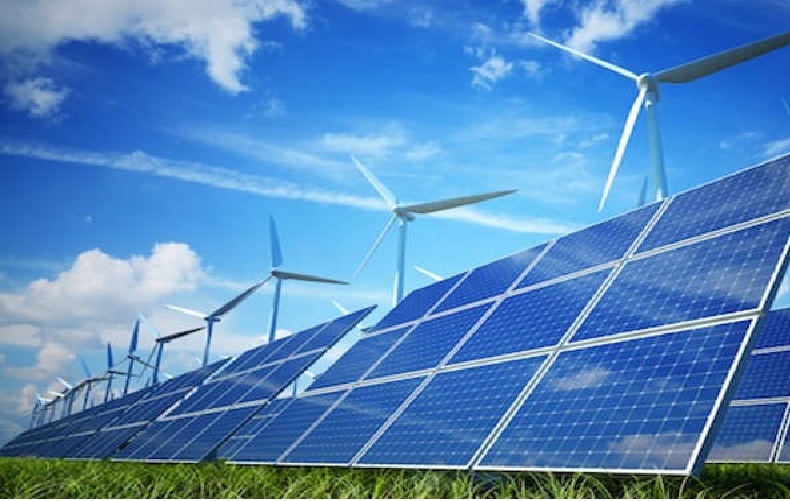
Installed solar panels, (source: IEA)

Rounding Up

This is a moment for innovators to redesign the power sector in Nigeria. I do propose for governments to develop a roadmap that will bring entrepreneurial energy in the power sector. The model of EaaS will be catalytic as years of experiences with poorly-designed solar projects have made it harder for consumers to believe in solar and other renewals. With risk of owing assets taken out of them, a golden moment will come. As the power is generated, government needs to push Discos to open their systems to allow power get into homes and companies so that we can put Nigeria on the path to greatness.

The Illusion of Nigeria’s Banking Disruption by Fintech

17

If you count the number of times you find the word “disruption” within a sentence containing “fintech in Africa”, you will think that disruption is a lottery number, to join the elusive African middle class. The conversation centers on mPesa, the Kenya’s mobile money transfer ecosystem, and how it has redesigned Kenya’s economic architecture. Quickly, just like that, everyone is extrapolating that Africa will experience the same.

This is an illusion: It will take a really long time for fintech to disrupt most African economies. However, fintech can provide sustaining innovation in Africa.

A Disruptive innovation is one that changes the basis of competition in an industry – for example in watches, Swatch change the basis of competition from accuracy to fashion. A sustaining innovation is one that perpetuates the current dimensions of performance – for example, Intel developing faster and faster chip speed.

In Africa, the fintechs are innovating, but they are not disruptive, across most of the markets. That you make it easier to send money in 24 hours, instead of 48 hours, does not mean you are disruptive. That you can make it easier to receive payments via better websites over what the banks offer is not disruptive; you are simply improving the process.

The Kenya mPesa Case

Kenya is unique because mPesa was actually a disruptive product. It drastically offered a new way of moving money, not improving how it was done hitherto. mPesa did not work to reduce the time to move money from one bank in Kenya to another; it offered an entirely new concept, through mobile devices. It changed the basis of competition. It worked, because the banks did not anticipate that. I call mPesa a perception product which offered value beyond needs and expectations of Kenyan citizens.


But what happened was as soon as mPesa changed Kenya, most African banks redesigned their business processes. They were ready to chip out most of the values mPesa offered to Kenyan citizens which the banks, then, did not anticipate. So, if you try mPesa in South Africa, it would be a wasteful endeavor because South African banks had already advanced beyond the perceived values of mPesa. Or better, the economic structure of South Africa was well advanced for mPesa to add much value. Simply, mPesa failed in South Africa.

Mobile phone usage is high – nine in 10 South Africans own a mobile phone – and a third of these are smartphones, according to figures from the Pew Research Center. Yet South Africa has the most technologically advanced, financially liquid and accessible banking system on the continent.

Why Mobile Money Failed in Nigeria

Besides trust, which is a huge challenge in Digital Nigeria, the Nigerian banking sector, for those that have money, works. There is nothing mPesa offers that you cannot do on mobile apps and web apps. You can move money instantly in bank branches and send money to people via ATM instantly. As you chip out these benefits, the construct of mobile money does not make much sense to many people. People are fearful of Yahoo boys and lumping phones and money may not appeal to most of the citizens, irrespective of the promises you can make on your technology. Most of the pioneers of money money have seen pivoted, because the market did not welcome them.

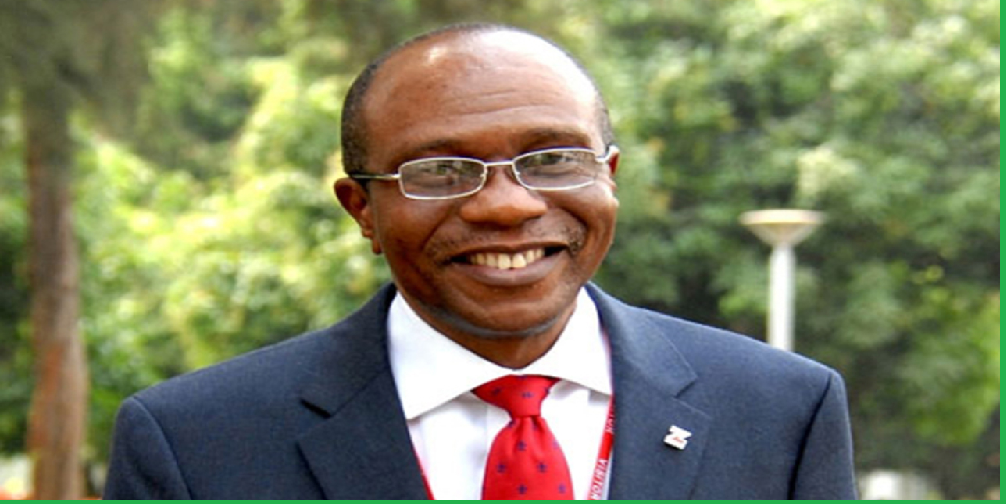
CBN Governor Godwin Emefiele


Sure – mobile money could have worked. The problem was that mobile money came when banks had already provided substitutes for most of the values, it could have offered. Mobile money will surely benefit the poor and under-banked, but in Nigeria, those people are the least to trust that their bank accounts will be in the phones. The pillow with a loaded dane gun is a better option despite promises by the Central Bank and partners.

Sustaining Nigeria’s Financial Order

There is no firm that will kick the banks out of business soon – not even close. Sure – they will chip out some revenues, which must concern the banks. But at the end, the banks will be fine. The problem is that anything anyone introduces now can be quickly replicated by the banks, because you are “innovating” within the economic structures which enable present banking institution to function. They own the game and can define the future. That is why you cannot be disruptive.

But you can get your sustaining innovation by improving speed, efficiency and many other things to win some customers from them, but the system in Nigeria is one you cannot destabilize them.

The fintech startups are not working to extend service beyond those within the banking sector already. This means, they are fitting into the banking order. The under-banked and poorly served are not part of the equations. mPesa solved that problem, in Kenya, but the Nigerian fintechs are not thinking about that. Simply, they cannot disrupt GTBank, UBA, and all these great institutions by “plugging into their systems”. It will not happen.

The herdsmen who move tens of cows have more values to a bank than college students who barely have enough for three square meals. But the college students are accessible while the herdsmen are not. Find a way to reach them and provide banking services and boost your revenue.

Agency banking with proprietary technology supported with tokens, phones, BVN and mobile kiosks will deliver the magic. The transactions will be capped to avoid fraud and risk-management tools embedded. As these agency banking systems mature, banks can close and sell off expensive branches which may not be necessary in 5 years as the immersive digital economy evolves.

Disrupting Banking in Nigeria

You will notice that I have equated financial sector with banking sector. That is by purpose because we do not really have an insurance sector. So there is no need wasting space including insurance. For any fintech to disrupt the banking sector, that fintech has to build an entirely new architecture that is totally different from what we have today: a new basis of competition is a requirement.

The trade by barter was disruptive because cash offered an entirely  different system where you do not need to “find” or know a person to exchange goods and services. You can have a stranger pay with cash unlike looking for a neighbor interested in your goods to exchange by barter. That was disruptive, a new path was created.

In Nigerian banking, someone can create a system where the under-banked citizens may not have to do anything with banks to do banking. Once that is done, you can systematically chip out the people in the banking system. Over time, the banks will know what has fallen them. But right now, what is happening is that fintechs are starting with what the banks are doing and that cannot disrupt them.

Rounding Up

Disruption requires the change of the basis of competition. It is like digital cameras to film cameras (think Kodak). The digital cameras did not even care if there was anything like film in the world: it pioneered a new path. Google disrupted the physical directory business by creating an alternative path without making better papers. When Amazon took down the bookshops, it did not build better bookshops, it changed the basis of competition – digital purchase. For the fintech to take down and disrupt Nigerian banks, they must change the basis of competition. At the moment, they are sustaining innovators which are fortunate the incumbents are not doing what they are doing.