DD
MM
YYYY

PAGES

DD
MM
YYYY

spot_img

PAGES

Home Blog Page 7515

SunTrust Bank Nigeria has no woman in its Management

0

SunTrust Bank is parading itself as a modern banking institution. But it seems it has not got the memo on empowering women. It is simply unbelievable how a modern bank in Nigeria can have all the Management staff men with no single woman, at of Sept 18, 2016.

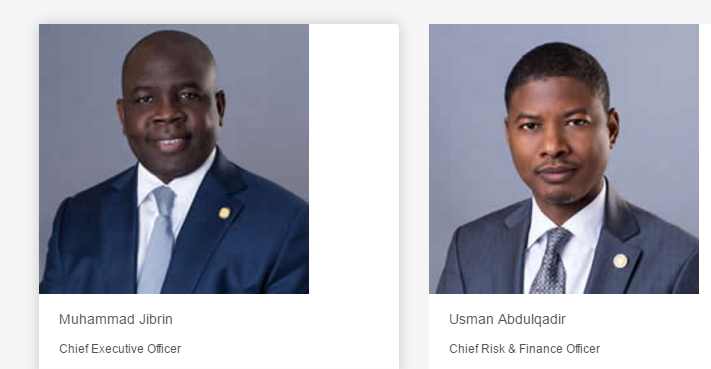
These are the men. They need to find a lady and put there to inspire women in that bank. It does not make SunTrust look modern with no woman in its Management.


Muhammad Jibrin

Chief Executive Officer

Usman Abdulqadir

Chief Risk & Finance Officer

Lawal Jibrin Ahmed

General Counsel

Uwaoma Kalu

Chief Information Officer

Hakeem Idowu

Country Risk Officer

Yusuf Isa

Mobile Money Executive

Raymond Onomerike

Corporate Services Executive

Damian Esekheigbe

Senior Country Operations Officer

Innocent Mbagwe

Head Internal Control

Breakdown of salaries, allowances of Buhari, Osinbajo, ministers, political appointees in Nigeria

0

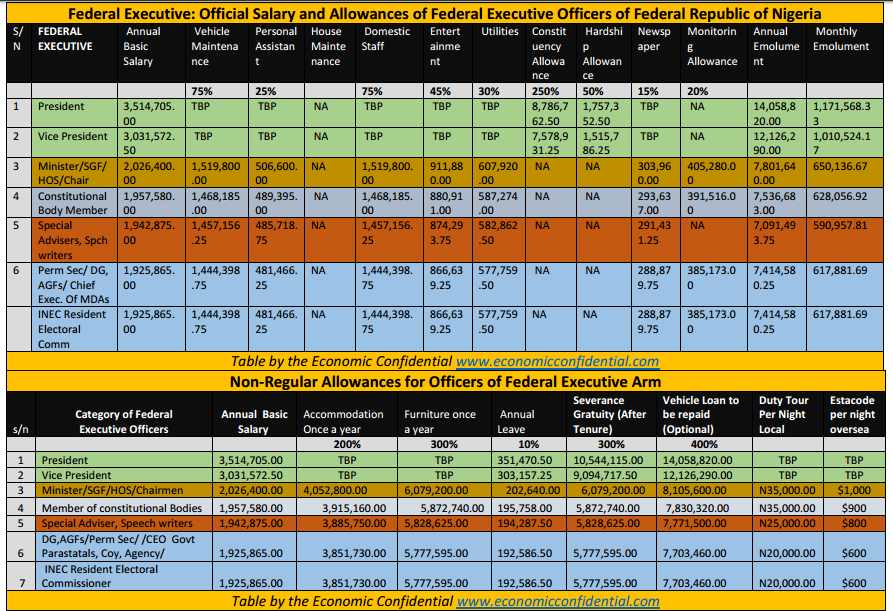
President Buhari, Yemi Osinbajo  including Cabinet Ministers and other political appointees pocketed the sum of N2.295 billion as official salaries and allowances in the last one year, Economic Confidential can report.

The breakdown is presented below.

govt-remuneration


49% of Africa’s largest companies are in South Africa, Nigeria only 9%

0

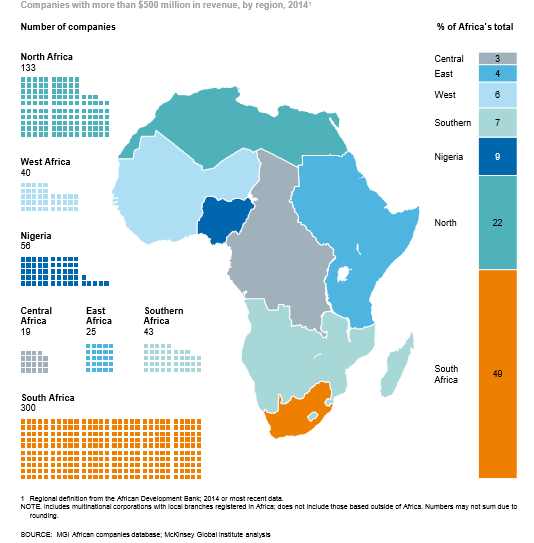
Africa is clearly ripe with business opportunities and is home to many fast-growing companies in a variety of sectors—not just resources, but also financial services, food and agri-processing, manufacturing, telecommunications, and retail. Yet compared with other emerging regions, we find that Africa is still heavily underrepresented in both the number and size of large companies. This matters because, in any economy, large firms are the primary drivers of growth, investment, corporate tax contributions, exports, and productivity.
The reality is that South Africa is indeed Africa in this game. It hosts 49% of Africa’s largest companies. Nigeria has only 9%.

large-firms-in-africa

Large African companies are growing faster and more profitable than global peers

0

Large companies in Africa are growing faster than their peers in the rest of the world, raking in $1.4 trillion in annual profits and contributing to government taxes and higher wages, a new report finds.

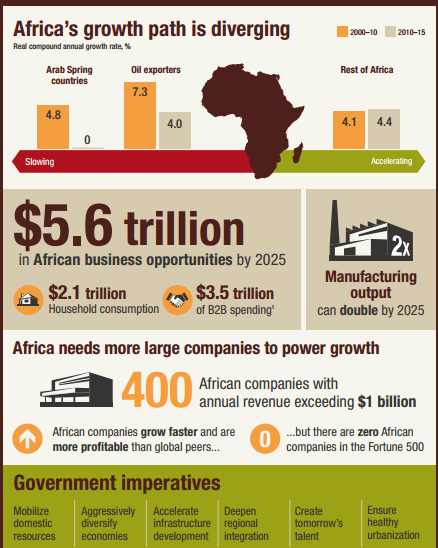
The continent has 700 companies with annual revenue of more than $500 million, 400 of which generate more than $1 billion, says the new study from the McKinsey Global Institute (MGI). These large companies consist of both African-owned brands and foreign-based multinationals operating within the continent across a wide range of sectors.

Corporate Africa needs to step up its performance to make the most of these opportunities. The continent has 400 companies with revenue of more than $1 billion per year, and these companies are growing faster, and are more profitable in general than their global peers. Yet Africa has only 60 percent of the number of large firms one would expect if it were on a par with peer regions—and their average revenue, at $2 billion a year, is half that of large firms in Brazil, India, Mexico, and Russia, for instance.

No Africa owned company is in the Fortune 500. Companies looking to grow across the continent should develop a strong position in their home market, use that as a base for expanding into markets well beyond their immediate region, adopt a long-term perspective and build the partnerships needed to sustain success over decades, and be ready to integrate what would usually be outsourced.

They should look for opportunities in six sectors that MGI finds have “white space”— wholesale and retail, food and agri-processing, health care, financial services, light manufacturing, and construction—with high growth, high profitability, and low consolidation, and invest in building and retaining talent. ?
data

Visa unveils Mvsia App to challenge M-Pesa in East Africa

0

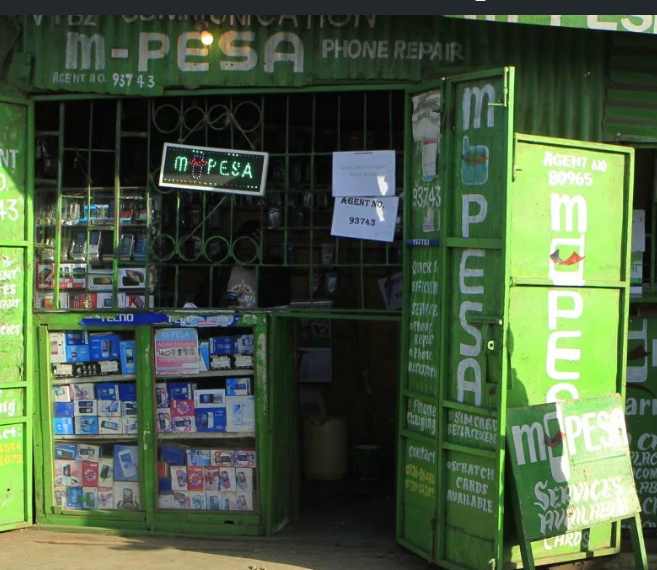
Visa is taking on M-Pesa in Kenya. The credit card company has launched its Mvisa app that allows users to make purchases or transfer money on their cellphones in Kenya.

Visa admits that one reason for entering the mobile money market is because its hasn’t had much success promoting its traditional credit cards in the largest economy in East Africa.

Mvsia users have to be connected to one of four Kenyan banks that have partnered with Visa. M-Pesa users only need an ID card and registered cell phone—they don’t have to be connected to a bank, which is one reason why the platform has become so popular.