DD
MM
YYYY

PAGES

DD
MM
YYYY

spot_img

PAGES

Home Blog Page 754

Top Best Altcoins For 2025: BlockDAG, TAO, RENDER & NEAR Set To Dominate The Crypto Market

0

The cryptocurrency space is heating up, with developers, traders, and institutions turning their focus to high-potential projects. Among the top performers, several names are leading the charge. BlockDAG is making waves as an exceptional presale asset, while Bittensor (TAO) is experiencing significant institutional interest, Render (RENDER) is seeing growth with its Solana-native GPU, and NEAR Protocol is expanding its cross-chain collaboration with Cardano.

As attention shifts toward projects that combine utility and growth, it’s clear that real momentum is now taking precedence. From decentralized AI solutions to GPU-powered rendering and cross-chain interoperability, these projects are advancing rapidly. But it’s BlockDAG that is generating the most excitement, offering one of the final chances to enter a Layer 1 protocol before it becomes available on major exchanges. Below is a closer look at four leading crypto performers and why BlockDAG could potentially outperform them all.

1. BlockDAG: $363M Raised, 30x Potential Still On The Table

BlockDAG is making an incredible impact in the presale market, having raised over $363 million so far, with more than 24.7 billion BlockDAG (BDAG) coins already sold. The presale price is currently just $0.0016 due to the GLOBAL LAUNCH release, and with a confirmed listing price of $0.05, early participants could see a massive 3,025% return, roughly a 30x gain. This combination of tremendous upside and early access is putting BlockDAG at the forefront of the best altcoins for 2025.

What makes BlockDAG unique is that it’s already operational and ready for real-world use. Its Demo Trading Platform is up and running, allowing users to buy BDAG coins and practice trading with a demo interface in real time. This offers buyers a hands-on experience before the official launch, which helps build confidence in the project’s capabilities. Each purchase made during the presale also enters buyers into a 10 BTC Auction Pool, adding extra value to participating early.

Unlike many crypto projects still in the planning phase, BlockDAG is executing quickly. The platform is already home to over 2.5 million users on the X1 mobile miner app, showcasing strong demand and interest. Furthermore, its scalable hybrid architecture, which combines the benefits of Directed Acyclic Graph (DAG) and Proof-of-Work (PoW), positions BlockDAG for widespread adoption and real utility. With the GLOBAL LAUNCH release scheduled for August 11, this could be one of the last chances to enter at a low price.

2. Bittensor: Institutional Confidence Drives Decentralized AI Growth

Bittensor (TAO) is becoming a major contender among the top performers in the crypto space due to growing institutional interest. A single xTAO staking wallet now holds over 41,500 TAO, valued at around $15.4 million, representing 4% of the total supply. This amount is staked across Subtensor’s EVM-compatible validator layer, earning about 10% annual yield. This trend suggests strong long-term commitment from serious institutional players. On-chain data shows there’s little to no sell pressure, as new emissions are being fully absorbed by validator delegation.
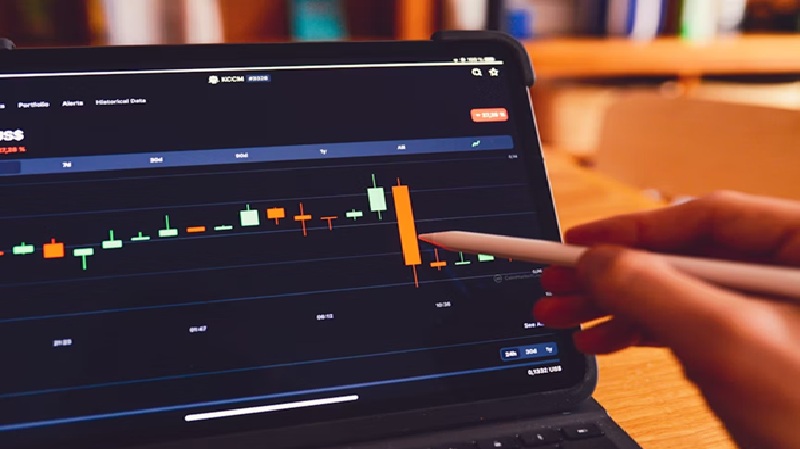
Community feedback reveals growing validator participation, particularly in emerging subnet clusters, which strengthens decentralization and ensures improved uptime. TAO’s model as a decentralized AI compute reserve is rapidly gaining traction. As infrastructure continues to grow, TAO is seen as one of the best altcoins for 2025, driven by increasing real-world utility rather than mere speculation.

3. Render:  Solana-Based GPU Compute 

Render (RENDER) has emerged as a frontrunner in the decentralized compute space. Recently featured in OKX’s August Learn series, RENDER’s GPU rendering network, built on Solana, offers a compelling alternative to traditional cloud providers. With a circulating supply of 517 million tokens and a deflationary burn mechanism, RENDER effectively balances tokenomics with real-world demand. This platform has applications ranging from 3D graphics to AI model training and metaverse development.

With OctaneRender integration and partnerships across various creative industries, RENDER is gaining significant attention. The project’s Burn-and-Mint model ensures the supply decreases in line with usage, a system that’s gaining favor among developers and creative professionals alike. As more developers and studios adopt Render’s technology, the project’s growth trajectory positions it as one of the best altcoins for 2025. Its success shows no signs of slowing down, making it a key player in the cryptocurrency market.

4. NEAR Protocol: Cross-Chain Innovation Drive Growth

NEAR Protocol is experiencing a resurgence after two significant developments. First, NEAR launched a cross-chain pilot with Cardano under the NEAR Intents framework, allowing trustless ADA swaps through a smart contract called cardano.omft.near. This collaboration was confirmed by Cardano founder Charles Hoskinson and is seen as a breakthrough in decentralized finance (DeFi) interoperability. Second, institutional interest in NEAR has been growing, driving the price up by 3% in just 24 hours, with trading volume increasing by the same percentage.
NEAR Intents has now processed nearly $1 billion in transactions across over 100 tokens, cementing its position as a leading settlement layer for cross-chain liquidity. NEAR’s blend of technical innovation and institutional backing places it among the best altcoins for 2025. Its increasing relevance in DeFi, coupled with its AI-native, sharded execution stack, makes it a key player to watch as the market evolves.

Conclusion

As the crypto space continues to develop in 2025, projects that are building and scaling are being rewarded by the market. TAO is leading the way in decentralized AI, RENDER is gaining traction in creative industries with its GPU compute network, and NEAR Protocol is making strides in DeFi and cross-chain interoperability. But amidst these strong contenders, BlockDAG is emerging as the standout performer. With an astonishing $363 million raised in its presale and a GLOBAL LAUNCH release set for August 11, BlockDAG is offering early access to a Layer 1 network at a ground-floor price.

As the best altcoins for 2025 continue to draw attention, BlockDAG offers one of the most promising opportunities in the market. For those watching the crypto space closely, BlockDAG’s real-time trading tools, massive upside potential, and solid operational foundation make it one of the best altcoins for 2025 to consider. But as tokens are selling fast, now may be the last chance to enter before prices rise. Don’t miss out on this opportunity, act quickly before it’s too late.


Ethereum Nears $4K, Solana Targets $200: Cold Wallet Could See Nearly 50x Returns for Early Supporters

0

Ethereum bulls are watching closely as the price moves toward the $4,000 mark. A fresh analysis of Ethereum (ETH) shows growing optimism, with prediction markets leaning toward a bullish trend. Solana (SOL) also shows strong momentum, with traders eyeing a possible breakout toward the $200 level.

Both assets are performing well, but whales are increasingly looking at something newer with significant upside potential: Cold Wallet (CWT). The project has raised over $5.7 million in just a few weeks, suggesting that large buyers are spotting an opportunity that others may have missed. With the current price under a penny and a target launch price of $0.3517, early supporters could see nearly 50x returns. It’s no wonder that the big players are taking note.

Ethereum Price Analysis: Bulls Eyeing $4K Resistance

The latest analysis of Ethereum (ETH) shows that the token is hovering around $3,780, after experiencing a 58% surge in July. Traders on the Myriad prediction platform are assigning a 63.6% chance that ETH will surpass its previous all-time high of $4,891 by the end of 2025.

This optimism is supported by a golden cross on the daily charts and strengthening trend indicators like the RSI and ADX. However, Ethereum has struggled to break through the $4,000 barrier, which has acted as resistance since 2021. To see continued gains, sustained momentum and high trading volumes are crucial.

Solana Shows Strength As It Nears $200 Resistance

Recent updates on Solana (SOL) show that the token is holding steady near $181.22, recovering from a recent dip below $175. The $178–$180 price range, once a resistance zone, has now become a support level, reinforced by rising 20- and 50-day EMAs.

The broader technical structure remains solid, with price action contained within a larger macro triangle. Futures data shows open interest at $10.36 billion, with a long/short ratio of 3.72 on Binance, signaling continued bullish sentiment. Solana’s price updates also show higher trading volume near the $195 resistance level, and a daily close above this mark could open the path toward a $230–$250 range.

Cold Wallet Gathers Momentum With Over $5.7 Million Raised

Large buyers are turning their attention to Cold Wallet (CWT), with the numbers clearly indicating strong early interest. In just a few weeks, the presale has raised over $5.7 million, with more than 643.72 million tokens sold. The price has already moved from $0.007 at Stage 1 to $0.00942 at Stage 16, with each stage seeing a price increase. As the presale moves through 150 planned stages, early participants are securing their positions before prices rise further.

Whales are not interested in short-term noise, they are focused on structure, timing, and an opportunity others might not fully see yet. What is attracting these buyers? Cold Wallet is built around a unique system that rewards everyday blockchain activity. Gas fees, swaps, and transfers are no longer just costs; they are opportunities to earn.

Every time a user interacts with the blockchain, CWT tokens are automatically sent back into their wallets. No staking, no lockups. Simply holding CWT unlocks cashback rewards, with larger holders receiving up to 100% returns on gas fees. This frictionless reward system creates natural demand, and smart money understands its value. The momentum behind Cold Wallet continues to grow as it expands its user base.  Recently, the acquisition of Plus Wallet, valued at $270 million, brought 2 million new users into the ecosystem, giving the project a solid foundation from day one.

Summing Up!

Ethereum and Solana both have promising futures ahead. Ethereum’s price analysis points to another attempt at breaking the $4K barrier, while Solana’s price updates suggest bulls are pushing toward the $200 range. If these levels are breached, both assets could see notable gains for traders and long-term holders.

However, neither comes close to offering the same kind of upside potential as Cold Wallet (CWT). With over $5.7 million raised in just a few weeks, and its utility tied directly to actual blockchain activity, Cold Wallet is quickly becoming a top contender in this cycle. For early buyers, the chance for 50x returns isn’t speculative, it’s built into the design of the project. With whales already making their move, the current price of $0.00942 won’t last long.

 Explore Cold Wallet Now:

Presale: https://purchase.coldwallet.com/

Website: https://coldwallet.com/

X: https://x.com/ColdWalletToken

Telegram: https://t.me/ColdWalletTokenOfficial

Capital Inflows into Nigeria in Q1 2025 — Portfolio Investment Dominates as the UK Leads Sources

0

Nigeria recorded a significant surge in capital inflows in the first quarter of 2025, with total importation rising to $5.64 billion, up by 67.12% from $3.38 billion in the same period of 2024. The latest data from the National Bureau of Statistics (NBS) also shows a 10.86% increase compared to the $5.09 billion recorded in the fourth quarter of 2024.

According to the NBS Capital Importation Q1 2025 report, the sharp increase was largely driven by a spike in portfolio investments, which accounted for the bulk of the capital imported during the period.

“In Q1 2025, total capital importation into Nigeria stood at US$5,642.07 million, higher than US$3,376.01 million recorded in Q1 2024, indicating an increase of 67.12%. In comparison to the preceding quarter, capital importation increased by 10.86% from US$5,089.16 million in Q4 2024,” the NBS stated.

Portfolio inflows dominate, FDI remains weak

Portfolio investment contributed $5.2 billion, representing 92.25% of the total capital inflow. Other investments, including loans and trade credits, followed with $311.17 million (5.52%), while Foreign Direct Investment (FDI) trailed significantly with just $126.29 million, only 2.24% of the total inflows.

This lopsided pattern has persisted in recent years, reflecting foreign investors’ hesitancy to commit long-term funds in Nigeria amid concerns over currency stability, regulatory uncertainty, and structural challenges. While portfolio inflows offer short-term relief for the country’s foreign reserves, analysts continue to warn that Nigeria needs more stable FDI to drive industrialization, job creation, and infrastructure development.

Banking, financing sectors remain most attractive

The banking sector attracted the largest portion of capital importation in Q1 2025, with $3.13 billion, accounting for 55.44% of total inflows. The financing sector followed with $2.1 billion (37.18%), while the production/manufacturing sector managed only $129.92 million (2.30%).

The dominance of banking and financing underscores investor appetite for short-term returns and financial instruments, rather than long-term bets on Nigeria’s industrial or productive base. Manufacturing, once touted as key to economic diversification, continues to attract a marginal share of capital.

UK remains Nigeria’s top capital source

Capital importation into Nigeria during the period came predominantly from the United Kingdom, which contributed $3.68 billion, amounting to 65.26% of total inflows. This was followed by South Africa ($501.29 million) and Mauritius ($394.51 million).

The UK’s position at the top reaffirms its status as a critical financial partner to Nigeria, especially for portfolio investors. The presence of Mauritius, a major offshore financial hub, also suggests some inflows may be routed through tax-friendly jurisdictions.

Abuja and Lagos dominate state-level inflows

Only five states recorded capital importation in Q1 2025, with Abuja (FCT) and Lagos State taking the lion’s share. The FCT attracted $3.05 billion, accounting for 54.11%, while Lagos received $2.56 billion (45.44%).

Ogun, Oyo, and Kaduna states collectively accounted for less than 1% of total inflows, highlighting the heavy concentration of capital in Nigeria’s political and commercial capitals. This pattern continues to raise concerns about regional imbalances in investment and development.

Standard Chartered, Stanbic IBTC lead capital recipients

The report also identified the financial institutions that received the highest capital inflows in Q1 2025. Standard Chartered Bank Nigeria Ltd topped the list with $2.10 billion, followed by Stanbic IBTC Bank PLC with $1.40 billion, and Citibank Nigeria Limited with $1.05 billion.

These banks play key roles as intermediaries for foreign capital entering the country and also reflect the preference of international investors for established, multinational banking institutions with strong global connections.

While the jump in capital importation provides a positive headline for the Nigerian economy, the underlying trends reflect deeper structural issues. The country remains heavily reliant on volatile portfolio inflows, while long-term productive investment remains weak. The continued weakness in FDI, combined with the heavy concentration of inflows in just two sectors and two states, underlines an uneven and fragile investment environment.

Economists warn that unless Nigeria addresses macroeconomic instability, forex market inefficiencies, and insecurity, particularly in industrial and agricultural zones, capital inflows will remain skewed and speculative.

OpenAI’s Open-Weight Models and Soaring $500B Valuation Underscore AI’s Transformative Impact Across Markets

0

OpenAI announced two open-weight models, gpt-oss-120b and gpt-oss-20b, under an Apache 2.0 license. These models share pre-trained parameters for developers to use and customize but withhold critical details like training code and datasets, distinguishing them from fully open-source systems.

This move, their first open-weight release since GPT-2 in 2019, aims to compete with rivals like Meta and DeepSeek while engaging the open-source community. Regarding the share sale, OpenAI is in early talks for a secondary stock sale that could value the company at $500 billion, up from $300 billion in a March 2025 funding round.

This would allow current and former employees to sell billions in shares, reflecting OpenAI’s growth, with ChatGPT hitting 700 million weekly active users and a projected $20 billion annual revenue by year-end. The sale aims to provide liquidity and retain talent amid fierce AI sector competition.

OpenAI’s release of open-weight models like gpt-oss-120b and gpt-oss-20b, alongside their $500 billion valuation, signals a transformative shift in AI’s role across markets. These developments, combined with broader AI trends, are reshaping industries and economies in profound ways. Below, I outline the key implications and how AI, including OpenAI’s advancements, is driving various markets, drawing on relevant insights and trends.

Key Implications of AI and OpenAI’s Moves

OpenAI’s open-weight models lower barriers for developers and businesses to adopt AI, enabling customization without full open-source transparency. This fosters innovation in sectors like healthcare, finance, and education by allowing firms to tailor AI to specific needs without building models from scratch.

However, withholding training code and datasets may limit true open-source benefits, potentially centralizing control among major players like OpenAI, Microsoft, and Google, creating a dependency on their APIs. This could hinder equitable adoption, especially in cost-sensitive or regulated industries.

AI is projected to contribute significantly to global GDP, with estimates suggesting a 14% increase by 2030 through productivity gains, intelligent automation, and new revenue sstreams. OpenAI’s models, like GPT-4o, enhance enterprise workflows by enabling autonomous decision-making and content generation, driving efficiency in marketing, customer service, and software development.

The global AI market is expected to grow from $294.16 billion in 2025 to $1,771.62 billion by 2032 (CAGR 29.2%), with generative AI alone reaching $1.3 trillion in a decade. AI, including OpenAI’s tools, will impact 40% of global jobs, with advanced economies facing higher exposure (60% of jobs). Half of these jobs may see productivity boosts, while the other half risk reduced wages or elimination.

New roles, such as AI specialists and robotics engineers, are emerging, but upskilling is critical. Women and marginalized groups face higher risks of job displacement due to skill gaps. OpenAI’s $500 billion valuation reflects investor enthusiasm, but rapid AI adoption could inflate market bubbles, as seen in tech-heavy indices like the S&P 500.

Investors must balance opportunities in AI-driven firms with risks like illiquidity and speculative behavior in private markets. OpenAI’s safety-focused fine-tuning of gpt-oss-120b highlights growing concerns about AI ethics. Bias in AI models, lack of transparency, and potential misuse (e.g., in autonomous weapons) pose risks.

How AI is Driving Various Markets

AI enhances diagnostics (e.g., 99% accurate mammogram interpretation), treatment planning, and administrative efficiency. Companies like Enlitic leverage AI for early disease detection, driving the highest sectoral CAGR. OpenAI’s language models support medical research by analyzing vast datasets, potentially accelerating drug discovery and personalized care.

AI powers personalized financial advice, fraud detection, and high-speed trading. OpenAI’s models enable rapid analysis of unstructured data like corporate earnings, improving investment decisions. The BFSI sector leads AI adoption, with potential to contribute 13.6% to GCC countries’ GDP by 2030 through efficiency gains.

AI personalizes customer experiences through recommendation systems, with Amazon attributing 35% of revenue to AI-driven cross-selling. OpenAI’s generative AI tools enhance chatbots and marketing content, streamlining customer service and boosting sales.

AI optimizes supply chains by predicting demand and reducing errors. Autonomous systems and robotics, enhanced by AI, improve production efficiency. OpenAI’s models could support real-time supply chain analytics, though their open-weight nature limits proprietary customization.

OpenAI’s study mode in ChatGPT fosters interactive learning through Socratic questioning, supporting deeper understanding for students. AI-driven tools personalize education, but access disparities in developing economies could widen inequality. OpenAI’s advancements may contribute to smarter navigation systems, though direct applications remain speculative.

By driving efficiency, personalization, and innovation, AI is reshaping healthcare, finance, retail, and more, with projected market growth to $2.4 trillion by 2032. However, challenges like job displacement, market volatility, and ethical concerns demand careful regulation and workforce upskilling. While advanced economies stand to gain most, global collaboration is needed to ensure equitable benefits.

OpenAI Eyes $500 Billion Valuation in New Share Sale Amid Explosive Growth

0

Artificial intelligence company OpenAI is reportedly in talks to launch a secondary stock sale that could value the company at $500 billion, according to a report by Bloomberg.

This proposed valuation would make OpenAI one of the most valuable privately held companies in the world, significantly increasing from its previous $300 billion valuation set during a March 2025 fundraising round.

The share sale, intended for current and former employees, would allow early contributors to realize gains while helping the company retain top talent in an increasingly competitive AI labor market. This move mirrors similar strategies employed by fast-growing tech companies like ByteDance, Databricks, and Ramp, which have used secondary transactions to reward staff and gauge updated market worth.

This move comes as the company recently announced the launch of two open-weight AI reasoning models with similar capabilities to its O-series. The company described the models as “state of the art” when measured across several benchmarks for comparing open models. The launch marks OpenAI’s first open language model since GPT-2, which was released more than five years ago.

Explosive Growth in Users And Revenue

OpenAI’s dramatic valuation surge is underpinned by the exponential growth of ChatGPT, its flagship product. The company in a recent post announced that Weekly active users have surged to 700 million, up from 400 million in February and four times higher than the same period last year. The enterprise side has seen parallel success, with paying business clients rising to 5 million, compared to 3 million just two months ago.

OpenAI’s annual recurring revenue (ARR) has also surged, climbing to $13 billion, up from $10 billion in June, with projections to reach $20 billion by year-end. The company has doubled its revenue in just the first seven months of 2025, reflecting robust demand for its AI products across industries.

This financial momentum follows an $8.3 billion funding round backed by major investors including Dragoneer, Andreessen Horowitz, Sequoia, and Fidelity. It’s part of a larger $40 billion round led by SoftBank, which has until the end of 2025 to complete its $22.5 billion commitment.

Notably, OpenAI is reportedly exploring structural changes, potentially moving away from its capped-profit model, which could pave the way for a future IPO. CFO Sarah Friar has indicated that a public offering would only occur when both the company and markets are ready.

Meanwhile, the company is reconnecting with the open-source community by releasing open-weight models for the first time since 2019, a strategic move aimed at staying competitive with rivals like Anthropic.

A New Era for AI Powerhouses

A $500 billion valuation would place OpenAI in the same league as private tech giants like SpaceX and ByteDance, emphasizing investor confidence in the transformative potential of generative AI. Despite operating at a net loss, OpenAI’s growth trajectory showcases the enormous value the marketplaces on leadership in artificial intelligence.

The continued evolution of ChatGPT, including upgrades like enhanced image-generation tools powered by GPT-4, has only accelerated user engagement. OpenAI’s COO Brad Lightcap recently shared that over 130 million users created 700 million images in just a few days after the feature launched earlier this year.

As OpenAI positions itself as a dominant force in the AI arms race, the market response to its potential half-trillion-dollar valuation will offer key insights into the next phase of the global AI boom.