DD
MM
YYYY

PAGES

DD
MM
YYYY

spot_img

PAGES

Home Blog Page 792

Cadbury Nigeria Swings to N14.5bn Profit in H1 2025, Marking Strong Recovery from Past Losses

0

Cadbury Nigeria Plc has delivered a major comeback in the second quarter of 2025, reporting a pre-tax profit of N5.9 billion, compared to a N3.4 billion loss in the same period last year.

This performance helped push the company’s half-year earnings to N14.5 billion, a sharp rebound from the N13.8 billion loss recorded in the first half of 2024.

The turnaround was driven by robust growth in sales and a significant reduction in finance costs. For Q2 2025 alone, revenue surged 44.25% to N40 billion from N27.7 billion a year earlier. This lifted total revenue for the first half to N77.2 billion, reflecting a 50.17% year-on-year increase. Domestic sales accounted for the bulk of this figure—N74 billion, or 95.8%—while exports contributed N3.2 billion.

Although the company’s cost of sales climbed by 30.96% to N30.3 billion in Q2, gross profit more than doubled to N9.7 billion from N4.5 billion in the same quarter last year. Operating profit also jumped to N6.5 billion from N1.9 billion in Q2 2024, despite a 38.53% rise in selling and distribution expenses, which hit N2.6 billion.

A critical factor supporting the company’s improved bottom line was a sharp drop in net finance costs. Interest on borrowings dropped drastically to N593.7 million, down from N5.3 billion in Q2 2024, helping to stabilize earnings.

Cadbury’s total assets rose 20.90% to N87.5 billion, and its retained losses improved to N27.1 billion as of June 2025, down from N37.2 billion at the end of December 2024. The company’s share price on the Nigerian Exchange stood at N70.95 as of July 29, 2025, reflecting a remarkable year-to-date gain of 230%.

This impressive showing signals a strong recovery from a turbulent recent past. In its full-year 2023 financial results, Cadbury reported a pre-tax loss of N27.63 billion, marking a dramatic 2,228% plunge from the N1.30 billion profit posted in 2022. This dismal outcome came despite a 46% increase in revenue to N80.38 billion, driven mainly by the performance of its refreshment beverages category, particularly Bournvita and 3-in-1 Hot Chocolate.

The loss in 2023 was largely the result of mounting economic headwinds, including the impact of the Naira devaluation in mid-2023. This monetary shift inflicted a heavy blow on Cadbury’s financials, as the company booked a massive N36.93 billion charge due to exchange rate differences. Additionally, finance costs rose significantly, with interest on borrowings spiking by 170% to N1.36 billion.

The 2023 performance highlighted the challenges multinational firms face in navigating Nigeria’s volatile macroeconomic landscape, especially those heavily reliant on imported raw materials or foreign-denominated obligations.

In response to the negative equity of N15.08 billion recorded in 2023, reflecting a 213% decrease from the previous year, Cadbury Nigeria proposed a strategic move to address its financial structure. The company converted its outstanding $7.7 million loan payable to its major shareholder, Cadbury Schweppes Overseas Limited, into equity.

Cadbury’s latest numbers, therefore, not only reflect a recovery in consumer demand and operational efficiency but also a stabilization in the macroeconomic factors that battered its earnings last year. If the current trend holds, the company may fully shake off the drag of past currency shocks and return to consistent profitability.

BitMine Crypto Strategy Combines Aggressive ETH Accumulation With BTC Mining, as DoubleZero Establishes 3M SOL Stake Pool

0

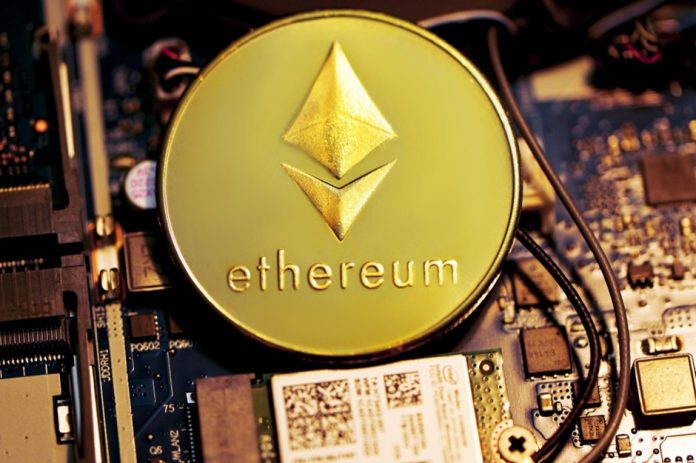
BitMine Immersion Technologies (BMNR), led by Chairman Tom Lee, announced a $1 billion stock repurchase program, approved by its board, to be executed through open market and negotiated transactions. The company holds $2.77 billion in crypto and cash, including 625,000 ETH valued at $2.35 billion and $401.4 million in unencumbered cash, with a net asset value per share of $22.76.

Despite the buyback announcement, BMNR shares were down 6% in premarket trading, trading at approximately $32.90, compared to the previous close of $35.11. This follows a 700% surge over the past 30 days, though the stock remains below its recent high of over $100. The buyback aligns with BitMine’s strategy to achieve “the alchemy of 5%” of ETH supply, with potential to repurchase shares when their price falls significantly below the net asset value.

Institutional buying reduces circulating ETH supply, potentially driving up prices due to scarcity, which could benefit retail traders holding ETH. Large institutional holders may reduce volatility over time, as they’re less likely to sell impulsively compared to retail traders, creating a more predictable market.

Institutional participation often attracts more market infrastructure (e.g., custody solutions, trading platforms), improving liquidity and making it easier for retail traders to enter/exit positions. Institutional involvement signals confidence in Ethereum, potentially boosting mainstream adoption and supporting long-term value for retail portfolios.

If institutions accumulate large positions, they could influence market dynamics, potentially manipulating prices or creating barriers for retail traders to compete. Increased demand from institutions could drive up gas fees or transaction costs on Ethereum’s network, impacting retail traders who rely on frequent or smaller transactions. A few institutions holding significant ETH could centralize influence, reducing the decentralized ethos of Ethereum and potentially exposing retail traders to decisions made by a handful of players.

Short-term price swings could occur if institutions execute large buybacks or liquidations, catching retail traders off-guard. BitMine’s $1B buyback and substantial ETH holdings (625,000 ETH, ~$2.35B) exemplify this institutional race. Their strategy to buy shares when prices fall below net asset value ($22.76 vs. $32.90 premarket) suggests confidence in ETH’s long-term value, which could stabilize sentiment. However, the 6% premarket drop in BMNR despite the buyback shows market reactions can be unpredictable, potentially impacting retail traders’ sentiment.

The institutional supply race could improve the market for retail traders by driving price appreciation, liquidity, and adoption, but risks like higher costs, volatility, and concentration remain. Retail traders should stay informed, diversify strategies, and monitor network costs to navigate this evolving landscape.

BitMine has aggressively expanded its Ethereum (ETH) holdings, aiming to acquire up to 5% of the total ETH supply. As of July 2025, they hold over 625,000 ETH, valued at approximately $2.35 billion, making them one of the largest corporate ETH holders globally. The company raised $250 million through a private placement in June 2025 to fund ETH acquisitions, followed by plans to raise an additional $2.5 billion to further expand their ETH treasury.

BitMine aims to increase ETH per share through: Reinvestment of cash flows. Capital market activities, leveraging market volatility for cost-efficient acquisitions. Staking yields, capitalizing on Ethereum’s proof-of-stake model to generate passive income.

BitMine collaborates with crypto-native firms like FalconX, Kraken, Galaxy Digital, BitGo, and Fidelity Digital to enhance its ETH treasury management and custody. The company positions itself as the “MicroStrategy of Ethereum,” aiming to mirror MicroStrategy’s Bitcoin accumulation model but with ETH’s yield-generating potential through staking and DeFi applications.

DoubleZero Establishes 3M SOL Stake Pool to Strengthen Solana Validator Network

JULY 30, 2025 – DoubleZero, a high-performance fiber network powering the next evolution of blockchain, has established a 3,000,000 SOL stake pool to accelerate validator growth and performance across the Solana ecosystem. The pool will be used to support early adopters on the DoubleZero testnet and lay the foundation for the broader decentralization of the DoubleZero mainnet-beta network, launching this fall.

Today validators co-locate in a few geographic regions–largely due to the limitations of the public internet. DoubleZero’s dedicated fiber network changes that, enabling reliable, low-latency performance in new parts of the world. The stake pool directly incentivizes validators operating in these emerging geographies, helping expand where validators can run profitably.

Profits from the stake pool will fund the continued expansion of DoubleZero’s network, connecting more regions globally and extending access to high-performance blockchain infrastructure. In this first phase of the DoubleZero Delegation Program, stake is delegated to Solana validators active on the DoubleZero testnet, which assist in testing and qualifying the network.

This stake will remain with eligible validators through the DoubleZero mainnet-beta launch, after which the next phase of the program begins. Phase two begins this fall with the launch of DoubleZero’s mainnet-beta. Following the launch, the stake pool will transition to supporting validator expansion in geographically underrepresented regions, with a formal application process and location-specific eligibility criteria.

Geographic decentralization and distribution expands market access globally, and increases fairness in distributed systems. It also strengthens the resilience of blockchain networks, improves global performance, and ensures no single region can dominate or disrupt the network, said Austin Federa, co-founder of DoubleZero. “This stake pool is the first step in that mission– supporting those participating today and preparing to support validators in emerging regions tomorrow.

DoubleZero’s testnet is already active, with 142 connected nodes representing 3.29% of total staked SOL. As validator adoption of DoubleZero grows, Solana’s network performance improves for all participants. Validators who run on DoubleZero also receive a network badge on validators.app, helping them stand out to stakers.

Anyone interested in staking to support DoubleZero can contribute to the pool today. Further information about validator eligibility will be shared during the mainnet-beta launch. As part of the program, DoubleZero is launching DoubleZero Staked SOL (dzSOL), a staking token representing delegated stake in the network. The dzSOL contract address

DoubleZero powers the next evolution of blockchain networks with increased bandwidth, low-latency fiber infrastructure, and other services that outpace today’s internet — delivering the speed, reliability, and geographic decentralization needed for truly global, scalable blockchain applications.

Phase one is already underway, with stake delegated to active validators on the DoubleZero testnet, which currently represents 3.29% of all staked SOL. These early adopters will retain their stake through the upcoming mainnet-beta launch, reinforcing the network’s foundation as it transitions to the full rollout.

Phase two, launching this fall, will redirect the pool to support validators in geographically underrepresented regions. By incentivizing high-quality operators outside traditional infrastructure hubs, DoubleZero aims to promote true decentralization, boost network resiliency, and improve global performance.

This rollout is a push towards building a more equitable and distributed validator ecosystem on Solana, one that rewards early contributors and expands access to capital to operators in traditionally overlooked regions.


Tron Inc.’s $1 Billion Shelf Filing Is A Strategic Move To Capitalize On Its Blockchain Pivot

0

Tron Inc., a Nasdaq-listed company trading under the ticker TRON, filed a Form S-3 shelf registration statement with the U.S. Securities and Exchange Commission (SEC) to raise up to $1 billion through mixed securities, including common stock, preferred stock, debt instruments, and warrants. This filing allows Tron Inc. flexibility to issue these securities over time based on market conditions, without immediate issuance or specific pricing commitments.

The proceeds are primarily intended to expand its TRX token treasury, which currently holds over 365 million TRX tokens, and to fund blockchain-related ventures. This move aligns with Tron Inc.’s strategic pivot from its former identity as SRM Entertainment, a toy and theme park merchandise manufacturer, to a crypto-focused treasury company following a reverse merger with Justin Sun’s blockchain project. The filing caused a slight 0.87% dip in TRX price to $0.3229 due to dilution concerns, but Tron Inc.’s stock surged over 23%, reaching above $11.80, reflecting a 1,300% increase since June 2024.

The proceeds are primarily aimed at bolstering Tron Inc.’s TRX token treasury, currently holding over 365 million TRX tokens, and funding blockchain-related ventures. This aligns with the company’s shift from its prior focus on toy manufacturing to a crypto-focused treasury entity post-reverse merger with Justin Sun’s blockchain project.

Expanding the TRX treasury could enhance Tron Inc.’s influence in the blockchain ecosystem, potentially increasing adoption of the TRON blockchain and its native token, TRX. It may also position Tron Inc. as a significant player in decentralized finance (DeFi) and Web3 initiatives. The shelf registration allows Tron Inc. to issue securities (common stock, preferred stock, debt, or warrants) over time, providing flexibility to capitalize on favorable market conditions without immediate dilution or fixed terms.

The potential issuance of new shares or convertible securities could dilute existing shareholders’ equity, which may explain the slight 0.87% dip in TRX token price to $0.3229 following the announcement. Tron Inc.’s stock price jumped over 23% to above $11.80, reflecting a 1,300% increase since June 2024. This suggests strong investor confidence in the company’s blockchain pivot and growth potential. The significant stock price increase contrasts with the modest TRX token price dip, indicating mixed market reactions to the filing based on asset type (stock vs. token).

The filing subjects Tron Inc. to SEC regulations, ensuring transparency but also exposing it to scrutiny over how funds are allocated, especially given the crypto industry’s regulatory challenges. As a high-profile figure associated with TRON, Justin Sun’s involvement may attract both investor enthusiasm and skepticism, given past controversies in the crypto space.

Investors holding TRON stock have benefited significantly, with the stock soaring 1,300% since June 2024 and a 23% jump post-filing. They view the filing as a positive signal of growth and blockchain investment, boosting confidence in Tron Inc.’s long-term value. In contrast, TRX token holders experienced a 0.87% price drop due to dilution concerns from potential new share issuances. Token holders may worry about the impact on TRX’s market value and its role in the broader TRON ecosystem.

Those focused on Nasdaq-listed equities may see Tron Inc.’s pivot to blockchain as a bold, high-growth move, especially given the stock’s performance and the flexibility of the shelf offering. Crypto-native investors may be more cautious, focusing on TRX’s price dynamics and the potential for centralized control over the treasury to influence the decentralized TRON blockchain’s governance or tokenomics.

The immediate market reaction (stock surge, token dip) reflects short-term concerns about dilution and speculative enthusiasm for Tron Inc.’s blockchain ambitions. The success of the $1 billion raise and its deployment into blockchain ventures could strengthen Tron Inc.’s position in the crypto market, potentially benefiting both stock and token holders if TRX adoption grows and the company executes effectively. Tron Inc.’s $1 billion shelf filing is a strategic move to capitalize on its blockchain pivot, offering financial flexibility to expand its TRX treasury and fund ventures.

The 30% Odds of Ethereum Reaching $6,000 By December 2025 Reflect A Nuanced Market View

0

Options markets currently assign a 30% probability to Ethereum (ETH) reaching $6,000 by December 2025, a significant increase from just 7% in early July. This shift reflects growing bullish sentiment, driven by factors like a U.S.-EU trade deal easing global risk concerns, low market volatility, and strong spot demand rather than leveraged speculation. Ethereum’s recent 8.8% price surge to around $3,900 further fuels this optimism. However, with implied volatility for ETH at 60%—double Bitcoin’s 30%—the market anticipates a potentially turbulent path. Macro events, like upcoming Federal Reserve and Bank of Japan interest rate decisions or U.S. jobs data, could sway these odds further.

The 30% probability reflects cautious optimism in the Ethereum market, driven by recent price surges (ETH at ~$3,900), a U.S.-EU trade deal easing global risk concerns, and low market volatility. This suggests investors see a plausible but not guaranteed path to $6,000, balancing bullish factors like institutional adoption and Ethereum’s role in decentralized finance (DeFi) against risks like macroeconomic shifts or regulatory changes.

The higher implied volatility of ETH options (60% vs. Bitcoin’s 30%) indicates the market expects significant price swings, potentially driven by events like Federal Reserve rate decisions or Ethereum network upgrades (e.g., scaling solutions post-Merge). A $6,000 ETH price could accelerate adoption of Ethereum-based applications, including DeFi, NFTs, and layer-2 solutions, as higher prices often correlate with increased network activity and developer interest.

However, a 70% chance of not reaching $6,000 underscores risks such as competition from other blockchains (e.g., Solana, Avalanche), potential regulatory crackdowns on crypto (especially in the U.S.), or technical challenges like network congestion. The 30% odds inform trading strategies, with options traders likely using straddles or spreads to capitalize on volatility. For instance, buying call options at a $6,000 strike could be a speculative play, while put options might be used to hedge against downside risk.

Institutional investors may use these odds to adjust portfolio allocations, increasing exposure to ETH if bullish catalysts (e.g., ETF approvals or layer-2 adoption) strengthen. Ethereum’s price movements often correlate with broader crypto market trends. A rise to $6,000 could lift altcoins, while failure to reach this level might dampen market enthusiasm. The options market’s pricing serves as a signal for other crypto assets, as Ethereum’s role as a backbone for DeFi and smart contracts makes it a bellwether for blockchain innovation.

Prediction markets, including options markets for assets like ETH, aggregate collective beliefs about future outcomes, offering insights beyond traditional polling or expert forecasts. Their influence spans multiple industries, with both opportunities and challenges. Prediction markets like Kalshi and Polymarket have shown superior accuracy in forecasting events, such as the 2024 U.S. presidential election, where they outperformed polls 74% of the time. Their ability to aggregate real-time data via financial incentives makes them powerful tools for predicting asset prices, economic indicators, or geopolitical events.

Options markets, like those pricing ETH at $6,000, provide implied probabilities and volatility forecasts, helping investors gauge market sentiment. For example, studies show options trading reduces information asymmetry, enabling more efficient pricing of underlying assets like stocks or cryptocurrencies. Platforms like Kalshi, partnering with xAI, leverage AI models like Grok to analyze unstructured data (e.g., news, social media) for real-time probability adjustments, enhancing forecast accuracy. This could redefine financial forecasting, though risks like AI bias or “hallucinations” remain.

Corporations use internal prediction markets to forecast outcomes like product launches or sales targets. Employees bet with virtual currency, aggregating insider knowledge to improve strategic decisions. Options trading data, such as high ETH option volumes, can signal corporate confidence in blockchain projects, influencing investment in Web3 or DeFi startups.

Prediction markets have forecasted infectious disease spread, such as Iowa’s influenza outbreak 2–4 weeks in advance, aiding public health planning. They also inform policy by predicting election outcomes or regulatory changes, as seen with Kalshi’s legal victory to offer election betting in the U.S. Platforms like the Hollywood Stock Exchange accurately predicted 32 of 39 Oscar nominees in 2006, showing their ability to forecast cultural events. Kalshi offers markets on entertainment outcomes (e.g., Grammy winners), turning cultural predictions into financial opportunities.

Prediction markets can suffer from herd mentality, as seen in Brexit and the 2016 U.S. election, where markets overestimated “Remain” and Clinton victories due to self-reinforcing biases. Manipulation by large traders or “whales” can distort prices, especially in less liquid markets like crypto options. In the U.S., prediction markets operate in a legal gray area, with platforms like Polymarket facing fines before achieving compliance. The CFTC oversees these markets, but regulatory shifts (e.g., under a Trump administration) could either loosen or tighten oversight.

The EU’s AI Act and state-level bans (e.g., Maryland, Nevada) pose risks for AI-driven platforms. Thin liquidity in prediction markets can lead to volatile prices, reducing reliability. For example, uninformed “noise bettors” can skew outcomes, as seen in some crypto markets. ETH’s high implied volatility (60%) reflects this risk, where sudden price swings could disrupt options market predictions. Decentralized platforms like Augur have raised ethical issues, such as betting on political figures’ deaths, dubbed “assassination markets.”

Public perception of prediction markets as gambling limits mainstream adoption, hindering institutional participation. The prediction market industry is projected to grow from $12 billion to $36 billion by 2030, driven by demand for data-driven forecasting in volatile environments. A 2025 report estimates a 46.8% CAGR, reaching $95.5 billion by 2035.

Crypto-based platforms like Polymarket, with $6 billion in 2025 trading volume, and regulated exchanges like Kalshi are leading this expansion, especially as regulatory clarity improves. Prediction markets offer novel hedging tools, such as betting on ETH price movements to offset portfolio risks or on weather events to mitigate business losses (e.g., a pizza shop hedging against snowstorms). Institutional adoption could grow if markets evolve into insurance-like products for laying off large risks.

Blockchain-based platforms like Polymarket and Augur enhance transparency and reduce trust issues with centralized operators, though high gas fees and liquidity challenges persist. AI integration, as in the xAI-Kalshi partnership, could improve market efficiency by reducing human bias, but governance and regulatory compliance are critical to avoid risks like AI-driven mispricing. While unlikely to surpass the $100 trillion stock market soon, prediction markets’ ability to cover diverse events (politics, weather, crypto) gives them broader social relevance.

Prediction markets, including options markets, amplify this signal by aggregating collective wisdom, influencing crypto trading, corporate strategies, healthcare, and cultural forecasting. However, their growth hinges on overcoming biases, regulatory hurdles, and liquidity issues. As platforms like Kalshi and Polymarket integrate AI and blockchain, they could redefine forecasting, but careful governance is needed to mitigate risks. Investors and industries should monitor these markets for actionable insights while remaining cautious of their limitations.

DXY’s Best Day Since May, Driven By Eased US-EU Trade Tensions, Signals Temporary Market Relief

0

The U.S. Dollar Index (DXY) recorded its best single-day performance since May on July 29, 2025, rising 0.45% to close at 99.0818, according to Trading Economics. This surge was driven by easing global trade tensions, particularly a breakthrough US-EU trade agreement that lifted market sentiment and reduced fears of a transatlantic trade war. The DXY, which measures the U.S. dollar’s value against a basket of six major currencies (with the Euro weighted at 57.6%), was supported by the dollar’s strength against most majors, despite the Euro and Pound Sterling facing downward pressure. Over the past week, the DXY has gained 0.98%, though it remains down 5.13% year-over-year.

Tariffs imposed by the U.S., such as the 10% baseline tariff on all imports and higher rates on specific goods (e.g., 25% on steel and aluminum), act as a tax on imported goods, raising costs for U.S. consumers and businesses reliant on foreign inputs. Estimates suggest these tariffs could increase U.S. household costs by approximately $1,300 in 2025, with potential for higher inflation (0.2–0.4% added to PCE price levels). The EU, a major U.S. trading partner, faces moderate but manageable GDP losses from U.S. tariffs, estimated at 0.3–0.4% in the long term, with short-term impacts potentially higher if uncertainty persists. Sectors like pharmaceuticals, automotive, and machinery are particularly vulnerable due to their reliance on U.S. markets.

The EU, China, Canada, and Mexico have announced or imposed retaliatory tariffs, which could deepen economic losses. For instance, EU retaliation could mitigate trade balance losses but still reduce GDP by up to 0.4%, while U.S. retaliatory tariffs could exacerbate inflation and slow growth. Tariffs disrupt integrated supply chains, particularly in industries like automotive manufacturing, where parts cross borders multiple times. For example, a 25% tariff on Canadian or Mexican auto parts could halt U.S. car production due to the lack of immediate substitutes.

Trade diversion is a concern, as countries like China may redirect goods to Europe, increasing competition for EU firms and potentially lowering prices but disrupting local markets. Tariffs are inflationary, as higher import costs are often passed to consumers. J.P. Morgan estimates a 0.2–0.3% rise in U.S. PCE price levels due to imperfect pass-through, though full pass-through could reach 0.4%. This pressures the Federal Reserve to maintain or tighten monetary policy, delaying rate cuts until at least September 2025.

In the EU, inflation may decline slightly due to recessionary pressures, but exchange rate depreciation could offset this by raising import prices. The ECB may respond with monetary easing to support demand. The Trump administration’s tariffs aim to address the U.S. goods trade deficit ($1.2 trillion in 2024) and bolster domestic manufacturing for national security. However, models suggest tariffs will not significantly reduce the global U.S. trade deficit, as trade flows may redirect through third countries.

The EU’s trade surplus with the U.S. makes it a target, but its integrated supply chains (e.g., pharmaceuticals, aerospace) are critical to U.S. interests, complicating tariff strategies. Tariffs increase global trade uncertainty, deterr Occasionally, they may deter business investment and slow economic growth. The EU’s open economy (45% of GDP tied to trade) makes it particularly vulnerable to prolonged uncertainty.

The DXY’s 0.45% surge reflects market optimism about reduced US-EU trade tensions, but ongoing tariff negotiations (e.g., the 90-day pause on some tariffs) could reverse this if talks fail. The DXY’s rise, signaling a stronger dollar, can pressure U.S. equity markets by making exports less competitive and reducing multinational corporations’ foreign earnings when converted to USD. If markets are already overvalued—driven by low interest rates or speculative fervor post-COVID—a stronger dollar could trigger corrections, especially in tech or growth stocks.

Tariff-induced inflation could raise input costs (e.g., aluminum prices, up 70 cents per pound with a 50% tariff), inflating commodity prices and real estate costs. This could fuel a bubble in sectors reliant on cheap inputs, though the DXY’s strength might temper commodity price spikes by reducing global demand. Tariff uncertainty and retaliatory measures could lead to volatile capital flows, with investors seeking safe-haven assets like U.S. Treasuries, further strengthening the dollar. This was evident after the April 2, 2025, tariff announcements, when U.S. Treasury yields rose alongside a falling dollar, an unusual combination signaling market stress.

Prolonged trade disputes could erode investor confidence, potentially bursting bubbles in over-leveraged sectors like tech or real estate, where valuations may not align with fundamentals. J.P. Morgan forecasts global GDP growth dropping to 1.4% in Q4 2025 from 2.1% earlier, with recessions expected in Canada and Mexico and downgrades for Europe and Asia. A global slowdown could deflate asset bubbles by reducing corporate earnings and consumer spending.

The EU’s projected 0.3–0.4% GDP loss from tariffs, combined with a potential U.S. recession, could cascade into emerging markets, popping speculative bubbles in regions reliant on export-led growth. The US-EU trade agreement that boosted the DXY suggests a temporary de-escalation, reducing the risk of immediate market panic. European markets rallied when tariffs were delayed until July 9, 2025, indicating that negotiated outcomes could stabilize asset valuations.

Fiscal stimulus in Europe (e.g., Germany’s infrastructure spending) and ECB rate cuts could offset tariff impacts, supporting growth and reducing bubble risks in the EU. While tariffs aim to protect U.S. industries and reduce trade deficits, their effectiveness is questionable. Historical data from the first Trump administration shows steel tariffs increased steel jobs marginally but cost more manufacturing jobs due to higher input costs. The simplistic formula for “reciprocal tariffs” (based on trade deficits) has been criticized as arbitrary, potentially misfiring and harming U.S. consumers more than intended.

Moreover, the risk of a bubble is heightened not by tariffs alone but by broader factors like loose monetary policy, speculative trading, and global economic fragility. The DXY’s strength may mask underlying vulnerabilities, as a stronger dollar could exacerbate trade imbalances and strain debt-laden emerging markets. The DXY’s best day since May, driven by eased US-EU trade tensions, signals temporary market relief but doesn’t eliminate the risks of tariffs or a potential economic bubble.

Tariffs will likely raise costs, disrupt supply chains, and fuel inflation, with moderate GDP losses for the EU and U.S. The risk of a bubble—whether in equities, commodities, or real estate—grows if tariffs escalate uncertainty or global growth slows. However, successful negotiations, like the US-EU deal, and proactive fiscal/monetary policies could mitigate these risks.