DD
MM
YYYY

PAGES

DD
MM
YYYY

spot_img

PAGES

Home Blog Page 898

Denmark Set to Pass Europe’s First Copyright Law Granting Citizens Control Over Their Digital Identity as Deepfake Threat Surges

0

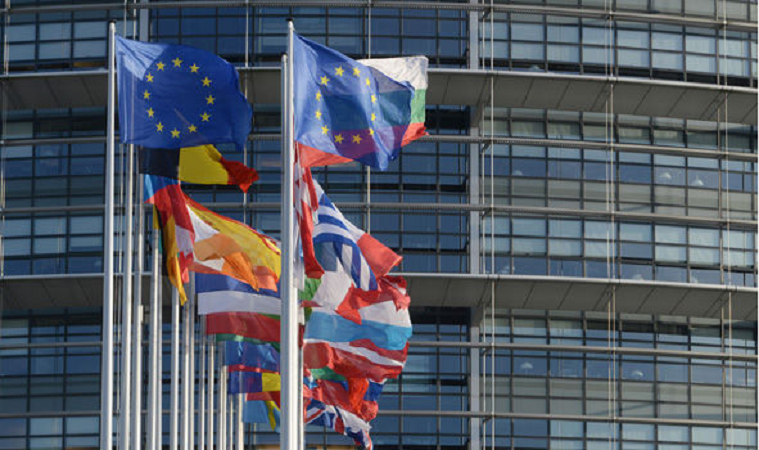
Denmark is poised to become the first European country to legally outlaw the unauthorized use of deepfakes, moving swiftly to amend its copyright law amid growing global concerns about the misuse of artificial intelligence to replicate human likeness without consent.

The proposed law, announced last month by the Danish Ministry of Culture, will guarantee every person in Denmark the right to their own face, body, and voice — a move widely viewed as an unprecedented legal safeguard against the evolving threat of generative AI. With support from nearly 90% of parliamentarians, the bill is expected to sail through when it is formally presented after the summer recess and adopted by autumn.

The bill defines a deepfake as a hyper-realistic, digitally generated imitation of a person’s appearance or voice. Once enacted, the law will allow Danes to demand that online platforms take down AI-generated content mimicking them without consent. It also expands protections to cover unauthorized recreations of artists’ performances — marking the first time a European government has sought to address the issue through legally enforceable rights over one’s digital likeness.

Culture Minister Jakob Engel-Schmidt, who unveiled the proposal, said the legislation aims to address the “legal vacuum” that currently allows the unauthorized creation and dissemination of manipulated digital identities.

“We are sending an unequivocal message that everybody has the right to their own body, their own voice and their own facial features,” Engel-Schmidt told The Guardian. “Human beings can be run through the digital copy machine and be misused for all sorts of purposes — and I’m not willing to accept that.”

The Deepfake Crisis and Rising Global Alarm

Denmark’s proposal comes as governments across the world grapple with the rising use of deepfakes for fraud, misinformation, blackmail, political manipulation, and non-consensual pornography. Enabled by generative AI, these videos and audio clips are becoming nearly indistinguishable from authentic content, making it easier than ever to fake a person’s actions or statements convincingly.

A recent Europol report warned that deepfakes are already being weaponized by cybercriminals and foreign adversaries, especially during election seasons. In the U.S., the Federal Communications Commission (FCC) in 2024, banned the use of AI-generated voices in robocalls after an incident in which a fake voice impersonating President Joe Biden was used to suppress voter turnout in a primary election.

In the U.K., deepfakes have been used in financial scams involving voice cloning of CEOs to authorize large transfers. In Asia, several banks have already issued warnings to customers after discovering AI-generated video and voice scams targeting mobile banking users.

Yet, despite mounting evidence of the damage, most governments remain caught off guard. Regulatory frameworks are largely outdated or nonexistent, and enforcement mechanisms are struggling to catch up with the rapid advances in AI. In many countries, victims of deepfakes have little legal recourse — especially in cases where no explicit criminal action, like fraud or defamation, has occurred.

Denmark’s proposed reform aims to change that — at least within its borders. By giving people the right to control their digital identity, the law not only provides legal tools for removal and compensation but also puts pressure on tech platforms to act swiftly against non-consensual AI content.

The government has signaled that if platforms do not comply, it is ready to pursue stronger penalties, including “severe fines” and action at the European Commission level.

“Of course this is new ground we are breaking, and if the platforms are not complying with that, we are willing to take additional steps,” said Engel-Schmidt.

“That is why I believe the tech platforms will take this very seriously indeed,” he added.

The law will not ban satire or parody, which are protected forms of expression, but the government has made clear that platforms will be expected to distinguish between legitimate creative content and malicious impersonation.

Engel-Schmidt said Denmark will use its upcoming EU presidency to push for broader adoption of similar protections across the bloc. If successful, it could lay the groundwork for a Europe-wide standard on identity rights in the digital age.

While Denmark leads with this legislation, other countries are beginning to explore similar protections. China passed a rule in 2022 requiring synthetic content to carry clear labels, and the European Union’s AI Act — which is set to take effect soon — includes limited transparency rules for deepfakes. But many say these measures are not enough.

In the U.S., Congress has introduced several bills to regulate deepfakes, including the DEEPFAKES Accountability Act, but none have been passed. Meanwhile, public figures, including actors and musicians, are increasingly turning to private lawsuits to combat unauthorized AI usage.

The entertainment industry, in particular, has become a frontline in the deepfake debate. The recent strikes by Hollywood actors included demands for protections against studios using their faces or voices through AI without additional compensation.

Denmark’s bold move is seen as a model for a legal system trying to keep pace with a technology advancing faster than any in recent memory. As AI tools become widely accessible and more powerful, the threat of malicious deepfakes is no longer a distant possibility — it is an ongoing reality.

OpenAI’s AI-Powered Browser Could Reshape Browsing By Prioritizing AI-Driven Interactions

0

OpenAI is reportedly preparing to launch an AI-powered web browser in the coming weeks, aiming to challenge Google Chrome’s dominance. The browser, built on Google’s open-source Chromium code, will integrate AI features like a native ChatGPT-style chat interface, reducing the need to navigate external websites for certain tasks. It may also incorporate OpenAI’s AI agent, Operator, to perform actions such as booking reservations or filling out forms.

The move is seen as a strategic push to capture user data, similar to Chrome’s role in Google’s ad ecosystem, and to weave OpenAI’s services into users’ daily lives. With ChatGPT’s 400-500 million weekly active users, the browser could gain significant traction, though competing with Chrome’s 3 billion users is a steep challenge. Other AI startups like Perplexity (with its Comet browser) and The Browser Company (Dia) are also entering the AI-browser space, signaling a growing trend.

With Chrome holding a dominant ~65% market share, OpenAI’s browser, built on Chromium, could appeal to users seeking AI-native experiences. However, displacing Chrome’s 3 billion users will be tough due to its ecosystem integration (Google accounts, Gmail, Drive, etc.). OpenAI joins competitors like Perplexity (Comet browser) and The Browser Company (Dia), intensifying the race for AI-driven browsing. This could fragment the browser market, with each player vying for niche user bases prioritizing AI features.

Like Chrome fuels Google’s ad empire, OpenAI’s browser could collect user data to enhance its AI models, potentially creating a feedback loop that improves ChatGPT and Operator while raising privacy concerns. A built-in ChatGPT-style interface and AI agents like Operator could streamline tasks (e.g., booking, form-filling, research) without leaving the browser, reducing reliance on external sites.

Enhanced personalization (e.g., tailored search, predictive actions) could improve user experience but may deepen data collection, echoing concerns about Google’s tracking practices. Professionals, students, and creators could benefit from AI tools embedded in the browser, potentially integrating with OpenAI’s enterprise offerings or third-party platforms. If OpenAI’s browser prioritizes AI-generated answers over traditional search results, websites reliant on search traffic (e.g., news, blogs, e-commerce) could see reduced clicks, mirroring challenges posed by Google’s AI Overviews.

OpenAI’s browser could tie into its API services, encouraging developers to build AI-powered extensions or integrations, fostering a new app ecosystem. Using Chromium aligns OpenAI with a proven codebase but raises questions about differentiation and whether it will contribute back to the open-source community. OpenAI could offer a freemium model, with premium features (e.g., higher AI usage quotas) akin to its SuperGrok subscription, or integrate ads, though this risks alienating users.

By embedding AI deeply into browsing, OpenAI aims to make its services indispensable, potentially locking users into its ecosystem and challenging Google’s search dominance. Early adopters and AI enthusiasts may embrace the browser for its advanced features, while casual users may stick with Chrome or Safari due to familiarity and ecosystem lock-in. Users prioritizing privacy may hesitate due to OpenAI’s potential data collection, while others may value the convenience of AI-driven browsing.

Availability may be uneven, with wealthier markets or tech-heavy regions adopting faster, while emerging markets with lower AI awareness may lag. OpenAI’s entry escalates tensions with Google and Microsoft (Edge), but smaller players like Perplexity could struggle against OpenAI’s scale and brand (400-500M ChatGPT users). Traditional websites may lose traffic to AI browsers that prioritize direct answers, creating friction between content creators and AI providers.

OpenAI’s browser could deepen the divide between users comfortable with AI data collection and those wary of surveillance, especially if Operator’s actions require extensive personal data. Advanced AI features may demand high-spec devices or fast internet, excluding users in low-resource settings, thus widening the digital divide. AI-generated answers in the browser could amplify biases or inaccuracies, creating a divide between users who critically evaluate outputs and those who accept them at face value.

Developers may split between building for OpenAI’s browser (potentially proprietary integrations) or sticking with open standards like Chromium’s extensions. Developers with AI expertise may thrive in creating browser-compatible AI tools, while traditional web developers may need to upskill, creating a professional divide. OpenAI’s AI-powered browser could reshape browsing by prioritizing AI-driven interactions, challenging Google’s dominance, and transforming user workflows.

However, it risks deepening divides in user adoption, privacy concerns, and industry impacts. The success of this browser will hinge on balancing innovation with trust, ensuring Ascertain the real-time information I have is limited to the announcement and lacks specific details on features or rollout, so ongoing developments may shift these implications.

Trump’s Push For 300 BPS Rate Cuts Aims To Stimulate Growth

0

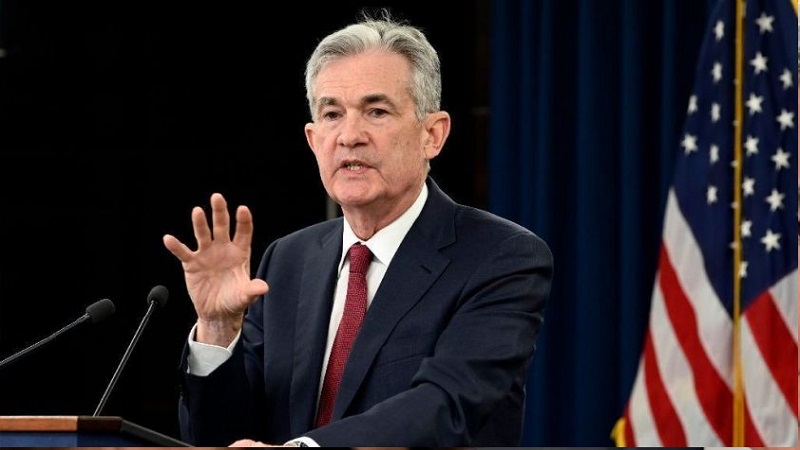
President Donald Trump has recently advocated for significant Federal Reserve interest rate cuts, specifically calling for a reduction of at least 300 basis points (bps), which would lower the federal funds rate from its current range of 4.25%–4.5% to around 1%–1.25%. This push, expressed through public statements and a handwritten letter to Federal Reserve Chair Jerome Powell, is part of Trump’s broader economic strategy to ease borrowing costs and stimulate growth amid his aggressive trade policies.

Posts on X reflect this sentiment, with some users speculating that such cuts could reduce mortgage rates to approximately 3%, potentially fueling a housing market surge. However, Fed Chair Jerome Powell has resisted immediate cuts, citing the inflationary risks posed by Trump’s tariff policies, which he noted have already driven up inflation forecasts and prompted the Fed to maintain its current rate stance.

Concurrently, Trump has escalated his trade agenda by sending tariff letters to multiple countries, announcing new “reciprocal” tariff rates effective August 1, 2025, unless trade deals are reached. On July 7 and 9, 2025, letters were sent to 21 countries, including Japan, South Korea, Brazil, and others, with tariff rates ranging from 20% to 50%. For instance, Brazil faces a 50% tariff, partly due to political tensions, while Japan and South Korea face 25%.

These letters, often shared via Truth Social, warn against retaliatory tariffs and aim to address U.S. trade deficits, which Trump views as evidence of unfair trade practices. The administration argues these tariffs will boost domestic manufacturing and national security, though economists warn of inflationary pressures and global trade disruptions. Powell has indicated that the Fed’s cautious approach stems from the need to assess the economic impact of these tariffs, which could lead to higher inflation and slower growth.

Despite Trump’s pressure, the Fed has held rates steady, with bond markets pricing in a higher likelihood of cuts later in 2025, potentially in May or June, if economic growth falters. The interplay between Trump’s tariff policies and his push for rate cuts continues to create uncertainty in global markets, with critics warning of potential trade wars and recession risks.

Lowering the federal funds rate to ~1%–1.25% would reduce borrowing costs, potentially boosting consumer spending, business investment, and housing demand (e.g., mortgage rates could drop to ~3%, spurring real estate activity). Significant rate cuts could overheat the economy, especially if combined with tariff-induced price increases, leading to higher inflation. The Fed’s reluctance to act immediately reflects this concern, as Powell has noted tariffs’ inflationary impact.

Lower rates could weaken the U.S. dollar, making exports more competitive but increasing the cost of imports, amplifying tariff effects. Bond markets may face uncertainty, as investors adjust expectations for Fed policy. X posts suggest markets are pricing in cuts by mid-2025, but premature cuts could disrupt yield curves and equity valuations. Tariffs on imports from countries like Japan, South Korea, and Brazil will likely raise prices for goods (e.g., electronics, vehicles, agricultural products), contributing to inflation.

Affected countries may face supply chain challenges, particularly for industries reliant on global trade (e.g., auto manufacturing, tech). This could lead to shortages or higher production costs. Trump’s tariffs aim to narrow the U.S. trade deficit by incentivizing domestic production, but success depends on whether U.S. industries can scale up to replace imports.

Targeted nations may impose counter-tariffs, as warned against in Trump’s letters, potentially harming U.S. exporters (e.g., agriculture, aerospace) and escalating into broader trade wars. Rate cuts could boost stock prices by lowering borrowing costs for companies, but tariff-induced inflation and trade tensions may weigh on sectors like tech and consumer goods. X posts highlight mixed investor sentiment, with some expecting a short-term rally if rates drop, others fearing long-term trade disruptions.

Treasury yields could decline with rate cuts, but persistent inflation fears may keep yields elevated, as seen in recent bond market reactions to tariff announcements. Tariffs on countries like Brazil (a major commodity exporter) could drive up prices for raw materials (e.g., soy, steel), impacting global commodity markets.

Tariff letters to allies like Japan and South Korea (25% tariffs) could strain diplomatic ties, especially if perceived as punitive. Brazil’s 50% tariff, tied to political differences, may further sour U.S.-Latin America relations. The threat of reciprocal tariffs risks fracturing global trade frameworks, potentially weakening institutions like the WTO. Countries may seek alternative trade blocs, reducing U.S. influence.

While not directly mentioned in recent letters, China could exploit divisions among U.S. allies, strengthening its position in global trade networks. Trump’s base may view tariffs and rate cut advocacy as bold moves to protect U.S. interests, but consumers facing higher prices and businesses dealing with trade disruptions could fuel opposition. Trump’s direct pressure on Powell, including handwritten letters, raises concerns about Federal Reserve independence, potentially undermining confidence in monetary policy.

If tariffs significantly disrupt trade and inflation spikes, the Fed may be forced to maintain or raise rates, countering Trump’s push for cuts and risking economic slowdown. Retaliatory tariffs and supply chain issues could dampen global growth, affecting U.S. exports and multinational corporations. The combination of aggressive rate cut demands and tariff policies creates uncertainty, potentially delaying business investment and consumer spending.

Trump’s push for 300 bps rate cuts aims to stimulate growth but risks inflation and market instability, while his tariff letters could protect domestic industries but threaten global trade relations and economic stability. The Fed’s cautious stance and global responses will be critical in shaping these outcomes.

The S&P 500’s Climb To 6,280 Signals Economic Strength And Investor Optimism

0

The S&P 500 closed at a new all-time high of 6,280 on July 10, 2025, as reported in recent posts on X. This marks a significant milestone, reflecting a 0.27% increase from the previous session and a 3.89% gain over the past month. The index has shown resilience, climbing 11.84% compared to the same period last year, despite earlier volatility driven by trade tensions and economic uncertainties. For further context, the SPDR S&P 500 ETF Trust (SPY) also reflects this upward trend, with a current price of $625.82, as shown in the finance card above.

The index’s performance is bolstered by optimism in the U.S. economy and easing concerns over trade policies, though some analysts caution about potential short-term challenges due to elevated valuations and market sentiment shifting toward greed. The record high reflects strong investor confidence in the U.S. economy, driven by robust corporate earnings, cooling inflation (recent CPI data showed a 2.4% year-over-year increase, below expectations), and expectations of stable or slightly hawkish Federal Reserve policies.

X posts highlight optimism around sectors like technology and financials, which have led the rally. Rising stock markets can boost consumer spending among investors, as higher portfolio values increase perceived wealth. This could support economic growth, particularly in consumer-driven sectors. The rally has been driven by mega-cap tech stocks (e.g., Nvidia, Apple) and financials, but some X posts note concerns about narrow market breadth, with fewer stocks contributing to gains compared to broader participation in past rallies.

Small-cap stocks, tracked by the Russell 2000, have lagged, with some posts on X indicating a 4.5% underperformance relative to the S&P 500 year-to-date, signaling uneven market strength. The high comes amid easing fears of aggressive trade tariffs under the incoming administration, as recent X posts suggest markets are pricing in a more moderate policy stance. However, uncertainties around global trade (e.g., U.S.-China relations) and potential fiscal deficits could introduce volatility.

Federal Reserve actions remain critical. With rates unchanged at 4.75-5% in the latest meeting, markets are pricing in a 70% chance of a 25-basis-point cut by September 2025, which could further fuel equities if realized. The S&P 500’s forward P/E ratio is approximately 23.5, above the historical average of 18, raising concerns about overvaluation. Some X users warn of a “greed-driven” market, with sentiment indicators like the Fear & Greed Index tilting toward extreme greed, potentially signaling a correction risk.

Only about 58% of U.S. households own stocks directly or indirectly (e.g., via retirement accounts), per Federal Reserve data. The S&P 500’s gains primarily benefit wealthier households, widening the wealth gap. X posts highlight frustration among lower-income groups, who feel excluded from market-driven prosperity. Corporate profits, particularly in tech, have soared, but wage growth for middle- and lower-income workers (averaging 3.2% annually per recent BLS data) lags behind inflation-adjusted market returns, deepening economic disparities.

Large-cap tech and financial firms dominate the S&P 500’s gains, while small-cap and value stocks struggle. This creates a divide between investors in growth-oriented sectors and those exposed to cyclical or smaller firms, as noted in X discussions about the Russell 2000’s underperformance. Smaller businesses face higher borrowing costs and trade policy risks, limiting their ability to compete with larger corporations benefiting from economies of scale.

The U.S. market’s outperformance contrasts with weaker global indices (e.g., Europe’s STOXX 600 up only 6% year-to-date vs. S&P 500’s 16%). This reflects a U.S.-centric rally, potentially straining international investor confidence, as seen in X posts questioning global market resilience. Emerging markets, particularly in Asia, face headwinds from trade tensions and a stronger dollar, further widening the performance gap.

Retail investors on platforms like X express mixed sentiments: some celebrate the rally, while others fear a bubble, citing high valuations and geopolitical risks. Institutional investors, with greater access to hedging tools, may be better positioned to navigate volatility, leaving retail investors more exposed.

The S&P 500’s climb to 6,280 signals economic strength and investor optimism but also underscores vulnerabilities like high valuations and uneven market participation. The “divide” manifests in wealth inequality, sectoral disparities, global market gaps, and differing investor experiences. While the milestone is a positive signal, it highlights the need for broader economic policies to address disparities and ensure sustainable growth.

Nigeria’s New Tax Reforms Touted as Game-Changer for SMEs

0

The Pan-African Alliance of Small and Medium Industries (PAOSMI) says the newly enacted tax laws signed by President Bola Tinubu will help stimulate the growth of small and medium enterprises (SMEs) and attract local investment into Nigeria’s struggling economy.

Speaking in Abuja, PAOSMI Director-General, Dr. Henry Emejuo, said the tax overhaul marked a significant shift in Nigeria’s fiscal framework and would go a long way toward simplifying the tax system, improving compliance, and easing the burden on Micro, Small, and Medium Enterprises (MSMEs).

Emejuo welcomed key exemptions under the new tax code, noting that they would free up capital for reinvestment, expansion, and job creation, especially for struggling businesses.

“The exemption of low-income earners and the raising of the tax exemption threshold for small companies from N25 million to N100 million in annual turnovers is a significant relief for many of our members. These companies are now exempted from Companies Income Tax (CIT), Capital Gains Tax (CGT), and the Development Levy. It is a game-changer,” Emejuo said.

He added that MSMEs with turnover below N50 million would no longer be required to present audited accounts to file their taxes, describing the measure as a “critical cost-saving reform.” The discontinuation of the 0.5 percent turnover tax for companies reporting losses also drew praise.

“While a minimum tax is retained, new exemptions have been introduced for small companies, startups, and businesses in primary agriculture,” Emejuo said. “This creates space for recovery and growth.”

System Overhaul and Investor Incentives

Beyond individual reliefs, the broader structure of Nigeria’s tax system is also undergoing reform. Over 60 different levies are being collapsed into fewer than 10. A new central federal tax agency, the Nigeria Revenue Service (NRS), is replacing the former Federal Inland Revenue Service (FIRS), aiming to streamline administration and curb abuse.

Emejuo also noted the introduction of the Economic Development Incentive (EDI), which replaces the pioneer status incentive and allows qualified companies to claim a 5 percent annual tax credit on capital expenditures for five years.

“This is a crucial relief, particularly for early-stage and struggling businesses. It creates space for them to recover and grow, which will ultimately contribute to the country’s economic resilience,” Emejuo said.

He also pointed out that the reforms bring Nigeria in line with regional peers such as Ghana and South Africa, especially in corporate tax rates, VAT structure, and efforts to improve the tax-to-GDP ratio.

“Nigeria’s tax-to-GDP ratio, which has long been one of the lowest globally at 13.5 percent, is projected to rise to 18 percent by 2026 through better efficiency and an expanded base. That is a realistic and necessary target,” Emejuo said.

The Challenge of Government’s Spending

While the reforms have been widely praised by business groups, a large number of Nigerians have expressed concern over the federal government’s long-standing reputation for mismanaging public funds.

Public reaction has centered not on the structure of the tax code but on what the government intends to do with the increased revenue. The reaction is based on the situation whereby many citizens live without access to basic infrastructure—such as running water, electricity, and drivable roads—while public officials live lavishly.

Recently, the Tinubu administration approved multibillion naira funds for luxury vehicles for lawmakers, renovating the official residences of the President and Vice President, and for SUVs and bulletproof vehicles for federal officials.

This spending spree drew harsh criticism at a time when many Nigerians are resorting to digging wells for water, buying fuel to power private generators, and crowdfunding for medical procedures.

Implementation Is Key

Emejuo acknowledged this gap in public confidence, warning that poor implementation and opaque spending could sabotage the potential of the reforms.

“These reforms, if implemented effectively, can significantly enhance Nigeria’s ease of doing business, reduce corruption through digital processes, and provide a more stable investment climate,” he said.

He urged the federal government to prioritize training for tax officials, improve digital systems for compliance, and educate business operators on the new tax codes.

“We urge the government to ensure that tax administrators are well-equipped and that business operators are properly educated on the new tax code. This is key to unlocking the full benefits of the reforms,” Emejuo said.

He reaffirmed PAOSMI’s readiness to support the rollout of the new system and advocate for policies that promote industrial growth and inclusive development.