Selling gift cards like Target, Apple, and Razer Gold for cash in Nigeria is easy when you choose a platform that’s secure, fast, and reliable.
With so many gift card trading apps and websites available, knowing which ones offer competitive rates, quick payouts, and a smooth experience can make all the difference.
In this article, we’ll walk you through 10 of the best platforms to sell Target, Apple, and Razer Gold gift cards for cash in 2026. Whether you’re trading occasionally or regularly, these platforms provide a safe, and convenient way to convert your gift cards into cash.
Top 10 Platforms to Sell Target, Apple, and Razer Gold Gift Cards in Nigeria
Selling Target, Apple, and Razer Gold gift cards for cash is easier when you know which platforms offer the best combination of speed, competitive rates, and reliability. Below is a quick comparison of 10 popular gift card trading platforms based on their payout speed, rates, ease of use, and overall reliability.
| s/n | Platforms | Payout Speed | Rates | Ease of use | Reliability |
| 1 | Cardtonic | Very Fast | Consistent | Clean interface, smooth process | Excellent |
| 2 | 1minutepay | Fast | Fair | Simple but limited features | Good |
| 3 | Sekiapp | Moderate | Varies by card | User-friendly mobile app | Good |
| 4 | FlipEx | Fast | Competitive | Web and app available | Very Good |
| 5 | CardCash | Fast | Competitive | Easy-to-use platform with a straightforward process | Very Good |
| 6 | Innixx | Fast | Good | Beginner-friendly interface | Good |
| 7 | Giftcardhome | Moderate | Average | Simple navigation | Good |
| 8 | GiftcardsToNaira | Fast | Competitive | Easy trading experience | Very Good |
| 9 | Zinkitex | Moderate | Fair | User-friendly platform | Good |
| 10 | OwnCard | Fast | Competitive | Clean interface with a quick trading process | Very Goos |
1. Cardtonic:
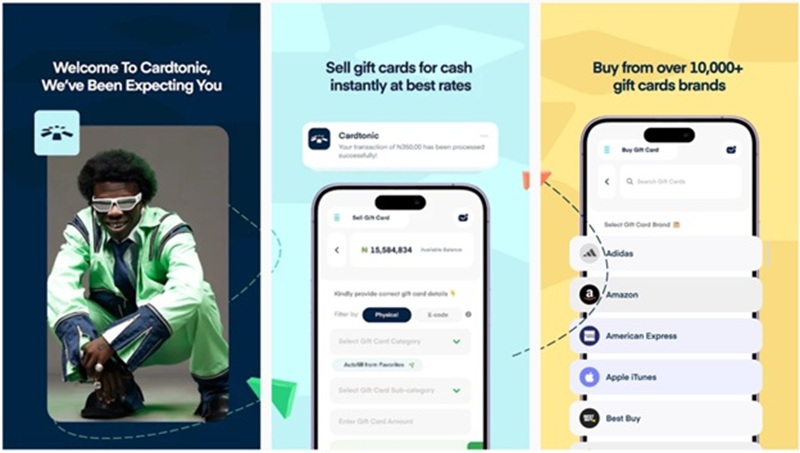
Cardtonic is one of the most trusted platforms for anyone looking to sell Target, Apple, and Razer Gold gift cards for cash in Nigeria. If you’re searching for where to sell Razer Gold gift cards for cash in Nigeria, Cardtonic stands out thanks to its fast payouts, competitive rates, and secure trading experience.
One of the first things users notice is how quickly transactions are processed. Most trades are completed within minutes, making Cardtonic an excellent choice for anyone who values speed and convenience.
The platform also offers some of the most competitive and consistent gift card rates in Nigeria, and its built-in rate calculator lets you check exactly how much your gift card is worth before starting a trade.
The platform is designed with simplicity in mind, featuring a clean interface that’s easy to navigate on both the mobile app and website. From selecting your gift card type to completing your transaction, the process is smooth and beginner-friendly.
Beyond its user-friendly experience, Cardtonic has earned a strong reputation for transparency, dependable customer support, and secure transactions.
Whether you’re trading occasionally or regularly, Cardtonic remains one of the most reliable platforms for converting your Target, Apple, and Razer Gold gift cards into cash in Nigeria.
2. 1minutepay:
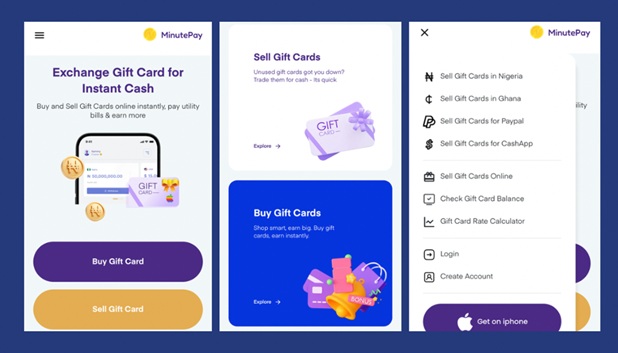
1minutepay is a fairly popular platform among regular gift card traders in Nigeria. One of its biggest strengths is speed, payouts are processed quickly, which is ideal if you’re trying to convert your card to cash without delay.
The rates are decent, not always the highest, but fair enough for frequent transactions. The platform itself is simple and straightforward, though it doesn’t offer too many extra features beyond the core trading process.
It’s a good choice for users who want fast results without too much complexity. Overall, it’s reliable and gets the job done.
3. Sekiapp:
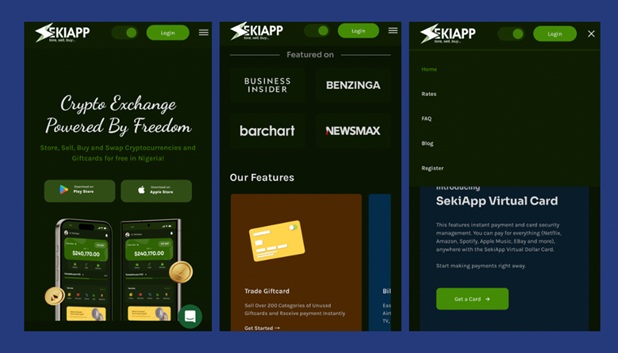
Sekiapp is another trading app that has gained traction, especially among mobile users. Payout speed is moderate not slow, but you may wait a bit longer compared to others.
Where Sekiapp really stands out is in its user-friendly app design; everything feels smooth, especially if you’re used to trading on your phone.
Their rates vary depending on the type of gift card, so it’s a good idea to check before committing.
While it might not always offer the fastest turnaround, the overall experience is stable, and the app is easy to trust for casual or semi-regular trades.
4. FlipEx:
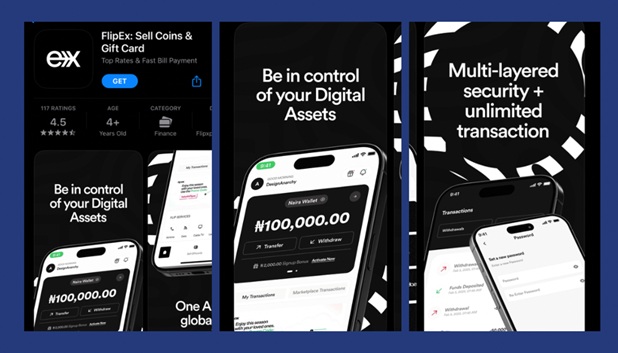
FlipEx delivers a well-balanced trading experience. It performs strongly in terms of payout speed, many users report getting their payments shortly after submitting their cards.
Their rates are competitive, often sitting just below the top-tier platforms. What users appreciate most is that FlipEx works across both web and mobile, so you can trade wherever you’re comfortable.
The layout is clean and modern, which adds to its ease of use. Overall, FlipEx is a solid platform with dependable service and a straightforward trading process, especially for users who value flexibility and consistency.
5. CardCash:
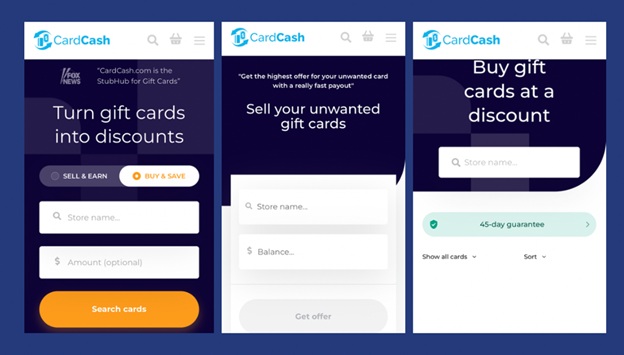
CardCash is another dependable platform for trading Target, Apple, and Razer Gold gift cards in Nigeria. It is known for fast payouts, so users do not have to wait long to receive their money after a trade.
The rates are decent, although not always the highest compared to other apps. What makes CardCash appealing is its ease of use. The interface is simple to navigate, making it beginner-friendly for first-time traders.
With a smooth process and a strong reputation for reliability, CardCash is a solid option for anyone who wants quick and stress-free transactions.
6. Innixx:
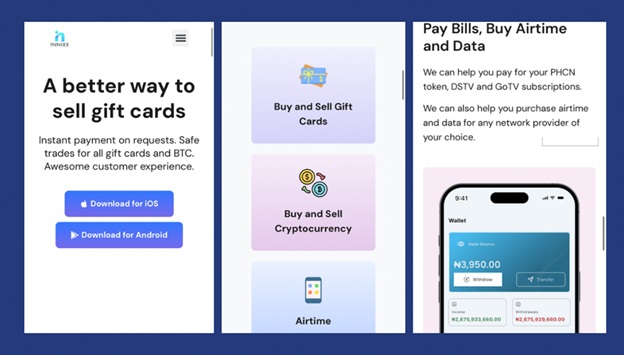
Innixx is designed for users who want a simple and smooth way to trade gift cards for cash.
The platform offers quick payouts and supports several popular gift card brands, making it suitable for everyday trading.
Its clean interface allows users to complete transactions with ease, while the overall process is straightforward enough for beginners. If you’re looking for a platform that prioritises simplicity without sacrificing efficiency, Innixx is worth considering.
7. Giftcardhome:
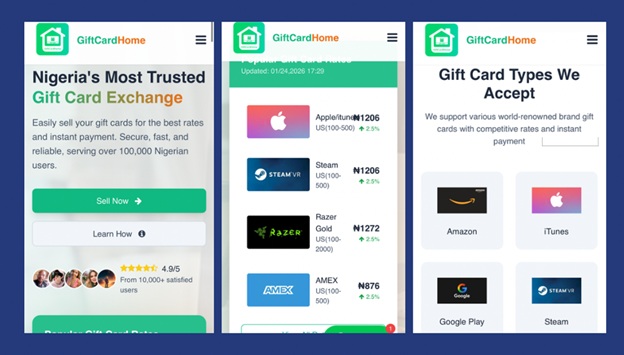
Giftcardhome provides users with a convenient way to exchange gift cards for cash through an easy-to-follow trading process. While payout speed can vary depending on the type of gift card being traded, the platform is known for offering fair rates and reliable service.
Its simple design makes it easy to navigate, and users can complete transactions without dealing with unnecessary complexity. This makes it a practical choice for those who prefer a straightforward trading experience.
8. GiftCardsToNaira:
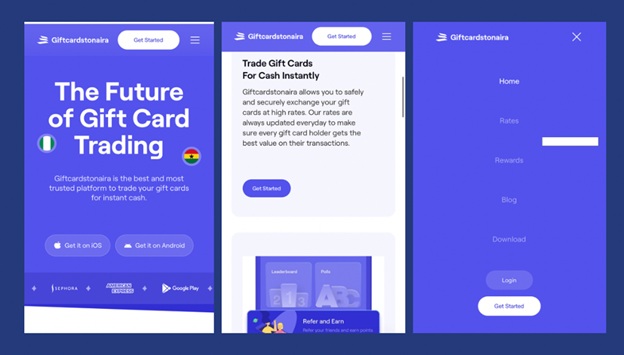
GiftCardsToNaira is another platform that allows users to convert gift cards into cash quickly and securely. It offers competitive rates across different gift card categories and aims to process transactions as efficiently as possible.
The platform’s easy navigation and smooth trading experience make it suitable for users who trade gift cards regularly. Its support for multiple gift card brands also gives traders more flexibility when selling their cards.
9. ZinkiteX:
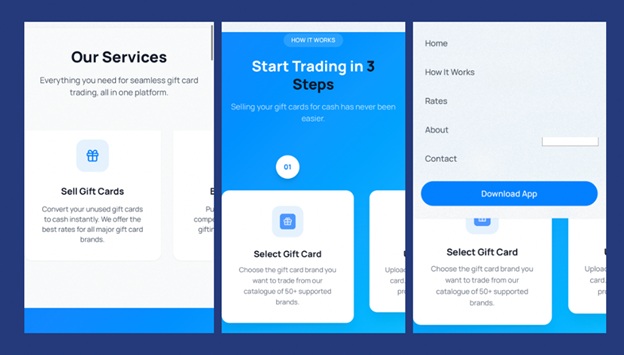
ZinkiteX focuses on providing a secure and reliable gift card trading experience for Nigerian users. The platform supports a variety of gift card brands and offers fair market rates, making it a reasonable option for those looking to exchange gift cards for cash.
Its interface is easy to use, allowing users to submit trades with minimal effort. While processing times may differ depending on the card type, the platform continues to attract users looking for a dependable trading service.
10. OwnCard:
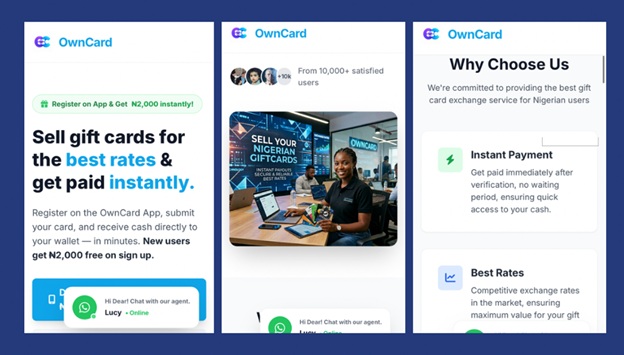
OwnCard is a modern gift card trading platform that combines fast payouts with a simple and intuitive user experience. It supports several popular gift card brands and offers competitive rates that appeal to both occasional and frequent traders.
The trading process is straightforward, from submitting your gift card details to receiving payment. With its clean design and efficient service, OwnCard is a solid option for anyone looking for a smooth and reliable gift card trading experience.
Frequently Asked Questions About Trading Apple Gift Cards in Nigeria
- How to Sell Target Gift Cards for Cash in 2025?
If you’re wondering how to sell Target gift cards for cash in 2025, the process remains largely the same in 2026. Simply choose a trusted gift card trading platform like Cardtonic, create an account, select the Target gift card you want to sell, upload the required details, and complete the transaction. Once your gift card is verified, you’ll receive payment directly into your preferred account.
- How Much is a $100 Target, Apple, or Razer Gold Gift Card Worth in Nigeria?
The value of a $100 Target, Apple, or Razer Gold gift card depends on factors such as the card brand, denomination, country of origin, and current market rates. To get the most accurate value before trading, use Cardtonic’s gift card rate calculator or check the latest exchange rates on the platform.
- Is it Safe to Sell Target, Apple, and Razer Gold Gift Cards Online?
Yes, it’s safe to sell gift cards online as long as you use a reputable platform. Trusted platforms prioritise secure transactions, transparent pricing, and reliable customer support to ensure your gift cards are exchanged safely and you receive payment promptly.
- Where to Sell Apple Gift Cards for Cash in Ghana?
If you’re looking for where to sell Apple gift cards for cash in Ghana, choose a platform with competitive rates, secure transactions, and fast payouts. Before trading, compare rates, verify the platform’s reputation, and ensure it supports Apple gift cards in Ghana.
- Can I Sell Both Physical and e-code Target, Apple, and Razer Gold gift cards for Cash?
Yes. Many gift card trading platforms accept both physical and e-code gift cards. However, availability may vary depending on the platform and the specific gift card brand, so it’s always a good idea to check the platform’s supported card types before starting your trade.
Conclusion
Converting Target, Apple, and Razer Gold gift cards into cash in Nigeria is more convenient than ever when you use a trusted platform.
With options like Cardtonic, 1MinutePay, CardCash, FlipEx, and others offering competitive rates, fast payouts, and user-friendly experiences, you have several reliable platforms to choose from in 2026.
Whether you trade gift cards occasionally or on a regular basis, choosing a reputable platform ensures a smooth, and secure experience. If you’re looking for a platform that consistently delivers competitive rates, quick payments, and excellent customer support, Cardtonic is a great place to start.