
DD
MM
YYYY

PAGES

DD
MM
YYYY

spot_img

PAGES

Home Blog Page 947

Studio Azuki’s Launch Could Redefine Anime Production By Merging Web3 Innovations

0

Azuki, a Web3 brand known for its anime-inspired NFT collection, announced the formation of Studio Azuki, a U.S.-based anime studio in collaboration with Japanese companies COMISMA Inc. and Xenotoon Inc. The studio aims to develop, produce, and globally distribute original anime IPs and adaptations, blending traditional Japanese anime culture with innovative Web3 technologies like NFTs to enhance fan ownership and creative input.

Studio Azuki has also partnered with Westbrook Inc., a multimedia company founded by Will Smith, Jada Pinkett Smith, Miguel Melendez, and Ko Yada, to leverage Hollywood’s global entertainment network for broader distribution. COMISMA, known for its manga app GANMA and high-end animation studio Qzil.la, and Xenotoon, with its 2D/3D production pipeline and creator-first network, bring deep anime production expertise.

Studio Azuki’s “Anime 2.0” vision includes initiatives like the “Enter The Garden” anthology series, Anime.com, and contributions to the Animecoin Foundation, focusing on blockchain-driven financing, production, and fan collaboration. This move expands Azuki’s brand from NFTs into a multimedia experience, aiming to redefine global anime production with a creator-centric, social-native approach.

Studio Azuki’s integration of NFTs and blockchain technology into anime production introduces a new model where fans can own digital assets tied to anime IPs, potentially influencing creative decisions. This “Anime 2.0” vision could democratize content creation by enabling fan-driven financing and collaboration through platforms like the Animecoin Foundation. By blending traditional anime with Web3, Studio Azuki may attract a new audience of crypto-savvy fans, expanding the market for anime globally while offering creators novel revenue streams via tokenized assets.

The collaboration with Westbrook Inc., backed by high-profile figures like Will Smith and Jada Pinkett Smith, provides Studio Azuki access to Hollywood’s distribution networks. This could elevate anime’s global mainstream appeal, positioning Azuki as a bridge between Eastern anime culture and Western entertainment markets. This partnership may also lead to high-budget, cross-cultural anime projects, potentially rivaling established studios like Studio Ghibli or Crunchyroll productions.

With COMISMA’s expertise (via GANMA! and Qzil.la) and Xenotoon’s advanced 2D/3D production capabilities, Studio Azuki is poised to deliver high-quality anime while experimenting with decentralized production models. This could lower barriers for new creators and streamline global distribution through platforms like Anime.com.

The Enter The Garden anthology series signals a focus on original IPs, which could set trends in storytelling by incorporating interactive or community-driven elements enabled by blockchain. Studio Azuki’s model could disrupt traditional anime funding, which often relies on Japanese studios, broadcasters, or streaming platforms. Blockchain-based financing might empower smaller creators but risks prioritizing profit-driven projects over artistic ones.

Culturally, Azuki’s global approach may diversify anime narratives, but it also raises questions about preserving the authenticity of Japanese anime traditions amid Western and Web3 influences. Many anime fans value the artistry, storytelling, and cultural roots of anime, often skeptical of commercialization or technological gimmicks. The introduction of NFTs and blockchain may be seen as a commodification of anime, alienating purists who fear it prioritizes profit over creativity.

For example, NFT projects in other industries have faced backlash for perceived cash grabs, and Azuki’s NFT origins could trigger similar sentiments. Crypto and NFT communities, already familiar with Azuki’s 10,000-NFT collection, may embrace Studio Azuki’s vision as a revolutionary step toward fan ownership and decentralized creativity. They may see it as a way to disrupt gatekeepers in traditional anime production, though their focus might lean more toward investment potential than artistic merit.

The collaboration with Western entities like Westbrook Inc. could spark debate about cultural appropriation or dilution of anime’s Japanese identity. Some fans may view this as a betrayal of anime’s roots, while others may see it as a natural evolution in a globalized world. Japanese creators working with Studio Azuki (via COMISMA and Xenotoon) may face pressure to balance traditional techniques with Web3-driven innovations, potentially creating friction within the industry.

Web3 technologies like NFTs often require technical knowledge and financial investment, which could exclude casual anime fans or those skeptical of crypto. This creates a divide between those who can afford to participate in Azuki’s ecosystem and those who feel priced out or uninterested in blockchain. Conversely, Anime.com and open platforms could make anime more accessible, but only if Studio Azuki prioritizes inclusivity over premium, tokenized experiences.

Established anime studios and platforms (e.g., Toei Animation, Crunchyroll) may resist Studio Azuki’s model, fearing it disrupts traditional workflows or shifts power to fans and investors. This could lead to a divide between legacy studios and Web3-driven newcomers, with Azuki at the forefront of the latter.

Studio Azuki’s launch could redefine anime production by merging Web3 innovation with traditional craftsmanship, potentially creating a more inclusive, fan-driven industry with global reach. However, it risks deepening a divide between traditional anime fans who prioritize cultural authenticity and Web3 advocates who embrace technological disruption. The success of Studio Azuki will depend on its ability to balance these tensions, delivering high-quality anime that respects its roots while leveraging blockchain for meaningful fan engagement rather than mere profiteering.

Figma’s Bitcoin Strategy Could Enhance Its IPO Appeal Among Crypto-Friendly Investors

0

Figma, a design software company, filed for an IPO on July 1, 2025, to list on the NYSE under the ticker “FIG.” Its S-1 filing reveals a $69.5 million investment in the Bitwise Bitcoin ETF (BITB), made on March 3, 2024, with a 26-27% unrealized gain, bringing the value to approximately $70 million as of March 31, 2025. This represents about 4-5% of Figma’s $1.54 billion in cash and securities.

The board also approved a $30 million Bitcoin purchase on May 8, 2025, for which Figma acquired $30 million in USDC stablecoin, planning to convert it to Bitcoin later to manage volatility. This $100 million total crypto allocation signals Figma’s strategic embrace of Bitcoin as a treasury asset, aligning with firms like MicroStrategy and Metaplanet in a growing trend of corporate crypto adoption.

Figma’s allocation of ~6.5% of its $1.54 billion cash and securities to Bitcoin-related assets positions it as a hedge against inflation and currency devaluation, especially in a volatile economic environment. Bitcoin’s historical performance (e.g., ~26-27% unrealized gain on Figma’s BITB investment) supports this strategy. Bitcoin’s volatility (e.g., 50%+ price swings in past years) could lead to significant losses, impacting financial stability and investor confidence pre-IPO.

The use of USDC to delay Bitcoin conversion shows caution but doesn’t eliminate market risk. Figma’s Bitcoin exposure may attract crypto-savvy investors, particularly younger or tech-focused funds, aligning with the narrative of innovation. It mirrors moves by MicroStrategy ($14.6 billion in Bitcoin as of Q3 2024) and Tesla (2021 Bitcoin purchase), which boosted stock interest among certain demographics.

Traditional investors, wary of crypto’s regulatory uncertainty and volatility, may view this as reckless, potentially lowering IPO valuation or demand. Figma’s S-1 notes the investment is a small portion of assets, likely to mitigate such concerns. Figma joins a growing list of public companies (e.g., Metaplanet, Semler Scientific) adopting Bitcoin as a treasury asset, potentially normalizing crypto in corporate finance. This could inspire other tech firms to follow, especially post-IPO if Figma’s stock performs well.

If Bitcoin’s price crashes or regulatory crackdowns intensify (e.g., SEC scrutiny of crypto ETFs), Figma could face reputational and financial backlash, deterring others. Holding Bitcoin via ETFs (BITB) offers a regulated, liquid vehicle, reducing direct custody risks. Figma’s use of USDC for the $30 million allocation shows compliance awareness, as stablecoins are less volatile and easier to account for. Evolving U.S. regulations (e.g., potential SEC classification of Bitcoin as a security) or tax changes could complicate Figma’s strategy.

Impairment losses on Bitcoin holdings, as seen with MicroStrategy in 2022, could hit financial statements. Hedge funds, crypto-native VCs, and retail investors see this as a forward-thinking move, aligning with Bitcoin’s narrative as “digital gold.” Posts on X highlight excitement, with some calling it “a signal of confidence in BTC’s long-term value.” Institutional investors (e.g., pension funds, mutual funds) may balk at the risk. A 2024 BlackRock survey showed 60% of institutional investors avoid crypto due to volatility and regulatory concerns.

Tech talent, especially in design and crypto communities, may view this as a bold, innovative stance, enhancing Figma’s appeal as an employer. San Francisco’s tech culture, where Figma is based, often embraces crypto experimentation. Employees reliant on stock-based compensation may worry about volatility impacting Figma’s valuation, especially if Bitcoin’s price drops significantly pre- or post-IPO.

Figma’s core users (designers, tech firms) are unlikely to be directly affected, but some may see the move as aligning with tech’s cutting-edge ethos, strengthening brand loyalty. Corporate clients, especially in regulated industries like finance, may question Figma’s financial prudence, potentially affecting B2B relationships. On X CryptoBull2025 praised Figma’s move, arguing it validates Bitcoin’s role in corporate treasuries.

Analysts on platforms like Bloomberg argue Figma’s focus should be on operational cash flow, not speculative assets. They point to MicroStrategy’s stock volatility (down 20% in Q1 2023 during a Bitcoin dip) as a cautionary tale. Figma’s move comes amid a 2025 crypto market resurgence, with Bitcoin trading at ~$70,000 (per web data) after a 2024 bull run. The approval of Bitcoin ETFs in 2023 has made institutional adoption easier, with $10 billion in ETF inflows in 2024 alone (CoinShares data).

However, regulatory uncertainty persists, with the SEC’s 2025 agenda hinting at tighter crypto rules. Figma’s cautious approach (ETFs, USDC buffer) mitigates some risks but doesn’t eliminate the divide between crypto optimists and skeptics. Figma’s Bitcoin strategy could enhance its IPO appeal among crypto-friendly investors and solidify its innovative brand, but it risks alienating conservative stakeholders and exposing the company to financial volatility.

GTCO Holdings to Begin Trading on London Stock Exchange July 9, Eyes $100m Equity Raise for Recapitalization

0

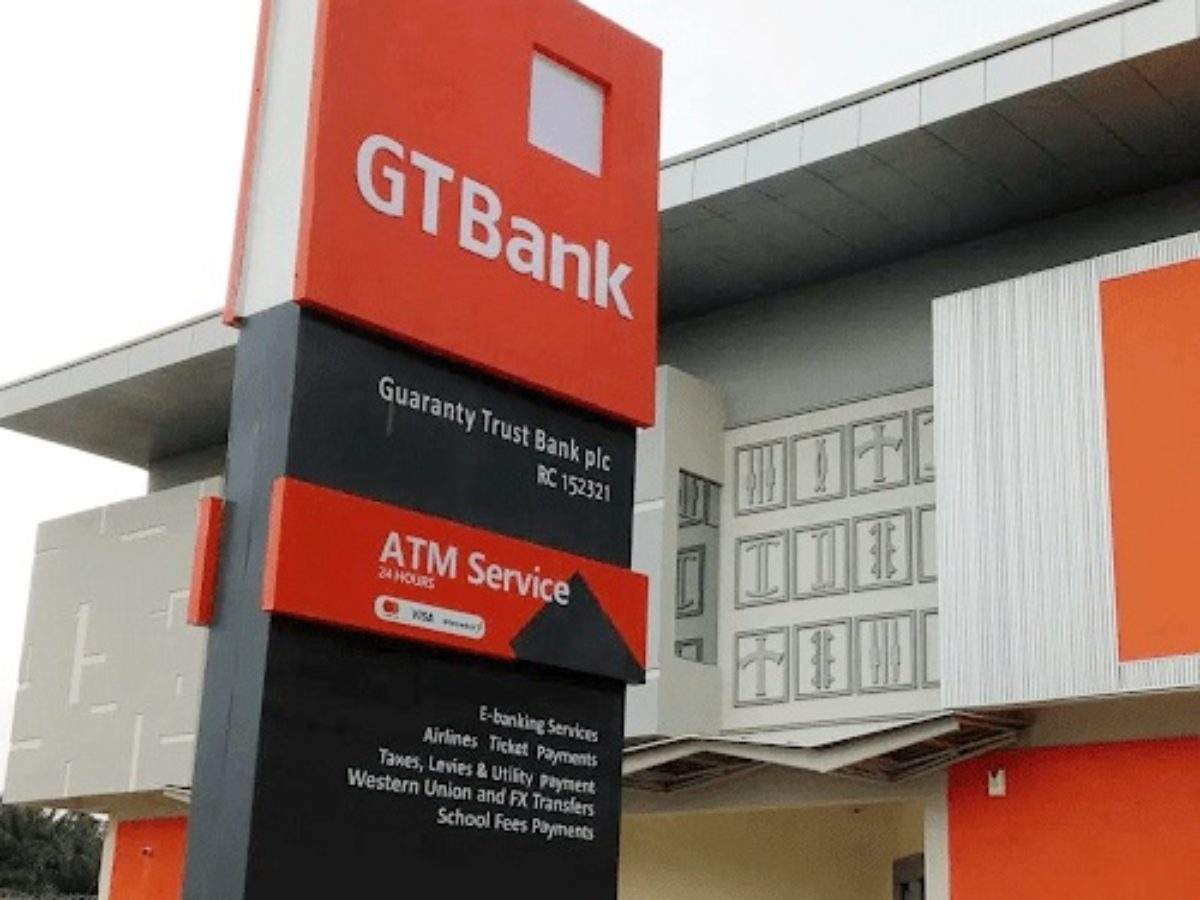
GTCO Holdings, the parent company of Guaranty Trust Bank, is set to begin trading all its ordinary shares on the London Stock Exchange (LSE) by 8:00 a.m. on July 9, becoming the first Nigerian banking group to achieve a full direct listing on the UK bourse.

This milestone marks a strategic shift from its Global Depositary Receipts (GDR) programme, as the group launches a fresh public offering to raise approximately $100 million in capital through an accelerated bookbuild managed by Citigroup.

The equity raise, which commenced on July 2 and runs through July 31, is aimed at bolstering the group’s capital base, particularly to meet the Central Bank of Nigeria’s N500 billion minimum capital requirement for banks with international licenses. With an exchange rate of about N1,540 to the dollar, the targeted sum equals roughly N154 billion.

From GDRs to Full Equity Listing

In a regulatory disclosure filed with the LSE, GTCO said it will cancel its existing GDRs and instead list its entire ordinary share capital under a secondary listing in the equity shares category for international commercial companies on the FCA’s Official List. The GDR delisting will take effect on July 30, 2025, giving existing holders over a year to convert their receipts into depositary interests (DIs).

Under the new structure, the group’s shares will initially trade in U.S. dollars under the ticker symbol “GTHC.” GTCO plans to revert to its traditional “GTCO” symbol once the GDR programme is formally wound down.

GTCO began trading GDRs on the LSE in 2007, with one GDR representing 50 ordinary shares. Now, with the dual listing, it joins a growing list of Nigerian companies such as Seplat Energy and Airtel Africa that have shifted to direct listings to improve visibility and attract a wider investor base.

Offer Details and Investor Strategy

The $100 million capital raise is being executed via an accelerated bookbuild—a fast-track equity offering mechanism that targets qualified and institutional investors in the UK, U.S., and other jurisdictions. Citigroup is acting as the sole global coordinator and bookrunner for the transaction. GTCO is aiming for a free float of 99% of its issued and to-be-issued shares following the listing.

The final offer price and number of shares to be issued will be announced following the bookbuild close, which occurred on July 3. The company’s prospectus is expected to be published on July 4. CREST accounts will be credited with the corresponding DIs, and applicable share certificates will be dispatched the same day trading begins—July 9.

GTCO is allowing GDR holders to exchange their receipts for DIs starting July 9, with a submission deadline of July 23. By July 30, the group will complete the delisting process and issue any outstanding DIs to valid requesters.

Local Listing and Market Implications

GTCO emphasized that its domestic listing remains unaffected. The group’s shares will continue to trade in Nigerian Naira on the Nigerian Exchange Limited (NGX) under the symbol “GTCO.” Following the London listing, shares are expected to be transferable between the NGX and LSE, provided regulatory and procedural requirements are met.

The move comes as Nigerian banks race to meet new capital thresholds set by the Central Bank of Nigeria (CBN). Zenith Bank and Access Holdings have already exceeded the N500 billion requirement. For GTCO, the fresh capital injection will primarily recapitalize GTBank Nigeria, enabling it to retain its international banking license.

Industry analysts say the listing aligns with GTCO’s broader efforts to diversify its investor base, enhance liquidity, and signal global readiness. It also marks a turning point for Nigerian financial institutions seeking stronger global footprints amid rising regulatory standards and competitive pressures in the domestic market.

GTCO’s decision to bypass its GDR framework in favor of full ordinary share admission mirrors trends seen in other emerging markets, where dual listings and cross-border capital raising are becoming more vital as firms pursue deeper integration with international markets.

Developing and Equipping Nigerian Teams For Global Markets: The All Talentz Model

0

The global economic landscape is in constant flux, and nations, like corporations, must innovate to remain relevant and competitive. For Nigeria, a nation blessed with a vibrant youth demographic and an ever-expanding pool of English-speaking graduates, the imperative is clear: we must transcend the traditional export of raw materials and physical products to embrace the burgeoning market of talent export. This is not merely an economic strategy; it is a profound societal transformation.

In this critical pivot, companies like All Talentz.com are not just participants; they are pioneers, demonstrating a viable pathway for equipping Nigerian teams for the demands of global markets and, in so doing, transforming lives.

All Talentz has emerged as a quintessential example of how to operationalize this vision. Their model is elegantly simple yet powerfully effective: they bridge the geographical divide, connecting global businesses with high-calibre remote talent from Africa, particularly Nigeria. What they have done, fundamentally, is to de-risk the outsourcing equation for international clients. By handling the intricacies of employment – from payroll and benefits to overhead costs – All Talentz allows companies to tap into a skilled workforce, reportedly saving up to 70% on staffing expenses, without the typical administrative burdens. Their commitment to quality, underscored by a 30-day replacement guarantee, ensures that the talent deployed is not just affordable but also proficient and aligned with client needs, a testament to their rigorous vetting and training processes.

The lessons emanating from All Talentz’s operational blueprint are invaluable for other Nigerian enterprises seeking to emulate this success. Firstly, the focus must shift from simply providing individuals to offering comprehensive, managed talent solutions. This means understanding the full spectrum of client needs, from technical skills to cultural fit and operational support. Secondly, quality assurance, backed by tangible guarantees, is paramount; trust is the currency of global business. Lastly, the emphasis on cost-effectiveness, without compromising on talent quality, positions Nigerian firms competitively in a global marketplace that is increasingly seeking value. This holistic approach, rather than merely acting as a recruitment agency, is the true differentiator.

For global companies, the strategic opportunities in outsourcing to and partnering with Nigerian talent are immense and, frankly, under-tapped. Beyond the compelling cost savings, there is access to a diverse, adaptable, and highly motivated workforce. Nigeria’s status as a major English-speaking nation, coupled with its large and youthful population, presents a unique demographic dividend. This enables the seamless integration of Nigerian professionals into global remote teams, fostering diverse perspectives and enhancing innovation. The ability to build robust, global remote talent communities from Nigeria can unlock unprecedented efficiencies and drive competitive advantage for businesses worldwide, allowing them to scale operations and access specialized skills that might be scarce or prohibitively expensive in their home markets.

In conclusion, the journey of All Talentz is more than a business success story; it is a template for national economic diversification and empowerment. By strategically leveraging Nigeria’s human capital – its English-speaking graduates, its vibrant youth, and its inherent drive – we can build formidable global remote talent communities. This paradigm shift, from exporting commodities to exporting competence, holds the key to transforming countless lives, creating sustainable wealth, and firmly positioning Nigeria as a critical hub in the global digital economy. The time for this talent revolution is now, and the groundwork laid by pioneers like All Talentz illuminates the path forward.

Jupiter Releases “The Jupiter Studio”

0

Jupiter, a leading decentralized exchange (DEX) aggregator on the Solana blockchain, has introduced its token launchpad, known as Jupiter Studio, which went live recently. This platform is designed to facilitate the creation and management of community tokens, offering features. Developers receive 50% of trading fees both before and after token graduation, incentivizing project creators.

Customization allows tailored token creation and management processes. Token Vesting, Supports structured token distribution with vesting schedules to ensure fair launches. Includes mechanisms to prevent early sniping and promote equitable token distribution. Dedicated Studio Page provides a user-friendly interface for managing token launches.

The launchpad leverages Jupiter’s DLMM algorithm for fair and transparent token pricing and allocation, dynamically adjusting based on market demand and supply. It also offers vesting, lockup, and liquidity mining incentives for long-term investor rewards. As of 2025, Jupiter’s LFG Launchpad has launched 78 projects, achieving $1.2 billion in Total Value Locked and expanding its user base to 780,000. It now includes advanced features like AI-powered risk assessment, multi-chain integration, and privacy-preserving transaction options.

Previous notable launches include the $WE token in January 2024, a meme coin inspired by a poem by Jupiter’s co-founder Weremeow, distributed to over a million wallets, and the $ZEUS token in April 2024, with 3% of its supply airdropped to eligible community members. The platform emphasizes community governance, with the Jupiter DAO and $JUP holders playing a key role in selecting projects for launch.

Jupiter Studio empowers creators to launch tokens with customizable features like vesting schedules and anti-sniper technology, lowering barriers for new projects, especially meme coins and community-driven tokens. The platform’s 50% trading fee share for creators incentivizes innovation and participation. With 78 projects launched and $1.2 billion in Total Value Locked (TVL) as of 2025, Jupiter Studio strengthens Solana’s position as a hub for DeFi innovation, potentially attracting more developers and users to the ecosystem.

The Jupiter DAO and $JUP token holders have a say in project selection, fostering a decentralized governance model. This aligns with DeFi’s ethos of community control and could set a precedent for other launchpads. Features like the DLMM algorithm and anti-sniper technology aim to ensure equitable token distribution, reducing manipulation risks and building trust among investors.

The fee-sharing model (50% of trading fees) provides a sustainable revenue stream for project creators, encouraging long-term commitment. Vesting, lockup periods, and liquidity mining rewards attract long-term investors, potentially stabilizing token prices post-launch compared to speculative pumps and dumps. The inclusion of AI-powered risk assessment and multi-chain support broadens the platform’s appeal, enabling cross-chain token launches and appealing to a wider audience.

Solana’s high-throughput, low-cost blockchain enhances the launchpad’s ability to handle large-scale token launches efficiently, positioning it as a competitor to platforms like Binance Launchpool or Ethereum-based launchpads. The success of tokens like $WEN and $ZEUS highlights Jupiter Studio’s role in capitalizing on meme coin trends, which resonate with retail investors and drive community engagement.

By integrating community-driven narratives (e.g., $WEN’s poem-inspired launch), Jupiter Studio taps into cultural trends, potentially increasing user adoption but also risking overhype in speculative markets. While Jupiter Studio lowers barriers for token creation, only well-funded or high-profile projects may gain significant traction due to marketing costs and community outreach needs. Smaller creators without resources may struggle to compete.

The 50% fee-sharing model benefits creators but could deter some investors if fees are perceived as high compared to other platforms. This may create a divide between projects with strong community backing and those without. Despite the user-friendly interface, creating and managing tokens requires some technical knowledge of blockchain and DeFi mechanics, potentially excluding less tech-savvy creators or communities.

Users in regions with limited internet access or regulatory restrictions on crypto (e.g., certain African or Asian countries) may face challenges participating in launches, exacerbating global inequalities in DeFi access. The Jupiter DAO’s reliance on $JUP token holders for project selection may favor wealthier or more influential holders, potentially sidelining smaller community members and creating a governance imbalance.

While decentralized, the DAO’s decision-making process could be swayed by strategic alliances or whale voters, undermining the platform’s fairness narrative. The focus on meme coins like $WEN and $ZEUS may prioritize speculative projects over those with strong fundamentals, creating a divide between short-term hype-driven tokens and long-term utility-driven projects.

Jupiter Studio competes in a crowded space with platforms like Pump.fun and Raydium. Projects with less visibility or weaker marketing may struggle, deepening the divide between successful and underperforming launches. As global regulators tighten rules on token launches (e.g., SEC scrutiny in the U.S.), projects using Jupiter Studio may face varying compliance burdens depending on their jurisdiction, creating disparities in launch feasibility.

While privacy-preserving transaction options are a feature, they may attract regulatory attention, potentially limiting access for users in strict regulatory environments. Jupiter could offer tutorials or partnerships to educate new creators, reducing technical and accessibility barriers. Implementing quadratic voting or caps on voting power could ensure smaller $JUP holders have a voice in project selection.

Prioritizing a mix of utility-driven and meme-based projects could balance speculative and fundamental-driven launches. Partnerships with local crypto communities in underserved regions could enhance accessibility and inclusivity. Jupiter Studio’s token launchpad is a significant step toward decentralizing and democratizing token creation on Solana, with features like AI risk assessment, anti-sniper tech, and community governance positioning it as a competitive player in DeFi.