
DD
MM
YYYY

PAGES

DD
MM
YYYY

spot_img

PAGES

Home Blog Page 970

Popular Janusz Casino Table Games: Roulette, Blackjack, and Poker in Poland

0

Introduction

The clatter of chips, the spin of the wheel, the calculated stares across a felt-covered table – these are the sounds and sights that resonate deeply within Polish casinos. Beyond the flashing lights and the promise of fortune, lies a cultural fascination with games of chance. From the seasoned high-roller to the curious newcomer, drawn in by the allure of risk and reward, the casino floor offers a unique glimpse into Polish society. Perhaps you’ll even spot a ‘Janusz’ archetype, sleeves rolled up, ready to test his luck (and maybe bend the rules a little!). For a playful take on this archetype, explore Januszcasino, a lighthearted platform inspired by the spirit of Polish gambling.

Roulette, Blackjack, and Poker stand as the titans of these establishments. They are games steeped in history, strategy, and a healthy dose of unpredictability. This article serves as your expert guide to navigating the thrilling landscape of table games in Polish casinos. Whether you’re aiming to refine your skills or simply understand the rules of engagement, prepare to delve into the heart of gambling in Poland and discover what makes these games so enduringly popular.

The “Janusz” Phenomenon: A Cultural Lens

The term “Janusz” in Poland has evolved into a widely recognized, albeit often stereotypical, archetype. It generally describes a middle-aged or older man, typically portrayed as displaying a collection of specific characteristics, often including wearing white socks with sandals, a keen interest in discounts, and a somewhat narrow worldview. The Janusz stereotype has permeated Polish popular culture, appearing in memes, jokes, and everyday conversation.

While the “Janusz” label can be lighthearted, it often carries a nuanced meaning, touching on aspects of Polish society and cultural identity. In the context of casino gambling, the “Janusz” might be envisioned as the man meticulously tracking his small winnings, haggling over the odds, or perhaps clinging a little too tightly to outdated strategies. This isn’t necessarily a negative portrayal, but rather an observation of certain behavioral patterns sometimes seen within the gambling environment.

Understanding the “Janusz” phenomenon provides a cultural context. It offers a lens through which to view certain gambling behaviors within a specific societal framework. It is important to remember that they are stereotypes, and as such, do not represent the entirety of Polish society or gambling habits and should looked at humorously in most cases.

Navigating Polish Casinos: Etiquette and Expectations

Entering a Polish casino offers an exciting blend of entertainment and chance, but understanding the local etiquette is crucial for a smooth and enjoyable experience. Polish casinos, while sharing similarities with their international counterparts, have specific cultural nuances and expectations.

Generally, the dress code in most Polish casinos is smart casual. While a suit and tie aren’t mandatory, avoid overly casual attire like beachwear or athletic clothing. Maintaining a respectful and polite demeanor is essential. When at the gaming table, it’s important to be mindful of your behavior. Avoid loud or disruptive actions that could distract other players. Follow the dealer’s instructions carefully and be patient, especially during busy periods.

Tipping is customary in Polish casinos, although not explicitly required. Dealers and other service staff appreciate small tips for good service. A few zlotys for a helpful dealer or a cocktail server is a nice gesture. Communication is key. Polish casinos employ staff who can speak English, so don’t hesitate to ask for clarification on rules or procedures. By observing these guidelines, you’ll not only avoid potential faux pas but also contribute to a positive and enjoyable atmosphere for everyone.

Roulette in Polish Casinos: Spins and Strategies

Popular Roulette Variations

Roulette enjoys considerable popularity in Polish casinos, with several variations vying for players’ attention. Among the most prevalent are European Roulette, American Roulette, and, less frequently, French Roulette. European Roulette, favored for its single zero, offers slightly better odds compared to the American version, which includes both a zero and a double zero. This difference impacts the house edge, making European Roulette generally more appealing to strategic players. French Roulette, while similar to the European version, sometimes features “La Partage” rule, which can refund half of a player’s bet on even-money wagers when the ball lands on zero, further sweetening the deal for players. You can find roulette in most casinos in major Polish cities, like Warsaw and Krakow, with the European version being the standard offering.

Blackjack: Beating the Dealer, Polish Style

Blackjack, or “oczko” as it’s sometimes called, maintains its core essence in Polish casinos, but with nuances players should know. Generally, the game follows standard international rules: the goal is to get a hand totaling 21, or as close to it as possible, without exceeding it. Numbered cards are worth their face value, face cards (Jack, Queen, King) are worth 10, and an Ace can be worth either 1 or 11. Dealer rules typically dictate they must hit on a soft 17 (a 17 including an Ace valued at 11), which slightly affects the overall odds. Game variations might include subtle differences in payout for a blackjack (natural 21) or the number of decks used, so always check the specific table rules before playing.

Card counting, while not strictly illegal in Poland, is heavily frowned upon by casinos. If a player is suspected of using card counting techniques, they might be asked to leave. The effectiveness of card counting also depends on the number of decks in play; single-deck games offer the best opportunity, but are rare. In most casinos, continuous shuffling machines negate any advantage from counting cards.

To maximize your chances, understanding basic strategy is paramount. This involves knowing the optimal action (hit, stand, double down, split) based on your hand and the dealer’s upcard. Remember that luck plays a huge role. Also, while intuition can be helpful, stick to basic strategy.

Effective Blackjack Strategies

The cornerstone of any successful Blackjack approach is mastering basic strategy. Charts are readily available online that detail the mathematically optimal play for every possible hand combination against each dealer upcard. Using these charts consistently minimizes the house edge. Don’t deviate based on hunches; stick to the proven strategy.

Effective bankroll management is as vital as strategic play. Set a budget before you start. Also, split your bankroll into smaller bets. Avoid chasing losses; if you’re on a losing streak, take a break. Also, be aware of the odds. Remember, while skill can improve your chances, Blackjack always involves an element of luck. Understanding this helps keep your expectations realistic and your gameplay responsible.

Poker Face, Polish Edition: Tournaments and Tactics

The allure of poker is universal, but the experience shifts when you cross borders. In Polish casinos, poker thrives with its own unique flavor. While Texas Hold’em reigns supreme as the most popular variant, Omaha also enjoys a dedicated following. You’ll find tables running these games in most major casinos across Poland, from the bustling capital of Warsaw to the historic city of Krakow. Entry-level buy-ins are usually modest, making the game accessible to both seasoned pros and curious newcomers.

Poker tournaments are a regular fixture in the Polish casino scene. These tournaments typically follow standard structures, with increasing blind levels and re-buys often permitted in the early stages. The buy-ins can vary significantly, catering to different bankrolls. Keep an eye out for special events and festivals that draw larger crowds and offer more substantial prize pools.

Local Poker Playing Styles

If you’re planning to sit down at a poker table in Poland, understanding the local playing styles can give you an edge. Polish players are known for their aggressive bluffing, but sometimes passive play. Be prepared for your opponents’ tight and loose actions – and don’t be afraid to mix up your game styles.

The Future of Table Games in Poland: Trends and Predictions

The Polish gambling market is currently undergoing a transformation, with table games adapting to both traditional and digital environments. New technologies are key players, especially with the rising popularity of online casinos. These platforms provide players with access to classic games from their homes. Mobile gaming is also predicted to significantly change how people engage with table games, as players value the convenience of playing on their smartphones and tablets.

Regulations will continue to play a crucial role in shaping the future of table games in Poland. As authorities adapt to the changing environment, the industry will see adjustments in how casinos operate and attract players. These adaptations will be critical aspects to watch in the coming years.

Conclusion

Polish casinos offer a vibrant array of table games, each steeped in tradition and offering a unique thrill. From the spinning wheel of Roulette to the strategic depths of Blackjack and the intense face-offs in Poker, there’s a game to captivate every player. Embrace the spirit of “Janusz” – that resourceful and savvy approach – and explore the exciting world of Polish casino table games. Why not try your luck and skill at the tables?
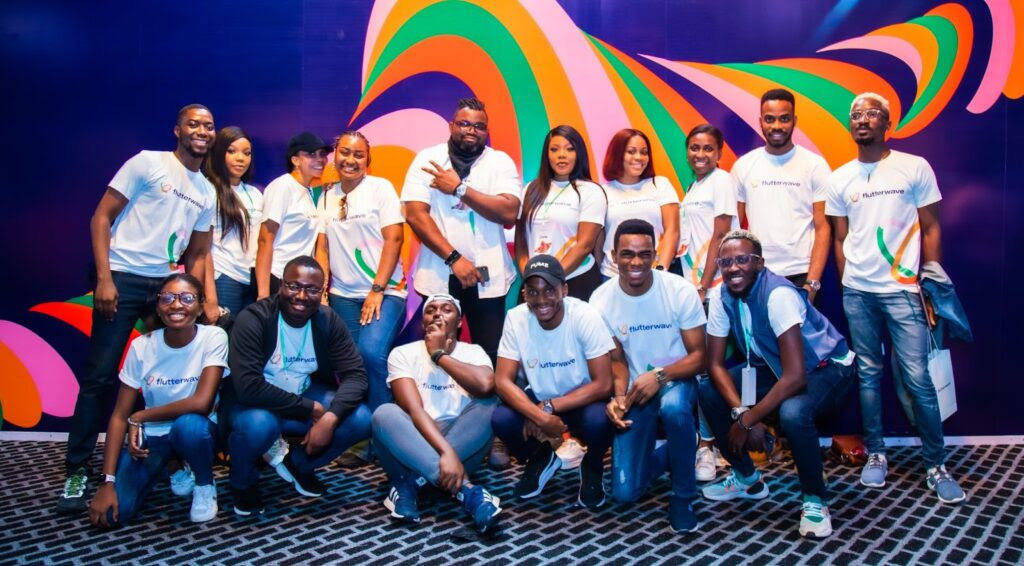

Flutterwave Named to TIME 100 Most Influential Companies List of 2025 For The Second Time

0

Flutterwave, Africa’s largest payment network, has been recognized by TIME100, among the most influential companies list of 2025 in a category alongside global giants like Amazon, Netflix, and OpenAI.

This marks the second time that Flutterwave is appearing on the prestigious list, having first been recognized in 2021 for its impactful response to the COVID-19 pandemic, enabling thousands of businesses to transition online.

During that period, the Fintech company enabled thousands of businesses across Africa to transition to online operations by providing digital payment solutions, such as online stores and payment gateways, which helped merchants adapt to the shift in consumer behavior toward e-commerce during lockdowns.

This was particularly impactful for small and medium-sized enterprises (SMEs) that needed to quickly establish an online presence to survive the economic disruptions caused by the pandemic.

Commenting on the recognition by TIME100, Flutterwave CEO, Olugbenga ‘GB’ Agboola said,

“Being recognized by TIME once again is a true honor. It’s a testament to our team’s incredible work. We’ve moved from building infrastructure to enabling global-scale solutions. Flutterwave today isn’t just powering payments; we’re shaping Africa’s financial future and connecting the continent to the world.”

Since its inception in 2016, Flutterwave, a Nigerian fintech powerhouse, has transformed the African payment landscape, evolving from a startup into a global fintech leader valued at over $3 billion. With a mission to simplify payments across Africa and beyond, it has powered millions of transactions, empowered businesses, and navigated challenges to become a cornerstone of the continent’s digital economy.

Flutterwave set out to address Africa’s fragmented payment ecosystem. Starting in Nigeria, the company aimed to create a seamless platform for businesses to process payments across multiple channels. Flutterwave’s growth accelerated in 2019, earning it a spot on Fast Company’s list of the “10 Most Innovative Companies in Africa.” By 2020, the company raised $35 million in Series B funding and processed 107 million transactions worth $5.4 billion.

In 2021, Flutterwave achieved a historic milestone, raising $170 million in Series C funding and securing a $1 billion valuation, making it Africa’s first fintech unicorn. That year, it processed 200 million transactions worth $16 billion across 34 African countries, serving 900,000 businesses.

Over the years, Flutterwave has significantly expanded its global presence. The company now has technology reach in over 34 African countries. Nearly fifty percent of its customers received payments in new markets in 2024. Additionally, it launched operations in new markets such as Bahrain, Turkey, and Saudi Arabia allowing a leading global ride-hailing giant to expand in those countries. This positions it as one of the few African fintech companies with extensive technology reach.

Notably, its remittance product, SendApp, is connecting millions across borders. The impact of the Flutterwave Send App goes beyond just enabling cross-border money transfers, it plays a significant role in deepening financial inclusion, strengthening diaspora engagement, and supporting African economies. The app enables millions of unbanked or underbanked Africans to receive money directly into their mobile wallets or bank accounts. Also, it simplifies remittances, especially for users in rural or underserved areas who might otherwise rely on inefficient or expensive services.

Flutterwave’s recognition as one of TIME’s 100 Most Influential Companies for the second time in 2024 signifies its sustained global impact and leadership in the fintech industry, particularly in transforming Africa’s digital payment landscape.

Kraken Launches “The Krak Payments App”

0

Kraken launched the Krak payments app. It’s a peer-to-peer app for sending and receiving funds in cryptocurrencies and fiat across over 110 countries, supporting more than 300 assets. The app uses “Kraktags” for simplified transfers without needing bank details or wallet addresses. It offers zero-fee transactions, rewards up to 4.1% APR on USDG stablecoin balances, and up to 10% on staking other digital assets. Kraken aims to compete with platforms like PayPal, Venmo, and Cash App, with plans to add physical and virtual cards, lending, and credit programs.

Krak aims to bypass the inefficiencies of traditional banking, such as high remittance fees (often 6% or more) and slow settlement times (2–5 days for ACH or international wires). By leveraging blockchain technology and Kraken’s internal infrastructure, Krak offers instant, near-zero-fee transactions across 110+ countries, supporting over 300 assets (fiat, cryptocurrencies, and stablecoins). This could pressure banks to modernize or lose market share to crypto-native solutions.

Krak positions itself as a direct competitor to PayPal, Venmo, and Cash App, which have integrated crypto features but still rely on traditional banking rails for fiat transfers. Krak’s use of “Kraktags” simplifies peer-to-peer payments, eliminating the need for bank details or complex wallet addresses, potentially outpacing these platforms in user experience and cost.

By integrating fiat and crypto transactions in one app, Krak appeals to both crypto enthusiasts and non-crypto users, fostering broader adoption. Its support for stablecoins like USDG (with up to 4.1% APR rewards) and staking (up to 10% on 20+ assets) incentivizes users to hold digital assets, potentially normalizing crypto in everyday finance. Kraken’s compliance efforts, including its MiCA license in the EU and resolution of SEC disputes, enhance trust in Krak, making it a viable option for users wary of crypto’s regulatory risks.

This could accelerate mainstream acceptance, especially in regions with clear digital asset regulations. Kraken plans to introduce physical and virtual Krak cards, lending, and credit programs, positioning the app as an all-in-one financial hub. These features could attract users seeking alternatives to traditional banking, particularly for cross-border payments and asset management. The app’s focus on permissionless infrastructure and real-time blockchain settlements could enable innovative financial coordination, such as microtransactions or decentralized lending, not feasible in legacy systems.

The launch reflects Kraken’s shift from a crypto exchange to a comprehensive financial platform, aligning with its 2026 IPO plans. By diversifying into payments, tokenized stocks (xStocks), and derivatives, Kraken aims to capture a larger market share in both crypto and traditional finance. With support for 110+ countries and 300+ assets, Krak strengthens Kraken’s global presence, leveraging its decade-long experience in money transmission and compliance to compete with institutional-focused players like Ripple.

Krak’s zero-fee model and support for 160+ countries could empower unbanked or underbanked individuals, particularly in regions with high remittance costs (e.g., Africa or Southeast Asia). By using Kraktags, users can send and receive funds without bank accounts, lowering barriers to entry. Traditional international transfers often carry fees exceeding 6%, disproportionately affecting low-income users. Krak’s near-zero-cost transfers could make cross-border payments more accessible, enabling financial inclusion for migrant workers or families reliant on remittances.

The use of Kraktags eliminates the complexity of crypto wallet addresses, making the app as intuitive as messaging apps. This could attract tech-averse or less tech-savvy users, reducing the digital literacy gap that often excludes people from modern financial tools. The app’s integration of fiat and crypto in a single interface appeals to users unfamiliar with blockchain, potentially bringing digital payments to a broader audience.

Rewards like 4.1% APR on USDG and up to 10% on staking provide financial incentives for users to engage with the app, particularly in regions where traditional savings accounts offer low or no returns. This could encourage adoption among low-income users seeking passive income. Krak requires a smartphone and internet access, which may exclude populations in rural or underdeveloped areas with limited connectivity. The digital payment divide could persist for those without the necessary infrastructure.

Kraken’s compliance with global regulations likely involves Know Your Customer (KYC) processes, which may deter or exclude users without formal identification, a common issue in developing nations. While Krak simplifies crypto transactions, understanding stablecoins, staking, or yield opportunities may still be daunting for users unfamiliar with digital assets. Without education, this could limit adoption to tech-savvy or crypto-literate users, reinforcing existing divides. Volatility risks in cryptocurrencies (despite stablecoin options) may discourage risk-averse users, particularly in low-income communities where financial stability is critical.

Although Krak operates in 110+ countries, regulatory restrictions or bans on crypto in certain jurisdictions (e.g., China or India) could limit its reach, leaving some populations reliant on traditional systems. Wealthier regions with clearer regulations (e.g., the EU, where Kraken has a MiCA license) may benefit disproportionately, potentially widening the gap between developed and developing economies. Krak’s success depends on outpacing established players like PayPal and Venmo, which have larger user bases (e.g., Venmo’s 68.3 million users in 2024).

If Krak fails to gain traction, its impact on the divide may be limited, leaving traditional apps to dominate. Its focus on crypto-native solutions may alienate users loyal to conventional banking, potentially concentrating benefits among early adopters rather than the broader population.

While Krak’s launch is a bold step toward financial inclusion, its ability to bridge the digital payment divide hinges on overcoming technological, regulatory, and educational barriers. The app’s crypto-centric model may appeal to younger, tech-savvy users but risks excluding those without digital access or crypto literacy. Additionally, Kraken’s profit motive (e.g., exchange fees on asset swaps) and IPO ambitions suggest a focus on market share, which may prioritize wealthier markets over underserved ones.

Conversely, the app’s zero-fee model and global reach could disrupt predatory remittance fees, offering tangible benefits to low-income users. However, without addressing infrastructure gaps (e.g., internet access) and providing robust education, Krak may primarily serve those already engaged in digital finance, potentially deepening the divide for marginalized groups.

Kraken’s Krak app has the potential to reduce the digital payment divide by offering affordable, accessible, and innovative financial services, particularly for cross-border transactions and unbanked populations. Its user-friendly design and rewards system could drive adoption across diverse demographics. However, challenges like technological access, regulatory hurdles, and crypto complexity may limit its impact, potentially favoring tech-savvy or wealthier users.

Implications of U.S. Dollar Index Hitting A 3-Year Low In 2025

0

The U.S. Dollar Index (DXY), which measures the value of the U.S. dollar against a basket of six major foreign currencies, has indeed been reported to have hit a three-year low in 2025. According to various sources, the DXY dropped to levels not seen since April 2022, with specific mentions of it reaching as low as 96.61 on June 28, 2025, and even dipping below 100 earlier in April 2025. This represents a significant decline, with the index down approximately 8.3% year-to-date as of April 2025 and continuing to weaken through June.

Escalating trade disputes, particularly with China imposing cumulative tariffs of 125% on U.S. goods, have intensified market uncertainty. President Donald Trump’s tariff policies have been cited as a key driver, with investors perceiving a shift away from the U.S. dollar as a safe-haven asset during market turmoil. Speculation about U.S. interest rate cuts and doubts about the Federal Reserve’s independence under political pressure have weighed on the dollar.

Posts on X and market analyses suggest that the dollar’s decline is linked to concerns over Federal Reserve credibility and the lack of aggressive monetary tightening, such as rate hikes or quantitative easing. The weakening dollar is seen as part of a broader “Sell America” trade, with investors questioning the U.S. economy’s outlook and its role in the global financial system. This is evidenced by capital outflows from U.S. assets and a shift toward other safe-haven assets like gold, the euro, and the yen. Additionally, the dollar’s decline has been correlated with optimism for assets like Bitcoin, which historically rallies when the DXY falls below key thresholds like 100.

Technical analyses indicate the DXY is testing critical support levels, with some suggesting a potential further drop to around 90 if current trends persist. Bearish divergences in indicators like the Relative Strength Index (RSI) and Moving Average Convergence Divergence (MACD) have been noted, signaling potential continued weakness. However, some analysts argue that the narrative of “de-dollarization” may be overstated.

Bank of America, for instance, suggests that the growth of nonbank financial intermediaries and dollar-based assets like equities and housing indicates sustained demand for the dollar, despite its current weakness. A weaker dollar could boost U.S. exports by making them cheaper but may increase the cost of imports, contributing to inflationary pressures. Emerging markets may benefit from a weaker dollar, as borrowing costs decrease, potentially spurring growth.

The decline has sparked optimism for cryptocurrencies like Bitcoin, with historical data showing significant rallies following DXY drops below 100. The DXY hitting a three-year low in June 2025 has significant economic and market implications. A weaker dollar makes U.S. goods and services cheaper for foreign buyers, potentially increasing export demand and supporting industries like manufacturing and agriculture.

Imported goods become more expensive, which could contribute to inflation in the U.S., particularly for consumer goods and commodities priced in dollars, like oil. A declining dollar may raise the cost of imported inputs, pushing up consumer prices and complicating the Federal Reserve’s efforts to manage inflation. Concerns over the Fed’s credibility and potential political pressure could limit its ability to tighten policy (e.g., raise rates), further weakening the dollar if markets perceive a lack of decisive action.

A weaker dollar reduces debt servicing costs for emerging markets with dollar-denominated debt, potentially spurring economic growth and investment in these regions. Investors may shift away from U.S. assets toward other safe-havens (e.g., euro, yen, or gold), impacting U.S. equity and bond markets. Historical trends show Bitcoin and other cryptocurrencies often rally when the DXY falls below key levels like 100, as seen in posts on X. This could drive speculative investment in digital assets.

A weaker dollar typically boosts demand for commodities priced in dollars, such as gold, which may see increased safe-haven buying. Ongoing U.S.-China tariff escalations (e.g., China’s 125% tariffs on U.S. goods) could exacerbate the dollar’s decline, further disrupting global trade dynamics. The dollar’s role as the world’s reserve currency may face scrutiny, though widespread “de-dollarization” is debated, with some analysts arguing dollar-based assets (e.g., equities, housing) still show resilience.

The DXY’s decline, coupled with technical bearish signals (e.g., RSI, MACD), suggests potential for further drops, possibly to 90, impacting forex and futures markets. Investors may explore USDX futures or options on the ICE Futures exchange, but high volatility and geopolitical risks make trading speculative and risky.

Meta’s Aggressive Hiring Spree Targets OpenAI Researchers Amid Fierce AI Talent Race

0

Meta has intensified its recruitment efforts, as it aggressively recruits Artificial Intelligence (AI) talent from top AI firms.

The tech giant has reportedly compiled a list of top-tier talent it plans to hire, offering a $100 million pay package and other lavish perks. Dubbed “The List”, the rumored index includes hotshot engineers and scientists who have worked at rivals OpenAI and Google DeepMind, and possess doctorates degrees from top universities.

Recall that Meta had successfully poached eight senior researchers from OpenAI, escalating competition for top AI talent in Silicon Valley. The hires, reported by various outlets including TechCrunch and The Wall Street Journal, include influential researchers like Trapit Bansal, Shengjia Zhao, Jiahui Yu, Shuchao Bi, and Hongyu Ren.  This follows the April 2025 launch of Meta’s Llama 4 AI models, which reportedly underperformed, prompting CEO Mark Zuckerberg to personally reach out to potential recruits.

With Meta recruiting a number of OpenAI senior researchers, executives at the company reportedly reassured team members that the company leadership has not been sitting idle. OpenAI’s leadership, including Chief Research Officer Mark Chen and CEO Sam Altman, has been working tirelessly to retain staff amid the fierce AI talent race. In a Slack memo obtained by Wired, OpenAI Chief Research Officer Mark Chen expressed his reaction to the departures, likening them to a home invasion.

“I feel a visceral feeling right now, as if someone has broken into our home and stolen something,” Chen wrote. “Please trust that we haven’t been sitting idly by.”

Even as OpenAI leadership appears desperate to retain its staff, Chen said that he has “high personal standards of fairness” and wants to retain top talent with that in mind. “While I’ll fight to keep every one of you, I won’t do so at the price of fairness to others,” he wrote.

He assured team members that OpenAI is recalibrating compensation and exploring creative ways to reward talent while maintaining fairness. Amidst Meta’s aggressive hiring spree, CEO Altman complained that Meta offered “$100 million signing bonuses,” a figure that Meta executives have pushed back internally.

Meta’s aggressive AI hiring spree continues, with The Wall Street Journal reporting that the tech giant has compiled a shortlist of top-tier talent it plans to court with $100 million pay packages and other lavish perks. Dubbed “The List,” the rumored index includes “hotshot engineers and scientists” who have worked at rivals OpenAI and Google DeepMind, and possess doctorates from top universities. The intense hiring and poaching efforts reflect the extreme lengths Meta and its competitors are willing to go to secure top candidates.

During a company-wide all-hands meeting, some of Meta’s top executives were asked about the bonuses that OpenAI CEO Sam Altman said Meta had offered to top researchers. Meta’s CTO Andrew Bosworth noted that only a few people for very senior leadership roles have been offered that kind of money, but clarified “the actual terms of the offer” wasn’t a “sign-on bonus. It’s all these different things.” In other words, not an instant chunk of cash.

Meta, under the leadership of CEO Mark Zuckerberg, has embarked on a significant hiring spree aimed at building a new “superintelligence” team. This initiative is part of a broader strategy to enhance its capabilities in artificial intelligence (AI) and compete more effectively with industry leaders.

It is understood that Meta recently made a $14.3 billion investment in Scale AI, a data-labeling firm crucial for training machine learning models. This investment is part of Meta’s strategy to bolster its AI research capabilities and enhance its competitive edge.

As part of this hiring spree, Meta has appointed Alexandr Wang, the founder of Scale AI, to lead its new AI team. This move is seen as a critical step in assembling a top-tier group of AI researchers to drive innovation within the company.

OpenAI is expanding its services to include customized AI models, but only for customers willing to pay at least $10 million, The Information reports, citing anonymous sources. The shift towards AI customization comes as software and consulting firm competitors, like Palantir and Accenture, beef up their own AI capabilities and budgets to woo enterprise clients and drive sales. The AI giant recently secured a $200 million contract to build a custom model for the U.S. Defense Department.

The aggressive hiring reflects Meta’s ramped-up focus on AI research, targeting talent from OpenAI and Google. Meanwhile, OpenAI’s leadership is striving to retain its top researchers amid this high-stakes talent war, with its leadership emphasizing fairness in its retention efforts.

Notably, Meta’s hiring spree highlights the intense competition in the AI sector, with significant financial resources being allocated to attract top talent. As the company seeks to establish itself as a leader in AI, the outcomes of these efforts will be closely watched by industry observers and competitors alike.