DD
MM
YYYY

PAGES

DD
MM
YYYY

spot_img

PAGES

Home Blog Page 978

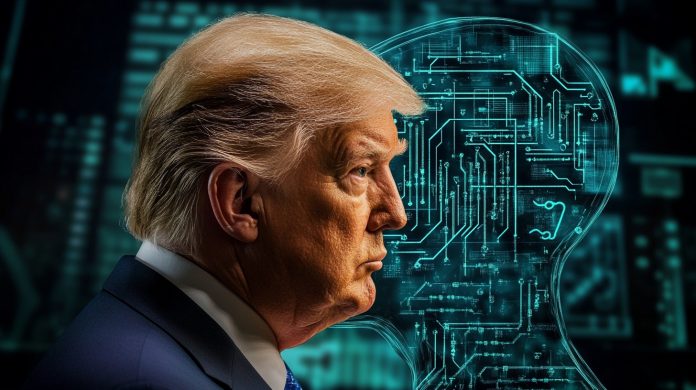
AI Action Day: Trump’s AI Agenda Gains Momentum with Executive Orders, Action Plan, and High-Stakes Industry Summit

0

President Donald Trump is intensifying his drive to make the United States the global leader in artificial intelligence, setting the stage for a sweeping policy rollout aimed at accelerating the deployment of AI infrastructure, slashing regulatory hurdles, and rallying private investment.

In January, Trump ordered his administration to produce a national AI Action Plan, declaring his intent to make “America the world capital in artificial intelligence.” The final version of that plan is due on July 23, and the White House is reportedly considering designating the date as “AI Action Day” to draw national attention and underscore the administration’s commitment to expanding the AI industry.

The upcoming report, expected to carry input from the National Security Council and other federal agencies, is being positioned as the strategic blueprint for both federal coordination and private sector engagement in the AI economy. Trump’s broader goal is to dismantle what he views as bureaucratic and ideological constraints imposed during previous administrations, replacing them with fast-track policies to boost innovation, infrastructure, and competitiveness.

Executive Orders to Power AI’s Growth

According to policy details obtained by Reuters, Trump is preparing a series of executive actions designed to eliminate key bottlenecks in the energy and permitting systems that support AI infrastructure. Among the proposals are:

  • A nationwide Clean Water Act permit that would simplify environmental clearances for AI-related construction projects such as data centers and power facilities.
  • The prioritization of transmission projects that are already “shovel-ready,” particularly those critical to AI infrastructure.
  • Use of federal land overseen by the Departments of Defense and Interior for rapid deployment of AI-supporting assets.

The executive orders, expected in the coming weeks, align with internal White House assessments that America’s grid and permitting system are woefully unprepared for the energy needs of the AI economy. Trump aides say that current regulatory barriers “risk surrendering the AI future to foreign rivals like China.”

AI and Energy Summit: Trump to Rally Support in Pennsylvania

As part of the administration’s AI offensive, President Trump is scheduled to headline an AI and energy summit on July 15 at Carnegie Mellon University in Pittsburgh, Pennsylvania, hosted by Senator Dave McCormick. The event is expected to bring together leaders across AI, energy, and industry, including OpenAI CEO Sam Altman, Meta’s Mark Zuckerberg, Microsoft’s Satya Nadella, Alphabet’s Sundar Pichai, and other tech and infrastructure executives.

The summit will focus on the interdependence of artificial intelligence and energy infrastructure, as well as the policies needed to accelerate data center growth and digital innovation. McCormick’s team has confirmed that the summit is not just a symbolic gathering but a prelude to coordinated state-federal action on AI.

The timing coincides with a major corporate investment in the state. Earlier this month, Amazon announced a $20 billion investment to build data centers in two Pennsylvania counties, underscoring the region’s strategic importance as an energy-AI hub.

The AI Action Plan

The AI Action Plan due on July 23 will likely serve as a roadmap for the next decade of U.S. AI policy. According to reporting by Reuters and Axios, the plan will:

  • Emphasize AI’s role in national security and global competitiveness.
  • Prioritize permitting reform and public-private partnerships.
  • Outline training and workforce adaptation strategies for the age of digital labor.

The Office of Science and Technology Policy, alongside the National Security Council, is expected to lead the coordination of the plan, supported by senior administration officials and a new industry advisory council.

Trump’s January executive order, EO 14179, reversed many elements of the Biden administration’s more cautious AI approach. The order emphasized deregulation, free-market competition, and the need to prevent “ideological bias” in federally funded AI systems.

The Scale of AI’s Future—and Its Stakes

In recent remarks, Trump officials have warned that AI will soon become the largest driver of electricity demand in the country, outpacing electric vehicles and industrial growth. Some estimates project that AI-driven energy usage could double U.S. power demand within the next five years, especially with the rise of generative models and autonomous systems.

The administration believes this presents both a risk and an opportunity: unless grid and permitting challenges are resolved, the U.S. risks falling behind countries like China that are aggressively funding national AI systems.

With the July 15 summit and the July 23 report on the horizon, Trump is aligning political, financial, and institutional forces behind an AI-first strategy. Aides say the administration sees AI not just as a technology category but as a pillar of 21st-century geopolitical power.

It is not clear whether Congress will support these efforts, especially as lawmakers begin reviewing the forthcoming AI Action Plan. However, with major companies like Amazon, Microsoft, and Oracle expanding their AI footprints and backing state-level infrastructure investments, Trump’s strategy is quickly moving from policy outline to industrial reality.

In essence, the U.S. is now preparing for an AI race powered by silicon, steel, and deregulation—and Trump wants to be the one driving the charge from Washington.
Implications of U.S. Q1 2025 GDP Miss and High Odds of Rate Cuts

0

The U.S. Q1 2025 GDP contracted at an annualized rate of 0.5%, below the expected -0.2% and a sharp decline from Q4 2024’s 2.4% growth, driven by a surge in imports and reduced government spending. This marks the first negative GDP reading since Q1 2022, raising concerns about economic slowdown and potential recession risks, though analysts note a single quarter of contraction doesn’t confirm a recession.

The reported 94% odds of Federal Reserve rate cuts by September 2025 align with market sentiment reflected in fed funds futures, which have priced in a high probability of easing due to weaker growth and rising inflation pressures (core PCE at 3.5% vs. 3.2% expected). Posts on X and economic forecasts suggest tariffs and policy uncertainty are fueling stagflation risks, prompting expectations of one or two 25-basis-point cuts by year-end, with some analysts eyeing July as a possible start. However, the Fed may delay cuts if inflation remains elevated, as tariffs could push prices higher.

A negative GDP print, the first since Q1 2022, signals potential economic weakness. While one quarter of contraction doesn’t confirm a recession (typically requiring two consecutive quarters), it heightens concerns, especially with slowing consumer spending (down to 1.8% growth from 3.1% in Q4 2024) and reduced government expenditure. Imports surged (contributing to the GDP decline), reflecting trade imbalances possibly exacerbated by tariff expectations, which could further dampen growth if sustained.

The 94% odds of rate cuts by September (likely one or two 25-basis-point reductions) stem from fed funds futures reflecting market bets on monetary easing to counter slowdown risks. Some X posts suggest markets are eyeing July for a potential cut if Q2 data weakens further. However, persistent inflation (core PCE at 3.5% vs. 3.2% expected) and potential tariff-driven price increases create a stagflation risk, complicating the Fed’s decision. Cutting rates too soon could fuel inflation, while delaying cuts risks deeper economic contraction.

Weaker GDP growth typically pressures stock markets, particularly growth-sensitive sectors like technology and consumer discretionary. X posts highlight mixed sentiment, with some investors betting on defensive sectors (e.g., utilities, healthcare) as growth slows. Treasury yields may decline as rate cut expectations rise, with the 10-year yield already softening post-GDP release (check Bloomberg or Reuters for real-time data). However, tariff-driven inflation could push yields higher if price pressures intensify.

A dovish Fed outlook weakens the USD, though tariff policies could bolster it by increasing import costs. FX markets are volatile, per recent X discussions. Proposed tariffs (e.g., 10-20% on imports) under discussion in policy circles could raise costs, further slowing growth while pushing inflation higher. X posts reflect fears that tariffs could negate rate cut benefits, creating a stagflationary environment.

Business investment, already soft (contributing to the GDP miss), may remain subdued amid uncertainty over trade policies and Fed actions. Some economists and investors argue that rate cuts will stimulate growth, particularly in housing and consumer spending, preventing a full recession. They point to strong labor markets (unemployment at 4.1% in recent data) and resilient corporate earnings as buffers. X posts from this camp emphasize the Fed’s ability to “soft land” the economy.

Others warn that rate cuts may be ineffective or premature given sticky inflation and tariff risks. They argue that easing could weaken the USD and fuel price pressures, especially if supply chain disruptions worsen. X discussions highlight fears of 1970s-style stagflation, with some users citing rising commodity prices (e.g., oil, metals) as warning signs. Some investors see rate cuts as a catalyst for equity rallies, particularly in rate-sensitive sectors like real estate and small caps. They argue that the GDP miss is a one-off, driven by temporary factors like import surges.

Others predict prolonged market volatility, pointing to declining consumer confidence (e.g., Conference Board index at 66.8, below expectations) and tariff uncertainty. Bears on X argue that valuations remain stretched, and a recession could trigger a deeper correction. Some policymakers and X users support tariffs to boost domestic manufacturing and reduce trade deficits, arguing that short-term pain (higher prices, slower growth) is worth long-term gains.

Others, including economists and business leaders, warn that tariffs will raise costs, hurt consumers, and exacerbate the GDP slowdown. X posts from this group emphasize global trade retaliation risks, citing Canada and EU responses to past U.S. tariffs.

Nigeria’s Banking Sector Sustained Upward Trajectory in 2024, Bolstered by Technological Advancements

0

Nigeria’s banking sector continued to grow in 2024, driven by the rapid adoption of digital technologies like mobile banking, fintech innovations, and AI-driven services, which enhanced efficiency and customer experience.

According to “The State of Enterprise 2025 Report” by EnterpriseNGR, which provides an in-depth analysis of Nigeria’s Financial and Professional Services (FPS) Sector, collectively, financial institutions, including banks, accounted for 5.8% of Nigeria’s GDP, climbing 30.9% year-on-year to ?4.58 trillion.

Deposit Money Banks (DMBs) significantly scaled their asset base by 39.6% to ?170.02 trillion, equivalent to 63.1% of nominal GDP. Financial and insurance activities, which include banks and other financial institutions, were the primary contributor to corporate income tax (?570.91 billion as at Q3, projected to

reach ?825.92 billion for full year) and the fifth largest contributor to VAT (?223.69 billion as at Q3, projected to reach N409.98 billion for full year), underscoring their fiscal relevance.

Rapid digitalisation and technology-driven service delivery models continue to redefine banking access and efficiency. This transformation has changed how banks interact with customers, accelerated innovation, and the launch of new banking products.

It has also enabled significant internal banking process automation, leveraging new technologies, facilitated data-driven sales, improved customer experience, and enhanced flexibility in the provision of

banking services. For Nigerian banks, key impacts have been the migration of customers to digital channels without extensive marketing investments and a significant upsurge in customer-initiated electronic transactions.

The inability of customers to move around and access these products and services physically due to the restriction on movement forced the drive to seek alternative ways of accessing financial products and services.

In April this year, reports revealed that Nigeria’s top banks ramped up their investments in technology infrastructure in 2024, collectively spending N518.5 billion to modernize their operations. This marks a 109% increase compared to the N248 billion they spent in 2023, according to the audited financial statements of eight banks.

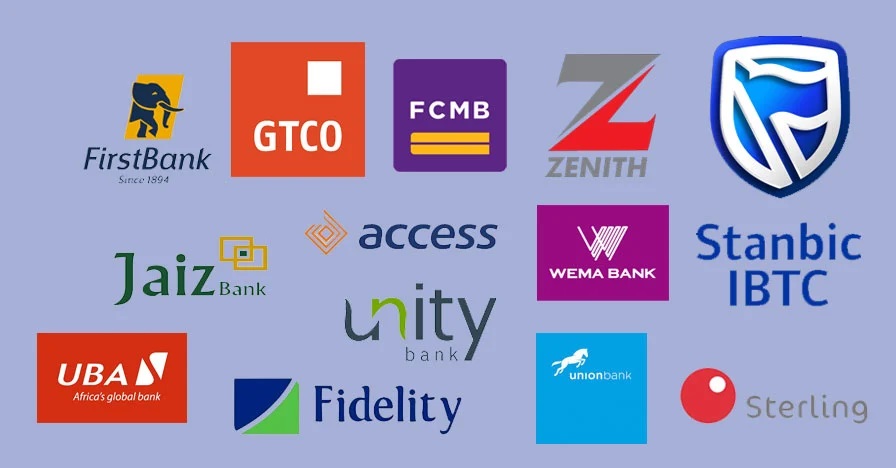
Below is an overview of notable Nigerian banks and their adoption of digital technologies:

Sterling Bank

Sterling Bank has embraced fintech innovations through its digital platform, OneBank, which combines banking, payments, and lifestyle services in a single app. OneBank offers features like instant transfers, bill payments, and investment options, targeting younger, digital-native customers.

Also, Sterling Bank has been active in the fintech space, partnering with startups to provide solutions like digital lending and payment gateways, enhancing its competitiveness.

Access Bank

Access Bank has focused on digital transformation through its AccessMore app, which integrates AI-driven personalization and advanced security features like biometric authentication.

The AccessMore app allows customers to perform transactions, access loans, and manage investments, contributing to the bank’s goal of reaching underserved populations.

GTBank

GTbank has been recognized for its innovative digital platforms, including its mobile banking app, GTWorld, which offers a user-friendly interface for transactions, savings, and investments.

GTWorld supports features like cardless withdrawals, instant account opening, and digital lending, making it a popular choice among tech-savvy Nigerians.

Zenith Bank

Zenith Bank has invested heavily in digital infrastructure, including AI and machine learning for fraud detection and customer service. The bank has also adopted blockchain technology to enhance transaction security and transparency.

Zenith’s mobile app provides robust features like instant loan access, investment options, and real-time transaction monitoring, contributing to its strong digital banking presence.

Several other Nigerian banks, such as Fidelity Bank, Ecobank, and Wema Bank, have also adopted digital technologies, including mobile banking apps and fintech partnerships, to enhance service delivery. For instance, Wema Bank’s ALAT platform is one of Nigeria’s first fully digital banking platforms, offering online account opening and digital loans.

Notably, the wave of tech investment comes as traditional banks face heightened pressure from agile fintech competitors like OPay, PalmPay, and Moniepoint.

Looking Ahead

From sweeping core banking software upgrades to rolling out AI-powered platforms and improving mobile apps, the surge in adoption of technology and increased spending by traditional Nigerian banks, reflects a strategic shift.

This shows that digital banking is no longer a feature, it’s the backbone of financial services.

London Tribunal Rules Visa and Mastercard’s Interchange Fees Breach EU Competition Law

0

A London tribunal has ruled that Visa and Mastercard’s multilateral interchange fees violate European competition law, delivering a major blow to the global payment giants and a significant win for hundreds of merchants who brought legal action over what they called excessive charges.

The Competition Appeal Tribunal (CAT) delivered the unanimous ruling on Friday in the latest chapter of a long-running legal battle over the fees that merchants are charged whenever customers pay using credit or debit cards.

The case was brought by a coalition of retailers represented by law firm Scott+Scott, which argued that the card networks colluded in setting anti-competitive “default” interchange fees—charges that merchants pay to the cardholder’s bank with every transaction.

“This is a significant win for all merchants who have been paying excessive interchange fees to Visa and Mastercard,” said David Scott, global managing partner of Scott+Scott, in a statement following the ruling.

Companies Push Back, Vow to Appeal

Both Visa and Mastercard swiftly signaled their intention to challenge the verdict.

A Visa spokesperson defended the company’s practices, saying: “Visa continues to believe that interchange is a critical component to maintaining a secure digital payments ecosystem that benefits all parties, including consumers, merchants and banks.”

Meanwhile, Mastercard dismissed the decision as “deeply flawed.”

“Mastercard strongly disagrees with today’s decision… and will seek permission to appeal,” a company spokesperson said.

The ruling specifically targets the multilateral interchange fees (MIFs) applied to both commercial card transactions and inter-regional payments—which have historically been defended by the card giants as necessary for balancing interests within the payment system.

However, the CAT found that the fees were not individually negotiated and instead set by the card schemes at default rates—restricting competition and forcing merchants to absorb higher transaction costs.

Friday’s decision is especially significant because it is the first time a court has ruled that Visa and Mastercard’s commercial and inter-regional interchange fees breach competition rules, according to Scott+Scott. The ruling adds new pressure on the companies, who have faced similar antitrust scrutiny in the European Union, United States, and other jurisdictions for more than a decade.

At the heart of the dispute is the role of interchange fees, which typically range from 0.2% to 0.3% of the transaction value in many regions, but can be higher for certain card types or cross-border payments.

The European Commission had previously ruled that such fees were anti-competitive, prompting regulatory caps in the EU in 2015. However, the UK ruling focuses on historical fees and commercial cards, which have often been exempt from such regulatory caps, especially in inter-regional transactions involving non-European banks.

Legal Victory with Geopolitical Implications

Although rooted in antitrust, the ruling carries broader geopolitical weight. It comes amid escalating trade tensions between the EU and the United States, driven by President Trump’s imposition of blanket 20% tariffs on key European exports. In April, EU Commission President Ursula von der Leyen warned that if the bloc failed to negotiate its way out of the tariffs, “all options are on the table,” including targeting U.S. Big Tech firms.

Brussels’ growing frustration with what it sees as U.S. protectionism has translated into sharper scrutiny of large American companies operating in Europe. The decision against Visa and Mastercard—both headquartered in the U.S.—is already being viewed by some analysts as part of a wider regulatory push by Europe to balance trade imbalances through enforcement actions.

The MIF ruling adds to a series of high-profile enforcement actions by the EU against U.S. tech giants in recent years.

While Friday’s ruling determines liability, a second trial is still pending to decide whether any overcharges were passed on by merchants to consumers—an issue that could influence potential damages or settlement amounts. This second phase is critical, as it will determine how much compensation, if any, the retailers are entitled to.

Given Visa and Mastercard’s plans to appeal, the case is unlikely to conclude anytime soon. But the decision marks a milestone in what could become one of the most consequential legal fights over interchange fees in the UK—and potentially across other jurisdictions eyeing similar actions.

If the ruling is upheld on appeal, Visa and Mastercard could face massive financial liabilities and renewed pressure to overhaul their fee structures in both commercial and cross-border markets.

Toncoin Gains Listings, But Lightchain AI Gains Momentum With Practical Tools for On-Chain AI

0

Toncoin continues to draw attention with new exchange listings, expanding its presence in the market. Meanwhile, Lightchain AI is gaining traction by providing real-world applications for on-chain AI, going beyond the hype to deliver tangible value. After successfully completing all 15 presale stages, Lightchain AI has entered its Bonus Round with a fixed price of $0.007, raising $21.2 million from buyers focused on cutting-edge innovation.

With a fully functional AI-native Virtual Machine, transparent governance, and developer incentives, Lightchain AI is driving scalable, intelligent blockchain applications and establishing itself as a frontrunner in decentralized AI solutions.

Toncoin Expands Visibility, But Utility Remains Limited

Toncoin has significantly expanded its visibility, riding gains from new listings on major exchanges, deeper integration into Telegram, and a spike in daily transactions. Yet, its practical utility remains constrained.

Despite being the native token and gas for The Open Network, its DeFi ecosystem is modest—TVL has declined from an all?time high of $1.145?billion in July?2024 to around $646?million today, with active dApp development still lagging.

User feedback also highlights performance drawbacks, with confirmation times of 1–2 minutes seen as slower compared to peers. Visibility is up, but everyday use cases and developer momentum are yet to catch up.

Lightchain AI’s Momentum- Practical Tools for On-Chain AI

Lightchain AI’s momentum is driven by its practical tools designed specifically for on-chain AI innovation. Central to its ecosystem is a Transparent AI Framework that ensures all AI computations are auditable and trustworthy, fostering community confidence.

Governance Integration empowers token holders through on-chain voting, allowing decentralized, transparent decision-making on protocol updates and system improvements. Developer accessibility is prioritized with a robust Developer Portal offering APIs, SDKs, and sandbox environments that simplify building and testing decentralized AI applications.

This inclusive approach combines cutting-edge AI capabilities with democratic governance, enabling developers and the community to collaboratively shape Lightchain AI’s future while ensuring scalable, secure, and efficient on-chain AI operations.

Grab Your Lightchain AI Tokens Now!

The future is here, and it’s powered by Lightchain AI tokens. Be part of a groundbreaking movement that’s redefining innovation, transparency, and efficiency in a decentralized world.

Early adopters get rewarded, loyal supporters drive growth, and every token helps scale a smarter, AI-driven tomorrow. With gas-optimized transactions and a strategic token system, Lightchain AI isn’t just a project—it’s a revolution.

Don’t wait—secure your tokens today and take the first step into a future you’ll help shape!

https://lightchain.ai

https://lightchain.ai/lightchain-whitepaper.pdf

https://x.com/LightchainAI

https://t.me/LightchainProtocol