

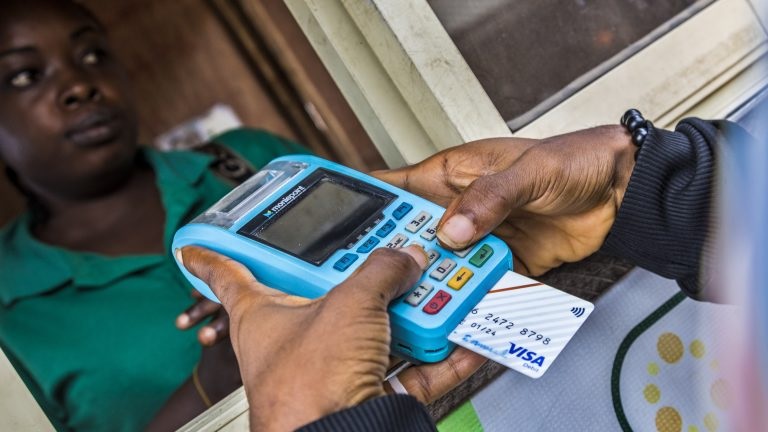
Nigeria, Africa’s largest economy, is undergoing a significant digital transformation, with its payment ecosystem playing a central role. Over the past decade, the country’s fintech landscape has grown from a handful of startups into one of Africa’s most vibrant innovation ecosystems.
As the West African country witnesses the rise of fintech companies, greater smartphone penetration, and a young, tech-savvy population, digital payments are becoming more mainstream.
In 2024, Fintech transactions in Nigeria experienced a massive surge, with the sector processing N1.08 quadrillion ($660 billion – $1 trillion+ USD depending on exchange rate fluctuations), marking a 79% year-on-year increase.
Register for Tekedia Mini-MBA edition 20 (June 8 – Sept 5, 2026).
Register for Tekedia AI in Business Masterclass.
Join Tekedia Capital Syndicate and co-invest in great global startups.
Register for Tekedia AI Lab.
The sector, now considered systemic to the Nigerian economy, has firmly established the country as a leader in African digital payments, with over 11 billion instant transactions processed in 2024.
Stakeholders have expressed broad confidence in the resilience of Nigeria’s core payments infrastructure, but recent assessments reveal notable stress points, particularly during peak transaction periods.
In a recent CBN fintech report titled “Shaping the Future of Fintech in Nigeria: Innovation, Inclusion and Integrity”, stakeholders’ reviews on the nation’s fintech growth were evenly split between very resilient and generally resilient, underscoring cautious optimism rather than unqualified confidence. While the underlying systems are seen as stable, transaction settlement limits and infrastructure constraints were highlighted as areas requiring urgent review.

Fintechs Strain During Peak Period
Transaction surges in Nigeria, particularly during peak periods like the 2023 Naira scarcity and routine festive seasons, have systematically exposed vulnerabilities in the country’s payment rails. These surges often overwhelm fintech infrastructures, leading to failed transactions, delayed reversals, and a massive shift in trust toward agile fintech solutions.
The challenges become most visible during periods of intense activity. In the CBN report, the holiday season, popularly referred to as “Detty December,” was repeatedly cited as a real-world stress for Nigeria’s digital payments ecosystem. During this period, digital payment volumes surge sharply across PoS transactions, interbank transfers, and diaspora remittances.
Fintech companies reported that these spikes often translate into increased downtime, delayed settlements, and service interruptions, with the impact most severe on weekends and public holidays. For fintechs operating on thin margins and real-time customer expectations, these disruptions pose reputational and operational risks, even when the root causes lie upstream within shared infrastructure or coordination gaps.

This seasonal strain reflects a convergence of factors: heightened discretionary spending, travel-related remittances, and year-end salary disbursements all compound demand on payment rails. As digital channels increasingly replace cash, peak periods expose not just technical limitations, but also the limits of coordination between regulators, banks, switches, and payment service providers (PSPs).
Beyond capacity, participants emphasized that visibility and communication are critical weaknesses. Users often experience failed or delayed transactions without clear explanations, eroding trust in digital payment systems. Fintechs, positioned closest to the end-user, frequently bear the brunt of customer frustration despite having limited control over systemic bottlenecks.
To address this, stakeholders proposed solutions such as real-time transaction status dashboards, predefined surge-response protocols for high-volume periods, and improved data-sharing arrangements between the Central Bank of Nigeria (CBN), NIBSS, banks, and fintech operators.
Other suggestions included pre-scheduled maintenance blackouts, temporary adjustments to settlement thresholds during peak seasons, and real-time service performance dashboards to enhance transparency.
Outlook
The recurring pressures observed during peak periods have reinforced the need for a shift from baseline resilience to peak-readiness. As Nigeria’s digital economy deepens and fintech adoption accelerates, seasonal spikes will no longer be exceptions; they will become predictable patterns.
Looking ahead, strengthening payments infrastructure will require proactive planning, dynamic policy frameworks, and tighter institutional coordination. For fintechs, the outlook hinges on whether systemic stakeholders can move beyond reactive fixes to anticipatory governance. If addressed effectively, peak-period stress tests like “Detty December” could become catalysts for a more robust, transparent, and trusted digital payments ecosystem in Nigeria.