

Precious metals staged a strong rebound after recent sharp volatility and pullbacks. Gold recovered impressively, climbing back toward and reclaiming the $5,000 per ounce level in trading.
Spot gold prices hovered around $5,050–$5,060 per ounce during the day, with futures (e.g., April contracts) pushing as high as approximately $5,071–$5,078 in some reports.
This marks a solid gain of roughly 2–3% from the previous close around $4,935, finishing the session just under the $5,100 mark in many quotes but firmly above $5,000—aligning with the “just under $5K” rebound description if viewing certain intraday or settlement figures, though live spots often traded slightly above in the recovery.
The move came amid renewed safe-haven demand, easing U.S. dollar pressure, ongoing geopolitical tensions including U.S.-Iran flare-ups, and reassessment of Fed policy directions following recent nominations and economic data.
Register for Tekedia Mini-MBA edition 20 (June 8 – Sept 5, 2026).
Register for Tekedia AI in Business Masterclass.
Join Tekedia Capital Syndicate and co-invest in great global startups.
Register for Tekedia AI Lab.
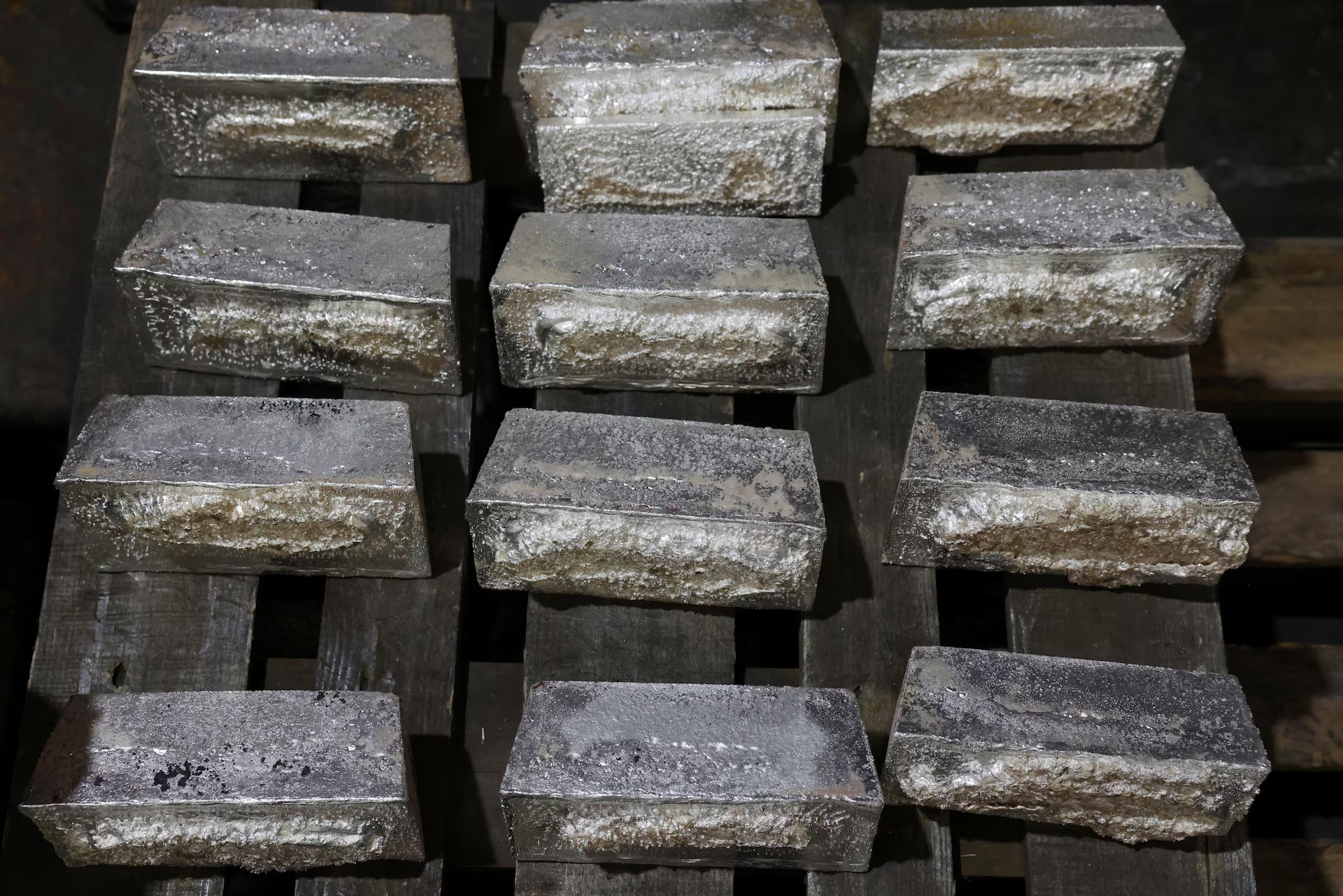
Silver outperformed gold on the day, surging back over $90 per ounce with gains of 5–8% in various reports. Spot silver traded around $89–$92 per ounce e.g., quotes at $90.54, $89.92, up to $91–$92 in some physical/retail contexts, recovering sharply from earlier-week lows after a dramatic selloff.
This rebound reflects silver’s higher volatility and sensitivity to industrial demand, investment flows, and the gold/silver ratio compressing around 55:1 in some updates. Analysts note persistent supply deficits supporting silver longer-term, with some targets eyeing $125 eventually.
Both metals are showing resilience in a “debasement trade” environment, with central bank buying, ETF inflows, and macro uncertainties (fiscal risks, tariffs, inflation hedging) as key drivers. Forecasts remain bullish—e.g., JPMorgan at $6,300 for gold by year-end, others in the $5,400–$6,000+ range—though volatility lingers, and sharp swings could continue.

Platinum has shown solid momentum, aligning with the broader precious metals rebound; gold nearing $5,000 and silver back over $90. Spot platinum prices are trading in the $2,200–$2,300 per ounce range, with various sources reporting: Around $2,228–$2,238 (Kitco bid/ask at mid-morning ET, up modestly ~0.5%).
Higher quotes near $2,256–$2,263; Trading Economics, up 2.15–2.45% intraday. Peaks or asks pushing toward $2,300–$2,306 (JM Bullion and others, reflecting gains of 3–3.75% in some sessions). This marks a recovery from recent dips below $2,000–$2,100 earlier in the week/month, with futures showing similar upside around $2,200–$2,325 intraday highs.
Platinum is up roughly 120–125% year-over-year from early 2025 levels, though it’s pulled back slightly monthly amid volatility.Key market trends and drivers in 2026 so far: Supply constraints remain a core bullish factor.
The World Platinum Investment Council (WPIC) forecasts ongoing market deficits averaging 689 koz per year through 2029 (9% of demand), with South African production (70%+ of global supply) hampered by underinvestment, disruptions, and no major new mines. Inventories are tightening critically.

Industrial demand supports resilience, particularly in autocatalysts (platinum’s largest use), hydrogen fuel cells, and stricter environmental regs. While EV shifts have pressured diesel-related demand historically, hydrogen tech adoption and potential subsidy changes could boost it further.
Some softening in near-term autocatalyst buying due to high prices has occurred, with minor substitution to palladium noted. Investment flows are picking up amid macro uncertainties (geopolitical tensions, fiscal risks, inflation/debasement hedging).
Platinum has lagged gold and silver in relative terms—gold trades at roughly 2x platinum’s price now vs. platinum’s historical premium, suggesting catch-up potential. Analysts see it as undervalued relative to scarcity and multi-sector utility.
Price forecasts vary but lean bullish longer-term: Trading Economics eyes ~$2,172 end-quarter and ~$2,448 in 12 months; others project averages $1,800–$2,000+ for 2026, with highs potentially to $3,000 in optimistic scenarios. WPIC and others highlight structural undersupply persisting.
Compared to gold ($4,900–$5,000+) and silver ($90+), platinum’s gold/platinum ratio remains elevated (gold more expensive), but its outperformance in percentage gains during parts of 2025–2026 (e.g., 120%+ annual) shows volatility and upside sensitivity.
The metal hit all-time highs near $2,924 in January 2026 before corrections.Overall, platinum’s outlook stays positive in this “debasement trade” environment, with tight fundamentals outweighing short-term industrial softness.
Volatility persists—sharp swings are possible—but persistent deficits and hedging demand point to higher levels ahead. If you’re comparing to gold/silver positions or eyeing entries, current levels offer a rebound from recent lows.