

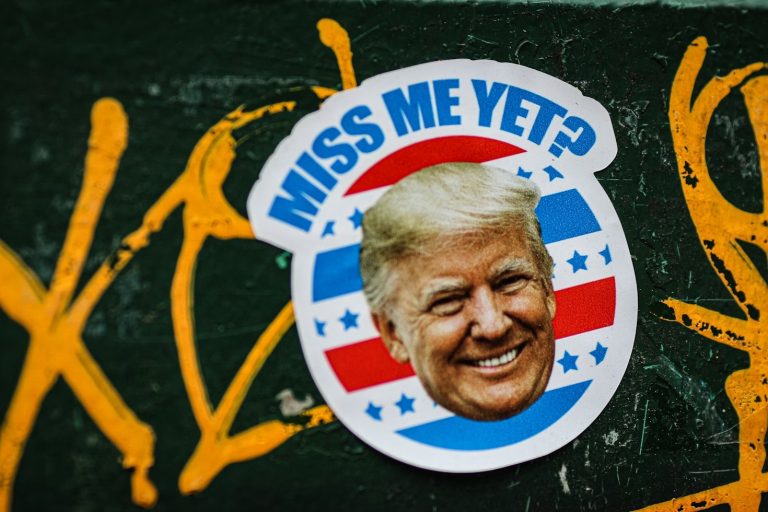
The 2028 presidential election is in full swing, and crypto policies have emerged as a key talking point among various campaigns and political platforms. As Americans evaluate their options, the conversation increasingly focuses on how future leaders might shape the nation’s approach to digital assets. Some candidates echo Trump’s crypto policies of prior administrations, advocating a hands-off approach to innovation, while others lean toward stricter frameworks akin to Biden crypto policies. The underlying tension rests on how best to balance crypto regulations with economic growth and consumer protection. This heightened political attention suggests that crypto policies will factor significantly in the outcome of November’s vote — and beyond.
Key Players and Their Views on Crypto
On the Republican side, traditionalists and moderates debate what are Trump’s crypto policies should Donald Trump return to the political scene, whereas more progressive voices highlight Kamala crypto policies if the Democratic ticket secures another term. Even within single parties, stances on crypto policies differ drastically — from permissive attitudes to calls for sweeping regulation. When voters ask how to check crypto policies before choosing a candidate, many turn to official campaign websites or consult third-party trackers that summarize each politician’s statements. Understanding these varied viewpoints is crucial for investors, entrepreneurs, and everyday citizens wondering which policy framework will best serve the fast-growing digital economy.
The Role of AML and Accounting in Shaping Policy
Debates over crypto AML policy (Anti-Money Laundering) have heightened amid concerns about illicit fund flows through crypto exchanges. Politicians referencing Trump’s crypto policies often argue that a robust AML framework helps maintain America’s edge in fighting financial crime. Meanwhile, crypto accounting policy sparks discussions about tax obligations and how transactions should be reported. These issues came to a head during the last administration, which navigated between fostering innovation and keeping track of digital asset transactions. Today, analysts see the synergy of crypto AML policy and crypto accounting policy as essential components of comprehensive crypto policies that can withstand the scrutiny of regulators and global partners alike.
China’s Policy and the Global Context
While American politicians wrangle over crypto policies, it’s impossible to ignore China’s policy on cryptocurrency and its ripple effects worldwide. China’s restrictive stance has contributed to miners and startups relocating elsewhere, shaping the geography of crypto development. As campaigns shift focus to foreign policy, the success or failure of China’s approach can influence proposals on crypto policies at home. Additionally, advocates for a freer market highlight how overregulation could mirror China’s clampdowns, stifling domestic blockchain innovations. This tension underscores why many observers want balanced bitcoin monetary policy in the U.S., ensuring global competitiveness without sacrificing the core advantages of decentralized finance.
Monetary Policy: From Bitcoin to Ethereum
The 2028 election is also spotlighting crypto monetary policy, which covers decisions on token supply, interest mechanisms, and potential pegging strategies. While Bitcoin monetary policy is largely decentralized — predetermined halving events that control the emission rate — other platforms like Ethereum monetary policy evolve with community consensus. Consequently, crypto policies proposed by candidates often hinge on whether they view digital assets as akin to fiat currencies or more like commodities. Legislators who misunderstand these differences risk pushing laws that hamper U.S. leadership in cutting-edge fields like decentralized applications, NFTs, or Layer 2 protocols.
Trading Frameworks and Tax Considerations

A related concern is the formulation of a coherent crypto trading policy. How transactions are regulated can drastically affect liquidity, market sentiment, and investor confidence. Additionally, debates around cryptocurrency tax policy continue to surface, with some candidates favoring structured guidelines that bring clarity and others pushing for more lenient treatments to spur growth. Observers note that past Trump crypto policies had notable gaps in specifying tax details, a reality that still resonates today. Whichever administration takes office must craft crypto policies that address these longstanding uncertainties, ensuring both fairness and competitiveness for U.S. markets.
Summits, Strategies, and the Wider Ecosystem
Events like the blockchain policy summit highlight the intersection of private sector innovation and public sector oversight. Technologists and policymakers converge to discuss best practices, forging frameworks that shape crypto trading strategies and beyond. Amid the swirl of conference talks, the policy conversation frequently touches on the crypto policies needed to support compliance while encouraging entrepreneurship. If you’re looking for in-depth coverage of how government actions impact the crypto sector, resources like CoinDesk offer expert news and analysis. Meanwhile, some in the community look to entertainment platforms featuring 777 fun to unwind — revealing how digital tokens serve not just monetary but also recreational roles.
Accounting Nuances and AML Revisited
Beyond grandstanding and speeches, meaningful policy depends on the nitty-gritty details — like whether crypto accounting policy measures sufficiently capture capital gains and potential tax liabilities. Similarly, a cohesive approach to crypto AML policy must balance user privacy with law enforcement needs. As top stablecoins vie for market share, debates expand to stablecoin guidelines — some compare USDT and USDC, referencing insights like the thorough review available in Which Stablecoin is Better to Use in 2025?
Although stablecoins differ from mainstream cryptocurrencies in certain respects, they still fall under the umbrella of evolving crypto policies that aim to ensure consumer protection and global stability.
America’s Crypto Policies Future
Whether you side with progressive voices, moderate centrists, or hold a preference for Trump crypto policies, there’s no denying that the 2028 presidential race places crypto policies front and center. America’s approach will have far-reaching effects, from supply-chain optimization in farmland to global capital flows and cross-border remittances. The question for voters is how — and whether — each candidate can deliver a clear plan that addresses AML, taxation, and accountability, while nurturing the innovation that sets the crypto world apart. In many ways, the debate unfolds as a litmus test for policymakers who must strike a delicate balance: shaping a regulatory environment that fosters growth while safeguarding public interests in an ever-evolving digital landscape. The result could redefine America’s position in the global race for blockchain leadership and shape the crypto policies future for decades to come.