

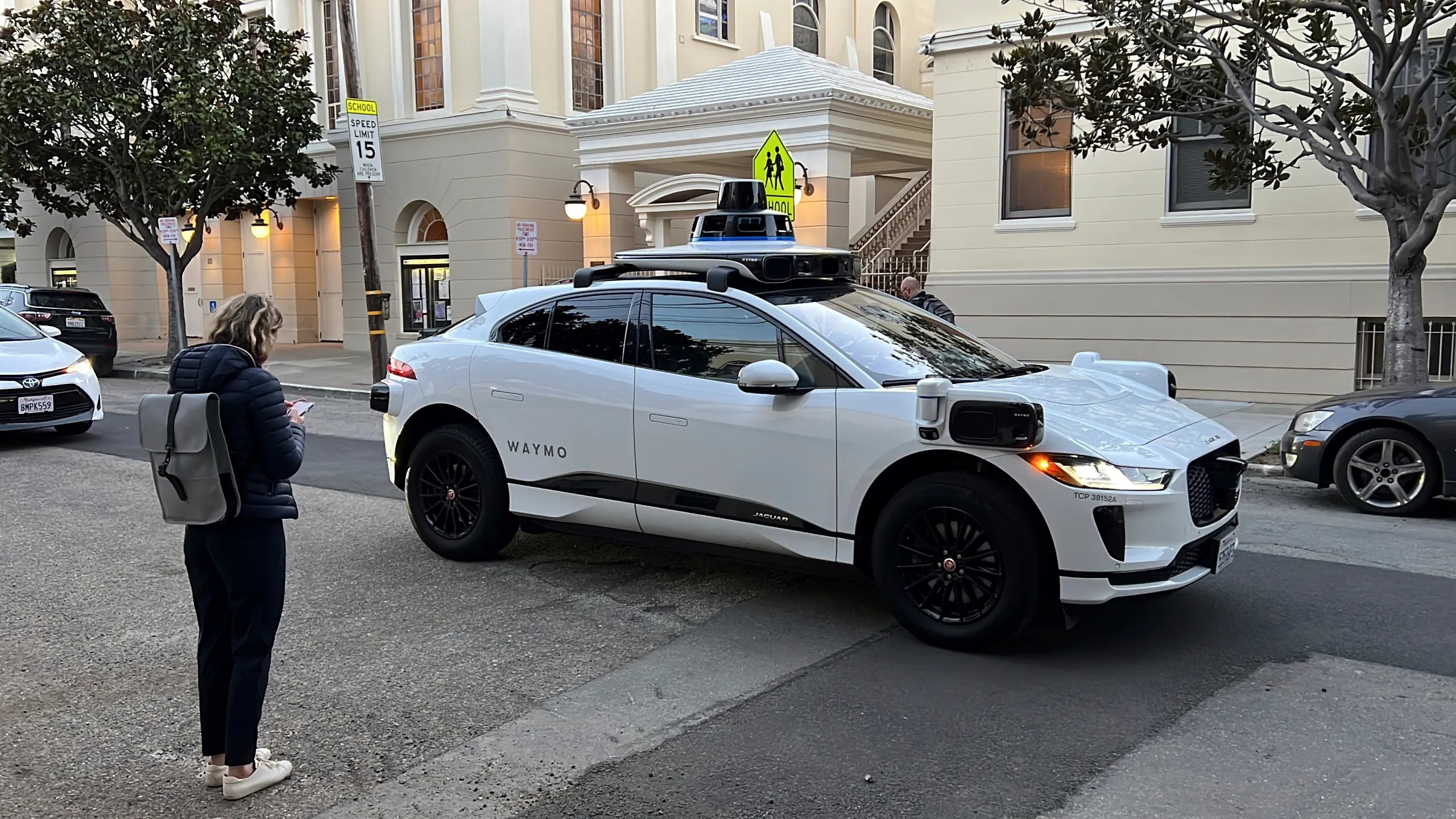
Ride-hailing drivers in San Francisco took to the streets on Friday to protest the growing presence of self-driving Waymo taxis, warning that autonomous vehicles threaten both public safety and the livelihoods of thousands of gig workers, even as history suggests the technological shift they oppose may be difficult to stop.
About two dozen Uber and Lyft drivers, joined by labor advocates, gathered outside the offices of the California Public Utilities Commission (CPUC), calling on state regulators to tighten oversight of autonomous vehicles and slow their expansion on city streets. Their demonstration unfolded as the CPUC met to consider further regulatory steps for robotaxis.
As protesters held signs and addressed the crowd, Waymo vehicles rolled past in steady succession, a quiet but pointed illustration of how embedded the autonomous cars have already become in San Francisco’s traffic flow.
Register for Tekedia Mini-MBA edition 20 (June 8 – Sept 5, 2026).
Register for Tekedia AI in Business Masterclass.
Join Tekedia Capital Syndicate and co-invest in great global startups.
Register for Tekedia AI Lab.
“I personally am not against technology; what I am against is unfair treatment,” said Joseph Augusto, who drives for both Uber and Lyft.
He argued that human drivers are subject to licensing rules, traffic enforcement, and penalties that do not apply in the same way to autonomous vehicles.
“These companies are driving around the city, and they don’t seem to be held to the same standards as us drivers.”

The protest comes after a series of incidents that have fueled unease about the readiness of robotaxis for complex urban environments. Days before Christmas, a mass power outage left multiple Waymo vehicles stalled across San Francisco, blocking intersections and forcing the company to pause service.
Augusto said he saw cars frozen at junctions as pedestrians and drivers maneuvered around them in the dark.
“There were a lot of Waymos around. Just randomly all over the city and there’s no plan,” he said.

Earlier episodes have also drawn attention. In September, a Waymo vehicle made an illegal U-turn in San Bruno, but police could not issue a ticket because there was no human driver. In October, a Waymo struck and killed a neighborhood cat known locally as Kit Kat, an incident that spread widely online and intensified calls for accountability.
The California Gig Workers Union says such events highlight gaps in responsibility and enforcement, arguing that autonomous vehicles should be removed from public roads until safety concerns are fully addressed. The CPUC, which regulates ride-hailing companies and oversees permits for autonomous vehicle services, said it had no comment on the protest.
Waymo defended its operations through a spokesperson, saying the company aims to be “the world’s most trusted driver,” with a focus on safety, accessibility, and sustainability. The Alphabet-owned firm has said its vehicles are involved in fewer serious crashes than human drivers, and it continues to expand service in San Francisco and other U.S. cities.
Beyond safety, Friday’s protest pointed to a deeper economic anxiety. Many drivers see robotaxis as the next wave of disruption to the gig economy, echoing the upheaval that followed the rise of Uber and other ride-hailing platforms more than a decade ago. That earlier shift pushed traditional taxi operators to the margins, reshaping urban transport and work patterns in ways that proved largely irreversible.
Some drivers acknowledge that parallel. While they hope regulators will impose stricter rules or slow deployment, there is a quiet recognition that protests alone are unlikely to reverse the broader trend. As in previous cycles, a new technology-driven model is emerging to displace an existing one, backed by deep capital, political momentum, and promises of efficiency.
So far, San Francisco remains a frontline in that transition. The sight of human drivers rallying outside a regulator’s office as autonomous cars glide past captures a moment of tension between two transport eras. But it may be the beginning of a long standoff, and the outcome is already written.