

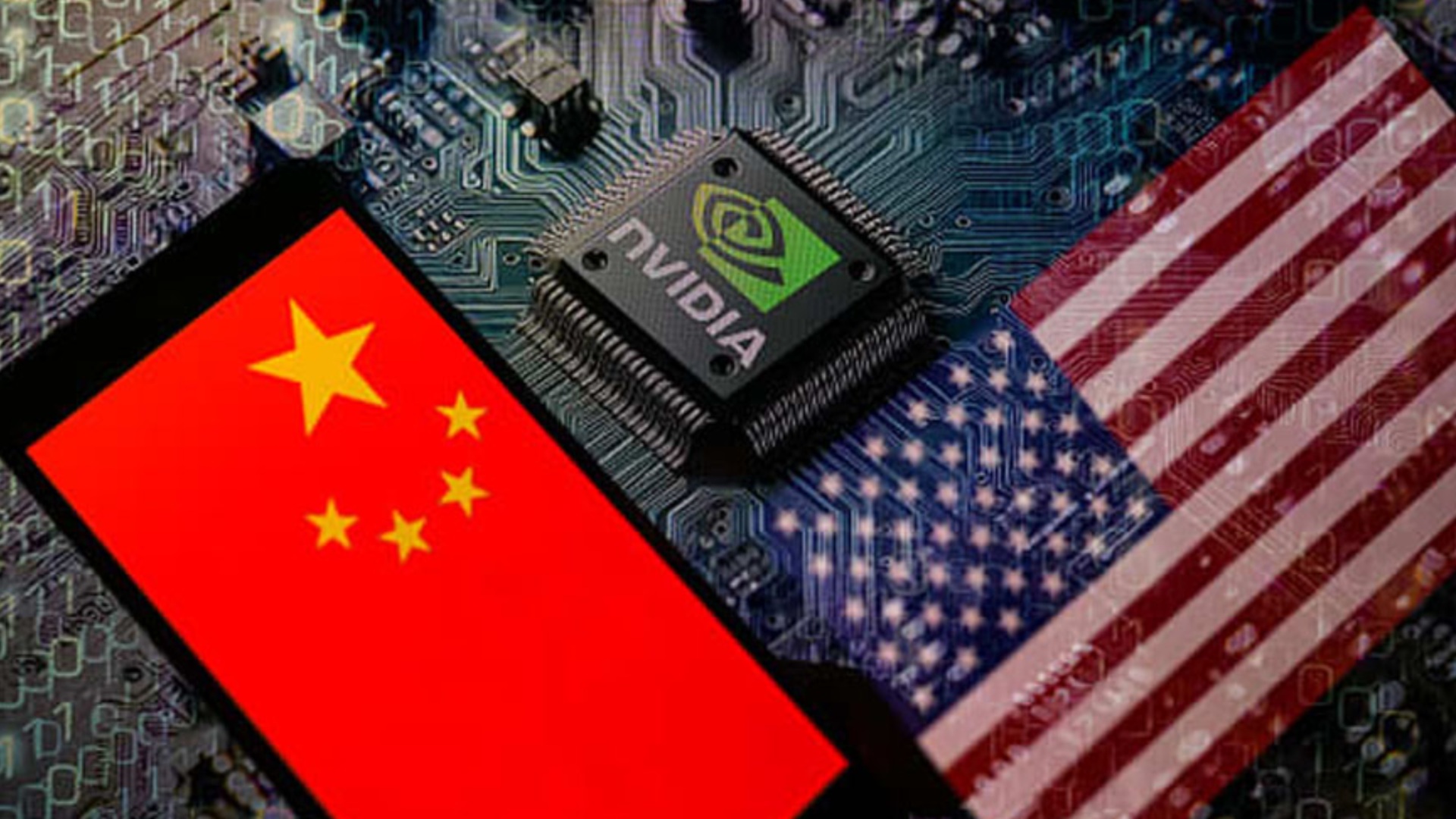
A bipartisan group of U.S. senators is pressing President Donald Trump to strengthen restrictions on China’s access to advanced artificial intelligence (AI) technology, warning that easing limits could erode America’s strategic lead.
The resolution, led by Senators Chris Coons (D-DE) and Tom Cotton (R-AR), comes amid growing concerns that China is closing the AI gap with the United States.
The motion, also cosponsored by Senators Amy Klobuchar (D-MN) and Dave McCormick (R-PA), emphasizes China’s determination to develop frontier AI systems that could challenge U.S. dominance. The senators argue that Beijing’s “inability to make and access computing power is the main impediment to its progress,” urging Washington to maintain tight export controls and keep advanced technology out of Chinese hands.
Register for Tekedia Mini-MBA edition 20 (June 8 – Sept 5, 2026).
Register for Tekedia AI in Business Masterclass.
Join Tekedia Capital Syndicate and co-invest in great global startups.
Register for Tekedia AI Lab.
To preserve U.S. leadership, the resolution calls on the administration to ensure that American companies continue to grant “priority access” to top allies for advanced AI chips, models, and cloud infrastructure—while restricting China and other adversaries.
“We cannot allow China to leap ahead of us and bolster their weapons capabilities, maximize their cyberattacks against American industry, and threaten long-term U.S. economic and national security,” Senator Coons said in a statement. “This bipartisan resolution sets us on a path toward a different future — one in which frontier AI systems are built in the United States by American companies.”
The move comes just days after President Trump appeared to walk back earlier comments suggesting he might allow Nvidia to sell its new Blackwell chip in China. Those remarks drew criticism in Washington, where lawmakers see such sales as undermining national security efforts.

In recent years, the U.S. has imposed sweeping export controls preventing chipmakers like Nvidia and AMD from sending their most advanced processors to China. The measures aim to curtail China’s capacity to train large AI models and power its supercomputing facilities—critical tools in both civilian and military development.
However, Trump’s recent comments about revisiting those restrictions during talks with Chinese President Xi Jinping in Korea sparked unease. Lawmakers say any softening of the rules could accelerate Beijing’s efforts to develop AI-driven weapons systems, cyber tools, and surveillance capabilities.
The debate also reflects tensions within the technology industry. In an interview with The Financial Times this week, Nvidia CEO Jensen Huang said he believes “China is going to win the AI race,” citing the country’s lower energy costs and lighter regulatory environment. Though he later clarified that China remains only “nanoseconds behind America,” his remarks intensified concern among U.S. policymakers about how quickly China is catching up.

That fear deepened earlier this year when Chinese startup DeepSeek released AI models that rivaled Western systems in performance at a fraction of the cost. The launch was seen as evidence that China’s AI ecosystem remains highly adaptive despite U.S. export controls.
To offset concerns about market losses, the Trump administration has reached a compromise with Nvidia and AMD, requiring them to pay a 15 percent commission to the federal government on stripped-down versions of their chips sold to China. The deal allows limited exports of modified products that fall below the threshold of U.S. national security restrictions.
The senators’ resolution now adds political weight to calls for tighter safeguards on U.S. technology, framing AI leadership as a pillar of national defense. Analysts say the proposal is part of a broader effort to formalize a long-term strategy that binds together chip design, manufacturing, and AI research under a coordinated national framework.
Since Trump and Xi met in Korea earlier this week—a meeting described by U.S. officials as “constructive but cautious”—relations have remained tense over technology access and trade. The AI chip dispute has become the latest flashpoint in a broader economic standoff between the world’s two largest economies, whose rivalry increasingly hinges on who controls the computing infrastructure of the future.
As the White House weighs next steps, the bipartisan tone of the Senate resolution signals that Washington’s stance on AI exports to China is unlikely to soften anytime soon.