

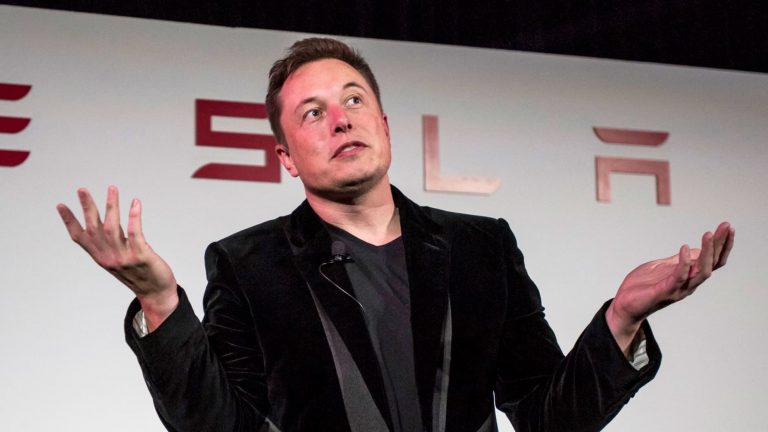
Tesla shareholders have approved a new compensation package for CEO Elon Musk worth up to $1 trillion, marking one of the largest pay deals in corporate history.
The approval came during the company’s general meeting in Austin, Texas, where Tesla said the package passed with over 75% support from shareholders.
“I’d like to give a heartfelt thanks to everyone who supported the shareholder votes,” Musk said at the meeting. “I super appreciate it.”
Register for Tekedia Mini-MBA edition 20 (June 8 – Sept 5, 2026).
Register for Tekedia AI in Business Masterclass.
Join Tekedia Capital Syndicate and co-invest in great global startups.
Register for Tekedia AI Lab.
The latest pay deal, unveiled in early September, grants Musk 12 tranches of stock options linked to aggressive performance targets. The package’s size and structure have raised eyebrows across corporate and financial circles, given its scale and the controversies surrounding Musk’s previous compensation. Tesla’s stock climbed 2% after the vote results were announced.
Before the new plan’s approval, Musk held about a 13% stake in Tesla, having sold shares over the past two years. Despite this, he has long argued that he has not received any direct salary or bonuses from the company in years. His 2018 pay package, worth roughly $50 billion at the time, remains entangled in a Delaware court case, where shareholders argued that Tesla’s board failed to properly disclose critical details of the deal. A Delaware judge sided with the plaintiffs earlier this year, and the case is currently before the Delaware Supreme Court on appeal.
Given that controversy — and the backlash from some major investors over the earlier $50 billion plan — many believe Tesla’s new $1 trillion deal could also trigger fresh legal challenges. Some analysts believe that shareholders who voted against the plan or abstained could pursue new lawsuits, questioning whether the company has adequately addressed the concerns raised in the Delaware case.

This week, Norway’s $1.9 trillion sovereign wealth fund, one of Tesla’s major institutional investors with a 1.2% stake, voted against the new compensation package. The fund cited the “total size of the award, dilution, and lack of mitigation of key person risk” as reasons for its opposition. However, Tesla’s board and other shareholders maintained that the deal was essential to keep Musk focused on Tesla’s growth, especially amid his expanding involvement in ventures like SpaceX, xAI, and X.
Tesla chair Robyn Denholm defended the package, saying it was necessary to retain Musk and ensure he continues to lead Tesla through its ambitious transition into artificial intelligence, robotics, and energy solutions. Musk himself previously warned that he would develop advanced AI and robotics products outside of Tesla if he didn’t secure at least a 20% voting share — a level of control the new package effectively grants him.
Beyond the compensation vote, Tesla shareholders also reelected three directors — Ira Ehrenpreis, Joe Gebbia, and Kathleen Wilson-Thompson — who were up for election this year. They further approved a proposal for Tesla to invest in Musk’s AI startup, xAI, though the company noted a large number of abstentions and said the board would review the decision in more detail.

In a presentation after the meeting, Musk announced that Tesla plans to build a one-million-unit Optimus humanoid robot production line at its Fremont, California, facility and expand to a 10 million-unit line at Giga Texas in Austin. He also confirmed that production of Tesla’s long-awaited Cybercab robotaxi would begin in April 2026, with Miami, Dallas, Phoenix, and Las Vegas among the first test cities for the service.
Musk additionally revealed that the long-delayed new Tesla Roadster will be officially unveiled on April 1, 2026, with production expected to start 12 to 18 months later.
While the new compensation package signals shareholders’ continued confidence in Musk’s leadership, it also rekindles debate over corporate governance and executive pay — particularly given Tesla’s uneven profitability and rising competition in the electric vehicle market. Legal experts suggest that even with majority backing, the unprecedented scale of Musk’s reward is likely to face renewed scrutiny in court.