

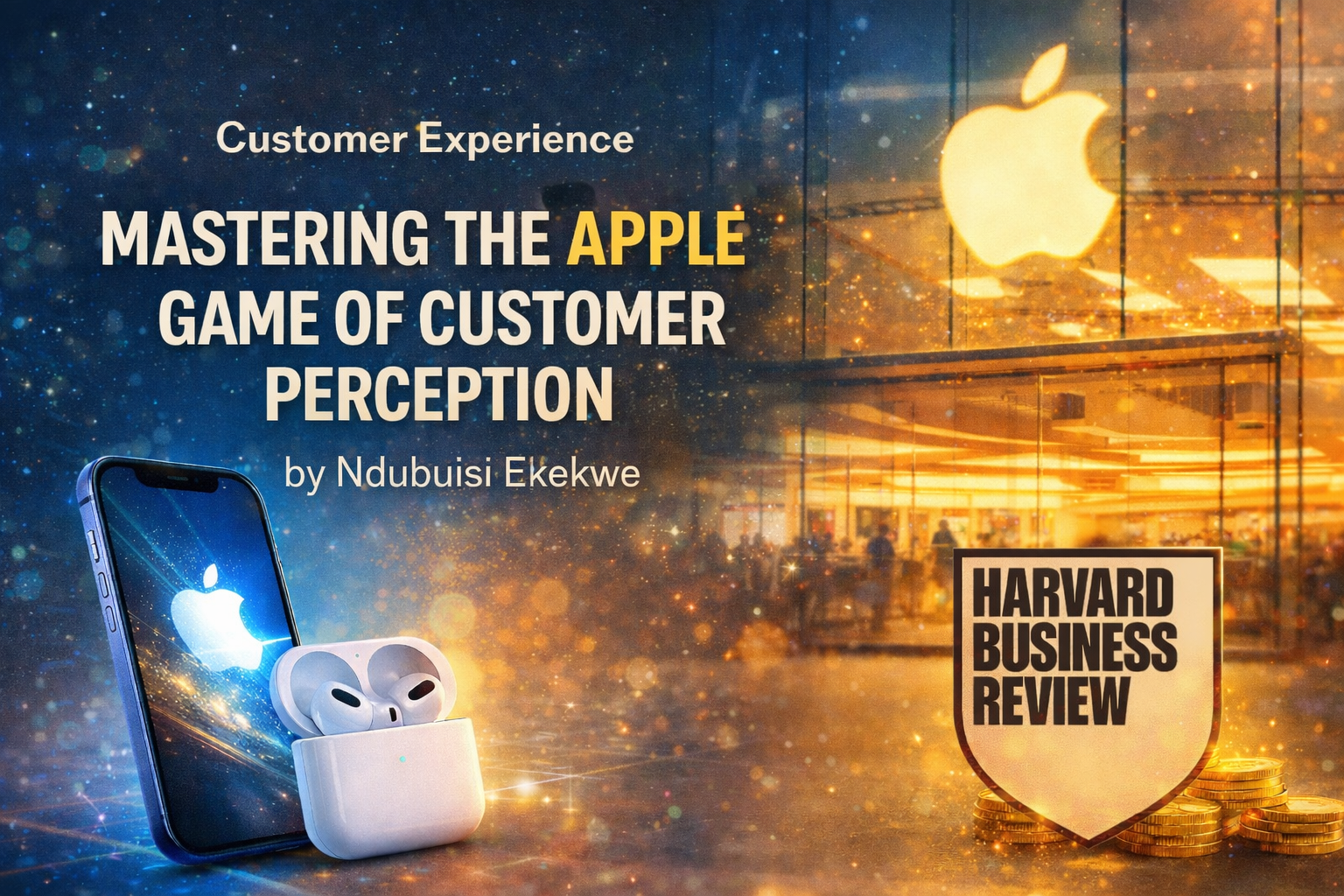
The traditional business philosophy that focuses solely on meeting the needs of customers is fundamentally flawed in the modern economy. While elementary economics suggests that satisfying existing customer needs ensures success, history proves otherwise.
Companies like Kodak, Nokia, and various pioneers of early smartphone devices were deeply committed to meeting the needs of their customers, yet many of these organizations were eventually disrupted or displaced because they failed to evolve beyond those basic requirements. The problem with a singular focus on needs is that it assumes customers are static entities, when in reality, they are living organisms with habits, tastes, and preferences that are constantly changing. Merely meeting a current need often traps a company in the present, leaving it vulnerable to “death by disruption” when the market shifts toward the needs of tomorrow.
To remain competitive and avoid this trap, businesses must move beyond needs and begin pursuing customer expectations. Expectation represents the next level of the customer service pyramid, where a company seeks to stay ahead of the quality, nature, and delivery capacity that a customer anticipates.
Register for Tekedia Mini-MBA edition 20 (June 8 – Sept 5, 2026).
Register for Tekedia AI in Business Masterclass.
Join Tekedia Capital Syndicate and co-invest in great global startups.
Register for Tekedia AI Lab.
For example, if an environmentally conscious customer receives electricity from a coal-powered utility, their basic need for power is being met, but their expectation for sustainable energy is ignored. A company that provides solar energy instead of coal not only satisfies the need for electricity but also fulfills the higher expectation of providing that service from a cleaner, more ethical source. However, even meeting expectations is not the ultimate goal, as competitors will eventually redesign and disrupt those standards as well.
The pinnacle of customer strategy is operating at the level of perception. This involves anticipating and delivering what customers want before they even realize they need it or have the language to ask for it. The introduction of the iPhone serves as a perfect illustration of this concept; before its launch, the public could not imagine such a device was possible, but once they saw it, they recognized it as the product they had been waiting for. Companies that fail to see this “perception gap” often miss monumental opportunities.
For instance, a major wireless carrier was reportedly shown a prototype of the iPhone but did not understand its potential impact or anticipate its market value, allowing Apple to partner with another company and redefine the entire industry.

Another powerful example of perception-based innovation can be found in the evolution of the Nigerian banking sector. Before the advent of integrated banking agnostic of locations, customers were forced to travel back to the specific branch where their account was domiciled to withdraw cash. While customers might not have explicitly asked for cross-branch banking at the time, forward-thinking banks recognized the latent desire for safety and convenience, especially among traders who wanted to avoid carrying large sums of cash across the country. When this integrated service was introduced, it was met with immediate acclaim because it addressed a perceived friction that the customers themselves had not yet articulated.
Ultimately, true market leadership and the ability to become a “category king” depend on a company’s ability to operate at this perceptual level. While needs are basic and expectations are largely imaginary or reactive, perception provides the total differentiation required for real innovation. Strategic success requires building products and services that “wow” the customer by offering solutions they hadn’t even thought possible. By thinking beyond what customers can imagine today and delivering the “future” they haven’t yet asked for, a business can transition from being a mere participant to a dominant force that shapes the entire market landscape.
---
Connect via my
LinkedIn |
Facebook |
X |
TikTok |
Instagram |
YouTube

It is also a function of cash flow and funding pool. A startup that needs revenue quickly may not qualify to pursue perception level product, it might be under waters before its fanbase materializes. In other words, build for today while positioning to dominate tomorrow.