

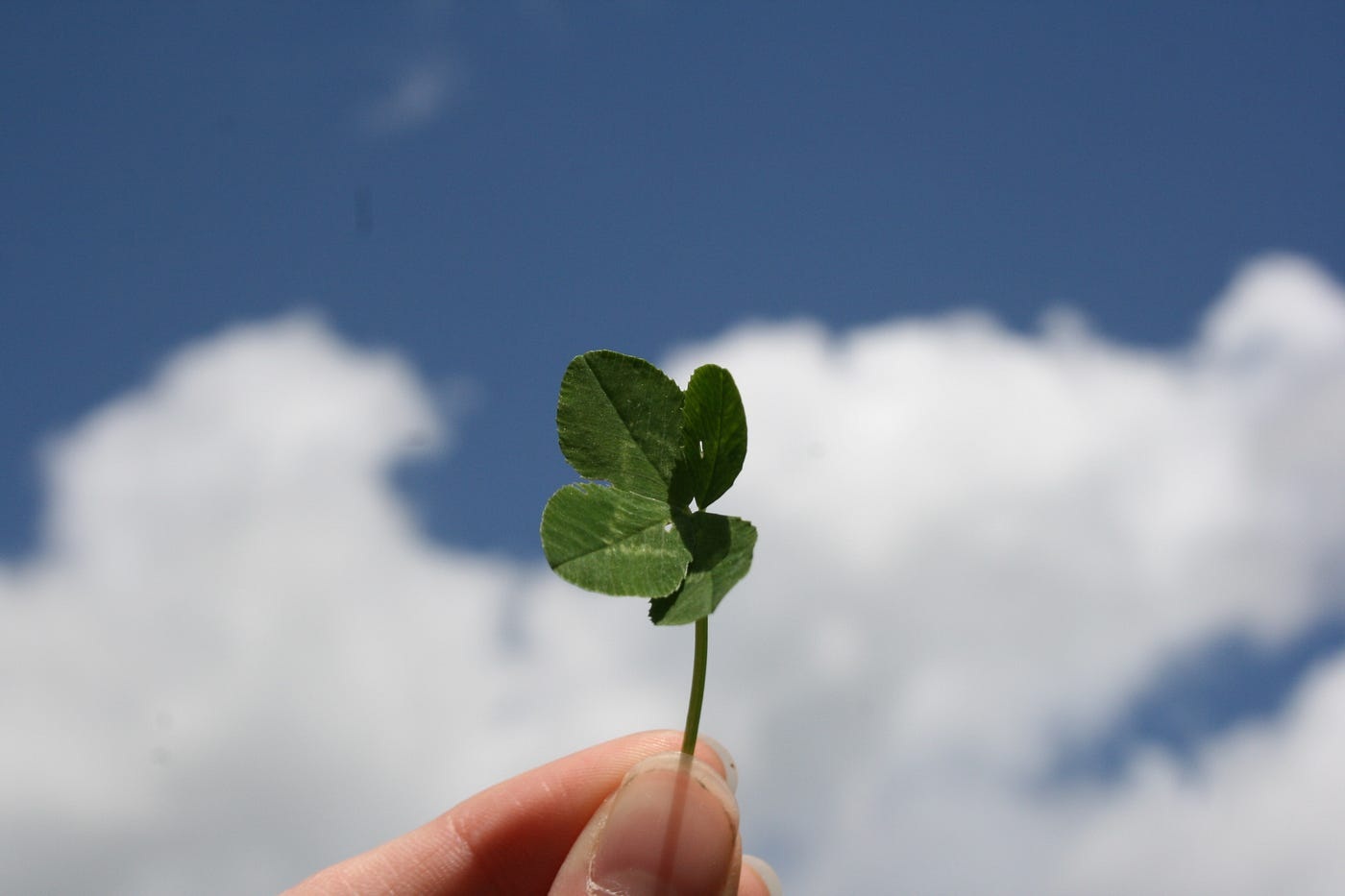
Human beings have relied on charms, rituals, and superstitious behaviors throughout history, across all cultures and societies. While some people might turn to modern forms of entertainment like brusbet for excitement, others find comfort in carrying special objects or performing specific routines before important events.
Lucky charm psychology reveals fascinating insights into how our minds work and why these seemingly irrational behaviors persist despite scientific advancement. Rather than dismissing these practices as mere superstition, researchers have discovered genuine psychological mechanisms that explain why rituals can actually improve performance and well-being.
The Psychological Mechanisms Behind Ritual Behavior
Ritual psychology research has identified several key mechanisms that explain why structured, repetitive behaviors provide genuine psychological benefits. These mechanisms operate independently of any supernatural beliefs, working through observable changes in brain activity, stress hormones, and cognitive performance.
Anxiety reduction represents one of the primary benefits of ritual behavior. When people perform familiar routines before stressful events, their nervous systems activate parasympathetic responses that counteract fight-or-flight stress reactions. This physiological calming effect occurs regardless of whether individuals believe their rituals have magical properties.
Control and agency feelings increase when people engage in ritualistic behaviors before uncertain situations. Performing specific actions creates a sense of personal influence over outcomes, even when objective control remains limited. This perceived control reduces helplessness and increases motivation to perform well in challenging circumstances.
Placebo Effects and Performance Enhancement
Confidence boost mechanisms through lucky charms operate similarly to placebo effects in medical research. When people believe they possess advantages through special objects or behaviors, their performance often improves through measurable psychological and physiological changes.
Self-efficacy theory explains how belief in personal capabilities influences actual performance outcomes. Lucky charms and rituals can enhance self-efficacy by providing external symbols of competence and preparation. This increased confidence translates into better focus, reduced performance anxiety, and greater persistence when facing difficulties.
Attention and concentration improvements occur when rituals help people transition from everyday mindsets into focused, performance-oriented states. Pre-performance rituals serve as psychological bridges that help individuals leave behind distractions and enter optimal mental states for specific tasks.
| Mechanism | How It Works | Measurable Effects | Real-World Applications |
| Anxiety Reduction | Activates calming responses | Lower cortisol levels | Test-taking, public speaking |
| Confidence Boost | Enhances self-efficacy beliefs | Improved performance metrics | Sports, job interviews |
| Focus Enhancement | Creates mental state transitions | Better attention scores | Creative work, problem-solving |
| Control Perception | Increases sense of agency | Reduced helplessness feelings | Uncertain situations, challenges |
These mechanisms work together to create genuine performance improvements that justify continued use of lucky charms and rituals. The psychological benefits occur through well-understood processes rather than supernatural intervention.
Cultural Variations in Superstitious Practices
Cross-cultural superstition studies reveal both universal patterns and significant cultural variations in how different societies approach lucky charms and ritual behaviors. While the underlying psychological mechanisms remain consistent, the specific forms these practices take reflect cultural values, historical experiences, and social norms.
Western cultures often emphasize individual lucky objects like jewelry, clothing items, or personal possessions that provide private psychological support. These individual-focused practices reflect broader cultural values around personal responsibility and self-reliance in achieving success.
Eastern cultures frequently incorporate community-based rituals and group practices that emphasize collective harmony and shared responsibility for outcomes. These cultural differences demonstrate how the same psychological needs for control and confidence get expressed through different social frameworks and belief systems.
The Neuroscience of Superstitious Behavior
Brain imaging research on superstitious behavior reveals specific neural patterns that explain why these practices persist despite logical reasoning. The anterior cingulate cortex, which processes uncertainty and conflict, shows increased activity when people encounter unpredictable situations without their usual ritual supports.
Dopamine pathways in the brain respond to ritual completion similarly to how they respond to other rewarding activities. This neurochemical reinforcement helps explain why people develop strong attachments to specific routines and objects, creating positive feedback loops that strengthen superstitious behaviors over time.
Key psychological benefits of lucky charms and rituals:
- Stress reduction through familiar routines that activate calming nervous system responses
- Enhanced confidence from symbolic representations of personal power and preparation
- Improved focus by creating mental boundaries between everyday concerns and performance tasks
- Social connection through shared cultural practices that reinforce group identity and support
- Emotional regulation during uncertain situations through perceived control and agency
These benefits explain why rational, educated people continue to rely on lucky charms and rituals. The psychological advantages occur through measurable mechanisms rather than magical thinking or supernatural intervention.
Practical Applications for Psychological Well-being
Therapeutic applications of ritual behavior have emerged in various mental health and performance contexts. Cognitive-behavioral therapy often incorporates structured routines to help clients manage anxiety, depression, and trauma responses through predictable, calming activities.
Sports psychology extensively utilizes pre-performance rituals to help athletes achieve optimal mental states. These evidence-based approaches focus on the psychological mechanisms behind ritual behavior rather than supernatural beliefs, creating effective interventions for performance enhancement.
Evidence-based ways to harness ritual benefits:
- Develop consistent pre-performance routines that activate desired mental states for important tasks
- Choose meaningful personal objects that symbolize competence and preparation for challenging situations
- Practice mindfulness during ritual activities to maximize attention and emotional regulation benefits
- Share positive ritual experiences with supportive communities to enhance social connection aspects
- Focus on the psychological preparation aspects rather than supernatural belief components
These approaches allow people to gain the genuine benefits of rituals while maintaining scientific literacy. The key lies in understanding how these practices work through psychology rather than magic.
Embrace the Science of Personal Rituals
Lucky charms and rituals provide genuine psychological benefits through well-understood mechanisms involving confidence, focus, and emotional regulation. Rather than dismissing these practices as irrational superstition, we can appreciate how they serve important psychological functions that enhance performance and well-being.
Understanding the science behind these behaviors allows us to harness their benefits more effectively while maintaining critical thinking skills. Whether through personal lucky objects or meaningful routines, these psychological tools can provide valuable support for navigating life’s challenges and uncertainties.