

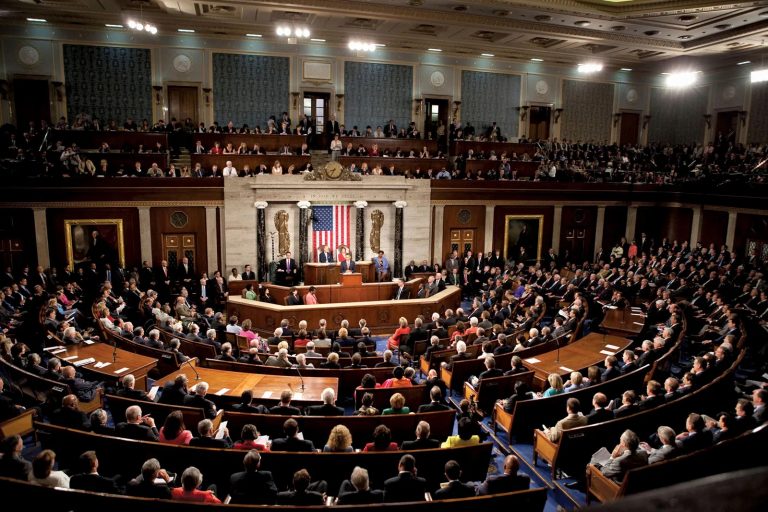
The U.S. House Ways and Means Committee Oversight Subcommittee hearing, titled “Making America the Crypto Capital of the World: Ensuring Digital Asset Policy Built for the 21st Century,” was scheduled for July 16, 2025, at 9:00 AM ET in the 1100 Longworth House Office Building. The hearing aimed to explore the establishment of a modern digital asset tax policy to position the U.S. as a global leader in cryptocurrency.
It was part of a broader “Crypto Week” (July 14-18, 2025), during which Congress focused on digital asset policies, including discussions on the CLARITY Act, the GENIUS Act, and the Anti-CBDC Surveillance State Act. The hearing focused on creating a clear tax policy framework for digital assets, addressing industry concerns about regulatory uncertainty and exploring industry-friendly policies to foster blockchain innovation.
The hearing focused on establishing a modern tax policy framework for digital assets, addressing a long-standing industry pain point: unclear tax regulations. A clear framework could reduce compliance costs, encourage innovation, and attract institutional investment by providing certainty for crypto businesses and investors.
Register for Tekedia Mini-MBA edition 20 (June 8 – Sept 5, 2026).
Register for Tekedia AI in Business Masterclass.
Join Tekedia Capital Syndicate and co-invest in great global startups.
Register for Tekedia AI Lab.
Legislation like the CLARITY Act, which aims to delineate regulatory authority between the SEC and CFTC, and the GENIUS Act, which provides a framework for stablecoin issuance, could streamline oversight and reduce regulatory overlap, potentially boosting market liquidity and investor confidence. Clearer rules could position the U.S. as a global crypto hub, drawing capital inflows and fostering blockchain innovation, as noted by industry advocates like Jag Kooner from Bitfinex.
A pro-crypto tax policy could encourage broader ecosystem participation, including by institutional investors, potentially stabilizing and growing markets for major cryptocurrencies like Bitcoin (BTC) and Ethereum (ETH). The GENIUS Act, if passed, could enable banks, fintechs, and retailers to issue stablecoins, expanding consumer access and integrating digital assets into mainstream finance.
This could enhance the U.S. dollar’s global dominance through stablecoin adoption. However, without robust consumer protections, there’s a risk of market instability, as seen in past crypto collapses. Witnesses like Timothy Massad have emphasized the need for a regulatory framework to ensure stablecoin stability and prevent systemic risks. The hearing reflects a push to prevent the U.S. from falling behind jurisdictions like Singapore and the UAE, which have clearer crypto regulations.

Senate Banking Committee members, like Sen. Tim Scott, argue that regulatory clarity is essential to retain jobs and innovation domestically. A strategic Bitcoin reserve or national digital asset stockpile, as proposed in the Trump administration’s upcoming report, could further position the U.S. as a crypto leader, though such ideas remain speculative. Critics, including Carole House, highlight risks like cybersecurity vulnerabilities and illicit finance, citing events like the February 2025 North Korean crypto heist.
Robust anti-money laundering (AML) and know-your-customer (KYC) measures are critical to address these concerns. A balanced framework could mitigate these risks while fostering innovation, but overly lax regulations might exacerbate vulnerabilities in the crypto sector. Republican leadership, including House Speaker Mike Johnson and Rep. Jason Smith, champions an industry-friendly approach, framing the U.S. as a potential “crypto capital.” They support bills like the CLARITY Act and GENIUS Act to reduce regulatory burdens and encourage innovation.
Republicans argue that the Joe Biden administration’s “regulation by enforcement” approach drove innovation offshore, and they advocate for “light-touch guardrails” to protect investors while fostering growth. The CLARITY Act, advanced by bipartisan majorities in House committees, reflects some Republican success in pushing for clearer SEC-CFTC boundaries, though it faces Senate scrutiny.

Democrats, led by figures like Rep. Maxine Waters, express significant concerns about the proposed legislation, particularly citing President Trump’s personal crypto ventures, estimated at $2.9 billion. They argue that his financial interests, including the TRUMP token, create conflicts of interest and risk regulatory capture. A dramatic walkout by Democrats during a May 2025 hearing underscores their frustration, with some labeling the bills “dangerous” and accusing Republicans of prioritizing Trump’s interests over consumer protections.
Democrats advocate for stronger consumer protections, AML/KYC measures, and cybersecurity safeguards, warning that deregulation could exacerbate fraud, manipulation, and systemic risks in the crypto market. While the CLARITY Act and GENIUS Act initially had bipartisan support, Democratic backing has waned due to concerns about Trump’s influence and inadequate protections. This has fractured earlier consensus, as seen in the rejection of Democratic amendments to strengthen consumer safeguards.
The Senate Banking Committee’s separate hearings, featuring industry leaders like Ripple’s Brad Garlinghouse, suggest a more cautious approach, with Democrats pushing for comprehensive frameworks over rushed deregulation. However, critics like Rep. Waters highlight risks of corruption and inadequate oversight, resonating with those wary of deregulation. This divide mirrors broader public and industry debates about balancing innovation with accountability.
The July 16, 2025, hearing and “Crypto Week” could set the stage for transformative U.S. crypto policy, potentially making the country a global leader by clarifying tax and regulatory frameworks. However, the political divide threatens progress. Republicans push for deregulation to spur innovation, while Democrats demand stronger protections to mitigate risks, fueled by concerns over Trump’s crypto ventures.