

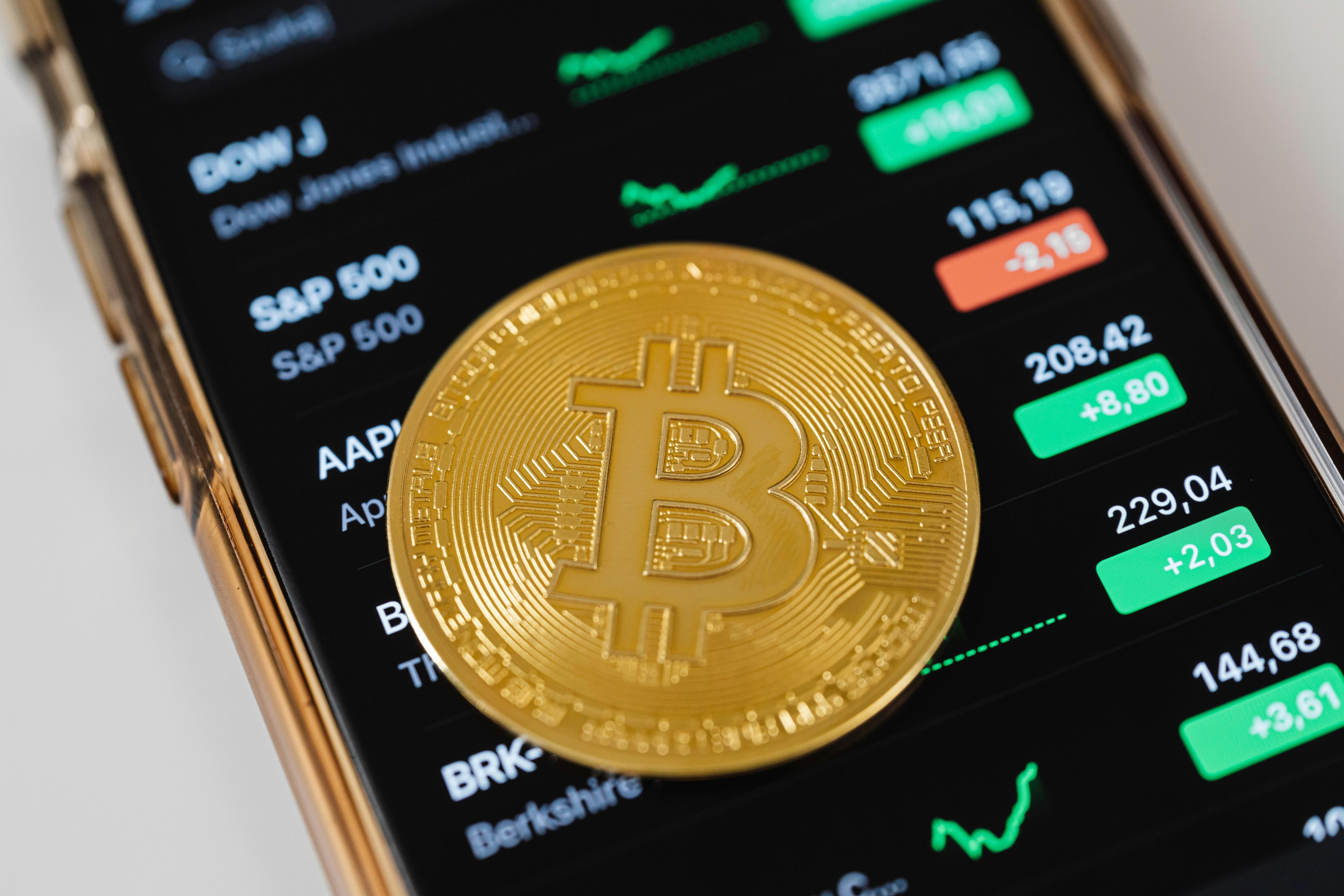
Pull up the five–year Bitcoin chart and you’re staring at a story written in peaks and valleys. From a low around 25,000 to today’s climb past 114,000, the line isn’t smooth, but it’s relentless. That kind of growth doesn’t happen by accident. Behind it sits blockchain, the engine that keeps Bitcoin running no matter how wild the ride gets.
Bitcoin has boomed in the past year. It’s more than just a price surge. It’s proof that a decentralized system can survive shocks, regulation talk, and waves of panic selling. Crypto is at the cutting edge of finance because blockchain makes it possible. It isn’t a trend. It’s a shift in how money can work.
The Pull of Price
Anyone who’s tracked the Bitcoin price knows the numbers are magnetic. In just five years the value is up more than 960 percent. Think about that. A coin worth less than 25,000 in 2020 now trades above 114,000. That’s why the phrase Bitcoin price ends up in conversations everywhere from dinner tables to gym floors. It’s not just the scale of the move, it’s the persistence. Each crash gets headlines. Each recovery writes the bigger story.
Yi He, the co-founder of crypto exchange Binance, said it best: “Crypto isn’t just the future of finance. It’s already reshaping the system, one day at a time.” That reshaping is written on the chart itself. The climb isn’t clean, but the trajectory is clear.
What Blockchain Actually Does
Strip away the buzzwords. Blockchain is a ledger — but not the kind locked in a bank’s vault. It’s public, distributed, and nearly impossible to alter. Every Bitcoin transfer is stamped into this digital record. Once written, it can’t be erased. That permanence is where the trust comes from. Not in a government. Not in a company. In the system itself.
Look at what it delivers:
- Resilience. No single server or authority can be taken out to end Bitcoin.
- Transparency. Every transfer is visible, open for anyone to verify.
- Security. Changing records would require impossible computing power.
These qualities explain why Bitcoin didn’t fade after its early hype. Even when markets tanked, blockchain kept processing blocks. The system didn’t blink. That resilience is why long–term optimism holds weight.
The Past Five Years as Proof
The chart tells a story of pain and persistence. 2022 brought deep losses. 2023 was stagnant. But in 2024, the curve turned and by 2025 it touched record highs. That arc matters. It proves that the network can recover from blows that would kill a weaker system. It’s not just investors pushing it higher. It’s the faith that blockchain won’t stop, won’t fail, and won’t lie.
When you zoom out, the volatility looks like noise around an upward march. That’s why so many people see the last five years not as a warning but as evidence. Blockchain doesn’t guarantee profit, but it guarantees the system itself holds.
The Human Side of the Ledger
Blockchain isn’t just machines. It’s people. Miners validating transactions. Developers strengthening code. Users sending and receiving coins across borders. This collective effort is what turns the technology into a living network.
Think of the final minutes of Game 7 of the 2016 NBA Finals. LeBron blocks, Kyrie shoots, the Cavs win. No single play made the victory. It was the sum of each part, each person doing their role under pressure. Blockchain works like that. Alone, each participant is small. Together, they make something unshakable.
The Caveats Nobody Should Ignore
Optimism shouldn’t be confused with blind faith. Bitcoin’s past five years include brutal drops as well as record highs. Blockchain protects the system, not your portfolio. If you buy at the wrong time or invest money you can’t afford to lose, the pain is real.
The responsible view is simple: treat Bitcoin as a high–risk, high–potential asset. Diversify. Don’t stake your future on it. Respect the volatility. Blockchain ensures the game keeps running, but it doesn’t promise you’ll always win.
Where the Story Heads Next
The future isn’t going to be smooth. Governments will argue. Markets will lurch. Headlines will flip between triumph and disaster. But while all that unfolds, blockchain will keep adding blocks to the chain. That quiet consistency is the strongest argument for optimism.
If the past five years prove anything, it’s that the system survives storms. That survival alone is revolutionary. It makes Bitcoin more than speculation. It makes it a case study in how technology can carry value across time without permission from above.
A Revolutionary Foundation
To understand why Bitcoin keeps fueling optimism, you don’t need to memorize code or parse every chart tick. Just look at what blockchain does. It makes a currency that doesn’t need a referee. It builds trust without a central power. And it has carried Bitcoin from the margins of 2009 to a chart line over 114,000 in 2025.
That’s not a fad. That’s a revolution playing out block by block. The optimism isn’t naïve. It’s rooted in the evidence of a system that hasn’t stopped, hasn’t broken, and keeps writing its own history one transaction at a time.