

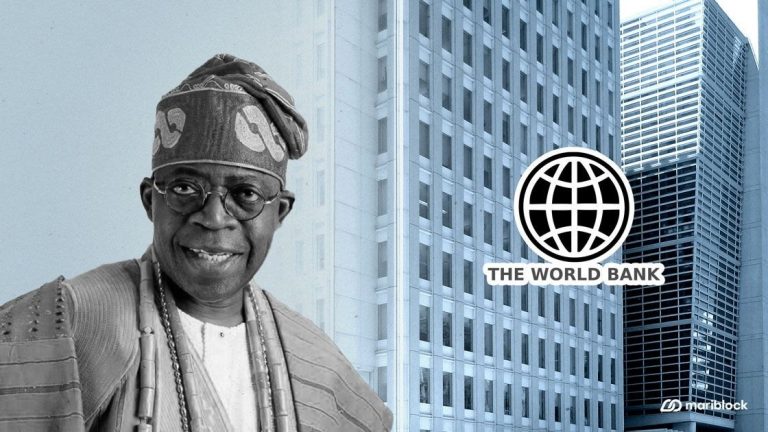
The World Bank has approved three financing operations totaling $1.08 billion to support education, nutrition, and economic resilience in Nigeria. The concessional loans, announced on Wednesday via the bank’s website, aim to improve the quality of education, enhance nutrition services, and build household and community resilience, particularly for underserved populations.
The approved financing includes $500 million in additional support for the Community Action for Resilience and Economic Stimulus Programme (NG-CARES), $80 million for the Accelerating Nutrition Results in Nigeria (ANRIN 2.0) initiative, and $500 million for the Hope for Quality Basic Education for All (HOPE-EDU) programme.
The NG-CARES Programme, initially launched to mitigate the economic impact of the COVID-19 pandemic, has evolved into a broader initiative providing social support services. According to the World Bank, the programme has already reached over 15 million Nigerians and will now expand its reach further, especially as the country navigates the economic consequences of the 2023 fuel subsidy removal and foreign exchange rate unification.
Register for Tekedia Mini-MBA edition 20 (June 8 – Sept 5, 2026).
Register for Tekedia AI in Business Masterclass.
Join Tekedia Capital Syndicate and co-invest in great global startups.
Register for Tekedia AI Lab.
The new funding will enable the programme to provide additional livelihood support, food security services, and grants for poor and vulnerable households. The initiative will also sustain labor-intensive public works and support small businesses, key sectors impacted by Nigeria’s economic headwinds.
Nutrition Boost for Maternal and Child Health
The Accelerating Nutrition Results in Nigeria (ANRIN 2.0) initiative aims to improve access to nutrition services for pregnant women, lactating mothers, adolescent girls, and children under five. With Nigeria ranking among the countries with the highest rates of child malnutrition and food insecurity, the programme seeks to address critical health and nutritional deficiencies.
Building on the success of the first phase, which reached over 13 million children under five between 2018 and 2024, ANRIN 2.0 will focus on preventive and curative nutrition interventions, improved feeding practices, and increased access to micronutrient-rich foods. The initiative aligns with Nigeria’s National Development Plan (2021–2025) and the Multisectoral Plan of Action for Food and Nutrition.

Strengthening Education with HOPE-EDU
The HOPE-EDU initiative is designed to address Nigeria’s persistent education challenges, particularly in foundational literacy and numeracy. With over 20 million out-of-school children and a struggling education system, the programme seeks to enhance access to quality education and strengthen education delivery mechanisms across participating states.
The project is expected to directly benefit 29 million public primary school pupils, 500,000 teachers, and more than 65,000 public primary schools. HOPE-EDU aims to improve educational outcomes and equip Nigeria’s fast-growing youth population with essential skills for economic growth, by tackling issues such as school overcrowding and decentralized allocation of education funds.
In addition to the World Bank’s financing, HOPE-EDU will receive an extra $52.18 million from the Global Partnership for Education Fund, further supporting its objectives.

World Bank Country Director for Nigeria, Dr. Ndiamé Diop, emphasized the importance of investing in human capital to unlock Nigeria’s economic potential.
“These new programmes will help accelerate education quality and support vulnerable citizens. The HOPE-EDU programme will enable better education outcomes by implementing bold reforms and making the right investments to equip the fast-growing young population with foundational skills necessary for rapid and inclusive economic growth,” Diop stated.
He added that the ANRIN interventions would enhance access to micronutrient-rich foods and nutrition services at primary healthcare levels, while the NG-CARES funding would help Nigeria transition from pandemic response to long-term resilience amid ongoing economic challenges.
Concerns Over Nigeria’s Mounting Public Debt
While the World Bank’s latest funding package presents an opportunity to address some of Nigeria’s pressing socioeconomic challenges, it has also reignited concerns about the country’s rising public debt burden. Nigeria’s total debt has surged in recent years, significantly increasing its debt-servicing ratio. According to the Central Bank of Nigeria (CBN)’s Fourth Quarter 2024 Economic Report, released Monday, Nigeria’s external debt reached N66.14 trillion ($43.03 billion) by Q3 2024, a 0.30% uptick from $42.90 billion in Q2 and a 3.40% rise from $41.59 billion in Q3 2023.
With a large portion of government revenue now allocated to servicing existing debts, economic analysts warn that continued borrowing could further strain the nation’s finances and limit its ability to invest in critical sectors.
According to data from Nigeria’s Debt Management Office (DMO), debt servicing costs have risen significantly recently, with a significant portion of the national budget going towards repaying creditors. The CBN report noted that debt-servicing drained $1.34 billion by September 2024, split between $0.72 billion in principal repayments (53.73%) and $0.62 billion in interest (46.27%).
The situation has led to concerns about the long-term economic implications of continued external borrowing, particularly in the face of slow revenue growth and economic instability.
Corruption and Mismanagement Concerns
Another major concern surrounding the newly approved loans is the risk of mismanagement and corruption. Nigeria has a long history of funds designated for social development programmes being siphoned by government officials and politically connected individuals. Against this backdrop, many fear that a large portion of the borrowed funds may not reach the intended beneficiaries, undermining the impact of these initiatives.
Transparency advocates warn that without strict accountability measures, the funds could follow the pattern of previous international loans and grants that were either misappropriated or left unutilized due to bureaucratic inefficiencies. There are growing calls for the Nigerian government to put in place robust monitoring and evaluation frameworks to ensure that the World Bank funds are used effectively and transparently.