

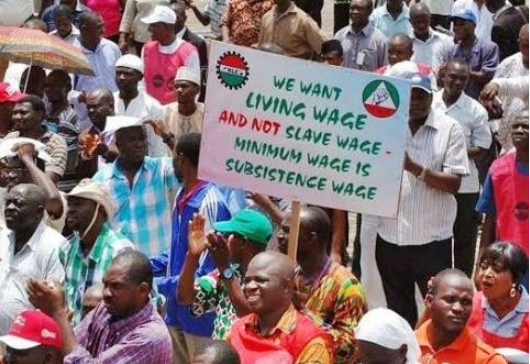
The Federal Government’s proposed N70,000 monthly transport allowance for federal workers has generated debate among labour organisations, public-sector stakeholders and economic analysts, with calls for broader interventions to address rising transportation costs and declining workers’ purchasing power.
The debate centres on whether the allowance provides sufficient relief to workers or represents a temporary response to economic pressures that require more sustainable policy solutions.
Stakeholder positions mapped around the intervention show competing demands for improved workers’ welfare, increased investment in transportation infrastructure, reduced transport fares and more effective management of public expenditure.
Register for the next Tekedia Mini-MBA.
Register for Tekedia AI in Business Masterclass.
Join Tekedia Capital Syndicate and co-invest in great global startups.
While some stakeholders support the allowance as a necessary measure to cushion the effects of rising transportation costs, others argue that government should prioritise improvements in salaries and minimum wages rather than rely on temporary financial support.
The network identifies organised labour, including the Nigeria Labour Congress (NLC), Trade Union Congress (TUC), state-level labour organisations and individual government workers, as important actors in the debate.
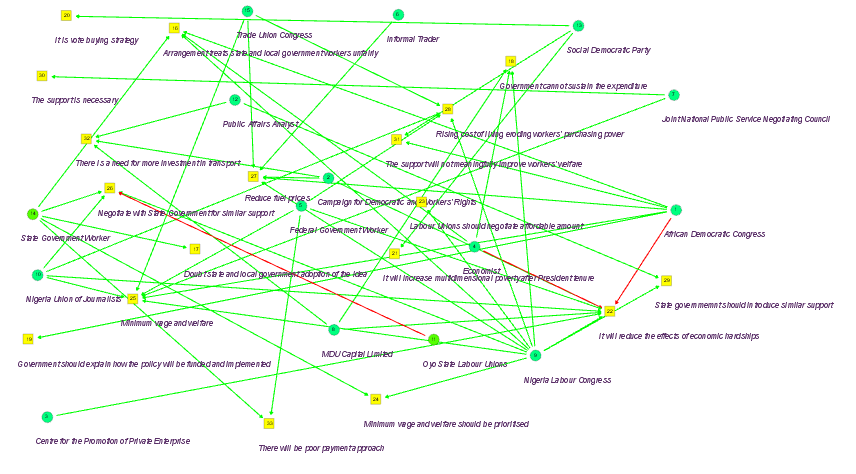
The labour groups’ involvement reflects continuing concerns about the relationship between workers’ earnings and the rising cost of essential services. Their positions also highlight the need for stronger negotiations between government and labour representatives on the financial conditions of public servants.

Some stakeholders have called on government to invest more in transportation infrastructure as a longer-term response to increasing commuting costs. They argue that improving the availability and affordability of public transportation could provide more sustainable relief than allowances that may not keep pace with rising fares.
Other positions reflected in the network include demands for reduced transport prices, improved minimum wages and better implementation of existing workers’ welfare policies.
The debate has also raised questions about the government’s expenditure priorities. Some stakeholders have expressed concerns about the financial implications of welfare interventions, particularly where government commitments are not accompanied by clear implementation and sustainability plans.

The involvement of public affairs analysts and economists in the network further illustrates the economic dimensions of the debate. Their perspectives connect the allowance to broader questions about government spending, workers’ purchasing power and the effectiveness of economic support programmes.
Another concern is the possibility of unequal implementation across different levels of government. Although federal workers are the immediate focus of the allowance, state and local government employees also face increasing transportation expenses. Calls for similar support across the different tiers of government therefore feature prominently in the stakeholder discussions.
The network also captures concerns about the adequacy of existing welfare arrangements and the need for government to explain how its policies will be funded and implemented. Stakeholders have emphasised that financial support should translate into measurable improvements in workers’ living conditions.
For organised labour, the debate presents an opportunity to push for broader improvements in remuneration and working conditions. Beyond the transport allowance, the issues identified include minimum wage implementation, affordable transportation, improved welfare provisions and stronger engagement with government.
The competing positions suggest that the effectiveness of the intervention will depend not only on the amount allocated to workers but also on its implementation, coverage and relationship with other economic policies.
As transportation costs continue to affect household expenditure, the government faces pressure to demonstrate that the allowance can provide meaningful relief while pursuing longer-term measures to improve workers’ welfare.
The emerging stakeholder debate therefore places the transport allowance within a wider discussion about public-sector remuneration, economic affordability and the responsibility of government to protect workers’ purchasing power.