

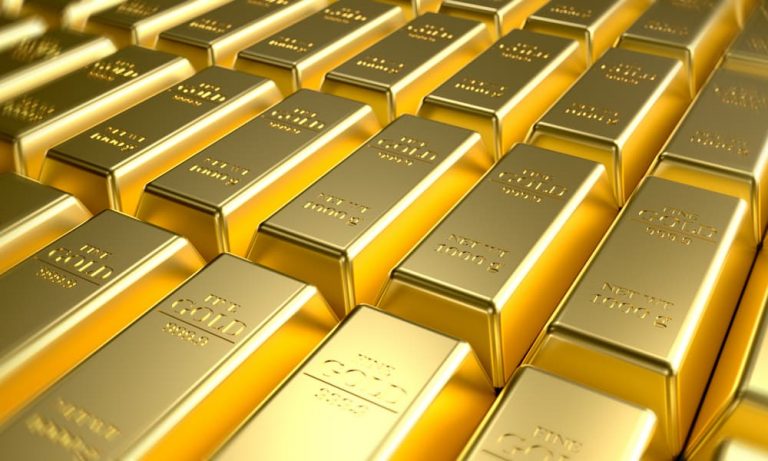
Gold has long been regarded as one of the world’s safest assets, serving as a store of value during periods of economic uncertainty, inflation, and geopolitical tension. However, financial markets can shift rapidly, and even an asset with gold’s reputation is not immune to significant price swings.
News that approximately $1.1 trillion has been erased from gold’s market capitalization highlights the magnitude of recent changes in investor sentiment and raises important questions about the future direction of the precious metals market.
A decline of this scale reflects a substantial drop in the overall value of gold held globally.
Market capitalization is calculated by multiplying the total amount of above-ground gold by its market price. When gold prices fall sharply, trillions of dollars in value can disappear from the asset class without any physical gold changing hands. Such losses often occur when investors move capital into alternative investments perceived to offer higher returns or better growth prospects.
Register for the next Tekedia Mini-MBA.
Register for Tekedia AI in Business Masterclass.
Join Tekedia Capital Syndicate and co-invest in great global startups.
Several factors can contribute to a dramatic decline in gold’s market value. One major driver is changing expectations regarding interest rates. Gold does not generate income or dividends, making it less attractive when interest-bearing assets such as government bonds offer higher yields.
If central banks signal a commitment to maintaining elevated interest rates, investors may choose fixed-income securities over precious metals. Another factor is the strength of the U.S. dollar. Gold is typically priced in dollars, and a stronger dollar often places downward pressure on gold prices.
When the dollar appreciates, gold becomes more expensive for international buyers, reducing demand and contributing to price declines. Currency movements therefore play a critical role in determining the direction of the gold market. The rise of alternative stores of value has also influenced investor behavior.

In recent years, digital assets such as Bitcoin have increasingly been compared to gold. Some investors view Bitcoin as digital gold because of its fixed supply and decentralized nature. During periods when cryptocurrencies attract substantial capital inflows, traditional safe-haven assets may experience reduced demand, contributing to valuation declines.
Despite the loss of $1.1 trillion in market capitalization, gold remains one of the largest and most important asset classes in the global financial system. Central banks continue to hold significant gold reserves, and many institutional investors maintain exposure to the metal as part of diversified portfolios.
Gold’s historical role as a hedge against inflation and economic instability remains relevant, even during periods of price weakness.
For investors, the decline serves as a reminder that no asset is entirely risk-free. Gold is often considered a defensive investment, but its price can fluctuate significantly in response to macroeconomic conditions, monetary policy decisions, and shifts in market sentiment. Investors who rely heavily on gold must carefully assess their risk tolerance and investment objectives.

Looking ahead, the future trajectory of gold will depend on several key variables. Inflation trends, central bank policies, geopolitical developments, and global economic growth will all influence demand for the precious metal. If uncertainty increases or interest rates begin to decline, gold could regain momentum and recover part of its lost market value.
Continued economic strength and attractive returns in other asset classes could limit gold’s upside potential. The loss of $1.1 trillion from gold’s market capitalization is a striking reminder of how quickly financial markets can reprice even the most established assets. While the decline may concern some investors, it also underscores the dynamic nature of global capital markets, where changing expectations and emerging alternatives constantly reshape investment landscapes.