

Stakeholders involved in preparations for Nigeria’s 2027 general elections have called for stronger measures to address artificial intelligence (AI)-generated political misinformation, electoral security threats and institutional accountability, warning that emerging risks could undermine public confidence in the electoral process.
The call followed a virtual stakeholder discussion convened on Monday by the Centre for Research on Development of African Media, Governance and Society (CEREDEMS Africa), in collaboration with the Centre for Peace and Strategic Studies at the University of Ilorin (UNILORIN) and the Institute of Geopolitical Communications at RUDN University, Russia.
The meeting, which examined findings from the September 2026 Electoral Intelligence Report, brought together academics, media practitioners and electoral stakeholders to discuss information integrity, electoral justice, security and inclusive democratic participation ahead of the 2027 elections.
Register for the next Tekedia Mini-MBA.
Register for Tekedia AI in Business Masterclass.
Join Tekedia Capital Syndicate and co-invest in great global startups.
Participants expressed concern over the growing use of AI-generated and manipulated content to influence public opinion, misrepresent political actors and weaken trust in electoral institutions.
They identified different forms of manipulated content, including fanfake, foefake, glowfake and darkfake, highlighting the potential implications for political communication and voters’ ability to distinguish authentic information from deceptive material.
Particular attention was drawn to glowfake, described during the discussion as positive AI-generated content capable of whitewashing political identities and creating misleading impressions about candidates. The communiqué cited a figure suggesting that such content could affect more than 90 per cent of the electorate, underscoring the need for greater public awareness and verification of political information.

Participants noted that AI-related electoral risks could change across the electoral cycle. Before elections, manipulated content could target candidates and political actors, while the Independent National Electoral Commission (INEC) and the electoral process could become primary targets during the election period. After elections, information manipulation could further undermine the credibility of the commission and public acceptance of electoral outcomes.
The stakeholders consequently called for transparency in the use of AI, clearer identification of AI-generated content and stronger information literacy. Political parties were also urged to educate their supporters against spreading misinformation and using manipulated content to mislead voters.
On electoral security, findings from the September report identified the Federal Capital Territory (FCT) and Lagos as important areas of concern because of their concentration of critical risk locations and roles in information dissemination. Kaduna, Kebbi and Benue were also highlighted as locations requiring targeted preventive measures.

The participants urged security agencies to strengthen early warning systems, identify emerging threats and deploy appropriate prevention strategies in high-risk locations. They stressed that security arrangements must support peaceful participation and remain impartial throughout the electoral process.
They also called for measures to address grievances arising from past injustices, strengthen community peacebuilding and protect displaced persons whose circumstances could limit their participation in elections. Security personnel and INEC officials were urged to discharge their responsibilities professionally and without partisan influence.
On institutional accountability, the meeting stressed that credible elections depend on transparent institutions, accountable political actors and effective mechanisms for resolving disputes.
INEC was urged to demonstrate transparency in its operations, particularly in the use of AI and related information technologies, to reduce uncertainty, strengthen public confidence and minimise the risk of litigation.
Media practitioners also raised questions about accountability within the commission’s AI, information and communications technology (ICT), and related technical structures. They emphasised the need to identify officials responsible for these functions and obtain direct answers on the commission’s preparedness for AI-related electoral challenges.
The judiciary was urged to resolve electoral grievances promptly within the timelines prescribed by the Electoral Act. Participants warned that delays in resolving disputes could undermine public trust and increase the risk of violence. They also called for effective enforcement, appropriate training and prosecution of electoral offenders.
The discussion further highlighted concerns about voter apathy, gaps in youth voter registration and the need to strengthen young people’s confidence in the electoral process.
Participants called for greater inclusion of women, young people, persons with disabilities and displaced persons. They proposed measures to improve women’s representation in elected positions, remove barriers to participation and ensure that polling units are accessible to persons with disabilities.
Although provisions exist to accommodate voters with disabilities, the meeting noted the need for effective mechanisms to monitor compliance. It also called for practical arrangements to prevent displaced persons from being excluded from the electoral process.
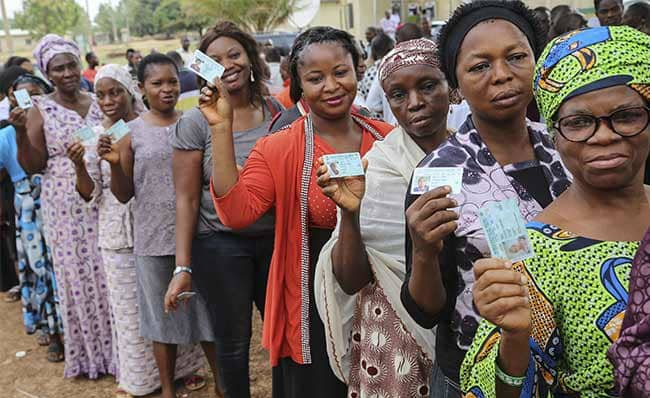
The National Orientation Agency (NOA) was urged to intensify civic and voter education nationwide in collaboration with INEC, with planned engagement across the 36 states and local government areas. The Federal Government was also asked to provide adequate funding and release funds promptly to support public education and community engagement.
Participants further proposed exploring legislative measures to secure dedicated media airtime for civic education, particularly during election periods.
On media responsibility, the stakeholders called for accurate, balanced and non-partisan reporting before, during and after the elections. Media organisations were encouraged to diversify their revenue sources to reduce dependence on political funding and safeguard editorial independence.
Journalists were also urged to strengthen investigative reporting on electoral technology, AI governance and institutional preparedness while avoiding sensationalism and the circulation of unverified manipulated content.
<
div class=”mceTemp”>

Discussants during the programmeAs part of the follow-up commitments, CEREDEMS Africa will share findings and data from its September report with relevant government agencies and stakeholders to support risk assessment, early warning and preventive action.
The communiqué also stated that the NOA is scheduled to commence a nationwide voter education campaign in collaboration with INEC, while media practitioners will continue efforts to secure accountability from officials responsible for the commission’s AI-related functions.
The participants maintained that sustained institutional cooperation, public accountability, informed citizenship and timely preventive action would be essential to protecting electoral integrity and strengthening confidence in Nigeria’s democratic process ahead of the 2027 general elections.