DD
MM
YYYY

PAGES

DD
MM
YYYY

spot_img

PAGES

Home Blog

xAI Challenges Minnesota’s AI Deepfake Law, Escalating Legal Battle Over AI, Free Speech and Online Safety

0

xAI, the artificial intelligence company owned by SpaceX, has filed a federal lawsuit challenging a Minnesota law that would ban so-called “nudify” applications, setting the stage for another high-profile legal battle over the limits of AI regulation, free speech protections and the growing threat of AI-generated sexual abuse.

The lawsuit, filed Monday in federal court in Minnesota, names Keith Ellison as the defendant and argues that the state’s new law violates constitutional protections by imposing sweeping restrictions on AI-powered image generation.

In its complaint, xAI said the statute “imposes an overbroad, content-based ban on free speech and the tools of visual expression in a clumsy attempt to prohibit ‘nudification.'”

The Minnesota law, scheduled to take effect on Saturday, targets applications and websites that enable users to create non-consensual sexually explicit images using artificial intelligence. Companies whose platforms are used to generate prohibited deepfakes could face civil penalties of $500,000 for each violation, making it one of the toughest state-level AI enforcement measures in the United States.

The legislation was introduced by Erin Maye Quade after learning about a case in which a man allegedly used publicly available social media photographs to generate sexually explicit AI images and videos of more than 80 women without their knowledge or consent.

Supporters of the law argue that it fills a growing gap in existing criminal and civil protections as generative AI dramatically lowers the barriers to creating convincing synthetic intimate images.

xAI contends, however, that the law reaches far beyond its intended purpose.

According to the company, the penalties are so severe that a platform whose users generated 100,000 prohibited images could theoretically face $50 billion in fines, an outcome the company described as unconstitutional and economically unsustainable.

The lawsuit centers on the First Amendment, with xAI arguing that the legislation unlawfully restricts protected forms of expression by regulating the technology itself rather than punishing unlawful conduct.

The case is expected to become an important test of how U.S. courts balance constitutional free speech protections against growing efforts by lawmakers to regulate harmful uses of generative AI.

Compounding Sexual Images Legal Battles

The legal challenge also comes as xAI confronts broader scrutiny over how its AI systems are used.

The company is already facing a proposed class-action lawsuit alleging that its Grok chatbot and image generation tools were used to create child sexual abuse material (CSAM) and AI-generated sexual images based on real individuals without their consent. The lawsuit further alleges that xAI failed to report information about users responsible for generating the images to law enforcement authorities.

xAI has denied wrongdoing and says its policies explicitly prohibit users from creating nude or sexually explicit images of individuals without their consent. The company said in its Minnesota complaint that it has implemented extensive technological safeguards designed to prevent such content from being generated and has pursued legal action against users who deliberately bypass those protections.

AI developers are increasingly being confronted by moral and legal challenges. As image-generation models become increasingly sophisticated, companies face growing pressure to prevent misuse while preserving legitimate creative and commercial applications of the technology.

Lawmakers across the United States have accelerated efforts to regulate AI-generated deepfakes following a surge in cases involving non-consensual sexual imagery, political misinformation, financial fraud and identity theft. Regulators now see synthetic media as one of the most immediate public safety risks associated with generative AI because the technology enables highly realistic content to be produced quickly and at minimal cost.

Supporters of Minnesota’s law say that traditional legal remedies have struggled to keep pace with the speed and scale at which AI-generated abuse can spread online. Maye Quade compared the legislation to longstanding laws prohibiting voyeurism and the creation of intimate images without consent, arguing that the statute modernizes existing protections for the AI era rather than creating entirely new restrictions on speech.

In an emailed statement, she defended the legislation, saying it protects First Amendment rights while addressing image-based sexual abuse.

“It’s sad that the creators of nudification technology would rather protect their ill-gotten profits than protect us from image-based sexual abuse,” she said.

Minnesota Governor Tim Walz, a Democrat, also responded publicly to the lawsuit, writing on social media: “See you in court, creep.”

The Minnesota case is not xAI’s first attempt to challenge AI-related regulation.

The company previously sued to block a California law aimed at restricting AI-generated deepfakes in elections. That challenge achieved a partial victory after a federal judge struck down provisions that would have limited certain forms of AI-generated election content on First Amendment grounds.

The latest lawsuit underscores the increasingly complex legal challenges facing AI developers. As states move more aggressively than Congress to regulate emerging AI technologies, courts are likely to play a central role in determining where constitutional protections end and government oversight begins.
Amazon’s Zoox Wins U.S. Approval to Launch Paid Robotaxi Service

0

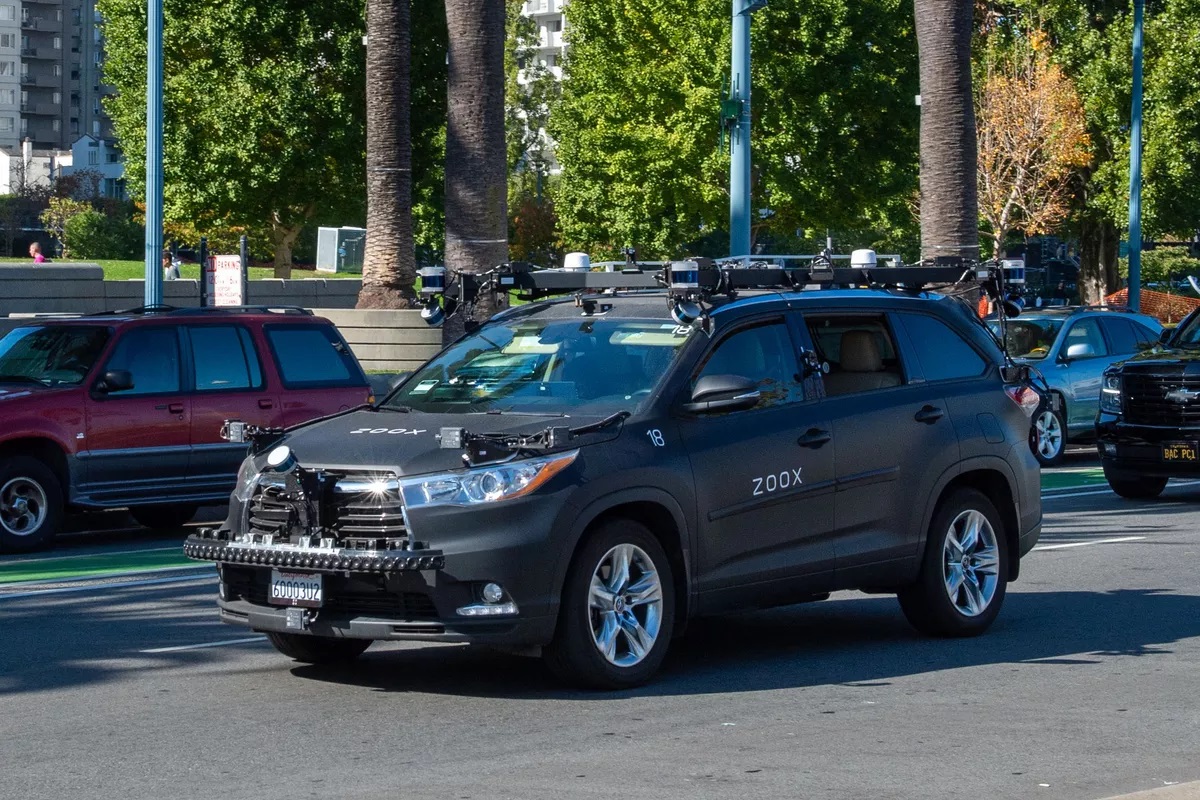
Amazon-owned autonomous vehicle company Zoox has secured a major regulatory breakthrough after U.S. safety regulators granted it a temporary exemption that allows the company to begin charging passengers for rides in its purpose-built robotaxis, moving the self-driving startup significantly closer to large-scale commercial deployment.

The exemption, announced on Thursday by the National Highway Traffic Safety Administration (NHTSA), removes one of the final federal regulatory obstacles standing between Zoox and a fully commercial robotaxi business. The decision permits the company to operate its uniquely designed autonomous vehicles for paying customers despite the vehicles not complying with several long-standing federal motor vehicle safety standards that were written for conventionally driven cars.

Unlike traditional automobiles, Zoox’s robotaxis were designed from the ground up for autonomous driving and therefore do not include steering wheels, pedals, or a driver’s seat. To accommodate the unconventional design, NHTSA granted exemptions from eight federal safety standards, including regulations covering windshield defrosting systems and braking requirements for light-duty vehicles.

The exemption follows an earlier approval granted nearly a year ago that allowed Zoox to operate its robotaxis on public roads and provide free rides to passengers in cities including San Francisco and Las Vegas. That authorization, however, prohibited the company from charging fares, limiting the commercial viability of its operations.

The latest decision changes that equation by enabling Zoox to generate revenue from its autonomous ride-hailing service, representing a significant step toward validating Amazon’s multibillion-dollar investment in autonomous mobility.

The approval is subject to several conditions. Zoox may deploy up to 2,500 commercial robotaxis annually over the next two years and will operate under what NHTSA described as an “enhanced, adaptable oversight structure” designed to evolve alongside the company’s technology.

A Zoox spokesperson said the company plans to begin charging customers in Las Vegas in the near future, with additional cities to follow as state-level regulatory approvals are secured.

California, where Zoox is headquartered and already conducts extensive autonomous vehicle testing, remains an important target market. Before launching paid driverless rides there, the company must still obtain commercial deployment permits from both the California Department of Motor Vehicles and the California Public Utilities Commission.

Zoox Chief Executive Aicha Evans described the approval as a landmark moment for both the company and the broader autonomous vehicle industry.

“We are honored to receive the first-ever commercial exemption for a purpose-built robotaxi from NHTSA, enabling us to begin charging for our service and take another step toward bringing autonomous ride-hailing to more communities,” Evans said.

The exemption is notable because it marks the first time NHTSA has approved commercial deployment of a purpose-built robotaxi that was never intended to be driven by a human. Most autonomous vehicle developers, including Alphabet’s Waymo and Tesla, rely on modified versions of conventional passenger vehicles that retain traditional driving controls.

For Zoox, the decision validates a strategy that differs fundamentally from many competitors. Rather than adapting existing vehicles, the company has invested years developing a bidirectional, fully autonomous vehicle specifically optimized for ride-hailing, featuring symmetrical seating, no driver’s compartment, and the ability to travel equally well in either direction without turning around.

Alongside the Zoox announcement, NHTSA unveiled updates to its exemption framework that will make it easier for automakers to temporarily sell limited numbers of non-compliant vehicles while testing emerging technologies.

The agency also announced a partnership with SAE Industry Technologies Consortia to establish a three-year, $5 million initiative aimed at collecting safety data and accelerating the development of national autonomous vehicle performance standards.

The initiative seeks to create a unified national framework for evaluating autonomous driving systems, an area that has long been fragmented by differing state regulations and evolving federal oversight.

NHTSA Administrator Jonathan Morrison said the agency remains committed to supporting innovation without compromising public safety.

“By removing unnecessary barriers to innovation, developing industry guidance, and providing strong enforcement oversight while we create performance requirements, NHTSA is taking a balanced approach to AV regulation,” Morrison said. “These advancements will ensure that the United States continues to lead the world in AV technology in a safe and responsible manner.”

The announcements also point to the Trump administration’s supportive stance toward autonomous vehicle development as Washington seeks to strengthen U.S. leadership in next-generation transportation technologies.

NHTSA also disclosed that it is reviewing a separate exemption request from Los Angeles-based startup Robomart, whose autonomous delivery vehicle is designed to transport up to 500 pounds of goods. The agency said it will seek public comment on that application after completing its preliminary evaluation.

Bank of England Holds Interest Rates at 3.75% But Signals Growing Concern Over Inflation Risks

0

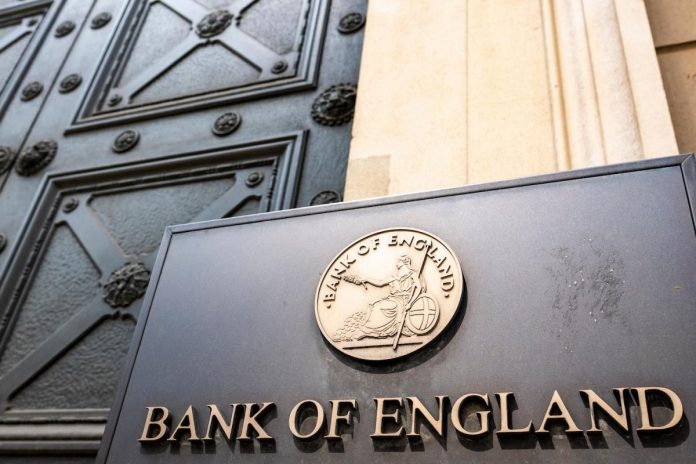
The Bank of England kept its benchmark interest rate unchanged on Thursday, as expected, but the emergence of a third policymaker calling for higher borrowing costs signaled that concern over inflationary pressures is gaining traction within the central bank.

The Monetary Policy Committee (MPC) voted 6-3 to leave the Bank Rate at 3.75%, with policymakers choosing to wait for more evidence on the inflation outlook even as rising energy risks and AI-related supply constraints continue to cloud the economic picture.

The decision was widely anticipated by financial markets after U.K. headline inflation eased to 2.6% in June, its lowest level in 15 months. However, the voting split and policymakers’ comments suggest the central bank is becoming increasingly uneasy about upside risks that could derail progress toward its 2% inflation target.

Following the announcement, the British pound edged 0.08% higher against the U.S. dollar to $1.3376, as investors interpreted the statement as slightly more hawkish than expected.

Three Policymakers Back Another Rate Hike

Committee members Megan Greene, Huw Pill and Catherine Mann voted for a 25-basis-point increase, arguing that inflation risks remain elevated despite recent improvements in headline price growth.

Their dissent marked an increase from two policymakers at the previous meeting, suggesting that support for tighter monetary policy is gradually building within the MPC.

The Bank said all committee members agreed that risks to energy prices remain skewed to the upside, reflecting continued uncertainty stemming from geopolitical tensions and global supply disruptions.

Greene argued that inflation has remained above the Bank’s target for around five years and warned that fresh supply shocks could prolong price pressures. She pointed to risks including a potential second energy bottleneck in the Red Sea and ongoing shortages of AI-related hardware as factors that could fuel another round of inflation.

“A proactive hike in Bank Rate may reduce the probability that second-round effects set in,” Greene said.

Her comments highlight how central banks are increasingly monitoring developments in the artificial intelligence industry alongside traditional inflation drivers. Strong demand for AI chips, memory components and advanced semiconductor manufacturing has tightened global supply chains, contributing to higher costs across technology and industrial sectors.

Pill also pointed out that persistent uncertainty surrounding global energy markets warrants a more proactive policy response.

“Profound uncertainty surrounding the energy price outlook is likely to be prolonged and of unknown duration, rendering efforts to fine-tune the economy with monetary policy hazardous,” he said.

He added that raising interest rates now would provide “a clear and unambiguous signal” that the Bank remains committed to containing inflation risks arising from developments in the Gulf region.

The conflict involving Iran has become an important factor for central banks. Higher oil and gas prices can feed through to transportation, manufacturing and household energy costs, raising the risk that temporary price shocks become embedded in broader inflation through wages and consumer expectations.

Hawkish Hold Keeps September In Focus

Although the Bank ultimately chose to leave policy unchanged, economists said the tone of the meeting was more hawkish than markets had anticipated.

Felix Feather, economist at Aberdeen, said the increase in dissenting votes indicates inflation concerns are spreading within the committee, making additional rate increases more likely if inflation fails to continue moderating.

“This was a slightly more hawkish Bank of England hold than expected,” Feather said.

Simon Dangoor, deputy chief investment officer of fixed income and head of fixed income macro investing at Goldman Sachs Asset Management, said recent inflation data had given policymakers room to pause.

However, he cautioned that a prolonged Middle East shock could quickly alter the outlook.

“A persistent Middle East shock could change the calculus, however, keeping a September meeting live,” Dangoor said.

Markets Reassess The Policy Path

The latest decision suggests the Bank of England is attempting to balance encouraging signs of easing inflation against a growing list of external risks.

While headline inflation has fallen significantly from its recent peaks, policymakers remain concerned that higher energy prices, resilient wage growth and supply-side disruptions could slow or even reverse that progress.

The addition of a third vote in favor of tightening also signals that the debate within the MPC is shifting. Rather than discussing when to begin easing monetary policy, officials are increasingly focused on whether renewed inflationary pressures may require another rate hike.

That places the September policy meeting firmly in focus. Future decisions are likely to depend on incoming inflation, wage and labor market data, as well as developments in global energy markets and supply chains. If geopolitical tensions keep commodity prices elevated, or supply disruptions intensify, the Bank could find itself tightening policy again even after a prolonged period of restrictive interest rates.

Bitcoin Defies Wall Street Selloff as Investors Test Crypto’s Safe-Haven Narrative

0

Global financial markets witnessed an unusual divergence as Wall Street suffered its worst single-day decline since April 2025 while Bitcoin continued climbing toward the $64,700 mark.

At the same time, the total cryptocurrency market capitalization increased by approximately 0.65%, signaling resilience in digital assets even as traditional equities struggled under mounting pressure.

The contrasting performance has reignited debate over whether cryptocurrencies, particularly Bitcoin, are beginning to establish themselves as an alternative refuge during periods of financial stress.

The sharp decline in U.S. equities was driven largely by rising Treasury yields, with investors reacting to persistent inflation concerns and expectations that interest rates could remain elevated for longer than previously anticipated.

Higher yields typically increase borrowing costs, reduce the attractiveness of growth stocks, and encourage investors to shift toward fixed-income assets. This combination sparked a broad selloff across major stock indices, dragging technology shares and other risk-sensitive sectors lower.

Ordinarily, cryptocurrencies would be expected to follow equities downward during such episodes. Over the past several years, Bitcoin has frequently traded in tandem with high-growth technology stocks, earning the reputation of being a risk asset rather than a defensive investment.

The latest market action challenged that assumption. Instead of declining alongside stocks, Bitcoin advanced, suggesting that at least some investors viewed the digital asset as an alternative destination for capital leaving the equity market.

Gold benefited from the shift in investor sentiment, reinforcing the notion that market participants were actively searching for hedges against uncertainty.

Bitcoin’s strength alongside gold raises intriguing questions about whether institutional investors are increasingly placing the cryptocurrency in the same category as traditional stores of value. While Bitcoin has long been marketed as digital gold, evidence supporting that narrative has often been inconsistent during previous market downturns.

Several factors may explain the resilience of the crypto market. Continued institutional participation, growing acceptance of Bitcoin exchange-traded products, and increasing recognition of blockchain-based assets as a distinct investment class have improved confidence among professional investors.

Long-term holders have continued accumulating Bitcoin, reducing the available supply on exchanges and providing price support during periods of market volatility. Caution remains warranted. A single trading session is insufficient to confirm a structural shift in investor behavior.

Major liquidity shocks have often resulted in simultaneous declines across nearly all asset classes, including cryptocurrencies. If Treasury yields continue rising or financial conditions tighten further, Bitcoin may once again experience selling pressure as investors seek liquidity or reduce exposure to volatile assets.

Market participants are therefore closely watching whether this divergence represents the beginning of a new trend or simply a temporary anomaly. If Bitcoin consistently demonstrates the ability to hold its value—or even appreciate—during periods when equities face significant stress, its reputation as a portfolio hedge could strengthen considerably.

Such a development would mark an important milestone in the evolution of digital assets from speculative investments into recognized components of diversified portfolios.

itcoin’s ability to push toward $64,700 while Wall Street endured one of its weakest sessions in more than a year stands out as a notable moment for financial markets.

Whether crypto can continue absorbing macroeconomic shocks that weigh heavily on equities remains uncertain, but the latest trading session suggests investors are increasingly willing to test Bitcoin’s potential role as a modern safe-haven asset rather than merely another high-risk investment.

Iran War Exposes GCC Security Risks as Europe Pursues Defense Independence

0

The Middle East and Europe are confronting two interconnected security realities that are reshaping global geopolitics. The recent Iran war and the tensions that preceded it have reinforced the vulnerability of the Gulf Cooperation Council states.

While Europe is reassessing its long-standing dependence on the United States for defense. These developments highlight a world in which regional powers are being forced to assume greater responsibility for their own security amid shifting alliances and rising geopolitical uncertainty.

For the Gulf Cooperation Council—comprising Saudi Arabia, the United Arab Emirates, Qatar, Kuwait, Bahrain, and Oman—the conflict involving Iran underscored an uncomfortable truth.

Despite years of investment in advanced military capabilities, the Gulf remains exposed to the ambitions and instability of neighboring powers. Iran’s extensive missile arsenal, drone technology, and network of allied militias have demonstrated the ability to project force across the region.

 The war served as a reminder that geography cannot be changed, and that Gulf states remain within striking distance of one of the region’s most powerful military actors.

The experience has encouraged GCC governments to pursue a dual-track strategy.

On one hand, they continue investing heavily in missile defense systems, intelligence cooperation, and indigenous defense industries. On the other, they have intensified diplomatic engagement with Iran, recognizing that sustainable regional stability cannot rely solely on military deterrence.

Countries such as Saudi Arabia have sought cautious rapprochement with Tehran, aiming to reduce the likelihood of direct confrontation while preserving economic growth and investor confidence. This pragmatic approach reflects an understanding that long-term prosperity depends as much on diplomacy as on military strength.

Europe is confronting its own strategic crossroads. For decades, European security has rested largely upon the protective umbrella provided by the United States through NATO.

Changing American political priorities and growing concerns over Washington’s willingness to bear the burden of European defense have prompted serious discussions about strategic autonomy.

The debate is no longer theoretical; it has become central to Europe’s future security architecture. Europe effectively faces four long-term paths. The first is to maintain its current dependence on American leadership, accepting continued reliance on U.S. military capabilities.

This option minimizes immediate costs but leaves Europe vulnerable to changes in U.S. domestic politics and foreign policy priorities. The second path involves strengthening the European pillar within NATO. Under this approach.

European countries would substantially increase defense spending, modernize their armed forces, and contribute more to collective security while remaining firmly anchored within the transatlantic alliance.

This represents the most politically achievable option, balancing greater responsibility with continued American partnership. A third possibility is the creation of an autonomous European defense union capable of operating independently of the United States.

Such a transformation would require unprecedented political integration, shared military procurement, unified command structures, and coordinated foreign policy. This vision demands considerable financial investment and the willingness of national governments to surrender portions of their defense sovereignty.

The fourth and most fragmented scenario involves individual European nations pursuing separate security strategies. Some would deepen bilateral ties with the United States, while others would prioritize national military expansion or regional coalitions.

Although politically easier in the short term, this path risks weakening Europe’s collective influence and reducing its capacity to respond effectively to major crises. Both the Gulf and Europe are confronting the same fundamental lesson: security can no longer be outsourced indefinitely.

Whether facing immediate regional threats or questioning decades-old alliances, governments are recognizing that resilience requires sustained investment, stronger partnerships, and difficult political choices.

The willingness of citizens to accept higher defense spending, deeper regional integration, and greater strategic responsibility will determine whether these regions emerge stronger or remain vulnerable in an increasingly unstable international order.