DD
MM
YYYY

PAGES

DD
MM
YYYY

spot_img

PAGES

Home Blog

Ethereum Staking Momentum Accelerates as Institutional and Whale Investors Lock Up More ETH

0

Ethereum staking continues to gain momentum as institutional investors and large crypto holders show little sign of slowing their commitment to the network.

Despite ongoing market volatility, recent on-chain data suggests that confidence in Ethereum’s long-term value proposition remains strong, with hundreds of millions of dollars’ worth of ETH being moved into staking rather than prepared for sale.

According to blockchain analytics platform Lookonchain, Tom Lee-backed Bitmine has significantly expanded its staking position by depositing an additional 150,120 ETH, valued at approximately $278 million.

This latest allocation brings the company’s total Ethereum holdings to around 5.07 million ETH, worth roughly $9.38 billion at current market prices. About 87.4% of Bitmine’s entire Ethereum treasury is now staked, highlighting a strategy centered on long-term participation in the network rather than short-term trading.

The scale of Bitmine’s commitment reflects growing institutional confidence in Ethereum’s proof-of-stake ecosystem. By staking such a large percentage of its holdings, the firm is earning validator rewards while simultaneously contributing to the security and decentralization of the blockchain.

This approach also signals that the company expects Ethereum to remain a foundational layer for decentralized finance, tokenization, and broader blockchain adoption in the years ahead.

Institutional participation has become one of the defining trends in Ethereum’s evolution since the network transitioned from proof-of-work to proof-of-stake.

Staking allows investors to generate yield on dormant assets while supporting network operations, making Ethereum increasingly attractive to corporations, investment firms, and treasury managers seeking long-term exposure to digital assets.

Bitmine is not the only major participant increasing its stake. Another prominent Ethereum whale, identified by the wallet address 0x2e80, recently withdrew an additional 19,000 ETH, valued at approximately $35.44 million, from the Gemini exchange before immediately staking the assets.

This transaction follows a broader accumulation strategy in which the same wallet has withdrawn roughly 112,000 ETH, worth around $208 million, from Gemini over the past three weeks. Large exchange withdrawals are often interpreted as a bullish signal because they reduce the amount of ETH readily available for sale on trading platforms.

When those withdrawn coins are subsequently staked, they become even less liquid, effectively reducing circulating supply while generating staking rewards. This dynamic can strengthen Ethereum’s supply-demand balance, particularly during periods of increasing investor interest.

The growing amount of staked ETH reflects confidence in Ethereum’s economic model. Validators receive rewards for securing the network, providing an incentive for long-term holding rather than speculative selling. As more ETH becomes locked in staking contracts, the liquid supply available on exchanges decreases, potentially amplifying price movements if demand continues to rise.

Beyond its impact on market dynamics, staking reinforces Ethereum’s position as the leading smart contract platform. The network continues to serve as the foundation for decentralized finance applications, tokenized real-world assets, stablecoins, and an expanding ecosystem of blockchain-based services.

Institutional investors increasingly view ETH not only as a digital asset but also as productive capital capable of generating recurring returns.

With billions of dollars now committed to staking and major holders continuing to lock away substantial amounts of ETH, Ethereum’s validator ecosystem appears stronger than ever.

If institutional accumulation and whale staking continue at the current pace, the network could experience further reductions in liquid supply while reinforcing investor confidence in Ethereum’s long-term growth and security.


Binance Founder CZ Challenges the ‘Not Your Keys, Not Your Coins’ Narrative

0

For years, one of the most repeated principles in the cryptocurrency industry has been the phrase, “Not your keys, not your coins.”

The saying has encouraged millions of Bitcoin holders to move their assets off centralized exchanges and into personal wallets where they control the private keys.

Binance founder Changpeng Zhao has reignited the long-running custody debate by arguing that exchanges may actually be statistically safer than self-custody for the average user.

CZ’s comments came in response to data highlighted by prominent on-chain analyst Willy Woo, who referenced River’s 2025 Bitcoin ownership report. According to the report, approximately 1.57 million BTC has been permanently lost through self-custody, compared with around 1.51 million BTC lost on cryptocurrency exchanges.

The difference is only about 60,000 Bitcoin, far smaller than many industry participants would have expected given the widespread criticism of centralized exchanges following several high-profile collapses. The figures challenge the common assumption that self-custody is always the safer option.

While self-custody removes counterparty risk by giving users complete control over their digital assets, it also places full responsibility for security on the individual.

Lost seed phrases, forgotten passwords, damaged hardware wallets, accidental deletions, and inheritance complications have all contributed to Bitcoin becoming permanently inaccessible.

CZ argues that the comparison may actually underestimate the risks associated with self-custody. Exchange hacks, security breaches, and corporate failures typically receive significant media attention and are carefully documented by blockchain analysts.

In contrast, countless cases of individuals losing access to their wallets are rarely reported publicly. Many Bitcoin holders simply disappear from the network after misplacing recovery phrases or losing access to old storage devices, leaving these losses largely invisible to official statistics.

From this perspective, CZ believes the true amount of Bitcoin lost through self-custody could be substantially higher than current estimates suggest. If those unreported losses were included, the safety gap between exchanges and personal wallets could become even more pronounced.

The Binance founder highlighted the importance of institutional security measures that major exchanges have implemented over the years. Binance maintains its Secure Asset Fund for Users, an emergency reserve established to compensate users in the event of qualifying security incidents.

According to CZ, the fund has recently been replenished to approximately $1 billion worth of Bitcoin, reinforcing Binance’s ability to protect customer assets during unforeseen events.

Large exchanges have also invested heavily in cybersecurity infrastructure, including multi-signature wallet systems, cold storage solutions, continuous security monitoring, insurance arrangements, and dedicated incident response teams.

These measures have significantly improved exchange security compared with the early years of the cryptocurrency industry. Many Bitcoin advocates continue to argue that self-custody remains the most important feature of decentralized money.

They point out that exchange users remain exposed to regulatory actions, operational failures, insolvency risks, and custodial freezes, regardless of how sophisticated an exchange’s security systems may be.

The debate is less about choosing one approach over the other and more about understanding the trade-offs involved. Experienced users with strong operational security practices may benefit from self-custody, while newcomers or less technical investors may find professionally managed exchanges easier and, in some cases, safer to use.

As Bitcoin adoption expands globally, improving education around digital asset security will likely prove just as important as advances in custody technology itself.

Snap Beats Revenue Estimates on World Cup Advertising Boom, AI-Driven Ad Platform Gains Traction

0
social media apps

Third-quarter outlook tops expectations as advertiser demand strengthens, though user declines in North America and Europe highlight ongoing competitive pressures

Snap delivered stronger-than-expected second-quarter results on Monday, buoyed by a surge in advertising spending linked to the FIFA World Cup and improving demand from major brands in North America.

The results provide fresh evidence that the social media company’s investments in artificial intelligence-powered advertising tools are beginning to pay off.

The Snapchat parent posted second-quarter revenue of $1.60 billion for the three months ended June 30, a 19% increase from a year earlier and above analysts’ average estimate of $1.54 billion, according to LSEG data. The better-than-expected performance prompted investors to send the company’s shares up about 13% in extended trading.

The results suggest Snap is making progress in rebuilding its advertising business after several years of grappling with weaker digital ad spending, Apple’s privacy changes that made targeted advertising more difficult, and intense competition for advertisers from larger rivals, particularly Meta.

Advertising remains Snap’s primary source of revenue, making the company’s ability to attract marketing budgets a closely watched indicator of its financial health. Its latest performance points to a combination of seasonal sporting events and product improvements helping it win a larger share of advertisers’ spending.

Snap has spent the past several quarters strengthening its direct-response advertising business, an area that enables advertisers to measure consumer actions such as purchases, app downloads and website visits. The company has also integrated artificial intelligence across its advertising platform, offering automated bidding, budget optimization and audience-targeting tools designed to improve campaign performance and increase returns for marketers.

“After several quarters of improving our ad products and go-to-market approach, we saw better momentum with large advertisers in North America,” Chief Executive Evan Spiegel said.

“The World Cup-related spending contributed during the quarter, alongside continued strength among small- and medium-sized businesses.”

The comments suggest Snap intends to broaden its advertiser base. While multinational brands typically account for larger advertising budgets, small and medium-sized businesses have become an important source of recurring revenue as digital advertising platforms improve automated campaign management through AI.

The company continues to face formidable competition from Meta, whose Facebook and Instagram platforms dominate the global digital advertising market through their scale, extensive user base and sophisticated advertising infrastructure. Competition has intensified as both companies deploy artificial intelligence to improve ad targeting and campaign efficiency.

Snap’s shares had fallen roughly 37% this year before the earnings announcement, revealing investor concerns over slowing user growth in mature markets and uncertainty surrounding the pace of advertising recovery. The company reported 493 million daily active users during the quarter, representing a 5% increase from a year earlier and maintaining the same growth rate recorded in each of the previous two quarters.

The regional picture, however, remained uneven.

Daily active users in North America declined nearly 7%, while Europe recorded a roughly 2% decrease, suggesting user growth is increasingly being driven by emerging markets. Although these regions contribute lower average revenue per user than North America, they continue to expand Snapchat’s global audience and provide longer-term monetization opportunities as advertising markets mature.

The decline in users across Snap’s highest-revenue regions also points to the challenge of sustaining engagement in markets where competition for consumers’ attention has intensified. Platforms including Instagram, TikTok and YouTube continue to compete aggressively for user engagement, content creators and advertising budgets.

Looking ahead, Snap forecast third-quarter revenue of between $1.70 billion and $1.74 billion. The midpoint of that range came in slightly above analysts’ consensus estimate of $1.70 billion, indicating management expects advertising demand to remain resilient through the current quarter.

The company projected adjusted earnings before interest, taxes, depreciation and amortization (EBITDA) of between $300 million and $350 million, compared with analysts’ estimate of about $329.9 million, suggesting continued operating leverage as revenue growth outpaces expense increases.

Beyond advertising, Snap is pressing ahead with its long-term augmented reality ambitions.

The company said it will provide additional details about its next-generation augmented reality glasses, Specs, during a launch event in Los Angeles on September 16. The consumer device, unveiled in June with a starting price of $2,195, is Snap’s latest effort to establish itself in wearable computing, an emerging market where technology companies are investing heavily in anticipation that AR devices could eventually become a major computing platform.

At the same time, Snap cautioned that it continues to monitor an evolving legal and regulatory landscape that could materially affect its business, reflecting growing global scrutiny of social media companies over issues including user privacy, online safety, competition and artificial intelligence.

The combination of stronger advertising demand, improving AI-driven monetization tools and an upbeat revenue outlook offered investors reassurance that Snap’s turnaround efforts are gaining momentum. However, declining user numbers in North America and Europe indicate the company must continue finding new ways to deepen engagement and defend its market position.

Aswath Damodaran Warns AI Shakeout Will Favor Big Tech Giants

0

Artificial intelligence has become one of the most influential investment themes of the decade, driving unprecedented capital flows into technology companies of every size.

Yet while enthusiasm remains high, some of Wall Street’s most respected valuation experts are warning that the industry is approaching a period of consolidation.

Among them is Aswath Damodaran, the New York University professor believes the next major shakeout in AI will disproportionately affect smaller companies while leaving the largest technology firms largely intact.

Damodaran argues that today’s AI race resembles previous technology booms in which investor optimism pushed valuations higher across an entire sector without adequately distinguishing between companies with sustainable business models and those relying primarily on market excitement.

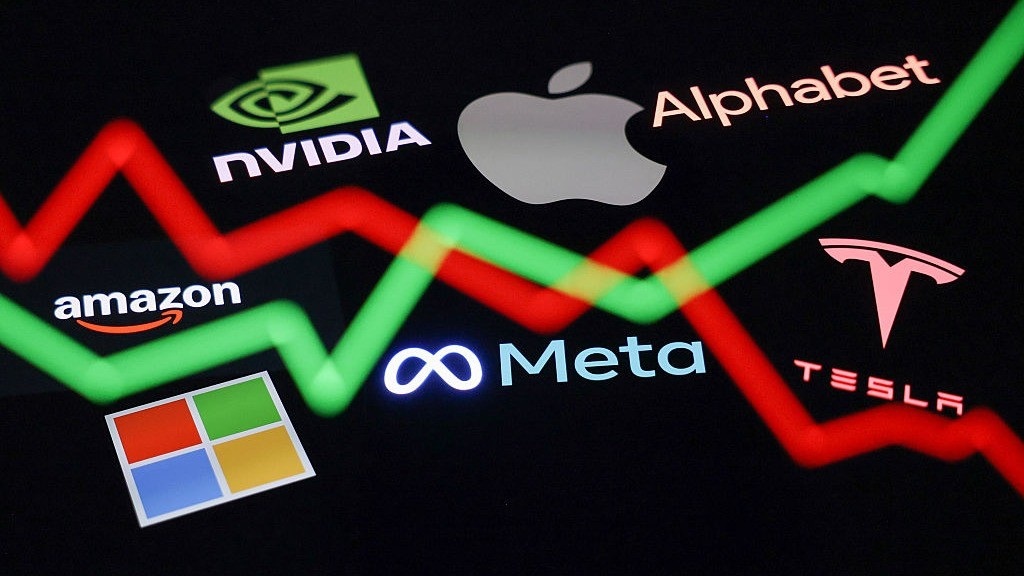
While innovation remains real, he believes the financial resilience of companies will determine which businesses survive a prolonged downturn. According to Damodaran, the so-called Magnificent Seven—including Nvidia, Microsoft, Alphabet, Amazon, Apple, Meta, and Tesla—possess significant competitive advantages beyond their technological capabilities.

These firms generate enormous cash flows, maintain substantial balance sheets, and enjoy access to debt markets at attractive rates. Such financial strength gives them flexibility to continue investing in AI research, infrastructure, and acquisitions even if market conditions deteriorate.

The cost of building cutting-edge AI systems continues to climb. Developing frontier models requires billions of dollars in computing infrastructure, advanced semiconductor chips, massive datasets, and highly specialized engineering talent.

These investments often take years to generate meaningful returns, making financial endurance just as important as technological innovation.

Smaller AI companies face a far different reality. Many remain heavily dependent on venture capital funding or equity markets to finance operations. Without consistent profitability or large cash reserves.

These businesses are considerably more vulnerable if investor sentiment shifts or financing becomes more difficult. Rising borrowing costs or weaker fundraising conditions could quickly force many firms to reduce spending, delay product development, or seek acquisitions under unfavorable terms.

Damodaran points to the collapse of the Situational Awareness hedge fund as an illustration of how quickly confidence can evaporate in sectors driven by momentum. Although individual circumstances differ, the episode highlights how rapidly investors can reassess risk when expectations fail to match reality.

In speculative markets, valuation adjustments can be swift and severe, particularly for businesses lacking strong financial foundations. This perspective does not suggest that innovation outside the technology giants will disappear.

Damodaran believes many promising startups will either consolidate, partner with larger firms, or become acquisition targets. History shows that technological revolutions often begin with hundreds of ambitious entrants before eventually concentrating around a smaller group of financially durable leaders capable of sustaining long-term investment.

For investors, the warning serves as a reminder that excitement surrounding AI should not replace disciplined financial analysis. Revenue growth, profitability, free cash flow, balance-sheet strength, and realistic valuations remain essential indicators.

When evaluating companies operating in rapidly evolving industries. Businesses with compelling technology but fragile finances may struggle if market conditions become less forgiving. As AI continues transforming industries from healthcare to finance and manufacturing, competition is expected to intensify.

While innovation will undoubtedly create new winners, Damodaran believes financial resilience will separate lasting leaders from temporary market favorites. In his view, the coming AI shakeout will not end the industry’s growth story.

But it may fundamentally reshape the competitive landscape, leaving the strongest companies with even greater market dominance while exposing the vulnerabilities of firms built on optimism rather than enduring financial strength.

Global Markets Recover as Yen Stabilizes and Risk Appetite Returns

0

Markets entered the past week on edge as investors prepared for what many feared would be a dramatic unwinding of global risk assets.

Much of the anxiety centered on the Japanese yen after the United States and Japan carried out their first coordinated currency intervention since 2011. The move was widely interpreted as an attempt to stabilize the yen after a prolonged period of weakness.

Market participants worried that a stronger yen could force investors to unwind the popular yen carry trade, a strategy in which traders borrow cheaply in yen to invest in higher-yielding assets abroad.

Such an unwinding has triggered bouts of volatility across equities, bonds, and cryptocurrencies. The feared cascade never materialized. Instead of surging uncontrollably, the yen stabilized, reducing pressure on leveraged positions and calming investor nerves.

As confidence gradually returned, financial markets shifted from defensive positioning toward renewed optimism. While the rebound was measured rather than explosive, it was enough to push major U.S. stock indices back toward historic highs.

The recovery was reflected in Wall Street’s latest performance. The S&P 500 finished at 7,600.50, ending the session just below a new record high. Meanwhile, the Dow Jones Industrial Average climbed to an all-time high, highlighting continued investor confidence in blue-chip companies despite lingering geopolitical uncertainty.

Adding to the positive sentiment, Amazon surpassed a remarkable $3 trillion market capitalization for the first time, reinforcing the dominance of technology giants that continue to drive much of the market’s gains. The milestone underscores how artificial intelligence, cloud computing, and digital commerce remain central themes supporting investor enthusiasm.

Cryptocurrency markets have benefited from the improved macroeconomic backdrop. Bitcoin and several major digital assets have continued a steady upward grind rather than experiencing the sharp rallies seen in previous bull cycles.

Investors appear increasingly comfortable allocating capital to risk assets as fears of a broader financial shock have eased. One factor supporting crypto has been the reduction in geopolitical risk following President Donald Trump’s decision to pursue de-escalation with Iran.

The easing of immediate military tensions helped remove much of the war premium that had been built into oil prices, improving overall market sentiment and encouraging greater appetite for speculative investments. Lower energy prices also offer broader economic benefits.

Declining oil prices reduce inflationary pressures, potentially giving central banks greater flexibility in future monetary policy decisions. This combination of easing inflation concerns and resilient corporate earnings has created a more favorable environment for both equities and digital assets.

The apparent diplomatic progress between the United States and Iran is already showing signs of strain. President Trump struck a notably confrontational tone, describing Iran’s leadership as “unbelievably duplicitous” while insisting that economic and military pressure would remain until what he called “Total Surrender.”

Such rhetoric contrasts sharply with expectations of a sustained diplomatic thaw and raises concerns that geopolitical tensions could quickly intensify once again. Financial markets have repeatedly demonstrated their sensitivity to geopolitical developments.

Particularly those affecting energy supplies and global trade routes. Should relations between Washington and Tehran deteriorate further, renewed volatility in oil markets could spill over into equities and cryptocurrencies alike. Investors may once again be forced to reassess risk exposure amid uncertainty.

For now, markets are choosing optimism over fear. The stabilization of the yen, resilient corporate performance, and easing energy concerns have combined to fuel a cautious relief rally.

Whether that momentum can continue will largely depend on the durability of geopolitical stability and the ability of policymakers to prevent fresh crises from disrupting an otherwise improving investment landscape.