

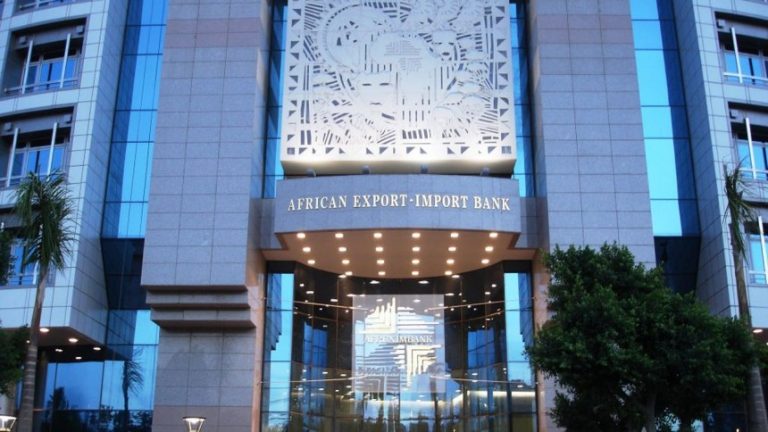
In a landmark step toward expanding its access to global capital, the African Export-Import Bank (Afreximbank) has raised $299.90 million (2.2 billion renminbi) through its debut Chinese Panda bond issuance, becoming the first African multilateral financial institution, and only the second African entity, to tap into China’s onshore bond market.
Issued with an interest rate of 2.99%, the bond was fully placed in China’s domestic capital market, with Bank of China Limited serving as the lead underwriter and bookrunner. The Exim Bank of China and the Industrial and Commercial Bank of China (ICBC) also participated as joint lead underwriters.
Afreximbank’s issuance comes at a time when African economies are grappling with volatile global markets, foreign exchange pressures, and growing debt servicing burdens. The successful bond sale not only provides a fresh pool of renminbi-denominated liquidity but also signals a widening door for African borrowers seeking to diversify their funding away from Western-dominated capital markets.
Register for Tekedia Mini-MBA edition 20 (June 8 – Sept 5, 2026).
Register for Tekedia AI in Business Masterclass.
Join Tekedia Capital Syndicate and co-invest in great global startups.
Register for Tekedia AI Lab.
In its statement on Tuesday, Afreximbank emphasized that this latest move fits within its broader strategy of accessing diversified and cost-effective funding sources.
“The issuance followed Afreximbank’s successful navigation of the rigorous regulatory and approval processes for Panda bond issuance,” the lender said.
Setting a Precedent
This is only the second Panda bond by an African entity, the first being Egypt’s 2022 foray into the market, yet Afreximbank’s multilateral status, financial clout, and pan-African reach make this issuance especially significant. It is likely to encourage other African institutions to consider China’s local bond market as a viable platform for fundraising.

“This issuance highlights Afreximbank’s commitment to diversifying its funding sources and to tapping into new pools of capital,” said Chandi Mwenebungu, Afreximbank’s Head of Treasury and Markets Division. “This transaction is a culmination of years of work engaging with Chinese authorities and investors, and it marks a turning point in our engagement with the Chinese financial system.”
China has signaled a clear intent to deepen financial integration with Africa through initiatives like Panda Bonds. In recent years, Chinese regulators have stepped up efforts to allow more foreign issuers into their tightly controlled debt market, positioning it as a long-term funding alternative.
A Rigid but Rewarding Market
Panda bonds—renminbi-denominated bonds issued by foreign entities in China were introduced in 2005 with issuances from the Asian Development Bank and the International Finance Corporation, part of the World Bank Group. However, access remains highly restricted, requiring issuers to meet strict accounting, disclosure, and regulatory standards.

Afreximbank’s entry into this space underscores the bank’s financial sophistication and long-term ambition. The fact that the bond issuance was completed despite the complexities of operating in a market where the renminbi remains only partially convertible adds to the significance.
“Successfully issuing a Panda bond signals a high level of financial credibility,” said a fixed-income analyst familiar with African sovereign and supranational markets. “This isn’t just about the money raised. It’s a proof of confidence in Afreximbank’s balance sheet and its long-term strategic importance to African economies.”
Surging Demand for Panda Bonds
The broader market appetite for Panda bonds has grown significantly, with total issuance hitting a record 195 billion yuan in 2024, according to Deutsche Bank figures. That rise comes as China seeks to internationalize the renminbi and deepen its economic ties with developing regions—especially Africa.
Afreximbank’s bond not only gives it access to renminbi liquidity that can be used in trade finance operations involving Chinese partners, but it also helps reduce currency mismatch risks in projects funded in local currencies. That flexibility is becoming increasingly critical as African countries work to manage their debt profiles amid a stronger dollar and rising global interest rates.
The Timing And Africa’s Shifting Economy
The bond sale comes against a backdrop of shifting macroeconomic conditions across Africa. Many countries are facing tighter external financing conditions, and institutions like Afreximbank are being called on to play a greater role in economic stabilization, trade facilitation, and infrastructure development.
In that context, Afreximbank’s success in raising nearly $300 million through a non-traditional source is likely to be seen as a strategic win, especially as conventional eurobond markets remain largely out of reach for many African borrowers due to elevated yields and investor caution.
The issuance also adds momentum to China’s pledge to support African financial integration and infrastructure investment. While Chinese loans to Africa have slowed in recent years, initiatives like Panda bonds provide a less debt-heavy alternative to traditional lending.
Afreximbank’s foray into the Panda bond market could prompt similar moves by other African multilateral, national, or regional institutions. Analysts say more issuers may begin considering renminbi-denominated funding as a way to reduce dependency on dollar debt, especially as U.S. interest rates remain high.
Whether that wave materializes depends on how quickly China can ease access for more African issuers while maintaining its tight control over capital flows. But Afreximbank’s successful issuance has already pushed the door open—and other African entities may soon follow.