

The African Export-Import Bank (Afreximbank) and the African Petroleum Producers’ Organization (APPO) have formally established the Africa Energy Bank, creating a new financing institution intended to support oil and gas projects across the continent as traditional lenders reduce their exposure to fossil fuels.
The bank has an authorized capital of $5 billion and is designed to address a funding gap affecting Africa’s energy industry, where access to international finance has become more difficult even as oil and gas remain important to electricity generation, industrial activity and government revenues.
The announcement followed the bank’s inaugural general meeting in Abuja, Nigeria, where shareholders appointed Helmy Ghazi as its first president and constituted its first board of directors. The appointments establish the institution’s initial leadership structure as it prepares to finance projects across the African energy value chain.
Register for the next Tekedia Mini-MBA.
Register for Tekedia AI in Business Masterclass.
Join Tekedia Capital Syndicate and co-invest in great global startups.
According to the announcement, Africa’s energy investment requirements are estimated at $200 billion. The bank is expected to provide financing for activities ranging from oil and gas exploration and production to refining and distribution.
Its creation comes amid a broader shift in international financing, with several commercial banks, development finance institutions and investors tightening restrictions on funding for fossil-fuel projects. For African producers, the change has raised concerns about the availability of long-term capital for developing hydrocarbon resources, maintaining existing infrastructure and expanding domestic processing capacity.
The Africa Energy Bank is intended to provide an alternative funding source, particularly for projects that struggle to secure financing from lenders facing increasingly restrictive energy policies.

The bank’s mandate covers several stages of the petroleum value chain. This could allow it to finance upstream projects, including exploration and production, as well as midstream and downstream infrastructure such as processing facilities, pipelines, refineries and distribution networks.
The focus on the entire value chain is significant because Africa’s financing challenge extends beyond discovering and extracting hydrocarbons. Several producers also face infrastructure constraints that limit their ability to process crude locally, transport petroleum products efficiently, and capture more value from domestic resources.
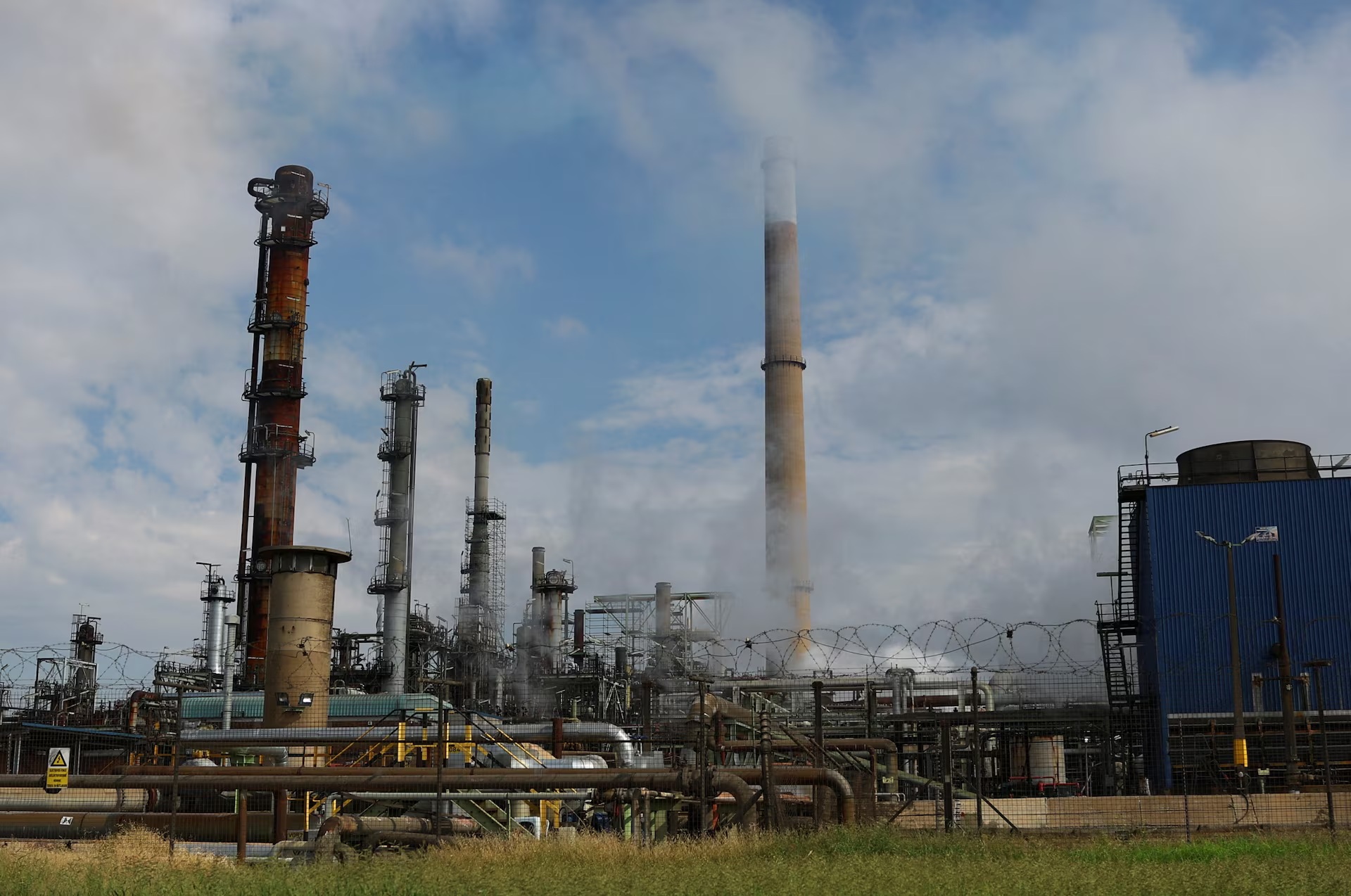
Refining capacity is integral to the continent’s energy security. Countries that produce crude oil have continued to rely on imported refined products where domestic processing capacity is insufficient. Financing new refineries and upgrading existing facilities could help reduce that dependence.

The bank’s $5 billion authorized capital provides its initial financial foundation, but analysts believe its ability to address an estimated $200 billion investment requirement will depend on how much additional capital it can mobilize from shareholders, institutional investors and other financing partners.
Authorized capital should not be confused with funds immediately available for lending. That will matter as the institution moves from formal establishment to financing operations. Its eventual lending capacity will depend on paid-up capital, borrowing arrangements, project risk assessments and its ability to attract external investment.
The formal establishment follows earlier plans to bring the institution into operation in 2025. Reuters reported in February that the bank was targeting a mid-year launch, while South Africa had indicated interest in joining despite not being a member of APPO.
That interest could broaden the institution’s potential shareholder base beyond the organization’s existing petroleum-producing members. However, experts say the bank’s eventual reach will be determined by its membership structure, capital commitments and the terms under which additional countries participate.
Reuters had also reported that the institution was targeting an asset base of $120 billion. Reaching that level would require substantial capital mobilization beyond its authorized capital of $5 billion, potentially through partnerships, borrowing and investment from other financial institutions.
The difference between the bank’s initial capital and its longer-term asset target highlights the scale of its ambitions. It also raises questions about the pace at which it can build a lending portfolio and establish credibility with international capital providers.
The institution will face the task of balancing the financing needs of African energy producers with the commercial and environmental risks associated with long-term fossil-fuel investments. Oil and gas projects typically require large upfront expenditure and long development periods, leaving lenders exposed to changes in commodity prices, regulation, technology, and global demand.
Africa’s challenge is also tied to the need to expand energy access while developing infrastructure capable of supporting industrialization. Therefore, the bank’s performance will also be measured by the capacity of its investments to improve domestic energy supply, processing capacity and regional energy trade.
However, its establishment gives African oil and gas producers a dedicated financing institution at a time when access to conventional funding is becoming more constrained.