

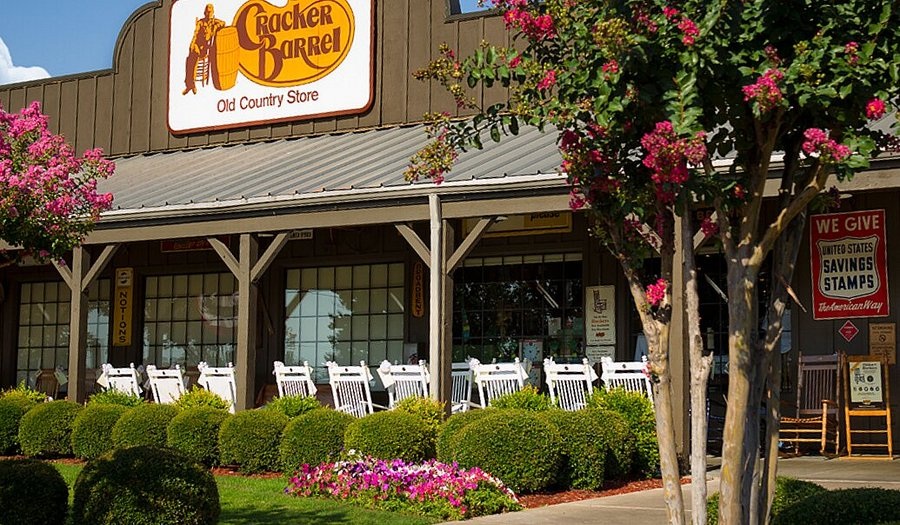
Shares of Cracker Barrel Old Country Store surged 29% following the company’s announcement of an ambitious artificial intelligence integration strategy, signaling investor enthusiasm for the traditionally positioned restaurant chain’s pivot toward advanced digital operations.
The move by Cracker Barrel Old Country Store reflects a broader strategic shift within the company as it seeks to modernize operations, enhance customer experience, and improve operational efficiency through data-driven technologies.
Investor enthusiasm stems from expectations that AI-driven systems could optimize menu recommendations, streamline supply chain logistics, and personalize customer interactions across thousands of daily transactions.
Analysts note that legacy casual dining brands have historically lagged behind quick-service competitors in adopting advanced analytics, making this announcement particularly significant for market perception.
Register for the next Tekedia Mini-MBA.
Register for Tekedia AI in Business Masterclass.
Join Tekedia Capital Syndicate and co-invest in great global startups.
However, execution risk remains high, as integrating AI across kitchen operations, inventory forecasting, and customer-facing platforms requires both capital investment and organizational change. Maintaining brand authenticity while introducing automation will also be a delicate balancing act for management, particularly given the company’s heritage-driven identity.
The 29% rally underscores how strongly markets are rewarding companies perceived as successfully aligning traditional business models with artificial intelligence transformation.
Executives reportedly view artificial intelligence as a foundational layer for long-term transformation rather than a short-term efficiency tool, with applications expected across customer service automation, predictive inventory management, and dynamic pricing systems tailored to regional demand patterns.
Industry observers also point out that restaurant chains integrating AI at scale often begin with backend optimization before extending capabilities into front-of-house experiences, such as personalized digital ordering kiosks and loyalty program enhancements.

For investors, the 29% surge reflects a re-rating of Cracker Barrel’s growth prospects, suggesting that markets are increasingly willing to assign technology-driven multiples even to legacy consumer brands undergoing digital reinvention.
This sentiment aligns with broader market behavior in which artificial intelligence announcements, even when operationally early-stage, can trigger outsized equity responses due to anticipated productivity gains and margin expansion over time.
Analysts caution that such rallies may compress if AI initiatives fail to translate into measurable revenue growth or if implementation costs erode near-term profitability. We should also consider the operational complexity inherent in deploying AI across a geographically dispersed restaurant footprint, where consistency of service, legacy infrastructure constraints, and workforce training requirements can significantly slow adoption curves.

Furthermore, the integration of AI in a brand like Cracker Barrel raises important questions about customer perception, particularly whether automation can coexist with the company’s traditional, hospitality-focused dining experience without diluting its identity.
At the same time, AI adoption could unlock new revenue streams through targeted marketing, improved table turnover prediction, and enhanced upselling strategies that leverage behavioral data in real time.
Competitors across the casual dining sector are likely to monitor the outcome closely, as successful execution could set a benchmark for how heritage brands modernize without abandoning core experiential value propositions.
The market reaction underscores a growing belief that artificial intelligence is no longer confined to technology companies but is becoming a universal driver of valuation across diverse industries. We may therefore interpret Cracker Barrel’s share surge as both a specific reaction to corporate strategy and a broader signal of investor appetite for AI-enabled transformation narratives in established consumer sectors.
A sustained rally will depend on execution clarity, measurable efficiency gains, and whether AI meaningfully improves both customer satisfaction and long-term financial performance outcomes achieved.