

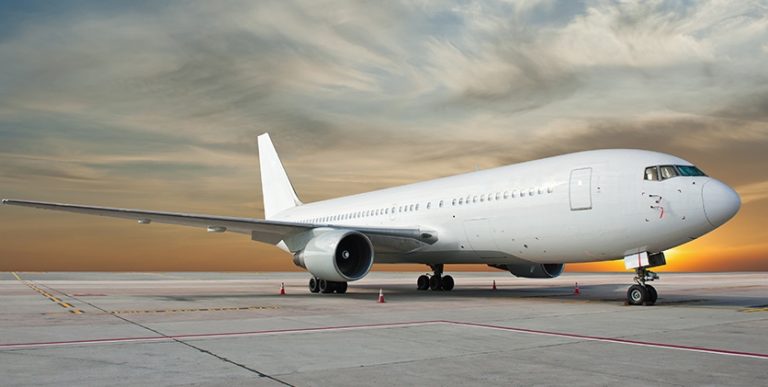
Airbus has ordered an urgent global fleet action that will require software rollbacks and, for some jets, hardware work on roughly 6,000 A320-family aircraft — more than half of the worldwide fleet — after an in-flight flight-control incident that regulators say may be linked to intense solar radiation corrupting critical flight data.
The European Union Aviation Safety Agency has issued an emergency airworthiness directive making the fix mandatory.
The problem centers on the ELAC (Elevator and Aileron Computer) flight-control system. Airbus said analysis of a recent event found intense solar radiation can corrupt data the system uses, and the immediate prescribed action for most aircraft is to revert to a previous software version before the jets fly again, other than repositioning flights to repair centers. The change typically takes around two hours per aircraft, though older aircraft may also need hardware replacement, which could take much longer.
Register for Tekedia Mini-MBA edition 20 (June 8 – Sept 5, 2026).
Register for Tekedia AI in Business Masterclass.
Join Tekedia Capital Syndicate and co-invest in great global startups.
Register for Tekedia AI Lab.
The recall followed an October 30 flight in which a JetBlue A320 en route from Cancun to Newark experienced a sudden, uncommanded drop in altitude and made an emergency landing at Tampa; several passengers were hurt, and that incident triggered the subsequent probe. Regulators and airlines say the software reversal is precautionary but necessary to ensure continued safe operations while further analysis and any needed hardware changes proceed.
Operational impact has been immediate and global. Airbus and EASA’s directive came at the start of a major U.S. travel weekend and affected carriers across all regions.
The British Civil Aviation Authority said it expects some disruptions to airlines and flights operating in the country.

“We have been made aware of an issue that may affect some of the A320 family of aircraft and the precautionary action that EASA has taken,” Giancarlo Buono, director of aviation safety at the UK Civil Aviation Authority, said.
American Airlines initially said about 340 A320s would need the update, then revised the figure to 209 after clarification from Airbus; as of late Friday, most of those had been completed.
Carriers from Air France and ANA to IndiGo, Avianca, and numerous low-cost carriers have reported cancellations or delays, and some—Avianca in particular—temporarily stopped ticket sales for affected dates. Experts warn maintenance shops and hangar capacity will be tested, since many carriers are already facing backlogs and staffing constraints going into the peak season.

“The timing is definitely not ideal for an issue like this to arise on one of the most ubiquitous aircraft around the (U.S.) holidays,” Mike Stengel of AeroDynamic Advisory said.
Why this is sensitive: the A320 family is ubiquitous — about 11,300 A320-family jets are in service, including roughly 6,440 of the core A320 model — and it only recently became the most-delivered single-aisle model worldwide. That ubiquity means even a short, two-hour update at scale can cause cascade effects across schedules, crew rostering, and passenger connections, while the subset needing hardware work could be out of service for much longer.
The FAA and other national authorities are following EASA’s lead; airlines are balancing speed with safety by doing updates between flights where possible.
What to watch next: Airlines will publish rolling operational updates as they sequence repairs and identify aircraft requiring hardware changes. Regulators and Airbus will continue fault analysis and may require further measures for older ELAC hardware. The real test over the next week will be how quickly carriers can complete the updates without stranding passengers, and how many aircraft ultimately need the longer hardware fixes — that number will determine whether disruption is short-lived or stretches deeper into the holiday travel period.