

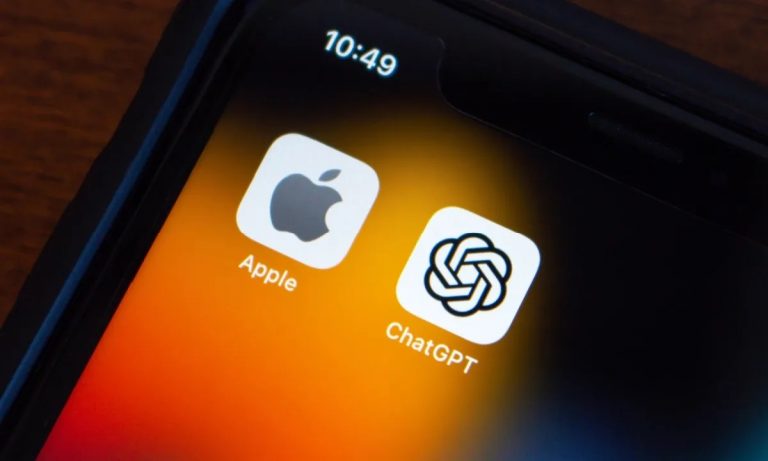
Apple is developing its own autonomous AI agent capable of controlling devices, browsing the web, running commands, writing and debugging code, and performing multi-step tasks across apps.
The launch of the AI Agent positions the company to compete directly with offerings from OpenAI, Anthropic, Meta, and others in the fast-growing field of agentic AI. Announcing the launch Apple wrote,
“Imagine an AI agent that can use a computer the way a capable person does,” the job listing reads. “It browses the web, works across apps, runs commands, writes and debugs code, and calls services, and it chooses the right tool for each step. It does all this privately and with the polish people expect from Apple.”
Register for the next Tekedia Mini-MBA.
Register for Tekedia AI in Business Masterclass.
Join Tekedia Capital Syndicate and co-invest in great global startups.
According to reports based on Apple’s postings, the company is seeking a senior engineering manager to lead work on a “proactive, agentic AI assistant.” One listing describes the goal clearly: an AI that can use a computer the way a capable person does.
It would move fluidly between tools, browsers, documents, terminals, code editors, and external services, choosing the right approach for each step while coordinating specialized sub-agents when needed. The system is designed to handle complex, multi-step workflows with limited user input.
Privacy and polish remain central to Apple’s approach. The company emphasizes that the agent would operate privately and deliver the refined experience users expect from its products. This aligns with Apple’s long-standing focus on on-device processing and private cloud compute, distinguishing it from many competitors that rely more heavily on cloud-based models.

Development is still in the early stages. Apple has eyed a possible introduction as soon as the end of 2027, though no firm timeline has been confirmed. The project comes amid internal pressure to accelerate AI efforts and follows the rise of competing agents such as Meta’s Muse, which has gained traction for everyday tasks like bookings and briefings, as well as computer-use capabilities from OpenAI and Anthropic.
The news also arrives as Apple continues refining Siri and its broader Apple Intelligence features. While the new agent appears more ambitious than current voice assistants, it could eventually integrate with or expand upon existing systems. At the same time, Apple has been tightening controls around third-party agents that request broad system access, signaling caution about security and user consent even as it builds its own solution.
Apple has not publicly commented on the listings or the project. If successful, the agent could strengthen Apple’s position in productivity and developer tools while reinforcing its privacy-first brand in an increasingly competitive AI landscape. The company will need to balance capability with reliability and safety as it moves from early development toward any eventual release.

Outlook
Apple’s proposed autonomous AI agent could become a defining development in the company’s artificial intelligence strategy, particularly as competition shifts from AI assistants that answer questions to systems capable of independently executing tasks.
If successfully developed, the technology could transform how users interact with Apple devices, reducing the need to move manually between applications, browsers, and other software to complete everyday activities.
The company’s biggest opportunity lies in integrating autonomous AI capabilities across its ecosystem of iPhones, Macs, iPads, and other devices. Unlike standalone AI agents, Apple’s solution could benefit from direct access to its hardware, operating systems, and existing applications, potentially creating a more seamless experience for users and strengthening customer loyalty.
Its emphasis on privacy could also become a competitive advantage among consumers concerned about granting AI systems access to personal files, communications, and sensitive information.